
The best restaurant furniture supplier is not automatically the company with the largest catalogue or the lowest opening price. It is the supplier whose service model fits the venue: the right categories, the right level of customization, clear ownership across restaurant zones and a credible route for replacements after opening.
Choose in this order: define the operating package, select the supplier role, map zone ownership, test recovery capability, approve a representative service-cycle sample and then compare normalized offers. This turns “best” from a brand ranking into a project-specific decision.
Define the operating package before contacting suppliers
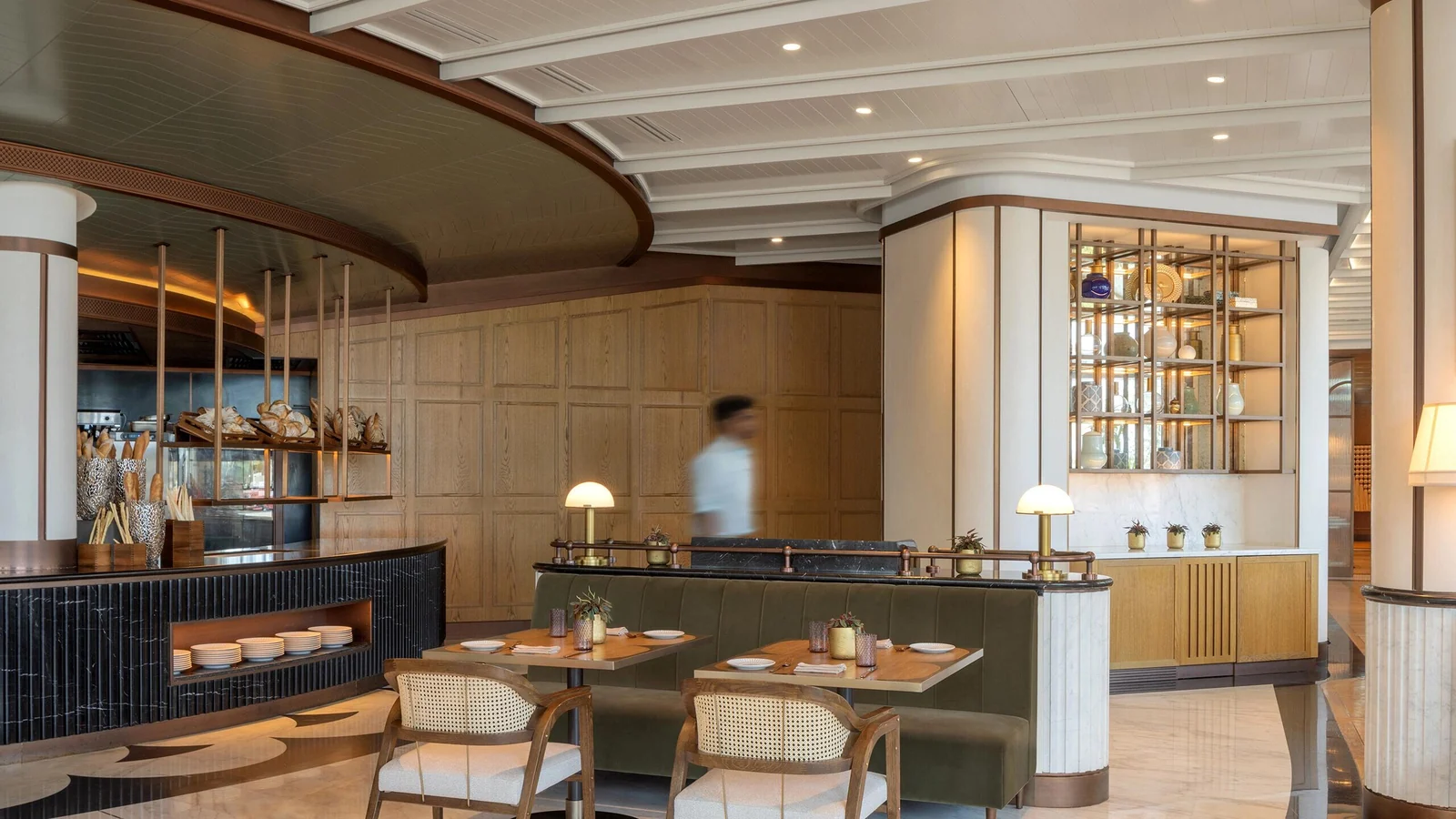
Start with the furniture the restaurant must operate, not a mood-board shopping list. Divide the venue into main dining, bar or counter, private dining, lounge or waiting, terrace and any service-support areas. For each zone, record item families, quantities, current dimensions, fixed interfaces, material direction, cleaning method, movement pattern and required approval date.
Mark what is fixed, what remains open and who can approve a change. A banquette linked to wall panels is a different supply problem from a loose side chair. A bar chair cannot be evaluated without the actual counter interface. Outdoor furniture needs its own exposure and operating brief. Gainwell’s Restaurants & Clubs solution similarly organizes the brief around atmosphere, service flow, cleaning, maintenance and repeatable commercial performance rather than appearance alone.
| Operating input | What it tells the supplier | What must remain project-specific |
|---|---|---|
| Zone and furniture schedule | Category coverage, quantities and fixed-versus-loose scope | Final dimensions, interfaces and responsibility |
| Service and reset pattern | How items are moved, approached and cleared | Approved layout and operating procedure |
| Material and cleaning direction | Surfaces, seams and transitions that need review | Exact material, finish and cleaning compatibility |
| Opening and replenishment plan | Initial phases, spare needs and possible reruns | Dates, quantities, storage and commercial basis |
Choose the supplier role that matches the scope
Restaurant furniture suppliers can serve different roles. A stock distributor may suit a small, fast requirement where standard dimensions, finishes and replacement availability are acceptable. A custom manufacturer may suit design-led chairs, tables, banquettes or mixed-material items that need drawings, samples and controlled production. A project supplier or hybrid model may coordinate several categories and partners under one schedule.
None of these roles is universally better. The decision is whether the role matches the package and the restaurant team’s available coordination resources. Ask where each category comes from, which items are standard or made to order, who develops drawings, who controls samples, which processes are performed by partners and who answers when two scopes do not meet.
Gainwell’s current capabilities overview describes a connected route through technical development, prototypes, production control and delivery. It also keeps the correct boundary: exact scope, production location, tests, quantities, programme, warranty and responsibilities need confirmation for the live project.
Map venue zones to one named scope owner
Build a venue-to-supplier role map before requesting prices. Put the zones down the left side and the furniture or fixed elements across the top. For every cell, name the proposing supplier, drawing owner, sample owner, production source, delivery owner and final interface approver. Blank or duplicated ownership is an early warning.
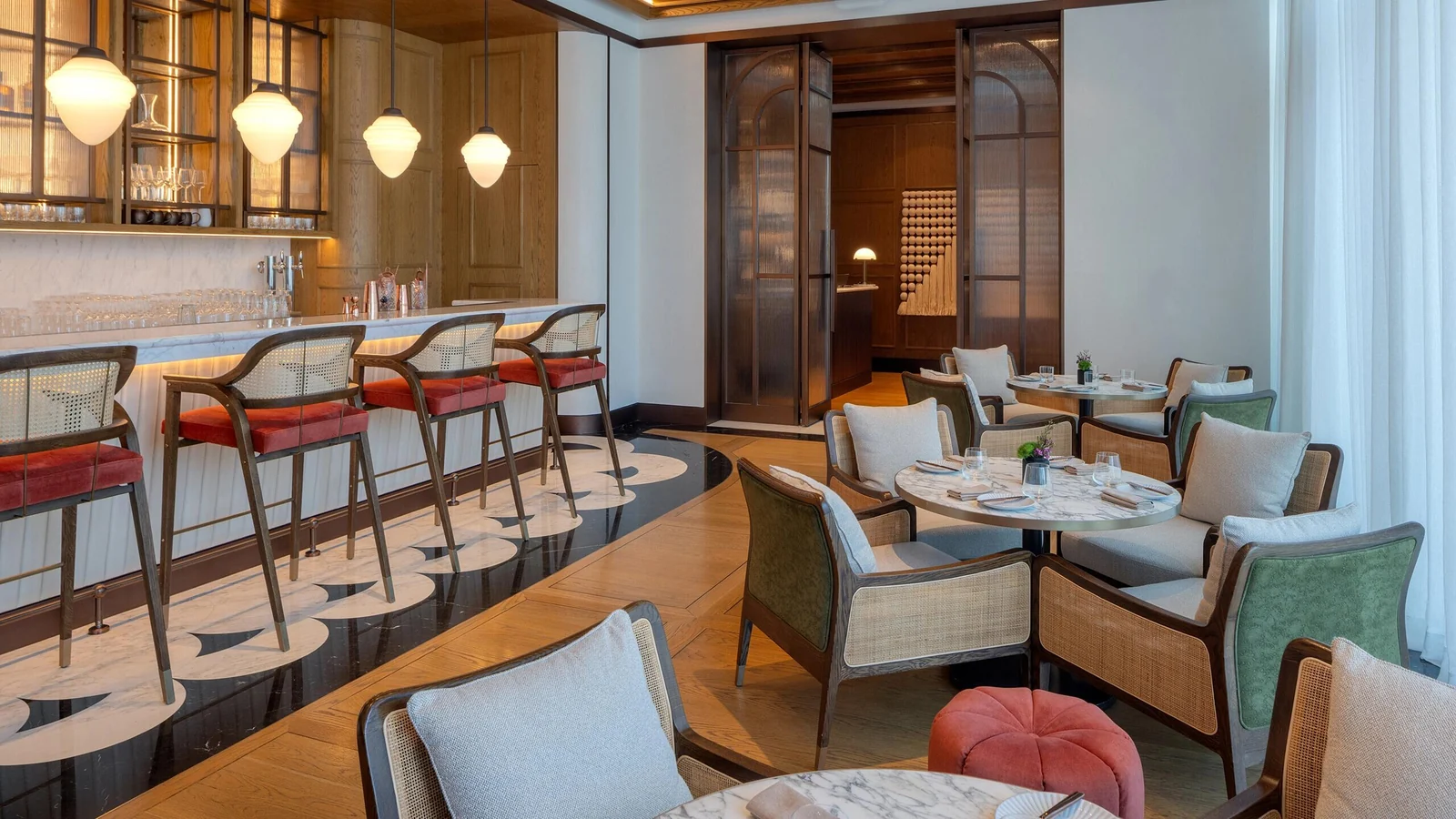
The map should expose transitions. Who confirms a bar-chair seat height against the counter? Who aligns a table base with the intended top and floor condition? Who coordinates a loose table against a fixed banquette? Who checks that private-dining pieces can follow the approved route into the room? These questions are more useful than asking whether a supplier can “do restaurants.”
Use the separate restaurant furniture layout guide for circulation and furniture-envelope decisions. Supplier selection should consume that approved layout information; it should not silently redesign it during quotation.
Run a coverage-to-recovery test
Initial category coverage is only half the supplier decision. The second half is recovery: what happens when an item is damaged, a finish reference changes, a venue opens in phases or the operator needs a small rerun? Use a coverage-to-recovery table so attractive first-order pricing does not hide a weak after-opening route.
| Test | Evidence to request | Unresolved condition to record |
|---|---|---|
| Initial coverage | Item-by-item scope, source and named owner | Excluded category or split responsibility |
| Reference continuity | Controlled finish, fabric, hardware and drawing records | Reference owned only by an unnamed partner |
| Replacement route | Required item identity, reporting path and quotation basis | No method to match the approved version |
| Small rerun | Current MOQ basis, tooling status and likely approval steps | Availability or price assumed but not confirmed |
| Exception response | Named escalation route and evidence needed for a decision | Responsibility moves between seller and factory |
Do not ask for a lifetime availability promise. Ask the supplier to state the present basis and the variables that would trigger a new approval: material discontinuation, changed hardware, tooling changes, revised minimum quantities or a different production source. That produces an honest recovery plan without pretending future conditions are fixed.
Approve a representative service-cycle sample
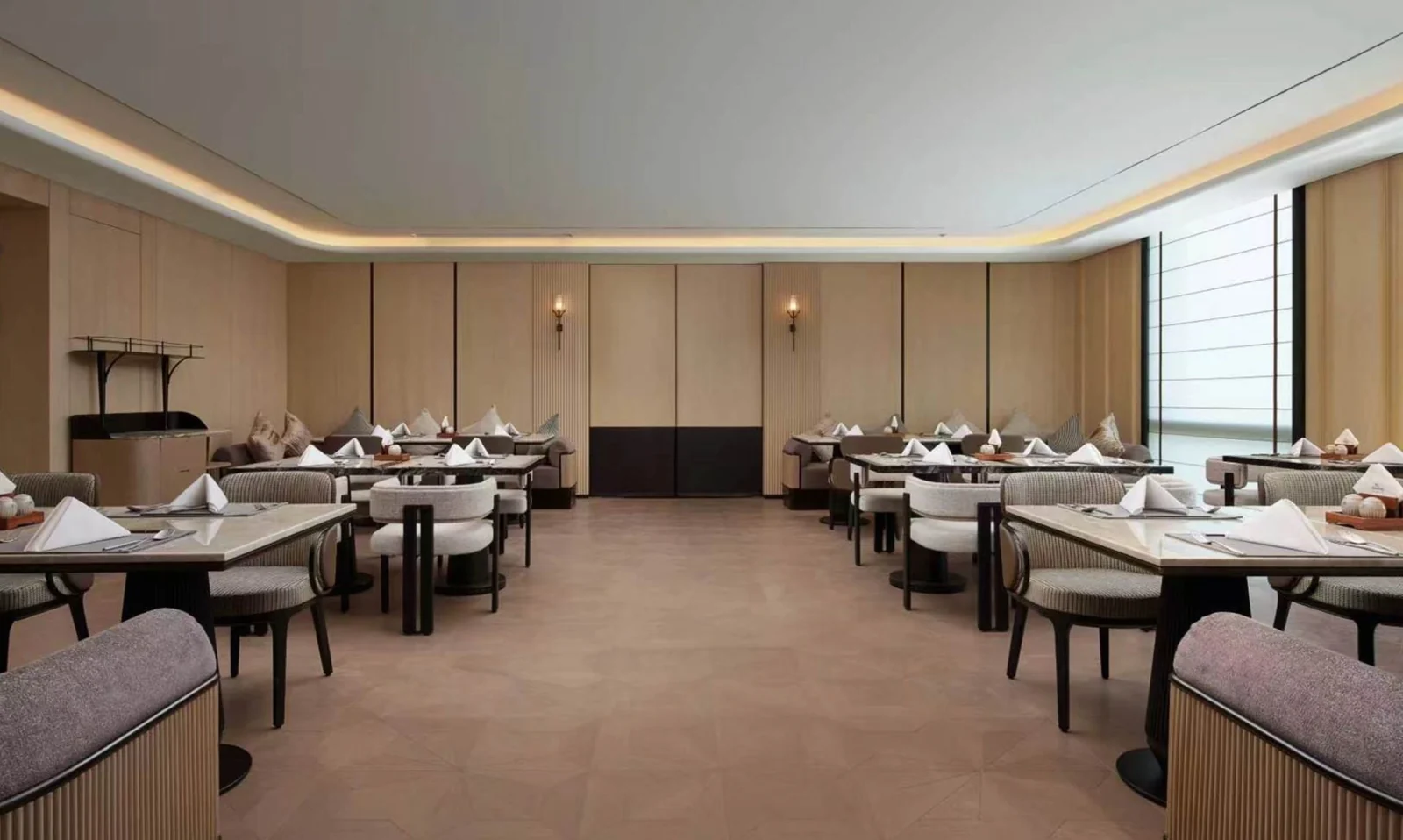
Choose a sample set that represents the operating risk, not only the most photogenic item. For many restaurants, that could be one main-dining chair, one table assembly and one high-seat or banquette interface. Define what the review can prove and what it cannot.
A practical service-cycle review follows the real sequence: approach the table, sit, move the chair, clear the setting, reset it and inspect the contact points. Review dimensions, comfort, stability, reach, visible joints, cleanable access and movement against the approved layout and project requirements. If stacking, outdoor exposure, chemical compatibility or a specific performance test matters, confirm the exact method and acceptance criteria for that project.

Record every comment against the item code and drawing revision. State whether the response is accepted, rejected or awaiting evidence, and who can close it. The approved sample should then point to the drawings, material references and exception record that production must follow. The restaurant furniture materials guide provides a separate method for matching material systems to exposure, cleaning and touchpoints.
Normalize offers with a deviation schedule
Supplier comparison begins only after each offer uses the same schedule and revision. Normalize quantities, item dimensions, materials, finishes, hardware, samples, packaging, delivery basis, installation support, spare items, warranty terms, taxes, currency assumptions and exclusions. Put every difference in a deviation schedule.
Then classify the result. A complete offer matches the issued basis. A conditional offer is usable only after named assumptions close. A non-comparable offer changes the material, scope, delivery point or approval burden so substantially that its total cannot be compared with the others. Do not treat silence as compliance.
This approach also prevents a low first price from disguising split freight, omitted samples, excluded hardware, unresolved fixed-work interfaces or a replacement process that starts from zero. Compare the entire supply basis that the operator will inherit.
Test phased openings and multi-location continuity
For a phased opening or restaurant group, ask the supplier to trace one item family across time. Which record identifies the approved version? What changes when the second phase is smaller? How are discontinued materials handled? Which sample or finish reference is retained, and who approves a substitution?
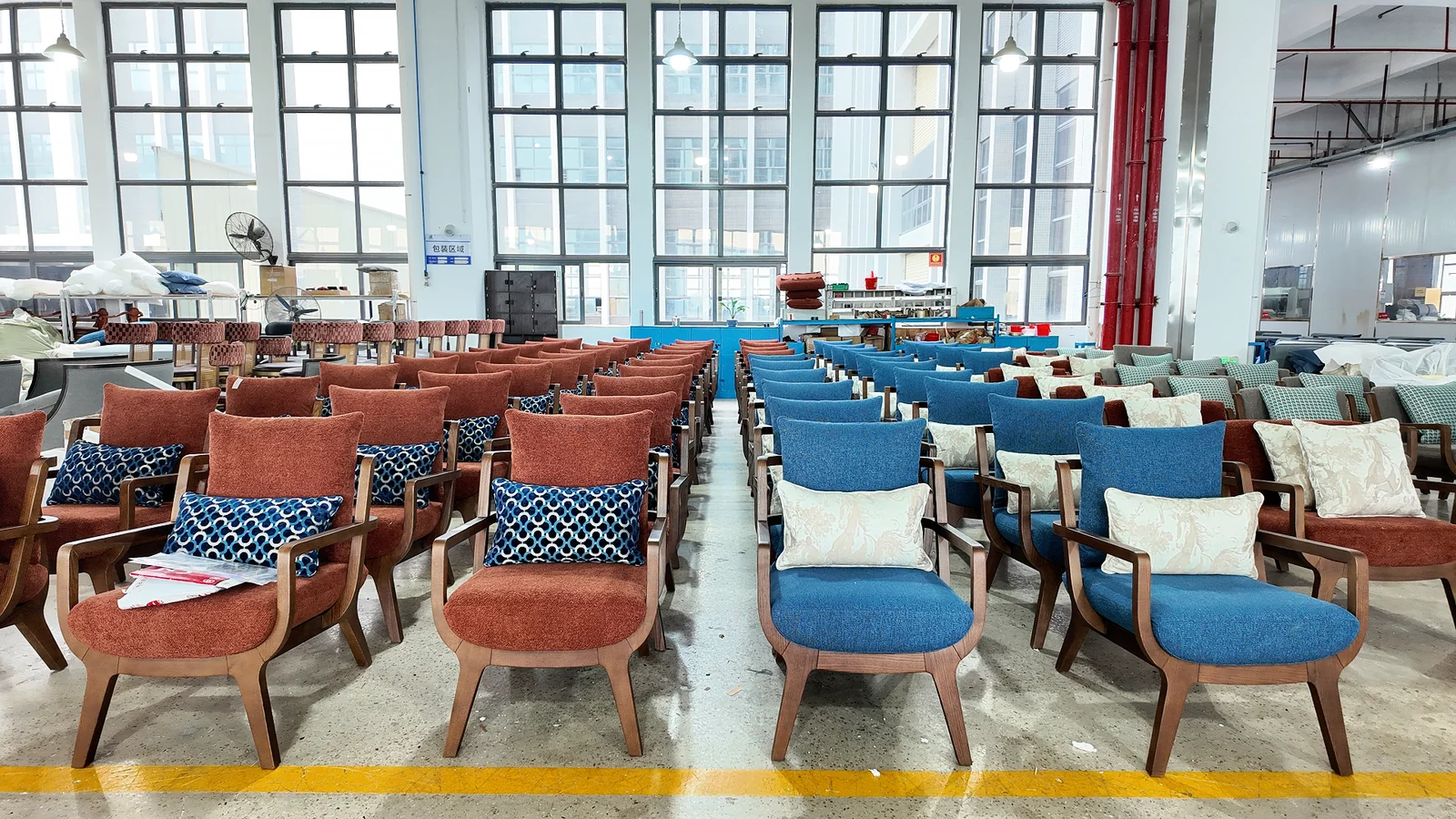
Ask for a phase register that shows site, item code, quantity, approved revision, finish reference, required date, source and open exception. For multiple locations, separate what must remain identical from what may change for local layout, destination requirements or operator preference. Do not assume that a past price, minimum quantity or lead time will remain available; reconfirm each release.
Make a conditional shortlist decision
Finish with one of three outcomes. PROGRESS means the supplier role, zone ownership, recovery route, representative sample and commercial basis are sufficiently clear for the next controlled stage. PROGRESS WITH CONDITIONS means named evidence must close by a stated date and authority. DO NOT PROGRESS means a critical interface, source, sample, responsibility or commercial basis remains unresolved.
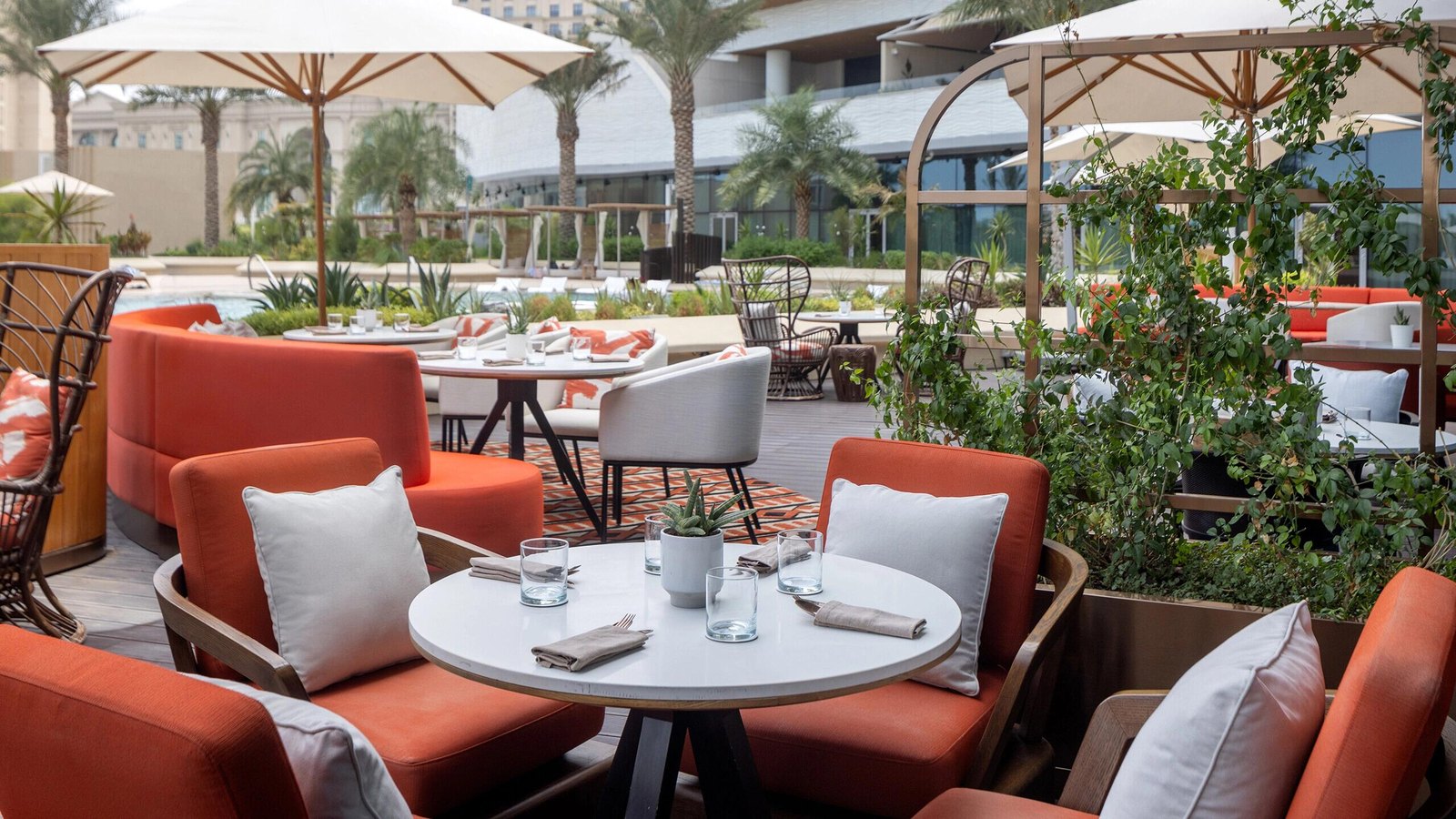
Keep the decision specific to the venue. A supplier that fits a standardized indoor rollout may not fit a mixed custom restaurant with fixed banquettes and an exposed terrace. Conversely, a complex custom supply chain may be unnecessary for a small standard replacement package.
To request a project-specific review, send the current zone schedule, furniture list, drawings, quantities, destination market, material direction, approval dates and opening phases through the Gainwell project enquiry. Current capacity, production source, tests, samples, prices, warranty, programme and delivery responsibilities must be confirmed against the live scope.
Frequently Asked Questions
How do I choose a restaurant furniture supplier?
Define the operating package first, then match it to the supplier’s role. Verify category and zone ownership, drawing and sample control, production sources, delivery responsibilities and the route for replacements or reruns. Compare suppliers only after their offers use the same scope, revision and commercial assumptions.
What should I send a restaurant furniture supplier for a quotation?
Send a zone-based furniture schedule, quantities, current drawings, dimensions, material and finish direction, destination, approval route, required samples, opening phases and delivery boundary. Mark incomplete information clearly. Ask the supplier to return assumptions, exclusions and deviations instead of filling gaps silently.
Is the lowest price the best choice for restaurant furniture?
Not until the offers are comparable. A low total may exclude samples, hardware, packaging, delivery work, fixed-furniture coordination or replacement support. Normalize scope, specification, approval work, logistics, warranty terms and exclusions, then evaluate the price together with unresolved operational risk.
Can one supplier furnish every restaurant zone?
Sometimes, but category breadth does not prove interface ownership. Map main dining, bar, private dining, lounge, fixed banquettes and outdoor areas separately. Confirm who develops, samples, produces, delivers and resolves each scope, including work performed by partners.
What should be checked in a restaurant furniture sample?
Check the item against its approved drawing, material references and intended zone. Review dimensions, comfort, stability, movement, service access, visible joints, finish, cleaning access and interfaces with tables, counters or fixed work. Add project-specific tests only with an agreed method and acceptance criteria.
How should replacement restaurant furniture be planned?
Keep item codes, approved revisions, finish references, hardware details, production source and exception records. Ask what information is required for a replacement quotation and what could trigger new minimum quantities, samples or approvals. Reconfirm availability, price and programme for every rerun rather than relying on an open-ended promise.