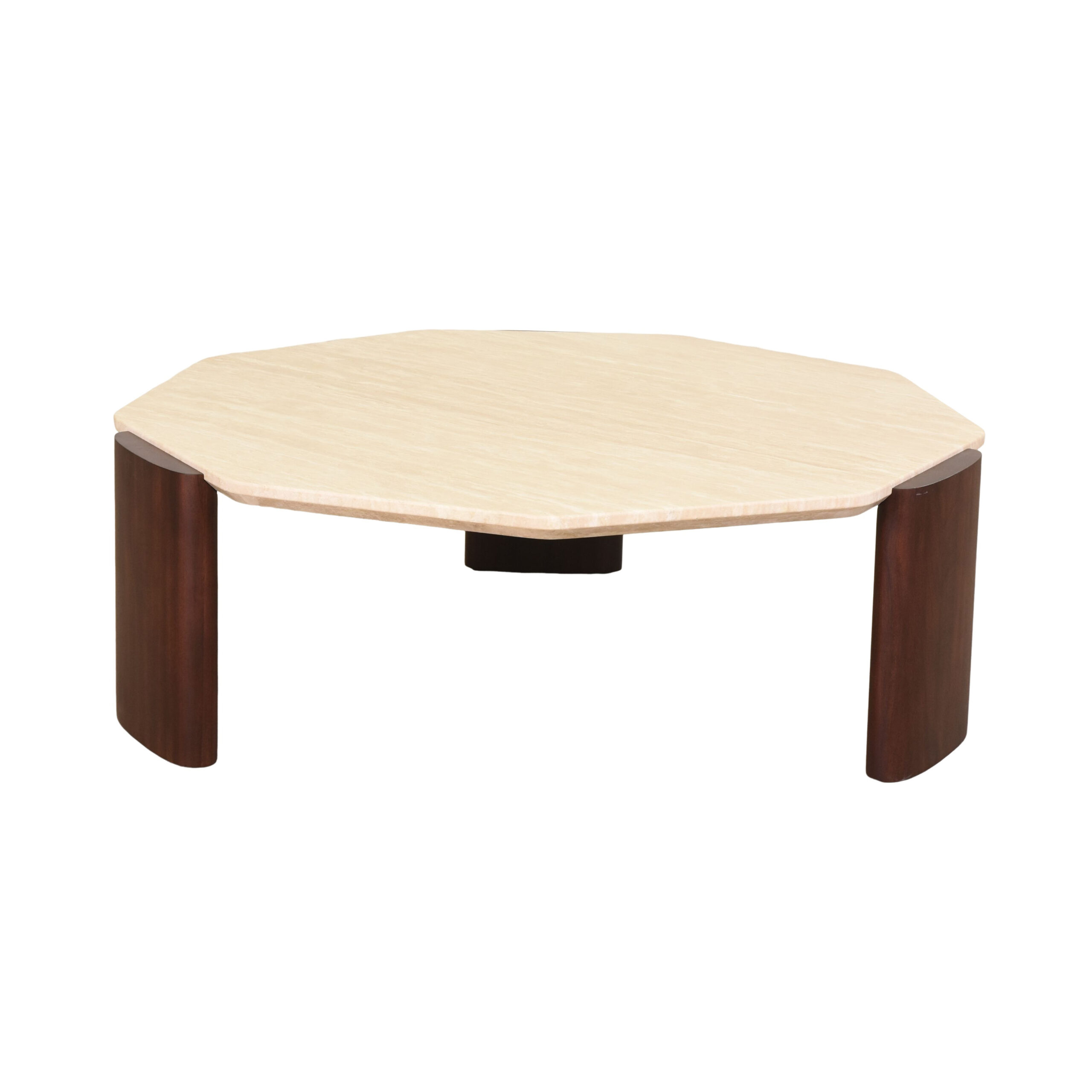
 01
01Round Coffee Table
Marble-look top and black metal frame for contemporary lounges.

Dining, Work & Occasional Tables
Dining tables, desks, consoles, coffee tables and work surfaces developed around space planning, service requirements and material coordination.
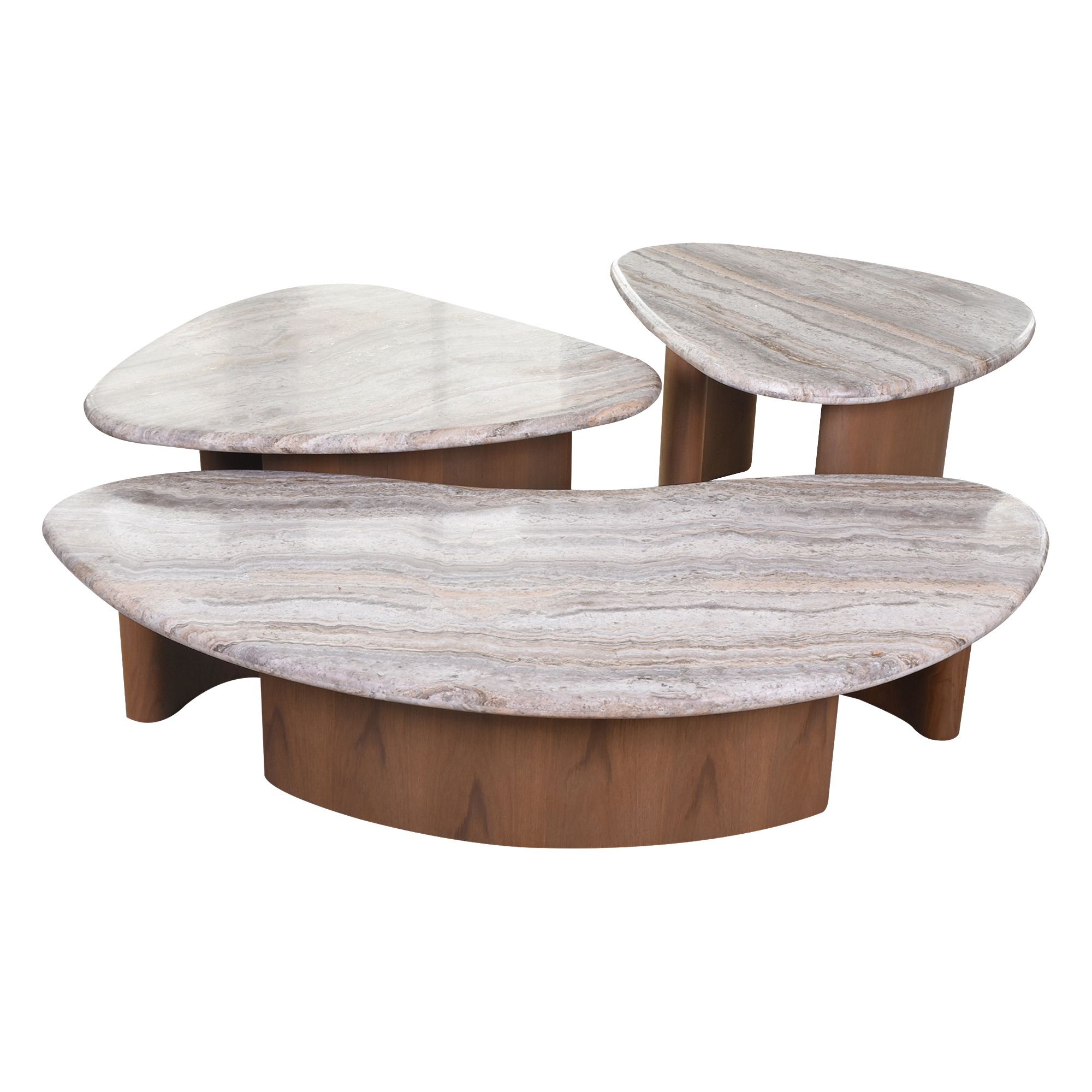
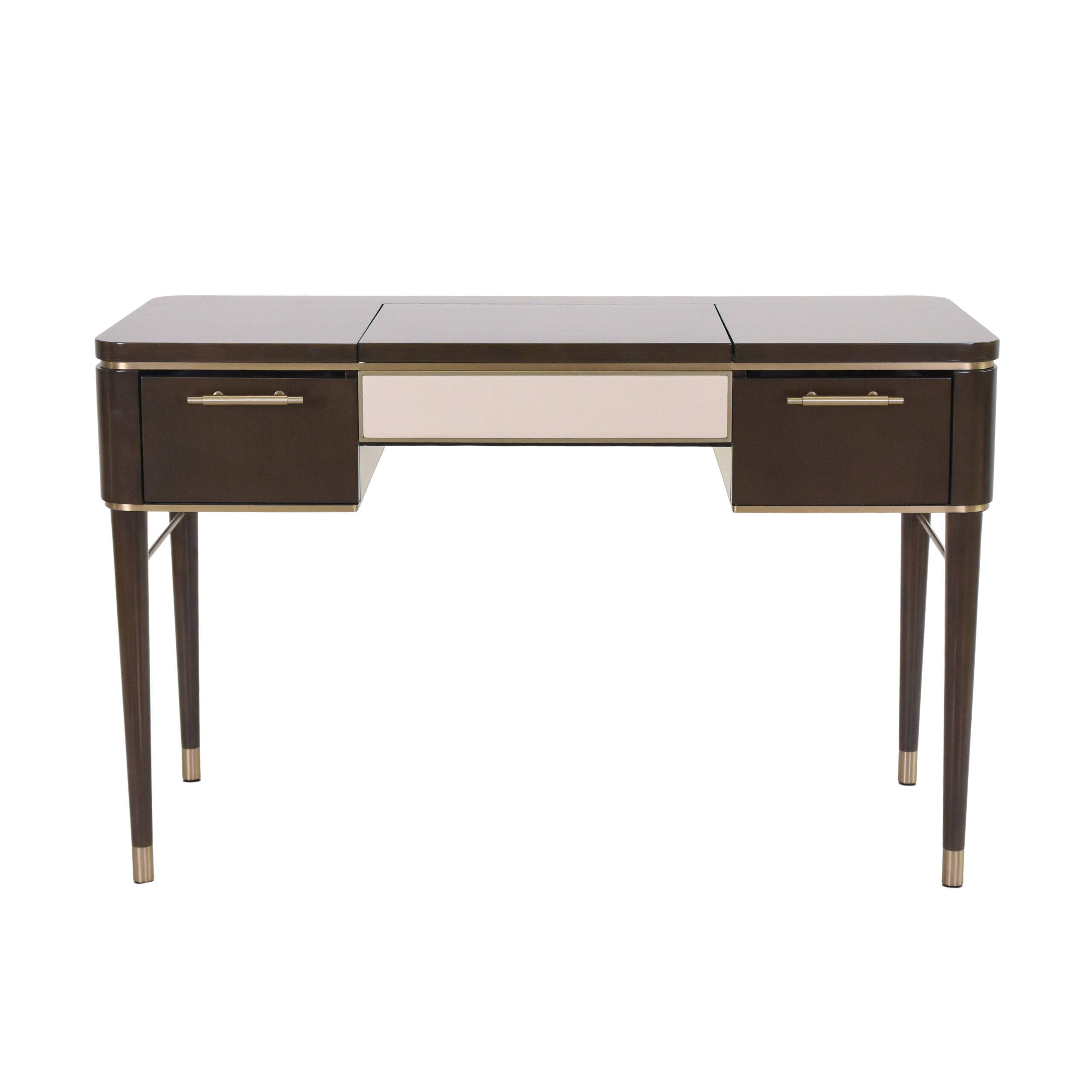
Selected Collection
Representative products only. Dimensions, materials and finishes are developed to the project brief.
01Marble-look top and black metal frame for contemporary lounges.
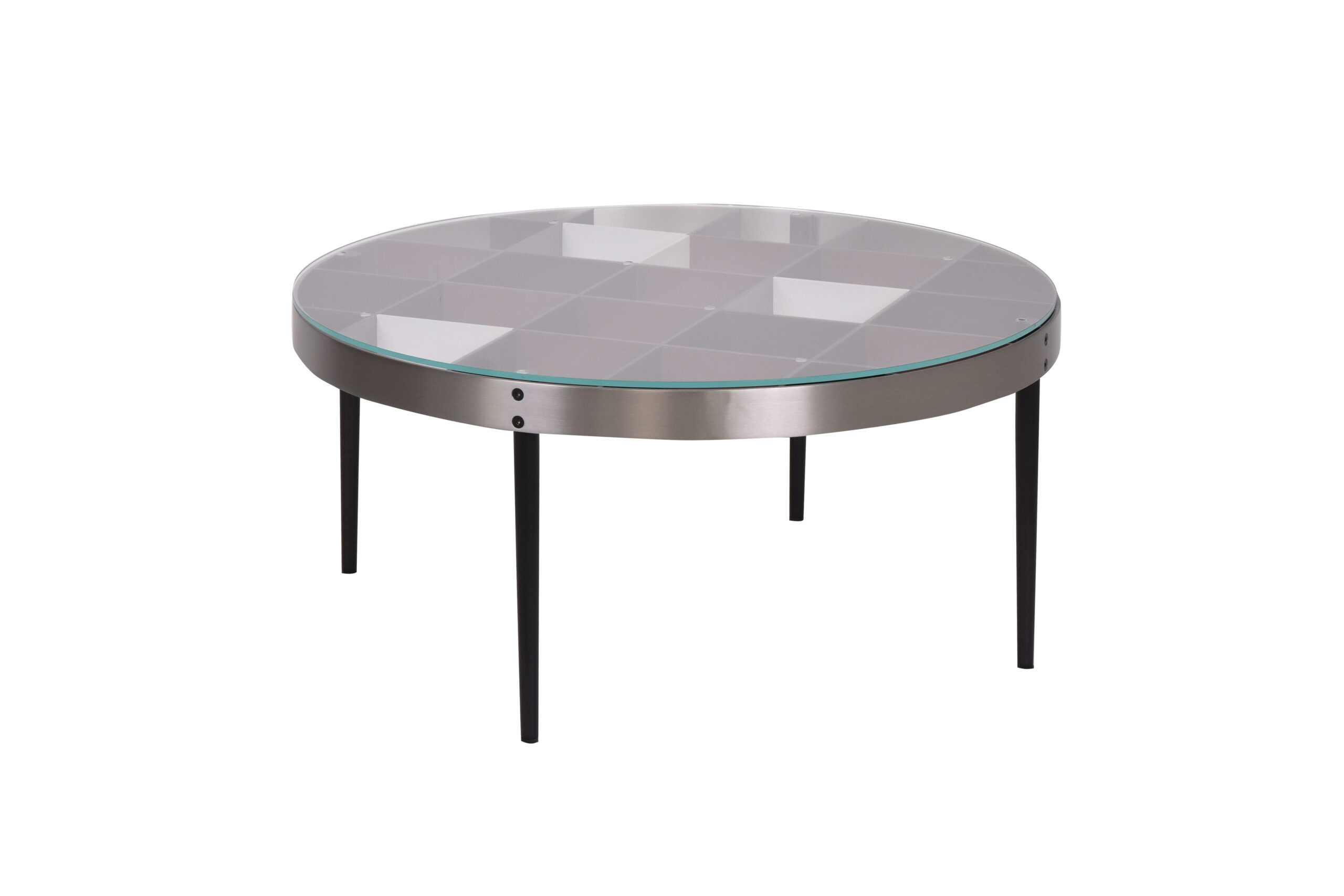 02
02A refined occasional table combining glass and timber.
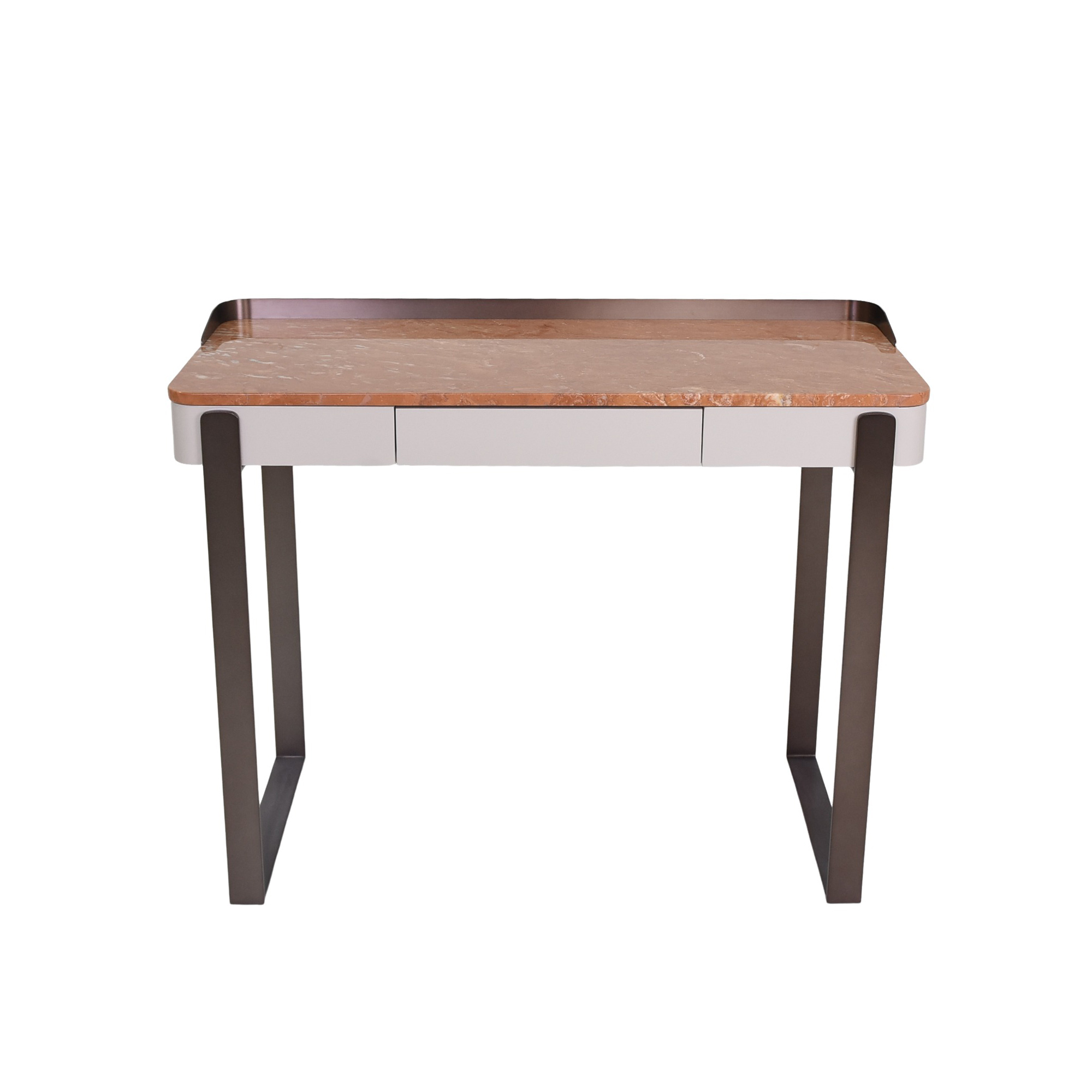 03
03A vanity desk designed for luxury hotel suites.
04Integrated storage and a concealed mirror for multifunctional use.
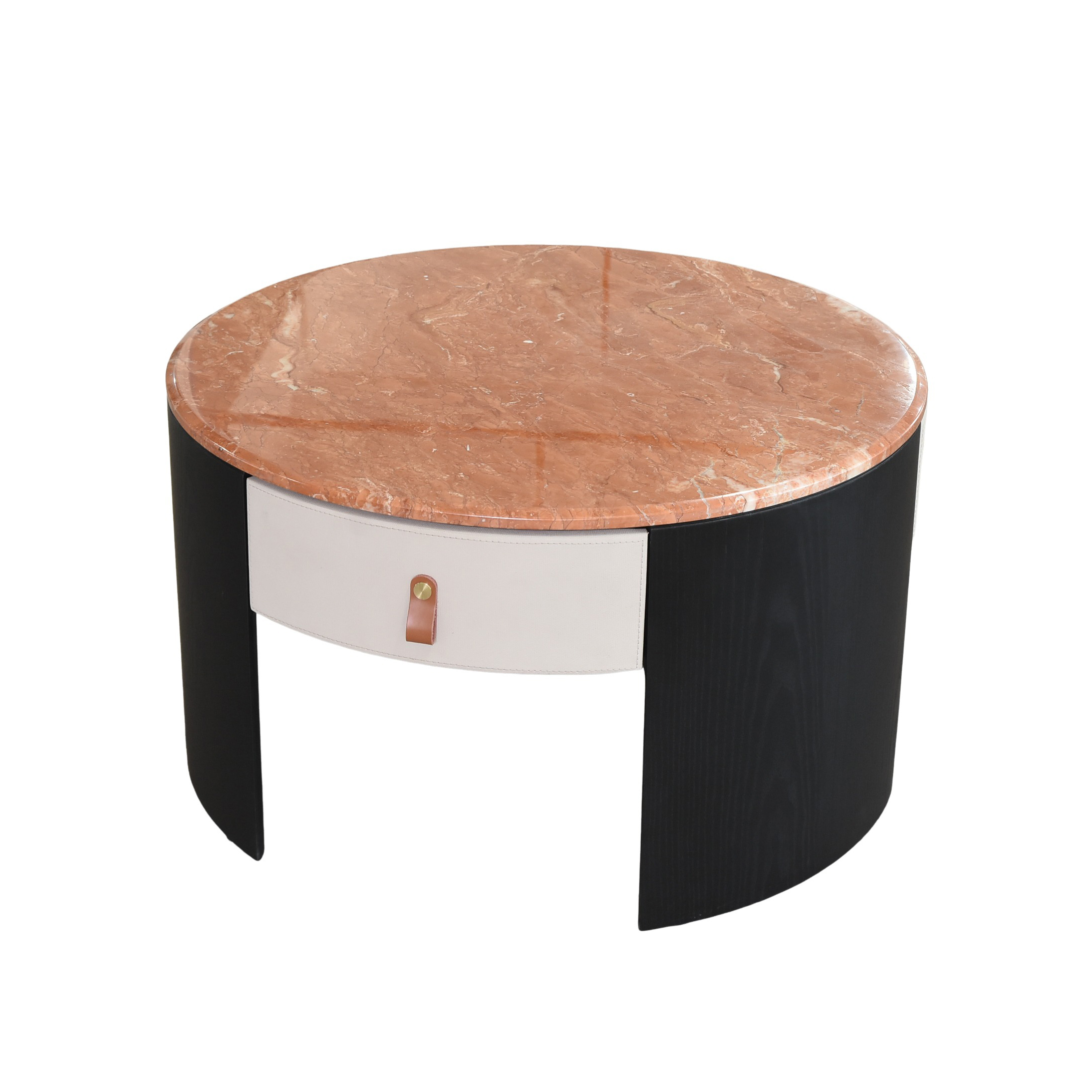 05
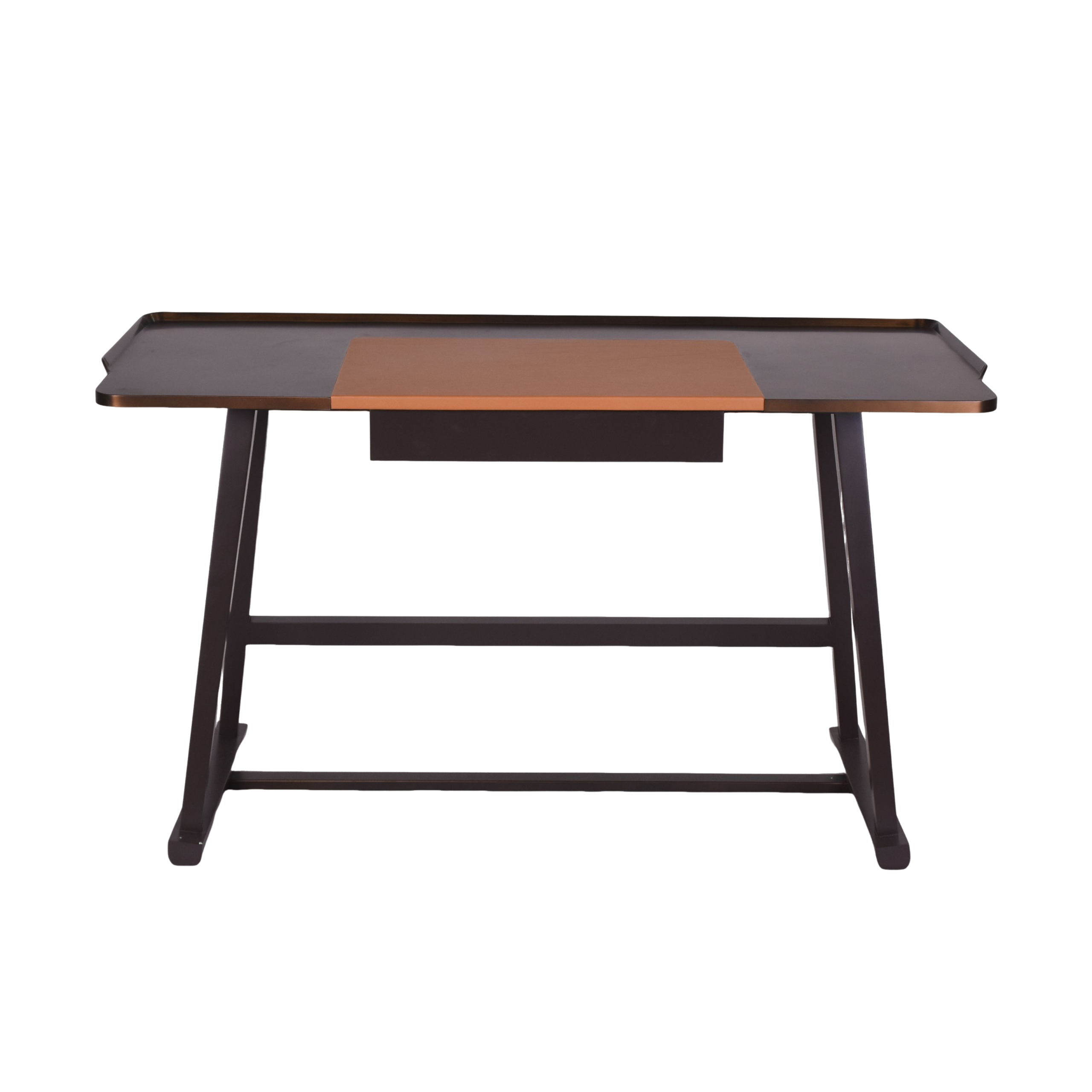
05Clean lines, tactile drawer fronts and a slim metal base.
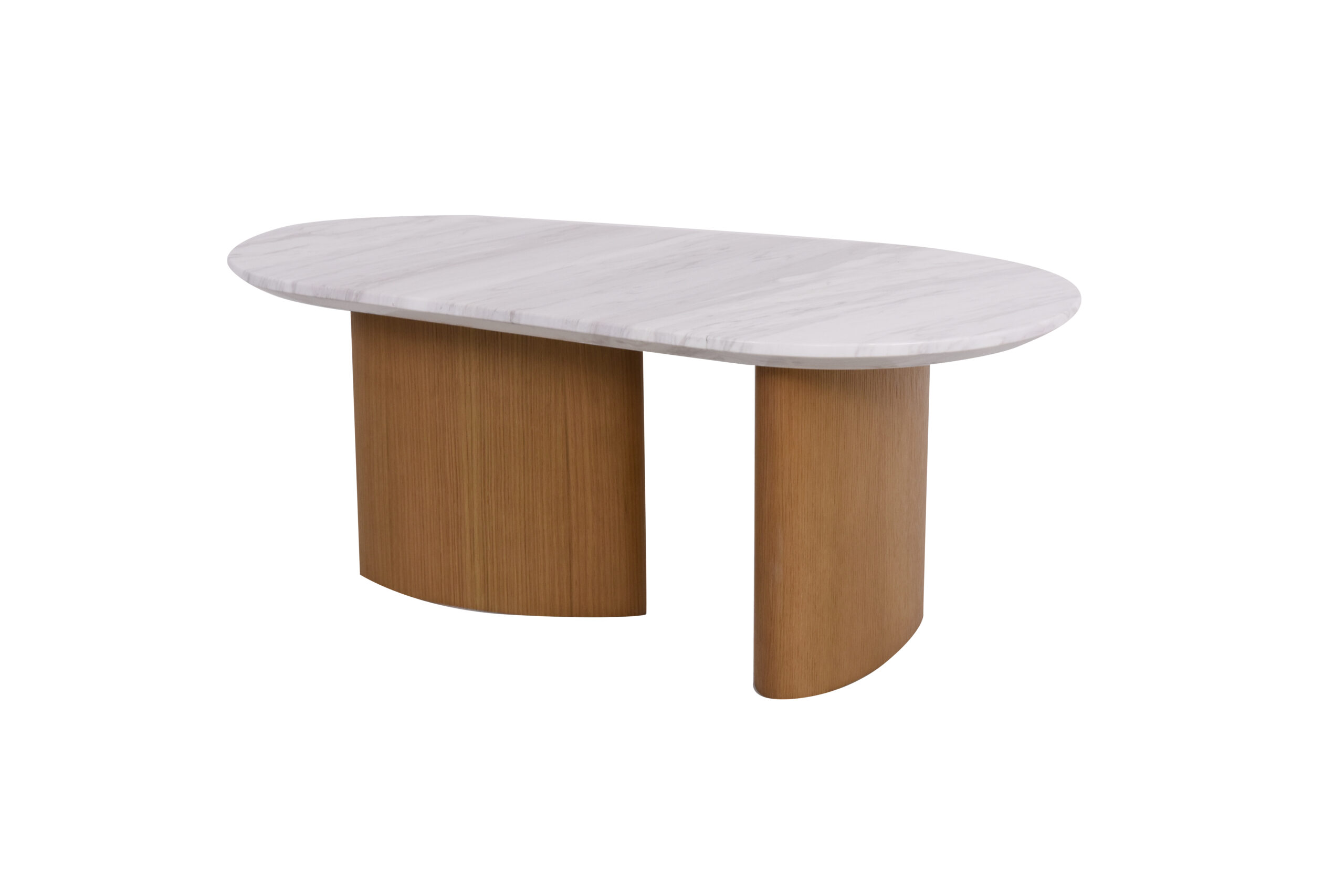 06
06Project-scaled dining surface with coordinated base and finish.
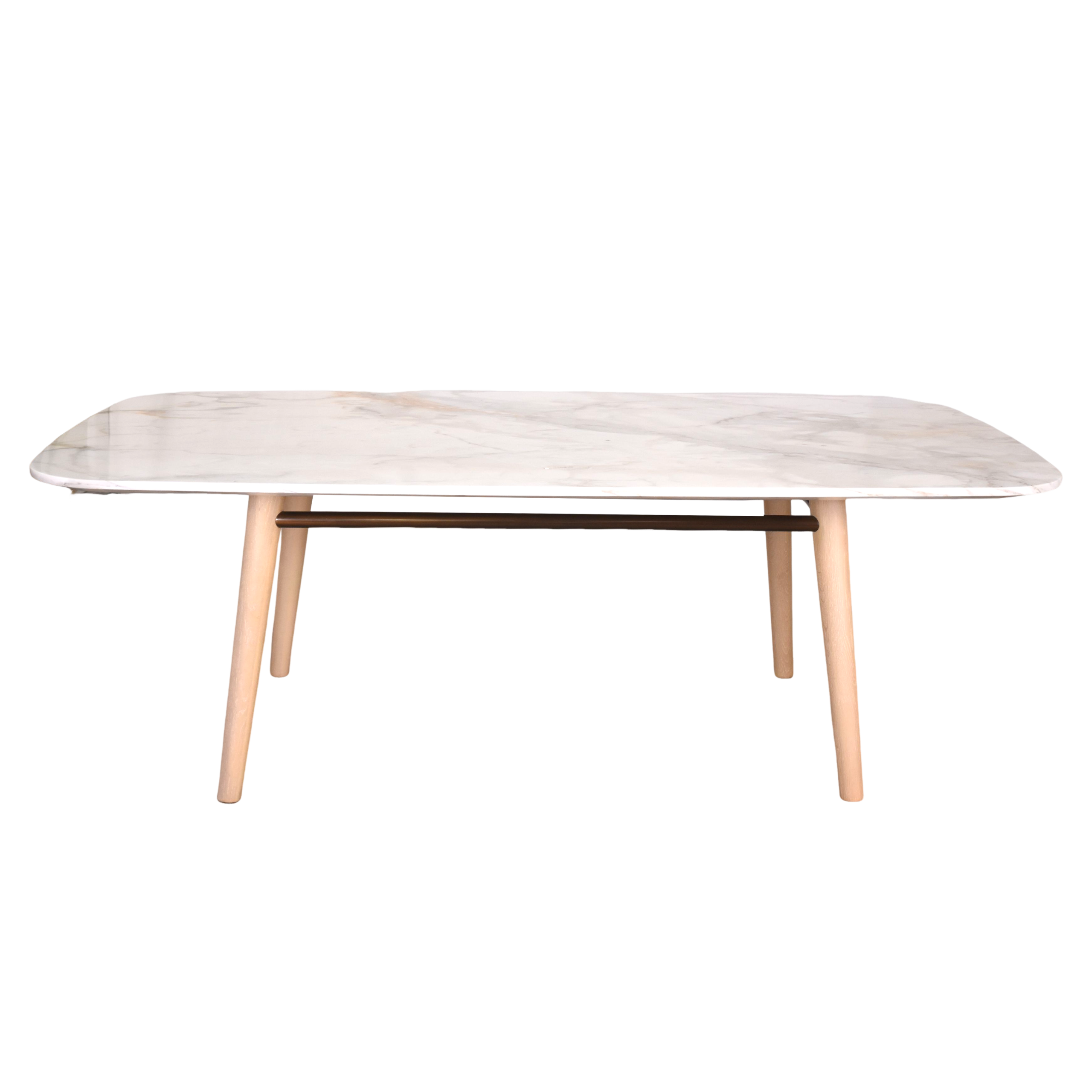 07
07Power, data and cable management integrated into a large-format table.
 08
08A compact workspace designed around technology and storage needs.
Specification Framework
Dining, coffee, side, console, desk, vanity and meeting formats.
Wood, veneer, stone, glass, laminate and protective coatings.
Power, USB, cable access, drawers, mirrors and concealed storage.
Base engineering, load control and project-specific dimensions.
 From drawing to installed environment
Custom Manufacturing
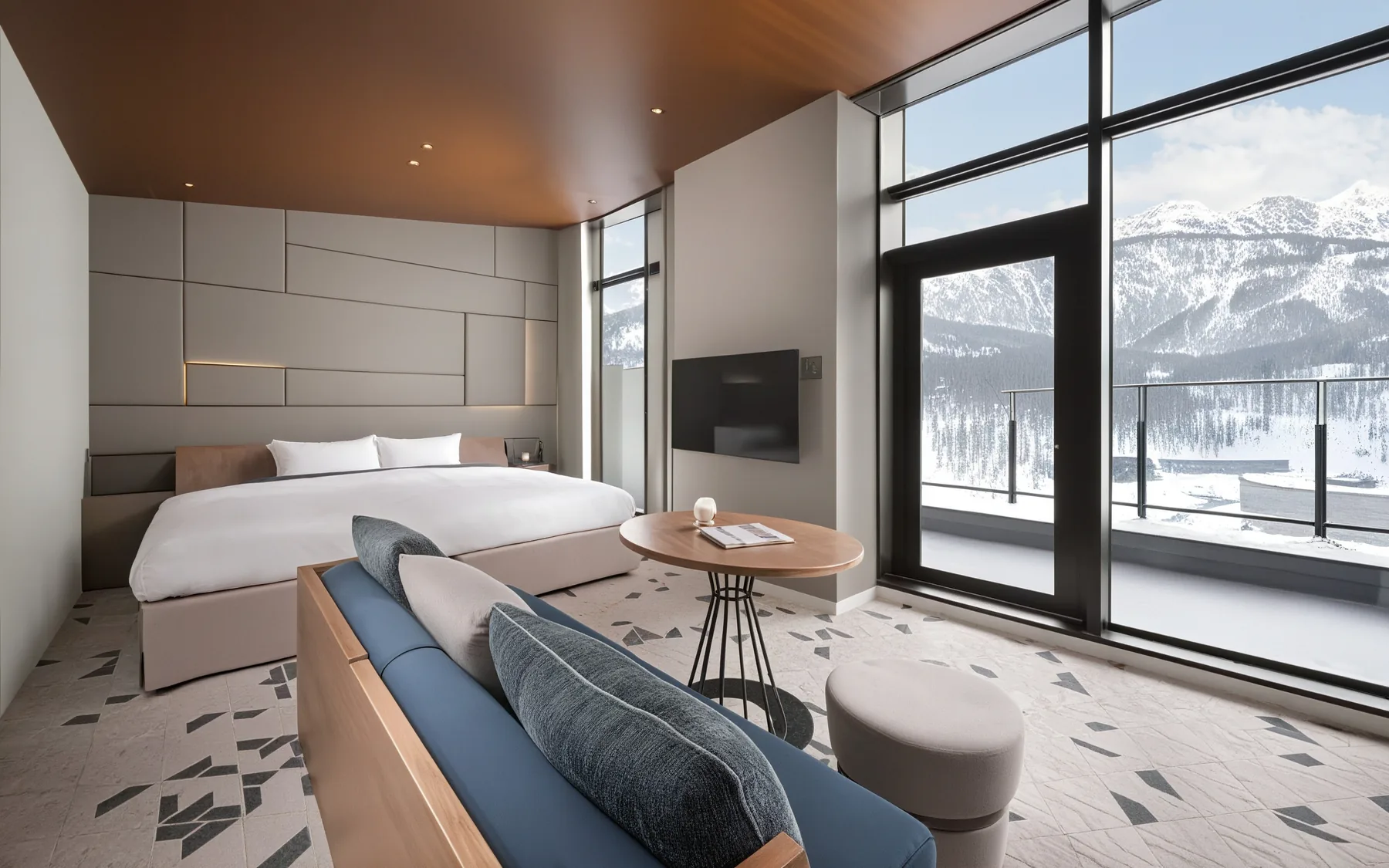
Gainwell develops hotel desks, dining tables, occasional tables and multifunctional work surfaces for guestrooms and public areas. Designs can integrate mirrors, drawers, power access and cable management.
Materials and finishes are coordinated with the wider furniture package, while structural reviews and prototype approval support stable long-term commercial use.
Start a Product Discussion
Share the room layouts, intended functions, materials and dimensions. We will review the structural and functional requirements.