
A single price per seat does not tell you the cost of restaurant furniture. It does not define which chairs, tables, banquettes or service cabinets are included, whether the figures use approved specifications, or where freight, tax, installation and site responsibilities begin. It creates precision before the scope is ready.
Build the budget in this order: freeze the quantity basis, separate item families, normalize unit rates, add defined fixed costs, reconcile commercial boundaries and then assign risk only to unresolved inputs. The result is a working cost model that can be updated without losing the reason behind each movement.
Build the quantity basis from the approved layout
Start with a dated furniture schedule tied to the current layout. Divide it by zone: main dining, bar or counter, private dining, lounge or waiting, terrace and service-support areas. Give every item a code, description, quantity, drawing or dimension reference, material direction, approval state and required delivery phase.
The quantity basis should expose assumptions. If the layout shows 80 dining positions but chair quantities include spares, record the operating quantity and the spare quantity separately. If table combinations can change, show the actual mix of two-tops, four-tops and larger tables rather than multiplying one average table cost by the seat count.
Use the restaurant furniture layout guide for circulation and furniture-envelope decisions. The cost plan should consume an approved layout revision; it should not quietly change aisle, seat or table assumptions to make the total fit.
Separate loose, fixed and service furniture
Loose furniture is usually counted by item: chairs, stools, tables and movable lounge pieces. Fixed furniture is often measured by length, area, assembly or drawing-defined package: banquettes, host stations, partitions and wall-connected millwork. Service furniture may combine equipment interfaces, storage, worktops and fixed construction. These bases are not interchangeable.
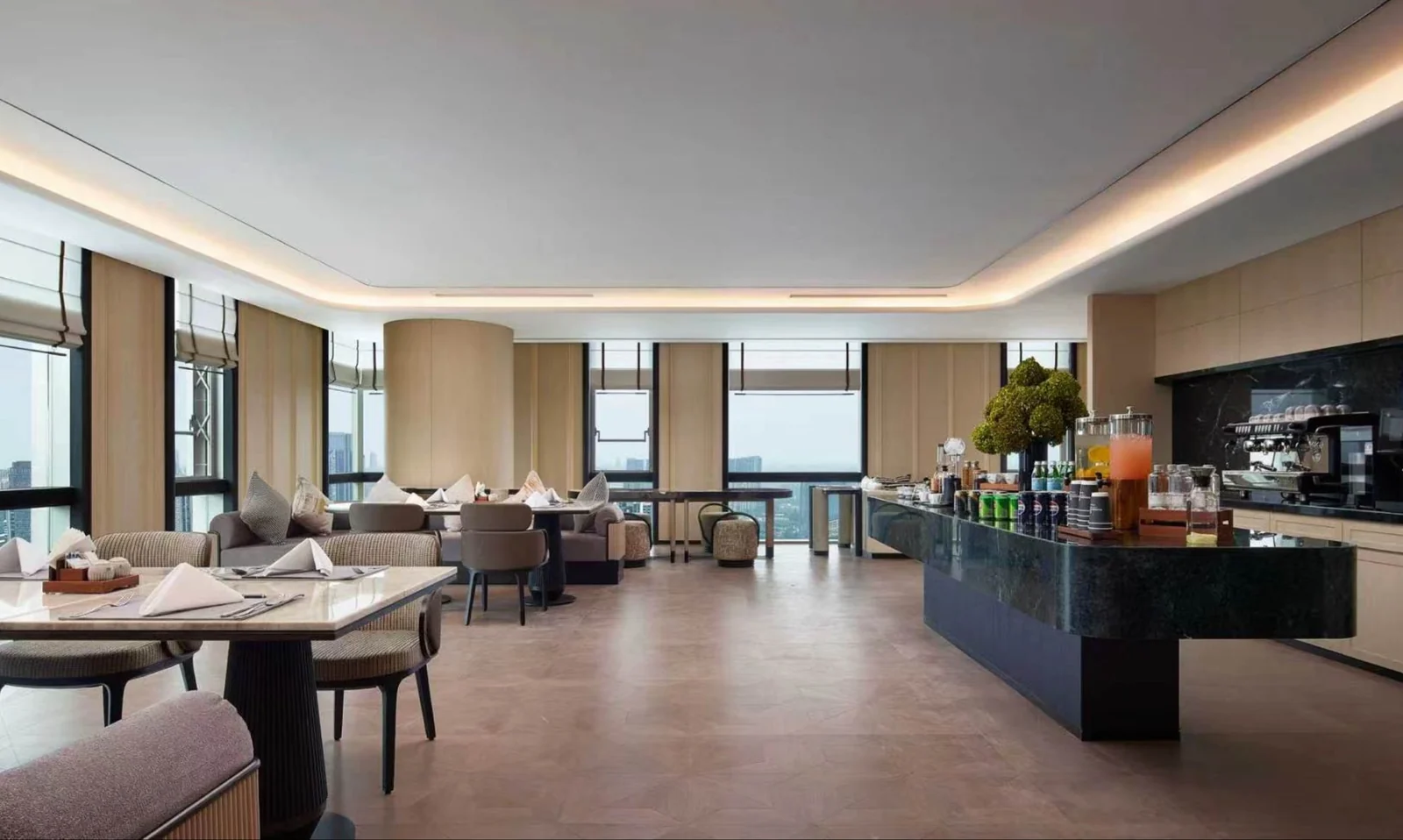
Create a scope boundary for each line. State who measures the site, who develops shop drawings, who supplies substrates and finished surfaces, who coordinates equipment openings and who installs or connects the item. A low banquette allowance is not comparable with a fully developed, delivered and installed banquette package.
Use a restaurant furniture cost stack
A practical restaurant furniture cost breakdown separates the visible item price from the work needed to approve, protect and deliver it. Keep the following lanes visible instead of hiding them in one blended rate.
| Cost lane | Typical content | Control question |
|---|---|---|
| Base furniture | Approved chair, table, stool, banquette or cabinet scope | Which drawing, size, material and finish revision is priced? |
| Development and approval | Technical drawings, finish samples, prototypes or mock-ups | Is the work included, reusable or charged by round? |
| Quality and release | Agreed inspections, records and corrective actions | Which evidence and acceptance criteria apply? |
| Packaging and logistics | Protection, export packing, freight, delivery and handling | Where does supplier responsibility end? |
| Site and installation | Access, assembly, fixing, protection and interface work | Which party owns the site condition and final connection? |
| Spares and closeout | Approved spare items, labels, references and handover records | Are quantities and storage responsibilities defined? |
| Taxes and duties | Destination-specific tax or duty treatment | Is it included, excluded or awaiting confirmation? |
Gainwell’s current Restaurants & Clubs solution asks for the furniture list, drawings, quantities, performance requirements, finish references, responsibility matrix, destination market and approval dates. Those inputs are also the minimum basis for deciding which lanes can be priced and which must remain open.
Give every lane an estimate state as well as an amount. Mark it as quoted, calculated, allowed, excluded or unresolved, and keep the evidence date beside it. A freight allowance from an early concept budget should not look equivalent to a current route-specific quotation. A tax line awaiting destination advice should not be rolled invisibly into furniture. This simple classification prevents a polished total from hiding different levels of certainty.
Also separate recurring item cost from one-time or limited-use cost. A prototype, special jig, finish-development round or site survey may support more than one item, but it should not be buried in an arbitrary chair rate. State how the fixed cost is allocated, what quantity assumption supports that allocation and whether a later phase would need the work again.
Normalize unit rates before multiplying quantities
A unit rate is useful only when its basis is controlled. Record the item code, revision, quantity tier, dimensions, material and finish references, included hardware, sample status, packaging basis, currency, validity date, delivery term and exclusions. If two offers use different bases, normalize them or keep them visibly non-comparable.

Do not apply a chair rate to every seating type. A main-dining side chair, bar stool, lounge chair and custom armchair have different assemblies and approval routes. Likewise, separate standard loose tables from custom tops, bases, communal tables and wall-connected pieces. The restaurant furniture materials guide helps define the material-system inputs that the pricing basis must carry.
When quantity tiers differ, preserve both the offered tier and the working quantity. A rate based on a large production run may not survive a reduced phase, spare order or replacement batch. Conversely, do not assume a higher early rate will remain unchanged after details are approved. Treat every rate as a dated commercial input with conditions, not as a permanent product fact.
Reconcile three views of the same budget
One total is difficult to audit. Reconcile the budget through three views:
- By zone: main dining, bar, private dining, terrace and service areas. This tests whether every operating area is funded.
- By item family: chairs, stools, tables, banquettes, host stations and service cabinets. This tests quantity and unit-rate consistency.
- By commercial boundary: base furniture, development, packaging, freight, site work, tax and risk. This tests what the quoted total actually includes.
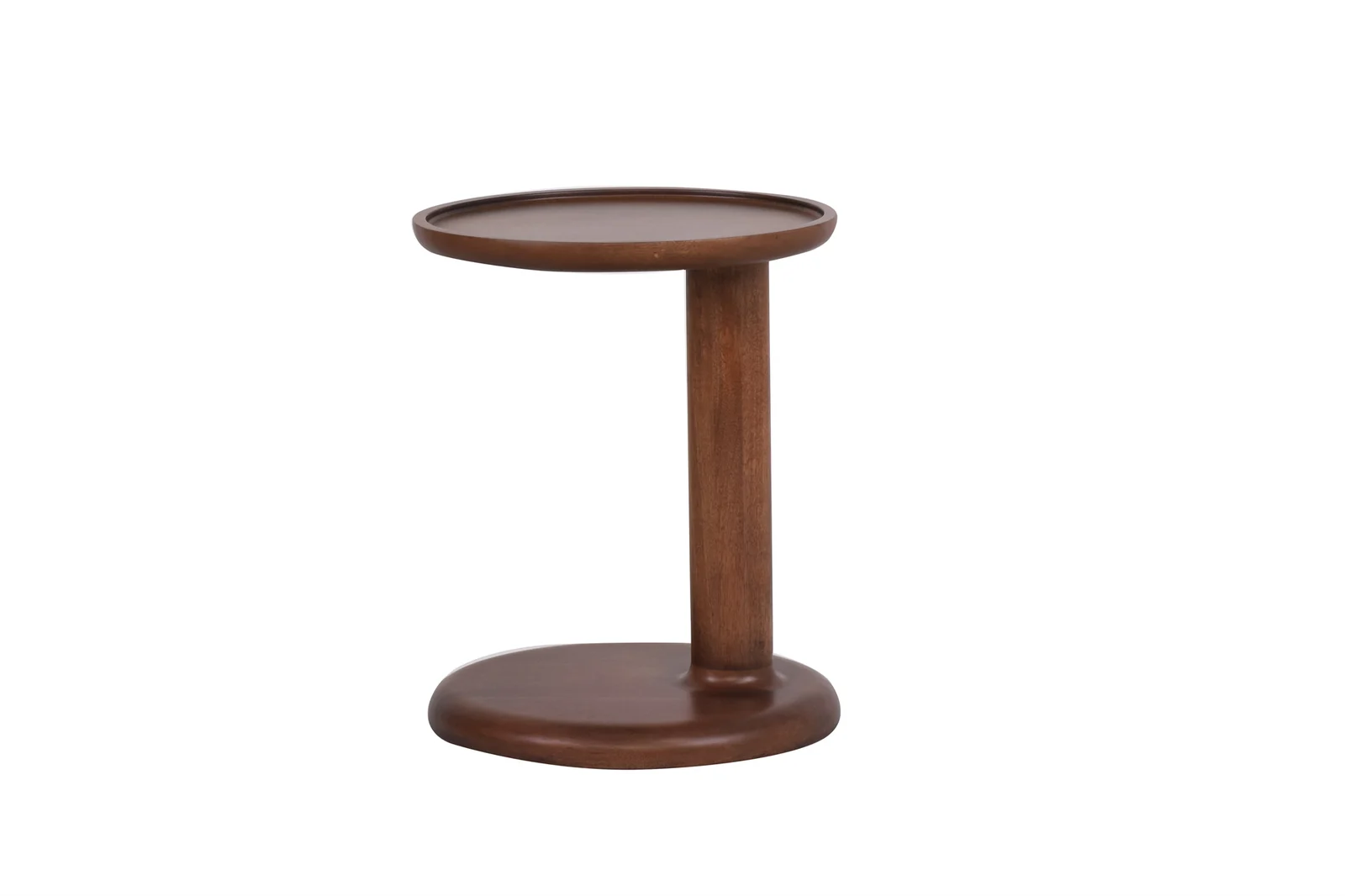
The three views must return the same baseline. If the zone total is higher than the item-family total, a fixed element or spare quantity may have been omitted. If the commercial-boundary view is higher, freight, development or installation may be present in one sheet but absent from another. Reconciliation turns the budget into a control document rather than a presentation total.
Keep three columns when the project is moving: approved baseline, current working forecast and pending change. The baseline records the last authorized basis. The forecast incorporates accepted information. The pending column shows decisions that could still move the total. This prevents an unapproved design change from quietly becoming part of the approved budget while still making its potential effect visible.
Test the method with indexed budget units
A worked example can test the arithmetic without pretending to publish current market prices. Suppose one illustrative main-dining zone contains 80 side chairs at an indexed rate of 1.00, 20 tables at 1.60 and 12 bar stools at 1.20. The loose-furniture baseline is 80 + 32 + 14.4 = 126.4 budget units. A fixed banquette package should be measured and added separately, together with any defined development, packaging, logistics, tax and site lanes.
The figures above are hypothetical budget units, not currency, quotations or Gainwell prices. Their purpose is to show the calculation:
Baseline = sum of quantity × normalized unit rate + defined fixed costs.
Working budget = baseline + confirmed logistics, tax and site costs + risk assigned to named unresolved inputs.
Keep quantity, rate and fixed-cost movements separate. A revised chair quantity is not a price increase; a finish change is not a quantity movement. That distinction makes later approvals more defensible.
Add risk only to unresolved inputs
Do not add an unexplained percentage and call the budget safe. Create an unresolved-input register. For each item, state the uncertainty, probable cost path, owner, evidence needed, decision date and what happens if it remains open. Examples include an unapproved upholstery reference, incomplete banquette dimensions, an unconfirmed delivery boundary or a destination tax treatment awaiting advice.
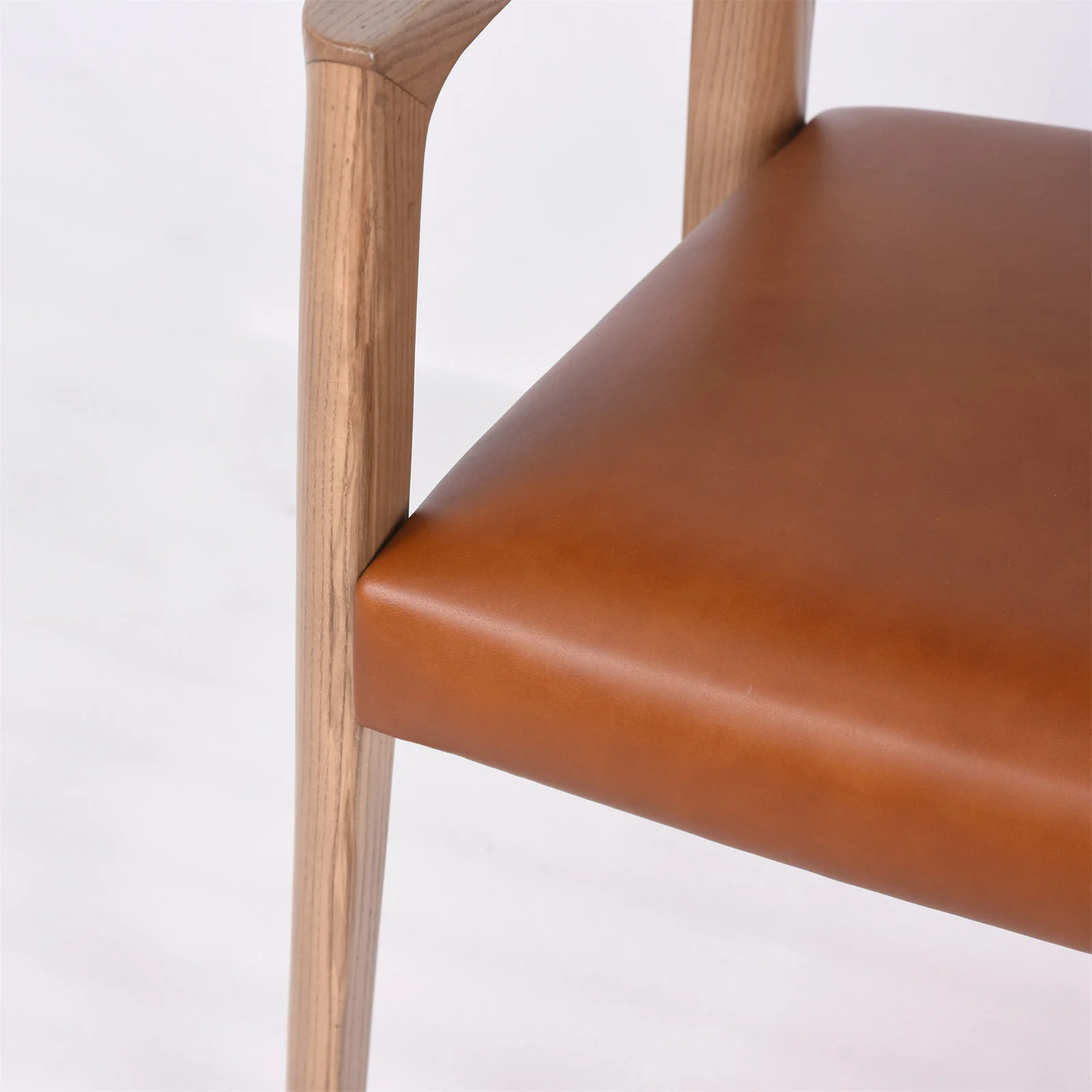
Apply risk to the affected line or lane and remove it when the uncertainty closes. Keep confirmed costs, allowances and risk separate. For broader project-level rules on estimate states, movement and exposure, use the FF&E budget planning guide; this restaurant method remains focused on furniture scope and pricing inputs.
Control every change with a budget impact log
Record the old and new quantity, specification or boundary; the reason; the drawing or instruction; the cost effect; the programme effect; the approver; and the effective date. Classify each movement as quantity, specification, rate, logistics, tax, site condition or correction. Never overwrite the prior basis without a trace.
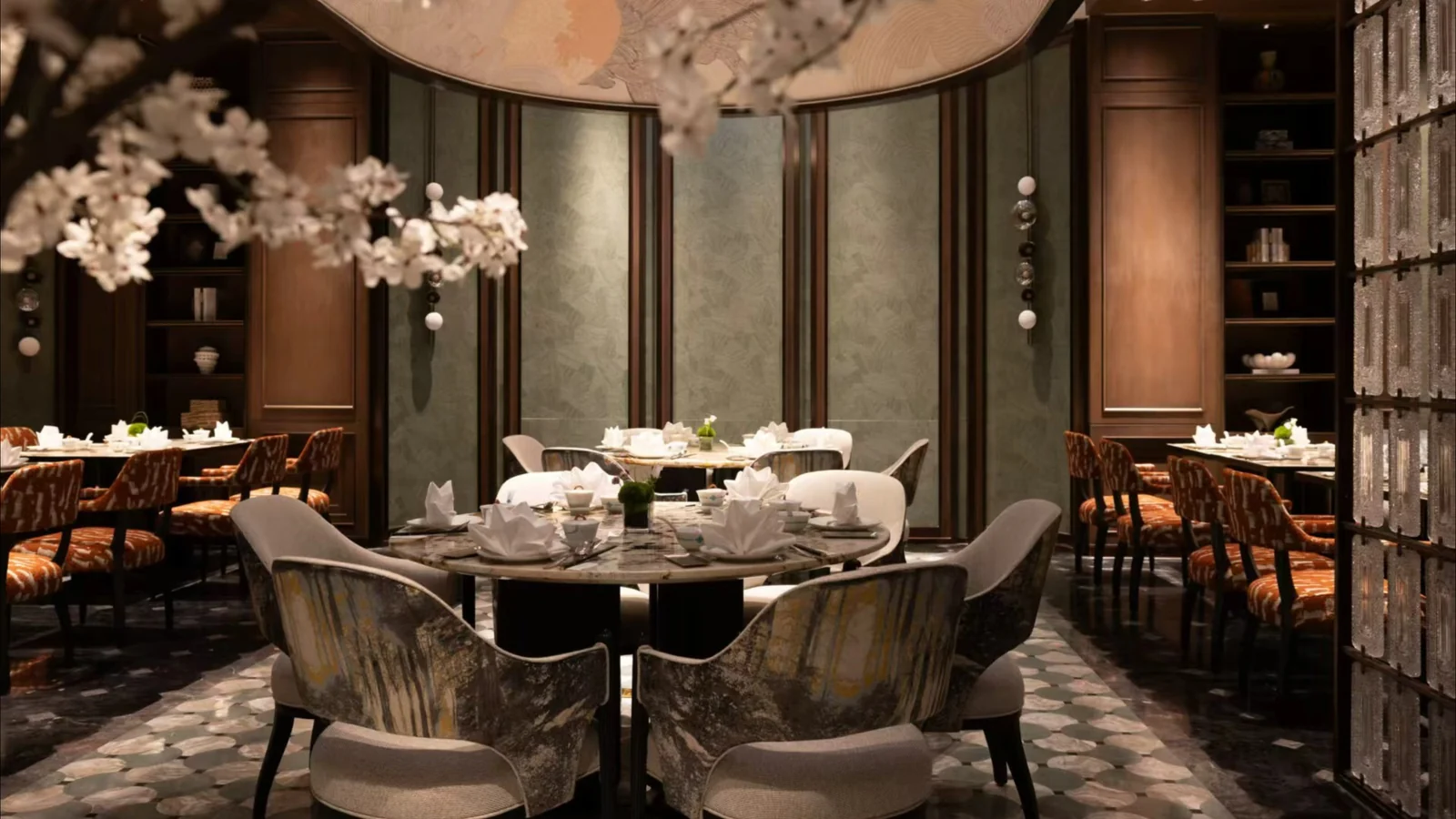
Before approving an updated total, confirm that the quantity schedule, rate register, fixed-cost schedule, commercial boundary and unresolved-input register use the same revision date. Then issue a short bridge from the previous total to the new one. This preserves the decision history when design, sourcing or delivery conditions change.
To request a project-specific review, send the current layout, furniture schedule, quantities, drawings, material direction, destination, responsibility matrix, approval dates and delivery phases through the Gainwell project enquiry. Current prices, capacity, production source, tests, samples, warranty, programme, taxes and delivery responsibilities must be confirmed against the live scope.
Frequently Asked Questions
How much does it cost to furnish a restaurant?
There is no reliable universal total. Cost depends on the quantity and mix of loose and fixed items, specification, customization, approval work, packaging, logistics, destination charges, site scope and timing. Build the amount from a dated schedule and normalized rates, then state every inclusion and exclusion.
What affects restaurant furniture cost?
The main drivers are item type, dimensions, material and finish references, construction complexity, quantity tier, samples, fixed-work interfaces, packaging, delivery boundary, installation scope, spares and unresolved project conditions. Record each driver against the affected item or cost lane.
Is price per seat useful for restaurant furniture budgeting?
It can be an early sense check, but not the budget basis. Seat counts do not describe table mix, bar stools, lounge furniture, banquettes, host stations, service cabinets or commercial boundaries. Use a zone and item schedule for the working budget.
What should be included in a restaurant furniture quote?
A comparable quote should identify the item and revision, quantity, dimensions, material and finish basis, hardware, development and samples, packaging, delivery term, site or installation work, spares, currency, validity, tax treatment, programme assumptions, exclusions and deviations.
How should restaurant booths and banquettes be budgeted?
Measure them as drawing-defined fixed packages rather than using a loose-chair rate. Define length or assembly basis, site measurement, substrates, upholstery, wall and floor interfaces, access, shop drawings, samples, delivery, fixing, protection and the party responsible for each boundary.
How can restaurant furniture quotes be compared?
Issue one schedule and revision, then normalize quantities, specifications, approval work, packaging, delivery, installation, tax, currency and exclusions. Classify offers as comparable, conditional or non-comparable. Keep missing scope visible instead of converting silence into an assumed inclusion.