

Buying hotel furniture from China is not one supplier decision. It is a chain of technical, commercial, export, import and site handovers. A competitive quotation can still become an opening risk when the drawing revision, production location, packing code, importer responsibility or destination acceptance rule changes between those handovers.
Control the route with one China sourcing file and four named handovers: design to factory, factory to export, export to import and import to site. At each handover, assign an owner, required evidence, acceptance rule and stop condition. Release only what the next party can identify and accept.

Decide whether the package is controllable
Start with the project, not the country. A China-sourced package is easier to control when the design has repeatable room or area types, the buyer can freeze revisions, prototype decisions are scheduled, and destination responsibilities are assigned before shipment. It becomes harder when every item is unique, site dimensions remain open, finishes change after approval or no party owns customs and delivery evidence.
Use a route-fit screen with four questions:
- Repetition: Are quantities and room or area families stable enough to support controlled batches?
- Interface density: How many items depend on site dimensions, services, adjacent finishes or local installation?
- Buyer coordination capacity: Who can close drawings, samples, deviations and commercial decisions across time zones?
- Destination readiness: Has the importer identified the product-specific classification, declarations, testing, labeling and entry requirements that may apply?
This is not a country ranking or a promise that one route will be cheaper. It is a control test. If the project cannot name the owners and evidence needed at the four handovers, the sourcing route is not ready for award.
Create one China sourcing control file
The control file is the common reference from brief to site. Give every furniture item an immutable code, then connect that code to the current drawing, approved sample or finish, quantity, intended production location, commercial seller, exporter, importer, destination, packaging code and site acceptance record.
At minimum, each line should contain:
| Field | What it controls | Release question |
|---|---|---|
| Item and room code | Identity across schedule, drawing, carton and site | Can the receiver trace the item without opening every package? |
| Drawing and sample revision | Approved dimensions, construction and finish direction | Does production match the released revision? |
| Production location | The actual facility responsible for the batch | Has a substitution or subcontracted process been disclosed? |
| Seller, exporter and importer | Commercial and border responsibilities | Do named entities agree with the purchase and entry documents? |
| Packaging code | Protection, identification and destination routing | Does the package label map to the schedule and delivery zone? |
| Compliance evidence | Product- and destination-specific records | Has the responsible importer accepted the evidence before shipment? |
| Site acceptance | Quantity, condition, identity and exception record | Can the receiving team close or quarantine the delivery? |
The file is not a replacement for drawings, contracts or customs records. It is the index that keeps those records attached to the same item and revision. Gainwell’s current product scope asks for drawings, quantities by room or area, materials and finishes, required tests, destination market, approval route and programme. Those inputs can populate the first controlled release.
Handover 1: turn the design into a factory release
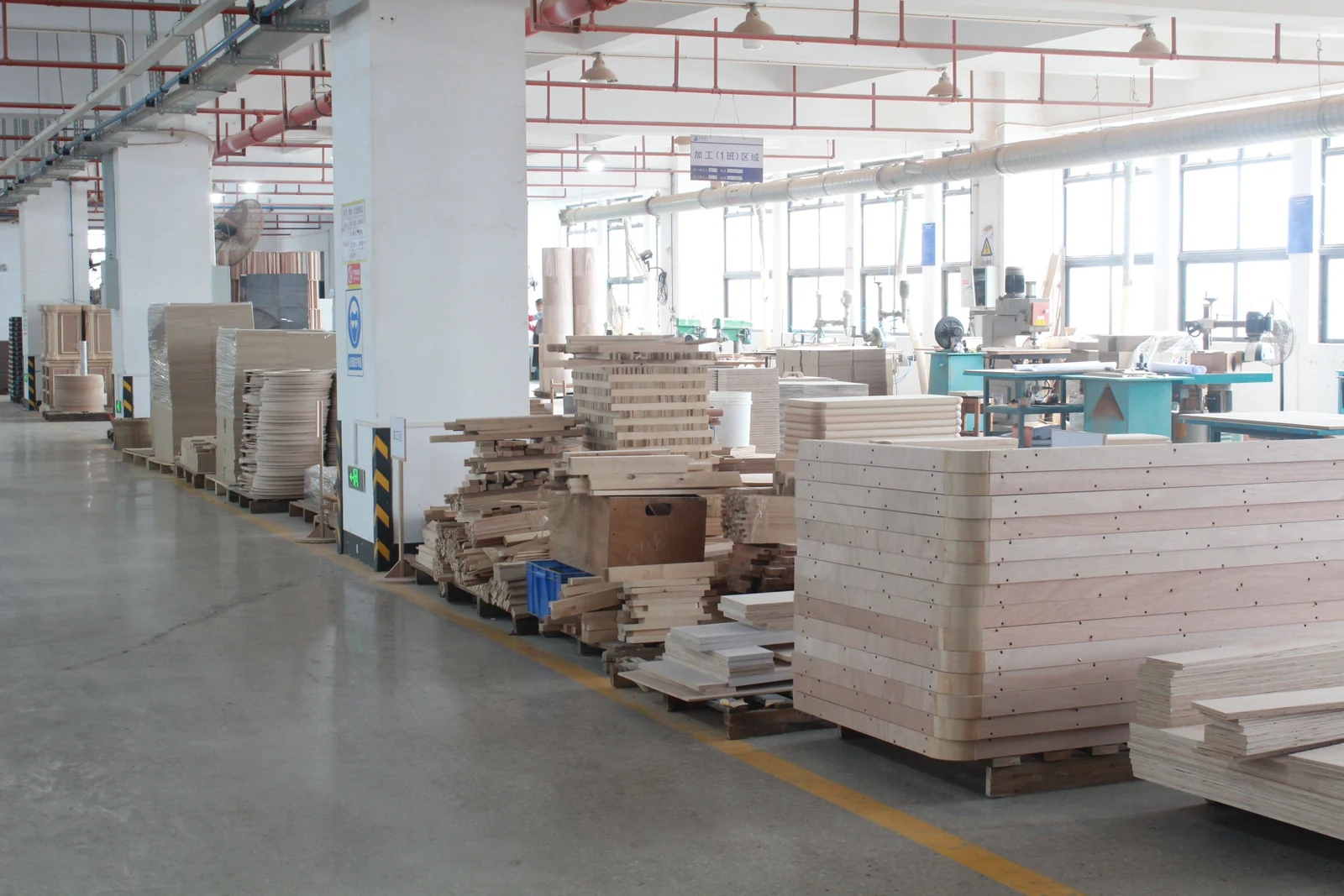
Issue a source-ready brief rather than a mood-board package. For each item, provide the schedule code, quantity, drawing, dimensions, interface information, finish direction, performance requirement, approval route, packaging destination and required date. Mark every input as released, conditional or open.
Then build a deviation register. The factory should not solve a missing dimension or unavailable component silently. A proposed change needs the affected item, reason, technical effect, visual effect, cost or programme effect, supporting sample or drawing, decision owner and approved date. Only the approved revision returns to the control file.
A prototype or mock-up is a decision gate, not a showroom event. Record what it represents and what it does not: appearance, dimensions, interfaces, construction, finish range, hardware, upholstery or packaging. Photograph the accepted details, issue comments by item code and close them before releasing the production batch.
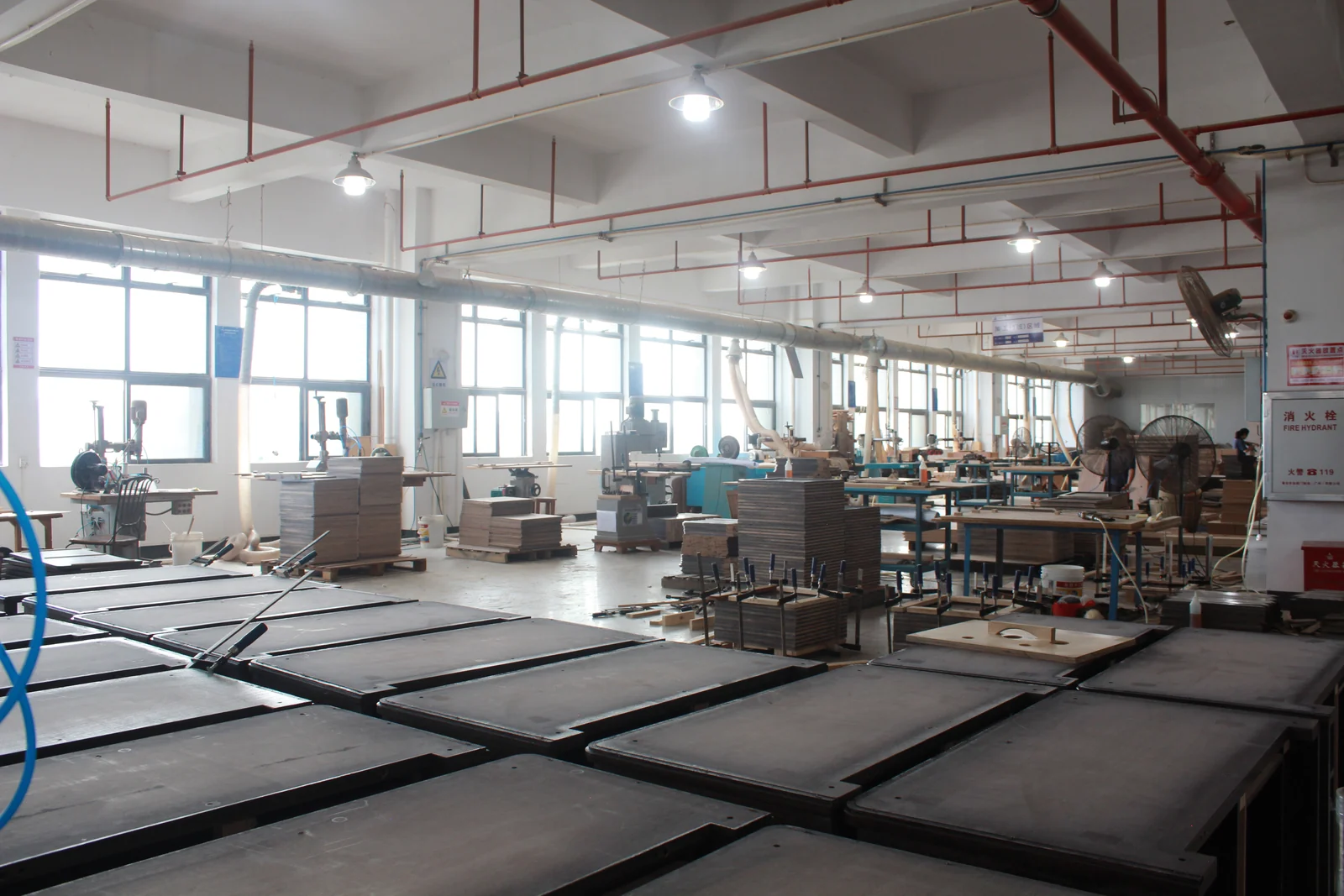
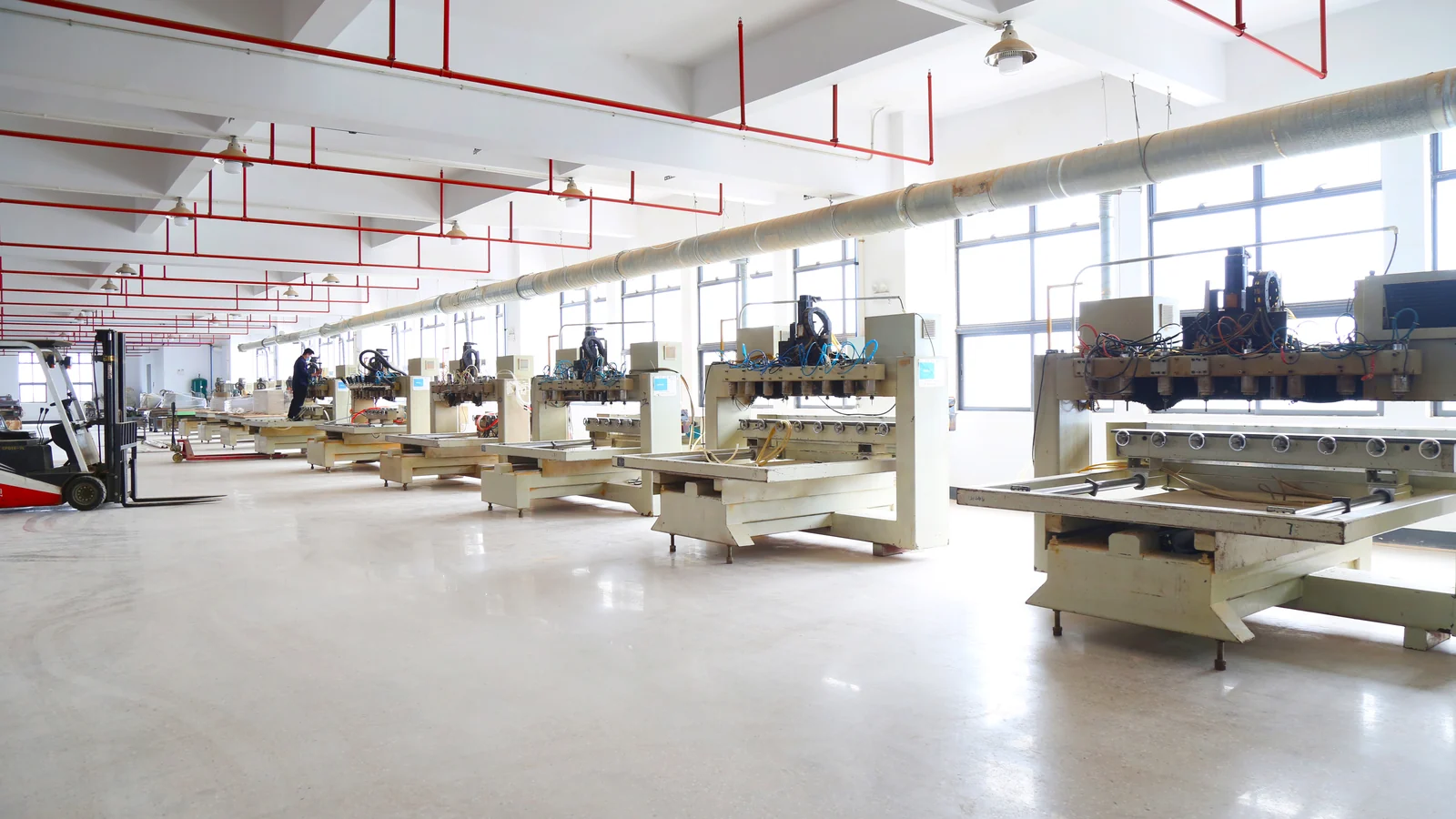
Gainwell’s current capabilities page describes technical development, mock-ups, manufacturing, quality control, international logistics and site support. It also keeps the exact contracting entity, production location, tests, certificates, warranty and delivery responsibilities project-specific. Confirm those facts for the live scope before treating the factory release as complete.
Handover 2: release the batch from factory to export
A passed final look is not enough. Build a shipment release pack that lets the exporter, importer and receiver identify what has actually been approved. It should include the controlled packing list, item and carton codes, production and inspection references, approved deviation list, package photographs, dimensions and weights, document set, destination routing and exceptions that remain open.
Use inspection points that match the product and risk. These may cover dimensions, visible finish consistency, hardware and moving parts, assembly, item-code marking, packaging protection and carton identification. The acceptance criteria, sample size, inspector, date and disposition should be recorded before the goods move into the export handover.

Set explicit stop conditions. Do not release a batch when the packing list does not reconcile to the control file, a material or finish deviation lacks approval, carton labels cannot be traced to room codes, required import evidence is still under review or the destination party has not accepted a known exception.
Handover 3: make the import decision before departure
The importer of record and qualified customs or compliance advisers must determine the rules for the actual product, origin, materials, destination and entry date. Furniture names used by designers are not customs classifications, and similar-looking items can have different obligations.
For U.S. entries, U.S. Customs and Border Protection explains that importers must use reasonable care in declaring matters such as value, classification and applicable duty treatment. The U.S. Environmental Protection Agency states that regulated composite wood products and finished goods can fall under TSCA Title VI requirements, including import certification. The U.S. Department of Agriculture’s APHIS also explains that certain plant and wood products may require a Lacey Act declaration. These are examples of product-specific controls, not a statement that every furniture item has the same filing requirement.
Before departure, the responsible importer should therefore confirm the commercial invoice basis, classification, declared value, country of origin, material declarations, labeling, regulated-component evidence, filing route and retention requirements that apply. See the current official guidance from CBP, EPA and APHIS. This article is operational guidance, not legal, tax or customs advice.
Handover 4: connect import release to site acceptance
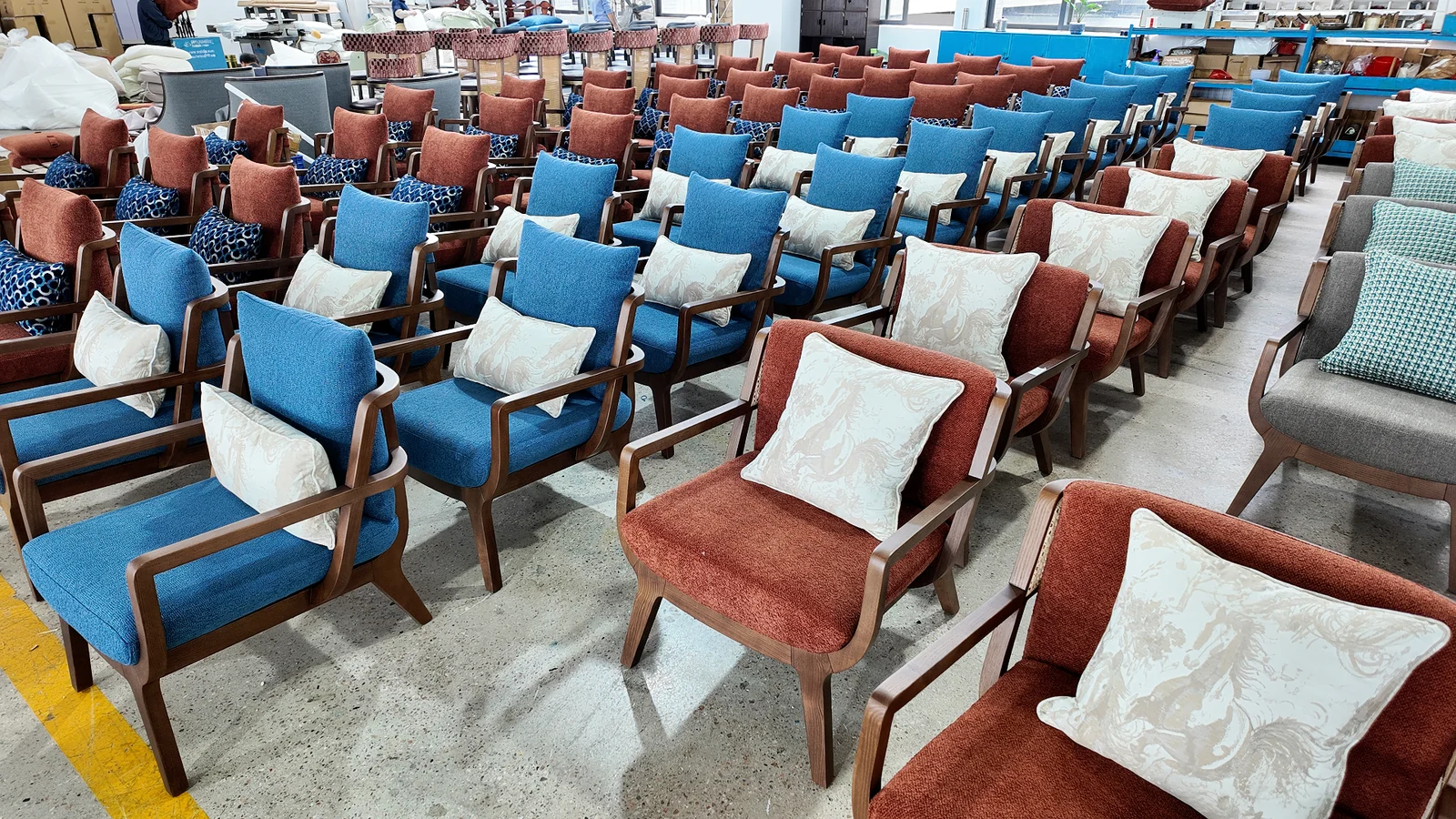
The destination team needs information before the truck arrives. Issue a receiving plan with shipment reference, delivery phase, access rules, unloading owner, room or area routes, temporary storage, package sequencing, condition-check method, quarantine area and exception escalation path.
Receive by item and carton code, not by a generic container total. Record quantity, visible condition, destination zone and discrepancies. Separate transit damage, manufacturing nonconformance, missing quantity, wrong identity and site-caused damage because each follows a different evidence and responsibility path. Keep photographs and packaging evidence with the exception record.
Do not treat site receipt as final acceptance if assembly, fixing, touch-up or room-by-room checks remain. Define the acceptance point for each item family and name the party that closes the record. The hotel furniture logistics guide covers provider and delivery-zone coordination in more detail; the method here is limited to keeping the China sourcing evidence chain intact.
Run one readiness review before committing the opening date
Review the four handovers as one route. For every open item, record the owner, required evidence, latest decision date, downstream effect and stop condition. A useful readiness review asks whether:
- the schedule, drawings, samples and quantities use one revision;
- the actual seller, production location, exporter and importer are confirmed;
- deviations are approved and reflected in the production release;
- inspection and packaging evidence maps to item and batch codes;
- the importer has accepted the product-specific document set before departure; and
- the site can receive, route, inspect and quarantine exceptions by code.
Send the current furniture schedule, drawings, quantities, finish references, performance requirements, destination, required tests, responsibility matrix, approval route and delivery phases through the Gainwell project enquiry for a project-specific review. Current prices, capacity, production location, compliance evidence, programme, warranty and delivery responsibilities must be reconfirmed for the live package.
Frequently Asked Questions
Is sourcing hotel furniture from China right for every project?
No. It is more controllable when quantities and revisions are stable, interfaces are defined, approval time is protected and destination responsibilities are assigned. A highly fragmented package with open site dimensions or no import owner may need a different route or stronger controls.
What should I send a China hotel furniture supplier?
Send a coded furniture schedule, quantities by room or area, current drawings, dimensions, interface information, materials and finish direction, performance and test requirements, destination market, approval route, packaging needs, responsibility matrix and programme. Mark open inputs instead of allowing assumptions.
How should a hotel furniture sample be approved before production?
State what the sample represents, issue comments by item code, record accepted dimensions and visible details, close deviations, photograph the approved reference and connect it to the released drawing revision. Approval should identify limitations rather than imply that every unreviewed feature has passed.
Who is responsible for U.S. import compliance?
The importer of record carries core entry responsibilities and should use qualified customs and compliance advisers for the actual goods. The purchase team must identify the responsible entity early and supply accurate product, value, origin and material information. Requirements vary by product and date.
What documents should be checked before shipment?
Check the controlled packing list, commercial invoice basis, item and carton codes, production and inspection records, approved deviations, package evidence, origin and material information, required declarations or certificates, routing details and importer acceptance. The exact set depends on the product and destination.
How can furniture quality be controlled across a China sourcing programme?
Use one item code and revision through drawings, samples, production, inspection, packaging and site receipt. Name acceptance criteria and stop conditions at each handover, record deviations, preserve batch evidence and quarantine exceptions until the responsible party closes them.