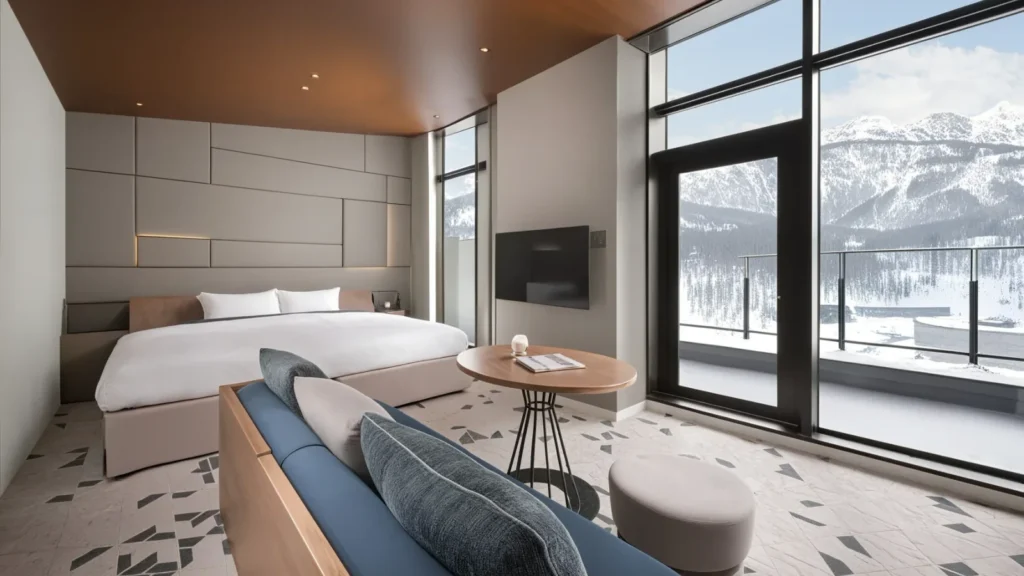

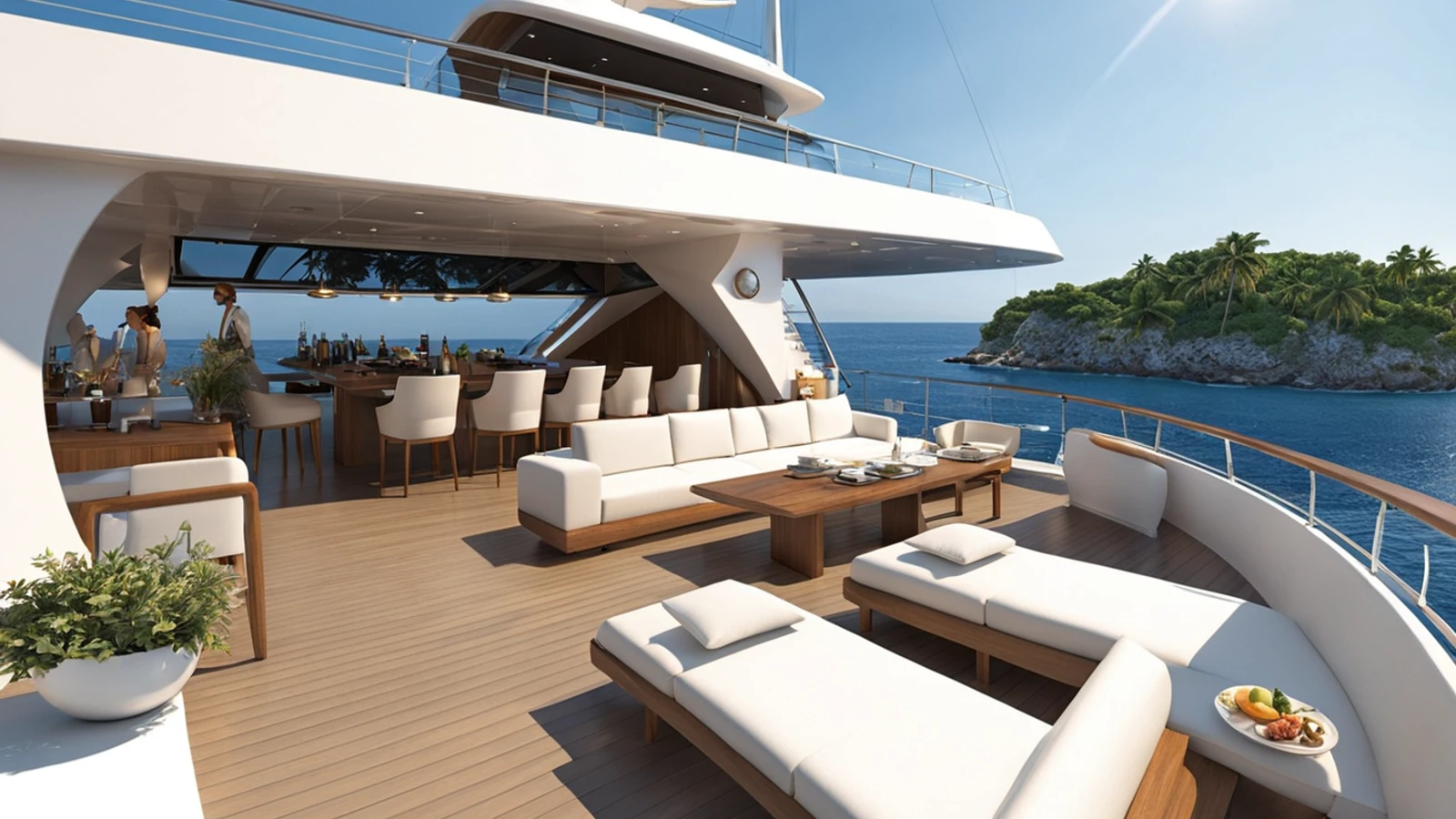
Cruise ship lounge chairs should be selected by matching each chair to its exact onboard location, environmental exposure, operating position and service routine. Open decks and poolside areas need furniture that can handle sun, moisture, salt exposure, drainage and frequent handling, while covered decks and indoor lounges place different demands on materials, upholstery and circulation.
The selection should therefore begin with the zone rather than the chair style. From there, the project team can determine the appropriate chair type, material system, dimensions, layout and maintenance requirements before the design moves into approval and production.
Start With the Location, Not the Chair Style
Cruise ships can contain several lounge environments that look similar but operate very differently.
An open pool deck may face direct sun, water and frequent furniture movement. A covered exterior lounge may avoid direct rain but still experience humidity and salt exposure. An indoor observation lounge places more emphasis on comfort, upholstery and circulation.
For this reason, the cruise ship and yacht furniture scope should be organized by zone rather than treating all lounge seating as one product category.
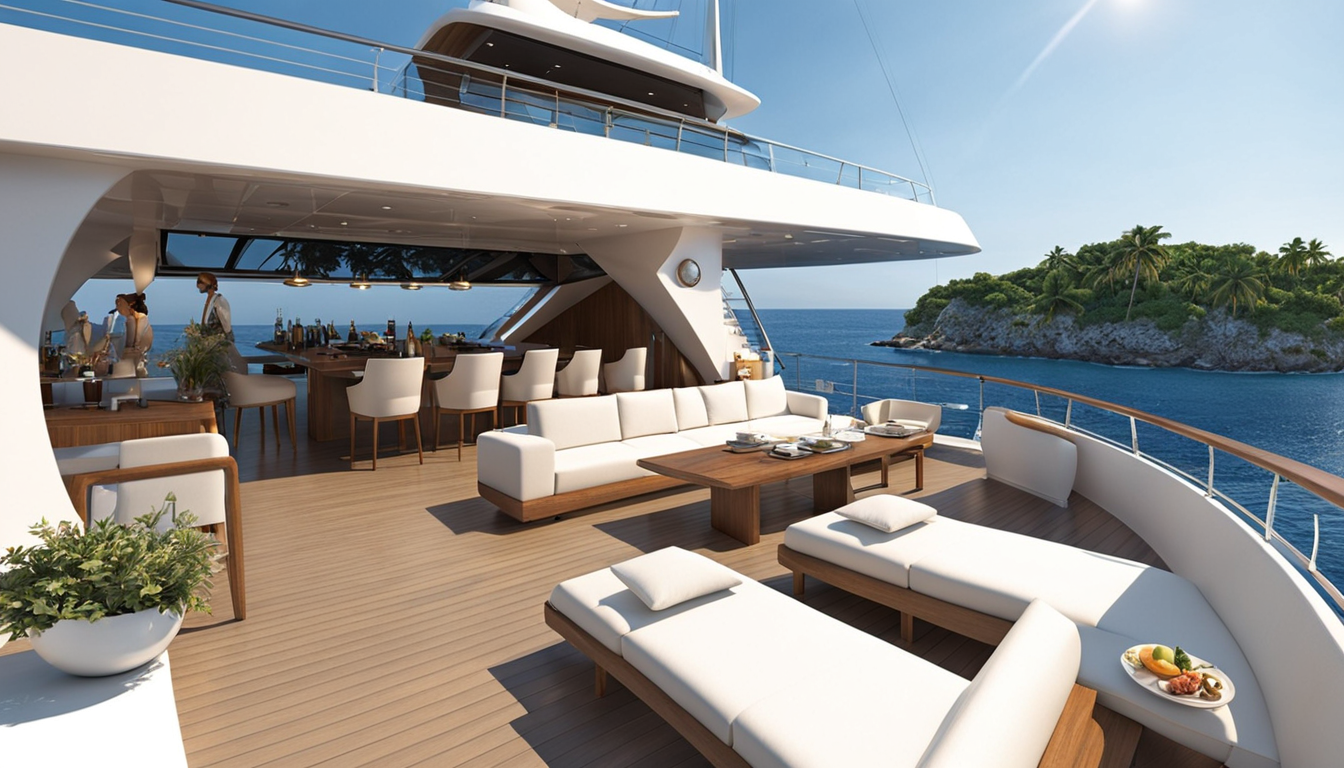
Open Deck and Poolside Areas
Open decks and poolside zones place the greatest environmental and operating demands on lounge chairs. Direct sun, salt exposure, pool splash, washdown and frequent furniture movement may all affect the same chair.
Start by identifying whether the furniture remains outside continuously or is moved or stored under certain operating conditions. For exposed areas, choose constructions that allow water to drain rather than collect in hidden joints or soft components.
If cushions are required, confirm how they drain, dry, attach to the frame and are removed for cleaning or storage.
The layout should also be checked with the chair fully reclined and occupied. Where staff reset large numbers of loungers, chair weight, handling points and the route to storage should be reviewed before the model is approved.
Covered and Semi-Exposed Areas
Covered furniture should not automatically be specified as indoor furniture.
Humidity, salt air, sideways rain and cleaning water may still reach the chair, and some furniture may occasionally be moved into more exposed positions.
Define the most exposed condition in which the chair is expected to operate. If a chair regularly moves between covered and open areas, its material and finish specification should reflect that use rather than only its normal position.
Also review the underside, fasteners and joints rather than only the visible surfaces. These interfaces may retain moisture or residue even when the chair appears protected from above.
Indoor Lounges and Observation Areas
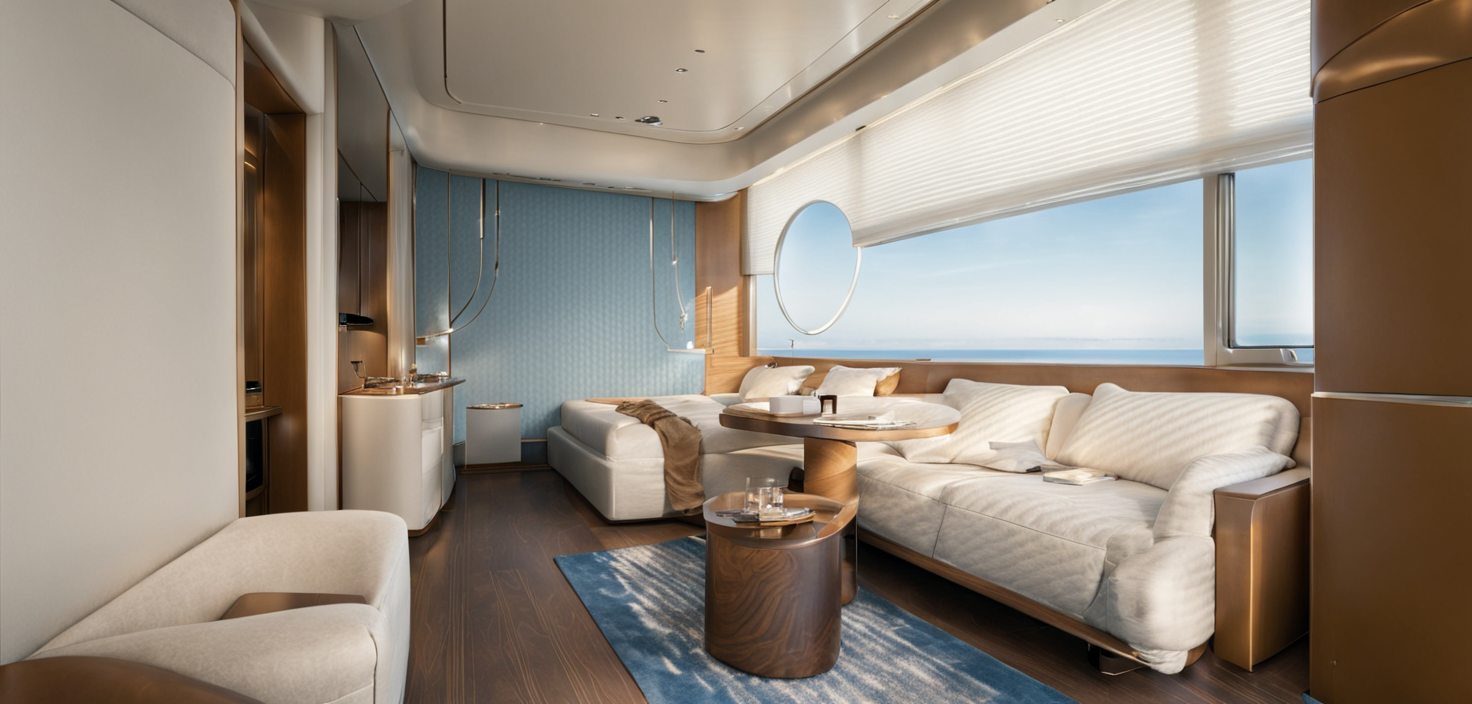
For indoor lounges, weather resistance becomes less important, while comfort, upholstery performance, circulation and frequent passenger use become more important.
Select chair dimensions together with nearby tables rather than independently. Check seat height, arm position, entry and exit space, table reach and the spacing between occupied chairs.
For upholstered models, confirm the complete upholstery build-up, cleaning method and project-specific fire requirements before production rather than approving the fabric from appearance alone.
Which Lounge Chair Type Fits Each Cruise Area?
Different lounge chair types solve different operating needs. The starting point should be the activity and zone rather than a preferred silhouette.
| Cruise area | Possible chair type | Main selection question |
|---|---|---|
| Open sun deck | Reclining lounger or sun lounger | Can the chair handle the defined exposure and daily operating routine? |
| Poolside | Movable lounger or lounge chair | Can it drain, dry and be reset efficiently? |
| Covered exterior deck | Lounge chair or occasional seating | Does the specification still account for humidity, salt and intermittent weather exposure? |
| Balcony or compact exterior zone | Compact lounge chair | Does it fit when occupied and when nearby doors are open? |
| Indoor public lounge | Upholstered lounge chair | Do comfort, circulation and upholstery requirements work together? |
These are starting points rather than fixed rules.
A vessel may use the same visual furniture family across several zones, but the material construction or operating requirements may need to change. Visually similar chairs should not automatically share one specification if their exposure and service conditions are different.
Select the Whole Material System, Not Just the Frame
Material selection should be based on the complete lounge chair assembly rather than a single frame material.
Review the frame, finish, fasteners, joints, upholstery, foam, glides and moving hardware together. A chair may have a suitable frame material but still create maintenance problems if another component is poorly matched to the environment.
The outdoor furniture selection should therefore start with the complete construction and the zone in which it will operate.
Frame and Finish
Aluminum, stainless steel, timber and other construction systems may all be suitable in the right application.
For metal frames, review the actual material, surface treatment, coating, joints and contact points. Moisture trapped around joints or damaged finishes can matter as much as the base material itself.
For timber components, check the specified material, finish, joint construction, water management and maintenance requirements.
Instead of asking which frame material is universally best, ask:
Which complete frame-and-finish system suits this chair’s actual location and operating conditions?
Upholstery, Mesh and Cushions
Soft materials should be reviewed separately from the frame.
For exterior chairs, check:
- Water shedding and drying
- UV exposure
- Cleaning compatibility
- Seam construction
- Cushion retention
- Removability
- Foam or filling specification
- Replacement method
A broad description such as “marine-grade fabric” is not enough by itself. The submitted upholstery system needs to match the project conditions and required approval basis.
For indoor lounges, weather exposure may be reduced, but abrasion, cleaning and long-term appearance become more important.
Fasteners and Material Interfaces
Small components can determine whether the chair remains practical to operate and maintain.
Check fasteners, hinges, reclining mechanisms, glides, feet and areas where different materials meet.
Where components are exposed to moisture or repeated movement, confirm whether they can be inspected, serviced or replaced without dismantling the entire chair.
How Should Cruise Ship Lounge Chairs Be Laid Out?
A cruise lounge layout should be checked in its operating condition, not only in a furniture plan where every chair is neatly aligned.
This is particularly important for reclining loungers because their footprint changes when the backrest moves or passengers use the seat.
Check the Full Operating Position
Use the chair’s largest operating footprint when reviewing the layout.
For reclining loungers, show the fully reclined position and the space needed for passengers to enter and leave the chair. If a side table is included, check the two items as one furniture group.
A row of loungers may appear to fit when upright but create conflicts when several chairs are reclined at the same time.
Protect Passenger and Service Circulation
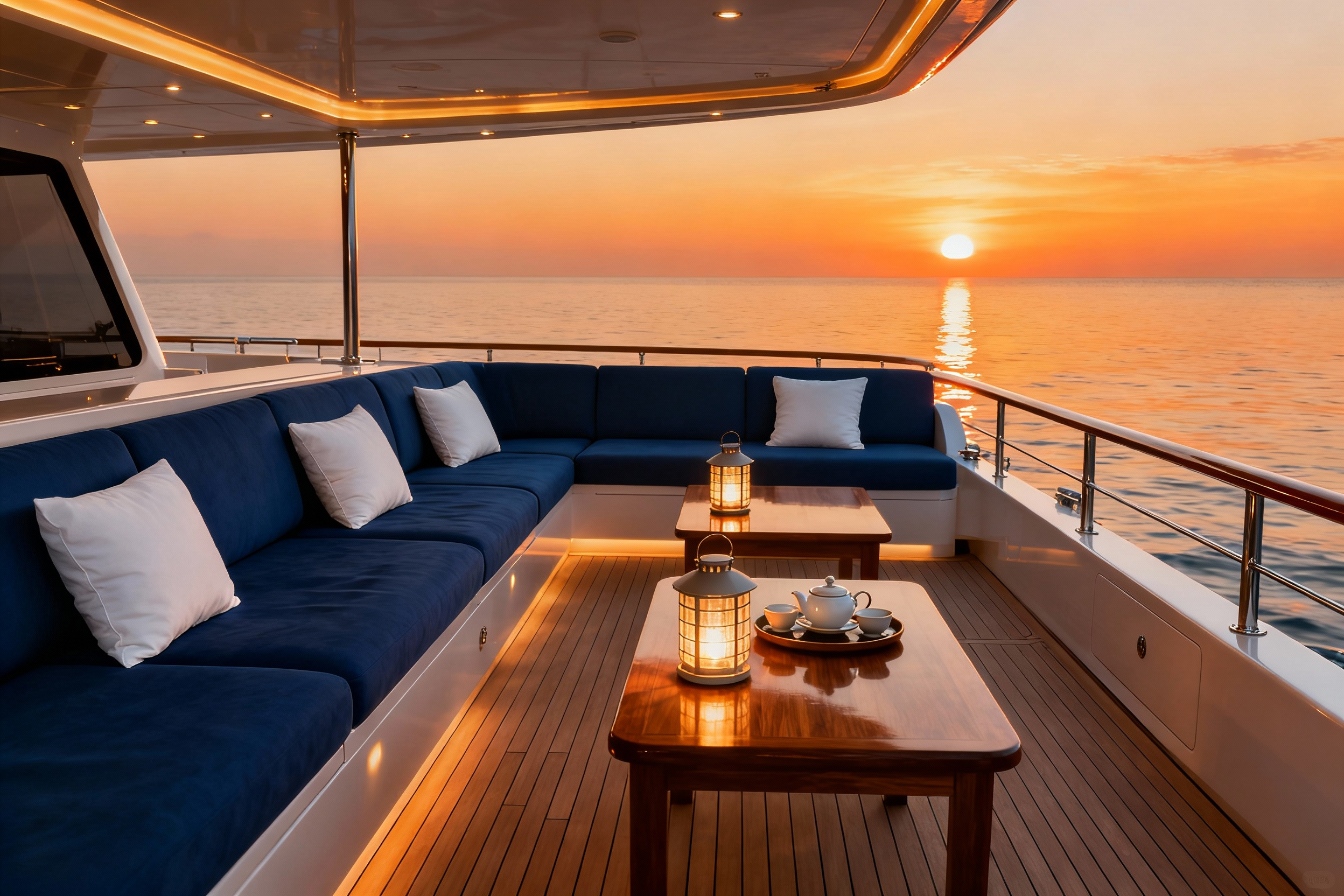
Furniture should not reduce the circulation space required by the project.
Check the relationship with:
- Passenger walkways
- Pool access
- Doors
- Stairs
- Service routes
- Fixed equipment
- Adjacent tables
- Other chair groups
Required clearances should follow the vessel drawings and project requirements rather than a generic spacing number.
The practical test is whether the chair can be fully used while the required circulation route remains clear.
Plan for Movement, Stacking and Storage
Many deck chairs are moved during normal operations.
Furniture may be reset daily, rearranged for activities or moved into storage when an area is closed.
If chairs need to move regularly, confirm:
- Individual chair weight
- Handling points
- Whether stacking is required
- Stacking quantity
- Movement route
- Door and threshold clearance
- Storage location
Stackability is useful only when it supports the actual operating plan. It does not need to be specified for every cruise lounge chair.
What Makes a Cruise Lounge Chair Practical in Daily Operation?
A chair can meet the design brief but still create unnecessary work after handover.
Daily operation should therefore be considered before approval, especially for furniture that is moved, cleaned or reset frequently.
Balance Weight and Stability
A heavy chair can be difficult for staff to reposition, while a lighter chair may require more attention to stability and operating controls.
There is no useful universal target weight.
Instead, match chair weight and construction to the location, movement frequency and vessel-specific requirements. Where many chairs are moved each day, handling should be tested with the actual sample.
Make Cleaning and Water Management Practical
Exterior seating should be easy to clean without trapping water or requiring unnecessary disassembly.
Check whether water can drain from the seat and frame, whether cushions can be removed easily and whether cleaning staff can reach the underside and joints.
For poolside and open-deck furniture, drainage should be considered across the entire chair rather than only in the fabric.
Identify Replaceable Components
Normal wear should not automatically require replacement of the entire chair.
Depending on the design, replaceable parts may include:
- Cushions
- Covers
- Glides
- Feet
- Selected hardware
- Moving components
The project should confirm which parts are serviceable and whether replacements can match the approved production specification.
What Should Be Confirmed Before the Chair Is Approved?
Before repeat production, the project team should have a clear record of the approved chair specification and the conditions it is intended to meet.
Confirm the Project and Product Details
| Item to confirm | What should be recorded |
|---|---|
| Installation zone | Exact deck, lounge, balcony or other location |
| Chair type | Fixed, reclining, stackable or other configuration |
| Dimensions | Overall and full operating dimensions |
| Frame | Material and construction reference |
| Finish | Approved finish system |
| Upholstery | Fabric, mesh, cushion and foam references |
| Hardware | Fasteners, mechanisms and glides |
| Handling | Chair weight and movement method |
| Storage | Stacking or storage requirement if applicable |
| Cleaning | Approved cleaning and maintenance approach |
| Compliance | Evidence required by the vessel or project |
| Quantity | Production quantity and approved spares |
| Drawings | Current drawing and specification revision |
Unresolved information should remain visible. If the final upholstery has not been selected, for example, the chair should not be treated as fully approved simply because the frame has already been reviewed.
Verify the Production Design With a Prototype
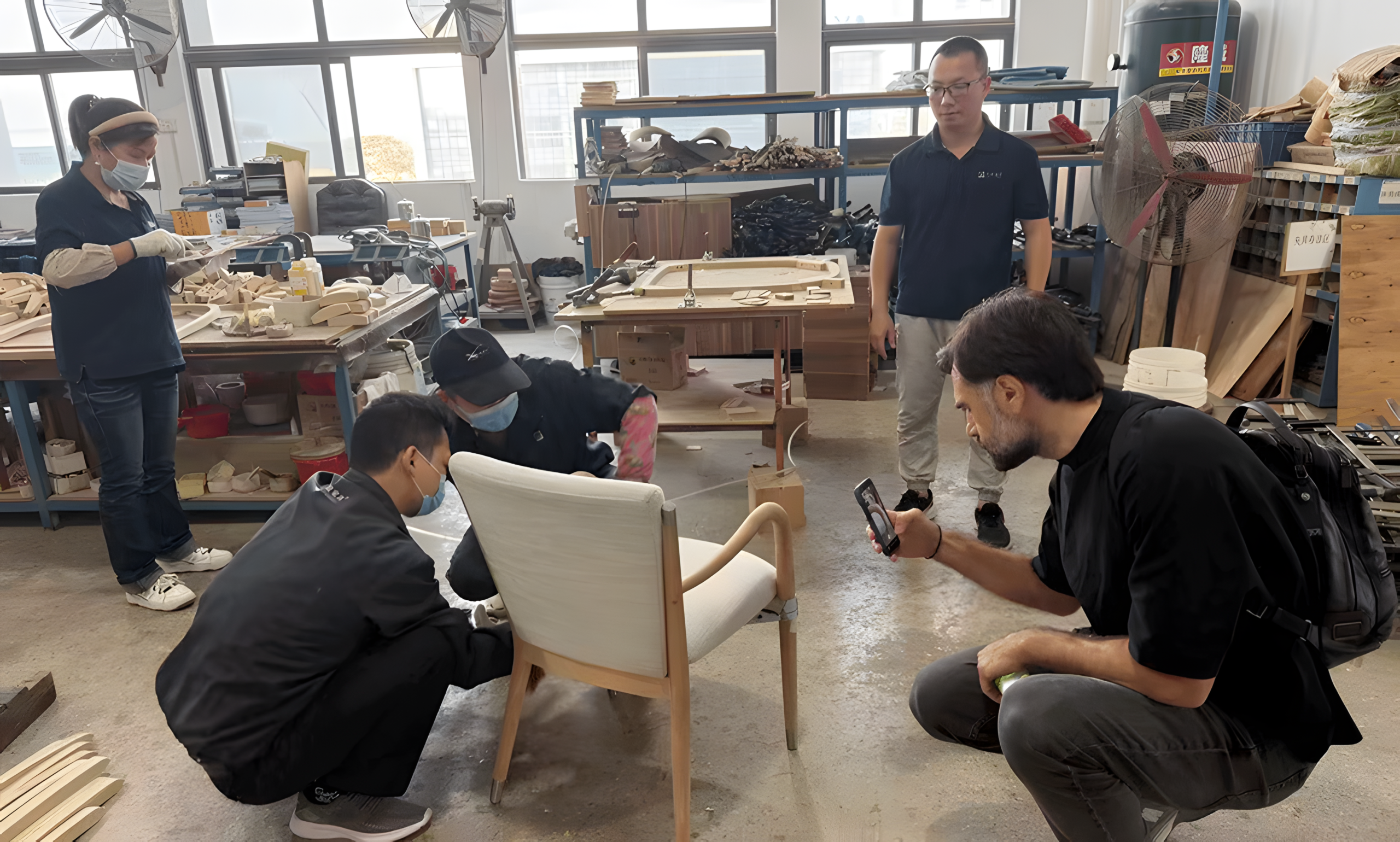
For custom or project-specific lounge chairs, use the prototype to check details that drawings cannot fully resolve.
Review comfort, reclining operation, stability, floor contact, cushion fit, handling, stackability where required, finish quality and the relationship with adjacent furniture.
Record comments against the exact prototype and drawing revision so production follows the corrected approved version rather than an earlier sample.
If the next step is evaluating potential suppliers, the guide to cruise ship and yacht furniture manufacturers covers supplier scope, technical documentation, production capability and project delivery separately.
Custom Lounge Chairs for Cruise Ship Projects
A custom cruise lounge chair project should begin with the installation zone, furniture drawings, quantities, design intent, material direction and technical requirements. These inputs allow the chair dimensions, construction, upholstery and prototype criteria to be developed for the actual project rather than from a generic product brief.
Gainwell supports custom hospitality and marine furniture development for cruise ships and yacht projects, including seating, casegoods and related public-area furniture. Project development can include drawing coordination, material and finish review, prototypes, production and delivery planning.
To discuss a cruise ship lounge chair project, share the furniture drawings or references, installation areas, quantities, material direction, required project documentation and target programme.
Frequently Asked Questions
What is the difference between a cruise ship lounge chair and a regular outdoor lounge chair?
A cruise ship lounge chair must meet the conditions and technical requirements of its specific onboard location. A standard outdoor chair should not be assumed suitable without checking its materials, construction, handling and project requirements.
Are aluminum lounge chairs suitable for cruise ship decks?
Yes, they can be. Check the frame finish, fasteners, joints and complete chair construction against the actual deck environment before approval.
Do cruise ship deck chairs need to be stackable?
Not always. Stackability is useful when chairs need frequent moving or storage, but it should be specified only when the operating plan requires it.
What information should buyers send when sourcing cruise ship lounge chairs?
Provide the installation zone, drawings or design references, quantities, dimensions, material direction, upholstery requirements, project-specific documentation needs and target delivery programme.