
Select outdoor furniture covers for hotels by matching their protection, dimensions and fastening system to the furniture, exposure and daily operating routine. A suitable cover should shed water, remain secured under its permitted conditions and allow moisture to be managed. Its weight, shape and removal method also need to work for the staff who use it.
Water resistance alone is not enough. A cover can keep direct rain off a tabletop while allowing moisture to remain beneath it, or fit neatly around a seating group while creating a low area where water collects. The selection should therefore address the covered furniture as a complete arrangement, including cushions, projecting parts and any supports used beneath the cover.
Define Exposure and Operating Conditions
Begin with where the furniture stands and when it will be covered. An exposed pool deck, a sheltered terrace and a coastal dining area face different combinations of rain, sunlight, wind, salt deposits and humidity. The operating pattern matters just as much: furniture covered each evening needs a different handling arrangement from pieces protected during an extended seasonal closure.
Define what the cover is expected to do. It may reduce direct exposure, help keep debris off the furniture or protect a prepared storage arrangement. Those purposes should be connected to the furniture manufacturer’s care instructions, particularly where cushions, timber, woven surfaces or specialist finishes are involved. Covering should not replace cleaning, drying or protected storage where those are required.
A covered setting still needs assessment. Rain may reach a terrace from the side, while condensation, wet floors or damp cushions introduce moisture without direct rainfall. Describe these conditions to the cover supplier rather than choosing solely from a label such as “all-weather” or “heavy-duty.”
The intended furniture configuration should be clear from the outset. A cover for one chair performs a different task from a cover stretched across a sofa group, and a dining-set cover may depend on chairs being placed in a particular position. For outdoor seating, tables and loungers, identify which items can be covered individually and which will be grouped, stacked or moved before protection is applied.
Review Fabric, Seams and Ventilation
A cover material needs to be evaluated as a constructed product rather than by fabric weight or fibre name alone. The face fabric, coating or membrane, seams, vents, bindings and fasteners all influence its performance. A heavier textile may resist some forms of handling wear but can also be harder to lift, dry and fold, especially when one large cover serves several pieces.
Water resistance and moisture release are separate characteristics. Ask how the finished cover handles rain at its seams and openings, and what its ventilation features are intended to achieve. “Breathable” should be supported by a clear product description, not treated as a guarantee that wet cushions will dry beneath it. Conditions under a cover depend on the surrounding environment, airflow, temperature and the moisture already present.
The underside also deserves attention. Repeated movement can rub a cover against furniture edges, metal fittings or projecting corners. Where the design uses reinforcement or a lining, confirm its suitability for the furniture’s surfaces and intended exposure. A soft lining may affect handling and drying, while unsupported corners may concentrate wear. Review those details with both the cover and furniture suppliers when surface compatibility is uncertain.
For sun-exposed locations, request information relevant to the proposed material and construction, including any stated limits on colour change, deterioration or service conditions. General claims about UV resistance do not establish how every seam, strap and fastening will perform. Similarly, a water-resistance result for a fabric sample does not automatically describe the assembled cover.
Cleaning requirements should fit the hotel’s resources. Confirm the approved method, drying instructions and treatment of contamination before accepting a material. Staff need a practical way to maintain the cover without damaging its protective layers or returning it to storage while damp.
Measure Fit, Support and Drainage
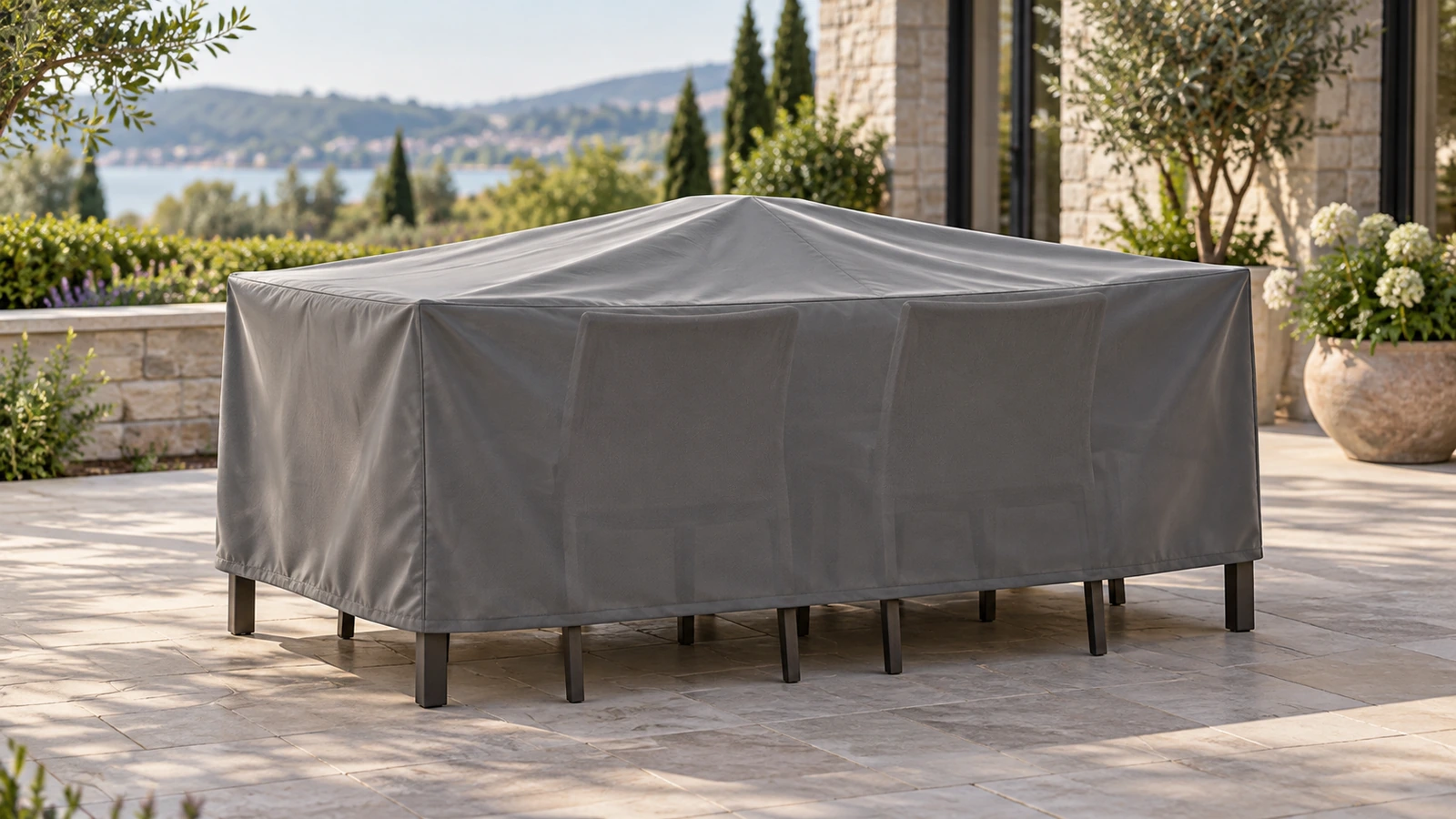
Measure the arrangement that staff will actually cover, not simply the dimensions listed for each furniture item. A lounger may need to be placed in a specified backrest position; dining chairs may be tucked beneath a table; stacked chairs may create projecting arms or an uneven top. Record the final length, width and height, together with features that affect the cover’s shape.
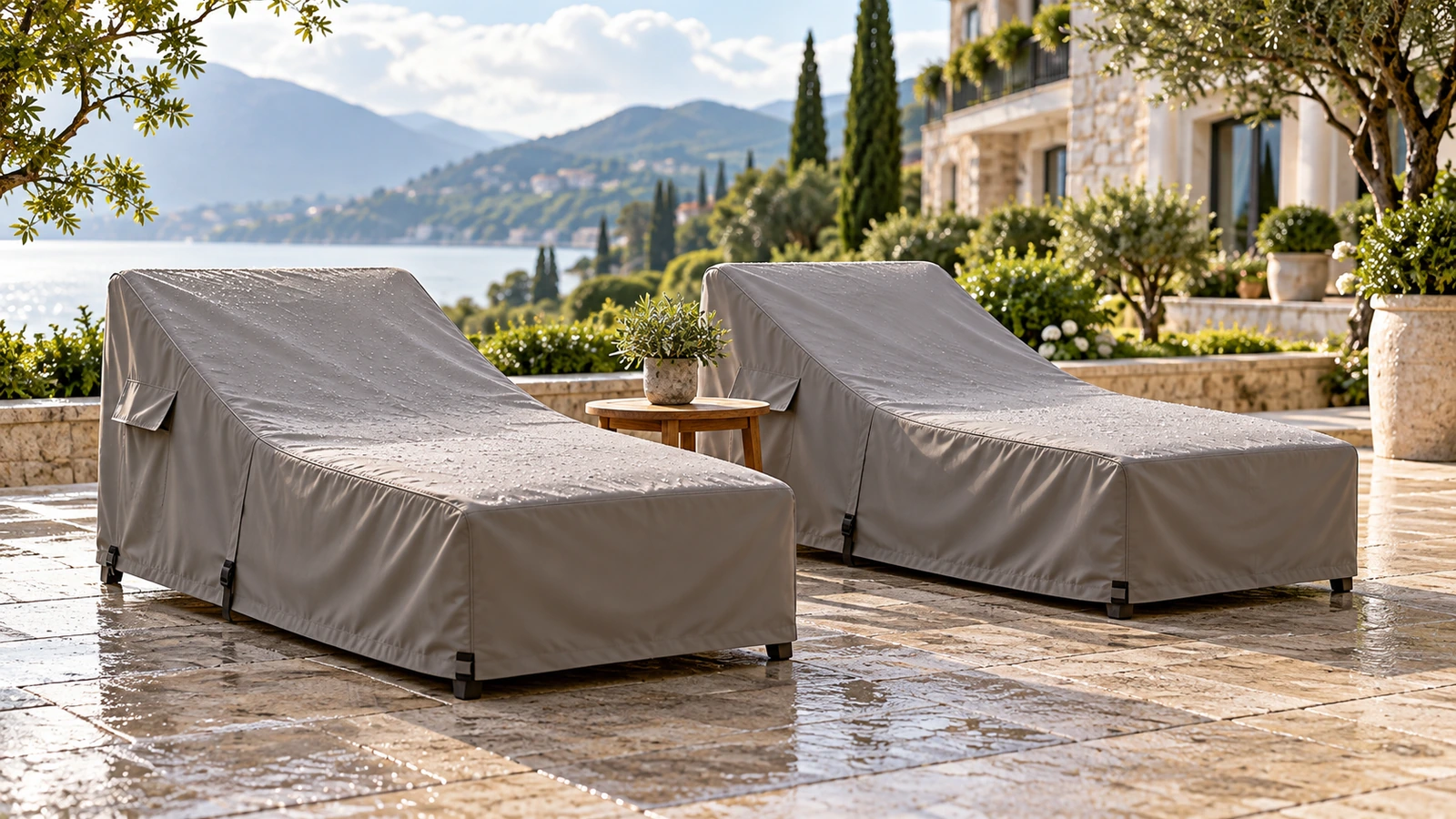
Include the high and low points. A cover stretched between chair backs can form a depression above the tabletop, while a sofa group may leave unsupported areas between pieces. These locations can collect water or allow the fabric to sag against surfaces beneath it. Where the supplier proposes shaped panels, support features or another arrangement to shed rain, confirm how those elements are positioned and whether staff can reproduce the configuration consistently.
The fit needs to allow installation and removal without leaving unnecessary loose material. A tight cover can strain seams, snag on hardware or require staff to pull against the furniture; excessive fabric can drag, move or form pockets. Ask the supplier to define the intended allowances and fastening positions for the actual product rather than adding an arbitrary amount to every measurement.
Record these details before ordering:
– Furniture model and the position used during covering.
– Overall dimensions of the individual item, stack or group.
– Projecting handles, arms, feet and other contact points.
– Areas requiring support or reinforcement.
– Fastening locations and access needed to reach them.
– Any items, cushions or accessories that must be removed first.
Ground clearance should follow the cover design and care requirements. A cover that rests on a wet floor may become soiled or retain moisture at its lower edge, while an arrangement that is too short may leave important areas exposed. The right hem position is part of the fit review, along with the route by which water leaves the cover.
For multiple room terraces or outdoor zones, give each cover a traceable reference. Similar furniture can have different dimensions, and an almost-fitting cover may conceal the mismatch until it is repeatedly stretched or left loose.
Check Fastenings and Daily Handling
Fastenings should suit the cover, furniture and permitted conditions. Straps, buckles, drawcords or other securing features need accessible attachment points and a clear fitting method. Check that their positions do not require staff to lift heavy furniture, reach beneath unstable stacks or pull against delicate components.
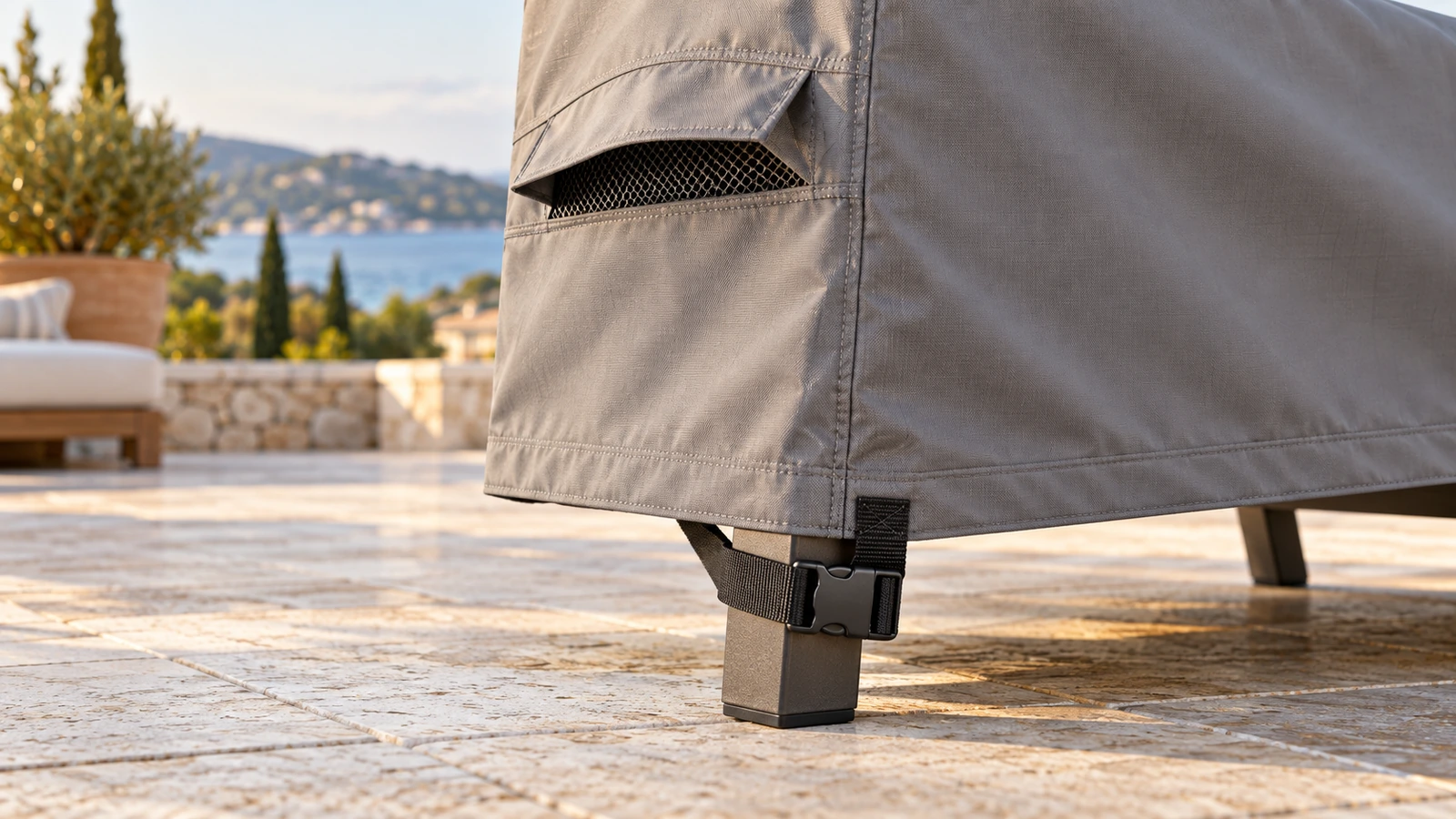
A fastening system does not make covered furniture safe in every wind condition. Covering can change how wind acts on an arrangement, and the hotel’s response must follow the relevant product guidance and site procedure. Confirm when covers should be used, when furniture must be moved and who makes that operational decision. Improvised weights, ties or attachments can introduce problems if they were not part of the approved arrangement.
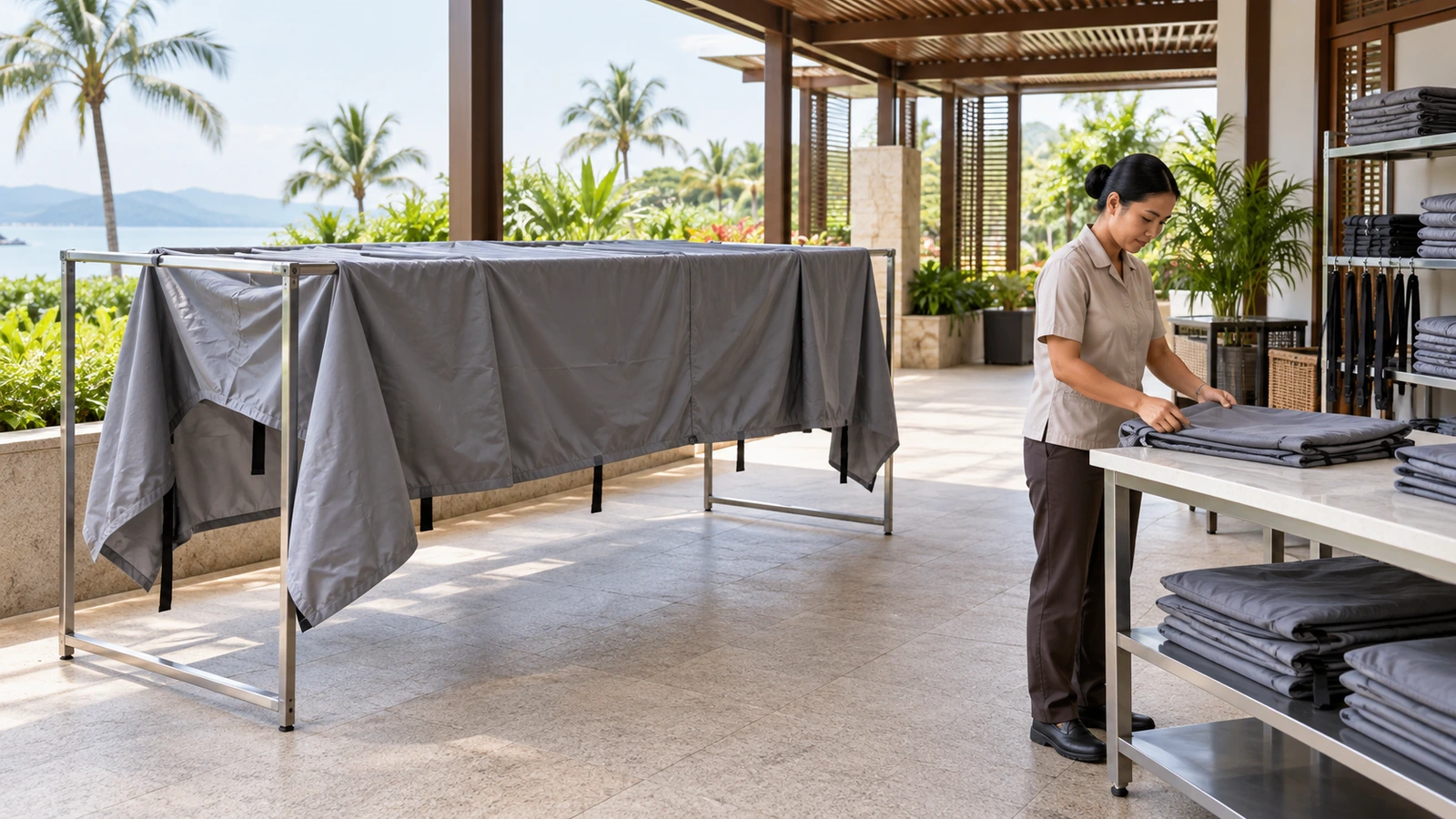
Daily handling often determines whether covers will be used consistently. Test the task with the intended staff, including how many people are needed, where they stand and whether wet fabric can be removed without spilling retained water onto cushions or surfaces. Several smaller covers may be easier to handle than one large cover, although they create more individual items to identify, secure and store.
Storage should be planned alongside selection. Covers need somewhere suitable to dry, fold and remain identifiable between uses. A large protective cover can be compact when new and dry yet cumbersome after outdoor use, so check the actual routine rather than relying on its packaged dimensions. Keep fasteners organised and avoid storage arrangements that encourage staff to put damp covers into closed bags.
Where the furniture itself will be moved into storage, coordinate the two tasks through the hotel outdoor furniture storage plan. The cover should support that arrangement without obstructing inspection, drying or safe access.
Trial the Complete Cover Arrangement
A representative trial should confirm more than whether the cover can be pulled over the furniture. Use the proposed material, construction and fastenings on the actual furniture configuration, then review the fitting and removal process under the supplier’s intended conditions. A temporary sheet or different model can help visualise size but cannot establish the performance of the selected cover.
Inspect the shape once fitted. Look for tension at corners, contact with sharp or projecting parts, loose edges and low areas where rain could collect. Check that vents and securing features remain functional rather than being blocked by the furniture or pulled out of position. Any support beneath the cover should be stable, compatible with the furniture and simple to position correctly.
Moisture needs a separate inspection. Follow the product instructions when checking drainage, removing the cover and assessing the furniture beneath it. Note damp cushions, wet junctions, condensation or areas that remain slow to dry. Those findings may call for a change in preparation, fit, ventilation or storage—not simply a thicker fabric.
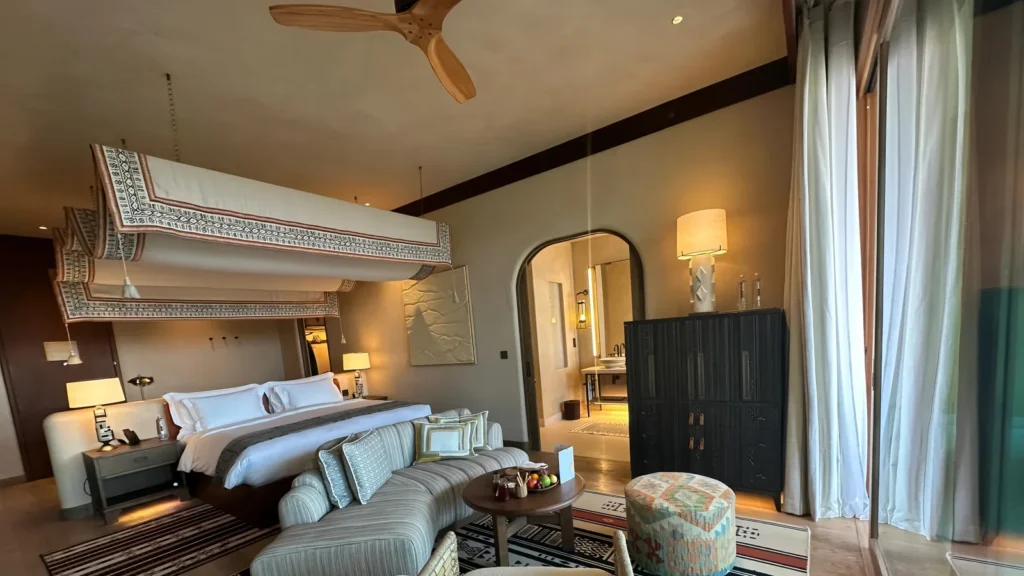
The wider setting matters too. The outdoor furniture at Six Senses Southern Dunes provides an application reference for coordinating exterior furniture within a resort environment. A hotel’s cover arrangement should be developed around its own furniture and operating conditions; a project setting or photograph does not establish which protective cover is suitable.
Before repeating an order, confirm that the trial configuration matches the furniture to be protected. Changes in lounger position, chair stack height, cushion arrangement or group layout can alter drainage and fit. Retain the approved cover reference, dimensions, fitting instructions and relevant care information so replacements follow the same basis.
The selection works when staff can prepare the furniture, fit the cover, secure it, remove it and manage drying without unnecessary difficulty. Protection is the result of that complete routine, supported by a cover designed for the task.
Protecting outdoor furniture should fit the way a hotel opens, closes and maintains its spaces.Gainwell can help review the furniture configuration, material requirements and maintenance interfaces together, so protection needs are considered alongside the seating, tables and storage arrangements.
If you are planning hotel outdoor furniture, share the setting and how the area operates to explore suitable furniture directions and the protection requirements that need coordination. Photographs, a layout or a proposed furniture grouping can provide a practical starting point.
Frequently Asked Questions
Can one cover fit several furniture models?
Only where its fit and permitted configuration have been confirmed for each model. Small differences in height, arm shape or projecting parts can change tension, fastening access and drainage. Identify the compatible models in the cover records rather than relying on a similar appearance.
Can wet cushions remain beneath a breathable cover?
Follow the cushion and cover manufacturers’ instructions. A cover does not establish that wet filling will dry adequately beneath it, even if the cover is described as breathable. Where removal or separate drying is required, include that step in the operating routine and provide suitable drying space.
Can damaged outdoor furniture covers be repaired?
Some products allow approved repairs to particular panels, seams or fasteners, while others need replacement. Ask the supplier whether the proposed repair preserves the relevant protection and fit. Record the damage location and product reference, and avoid assuming that a general adhesive patch is compatible with the cover’s construction.