
Hotel furniture value engineering evaluates alternative materials, construction methods and product arrangements to reduce cost while preserving the functions and outcomes the project needs. It begins with an agreed design and cost basis, then checks what each proposed change saves, what it affects and what must be verified before acceptance.
A lower unit price is not enough to establish better value. A simplified detail may reduce manufacturing work without changing the guest experience, while a cheaper mechanism may introduce maintenance difficulties or require a different cabinet construction. The useful comparison is between complete, defined alternatives—not between an original specification and an incomplete description of something less expensive.
Establish the Design and Cost Baseline
Start with the requirements that explain why the furniture is designed as it is. These may include storage capacity, comfortable seating, equipment access, visual relationships, installation conditions and the project’s applicable performance requirements. Some details directly support those outcomes; others may offer more flexibility. The team needs to distinguish between them before asking suppliers to reduce prices.
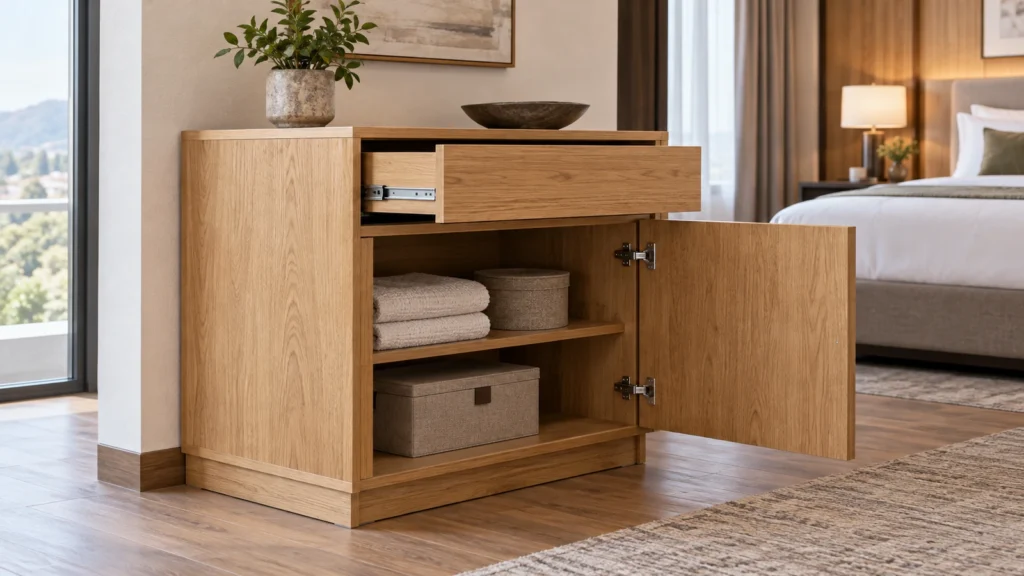
For a guestroom cabinet, the essential result might be an agreed storage arrangement, a coordinated appearance and access to replace internal equipment. The exact construction of a concealed component may be open to alternatives. For a lounge chair, comfort depends on the relationship between frame, support, filling and upholstery, so changing one layer may affect more than its individual material cost.
The baseline should be identifiable in drawings, specifications, quantities and the current quotation. If a supplier prices a simplified version while the design team continues to assess the original, the project cannot reliably judge the saving or its consequences. Record unresolved selections as well: a provisional material allowance creates a different comparison from a fully approved finish and construction.
Useful requirements can be expressed as outcomes rather than instructions that unnecessarily lock every manufacturing decision. A supplier may then propose another way to achieve the intended result, with the differences clearly stated. This gives value engineering room to work while keeping the project’s priorities visible.
Find Opportunities to Simplify Components
The most promising changes often simplify how furniture is made, assembled or repeated. Look for complexity that adds cost without making an equally important contribution to function or design. This review should be item-specific; a detail that is dispensable on one piece may define the character or performance of another.
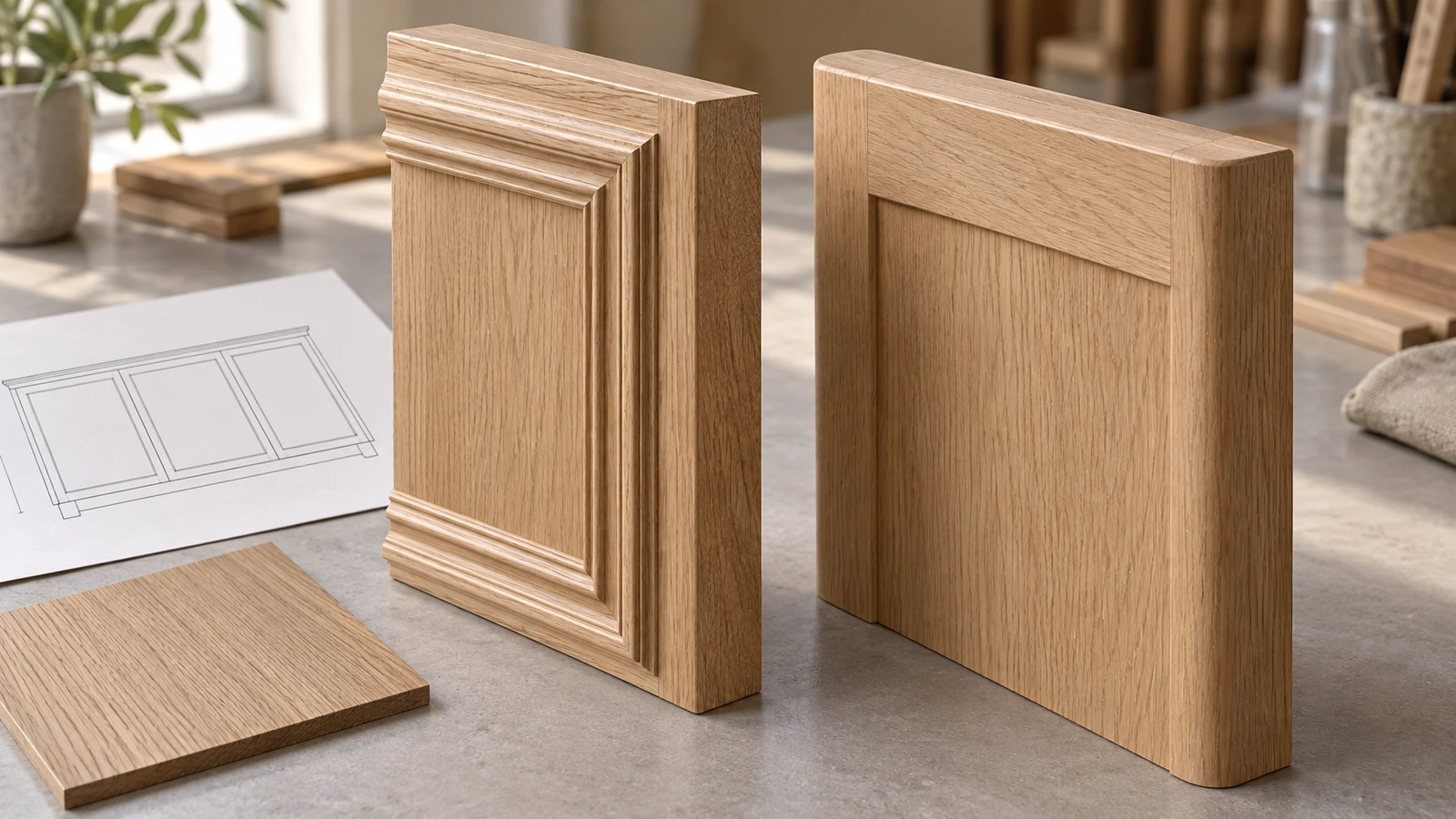
Material choices need to follow the role of the component. A cabinet body, visible door, profiled edge and heavily used top face different demands. An alternative panel construction may suit a broad flat component while being inappropriate for an exposed shaped detail. Similarly, changing a visible material can affect colour, texture, edge treatment and the relationship with adjacent pieces. The proposal should explain those consequences rather than describe the alternative only as “equivalent.”
Review decorative and manufacturing details with the same care. Complex profiles, repeated grooves, concealed joints or unusual hardware may create additional machining, finishing or assembly work. A simpler arrangement can be worth considering when it retains the intended proportions and visual hierarchy. Physical samples are especially helpful where a drawing makes the difference appear smaller than it will be in the room.
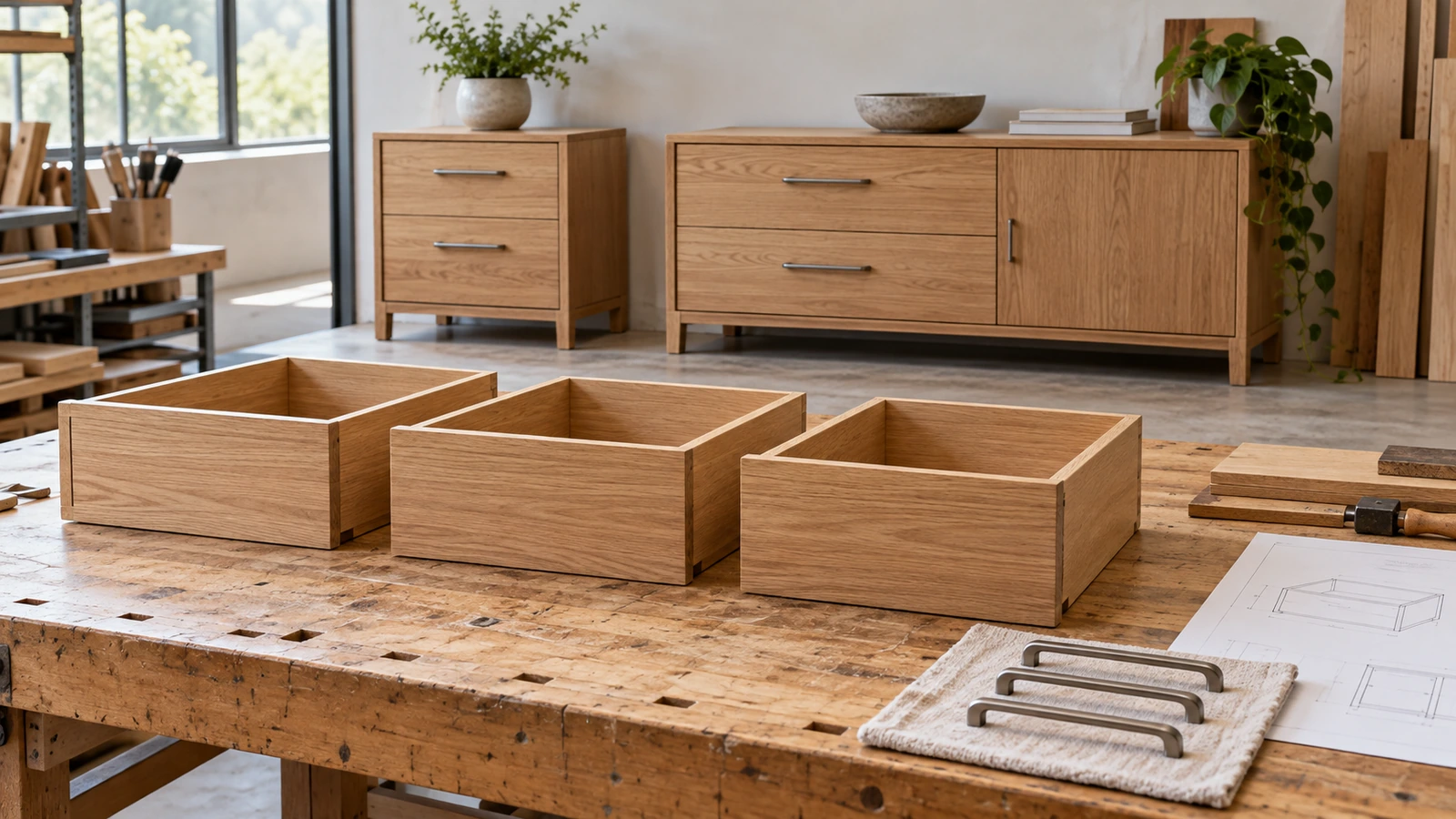
Product variation is another potential source of savings. Several nearly identical drawer configurations, leg details or internal fittings can increase development and production work. Where requirements permit, shared components may reduce that variation. Keep the distinction between standardising components and forcing every room to use an identical item: different room layouts, access needs or equipment can justify different configurations.
A coordinated review of hotel casegoods and storage can reveal opportunities to share components while retaining distinct functions. A wardrobe, bedside unit and media cabinet may use related materials or fittings, but their different loads, access and internal requirements still need to be respected.
Preserve Function, Access and Essential Requirements
The project should define which requirements a cost proposal must preserve. Structural adequacy, applicable safety requirements and essential operation remain part of the selection basis. Removing reinforcement, changing a fixing or reducing a component thickness requires an appropriate technical assessment; the absence of a visible change does not make the substitution minor.
Guest use deserves the same protection. A smaller cabinet may reduce material but leave insufficient storage, and a revised seat construction may change comfort even when the external dimensions remain similar. Changes around doors, drawers, tables and controls can also alter access. Review these effects in the context of the room rather than treating the furniture as an isolated manufactured object.
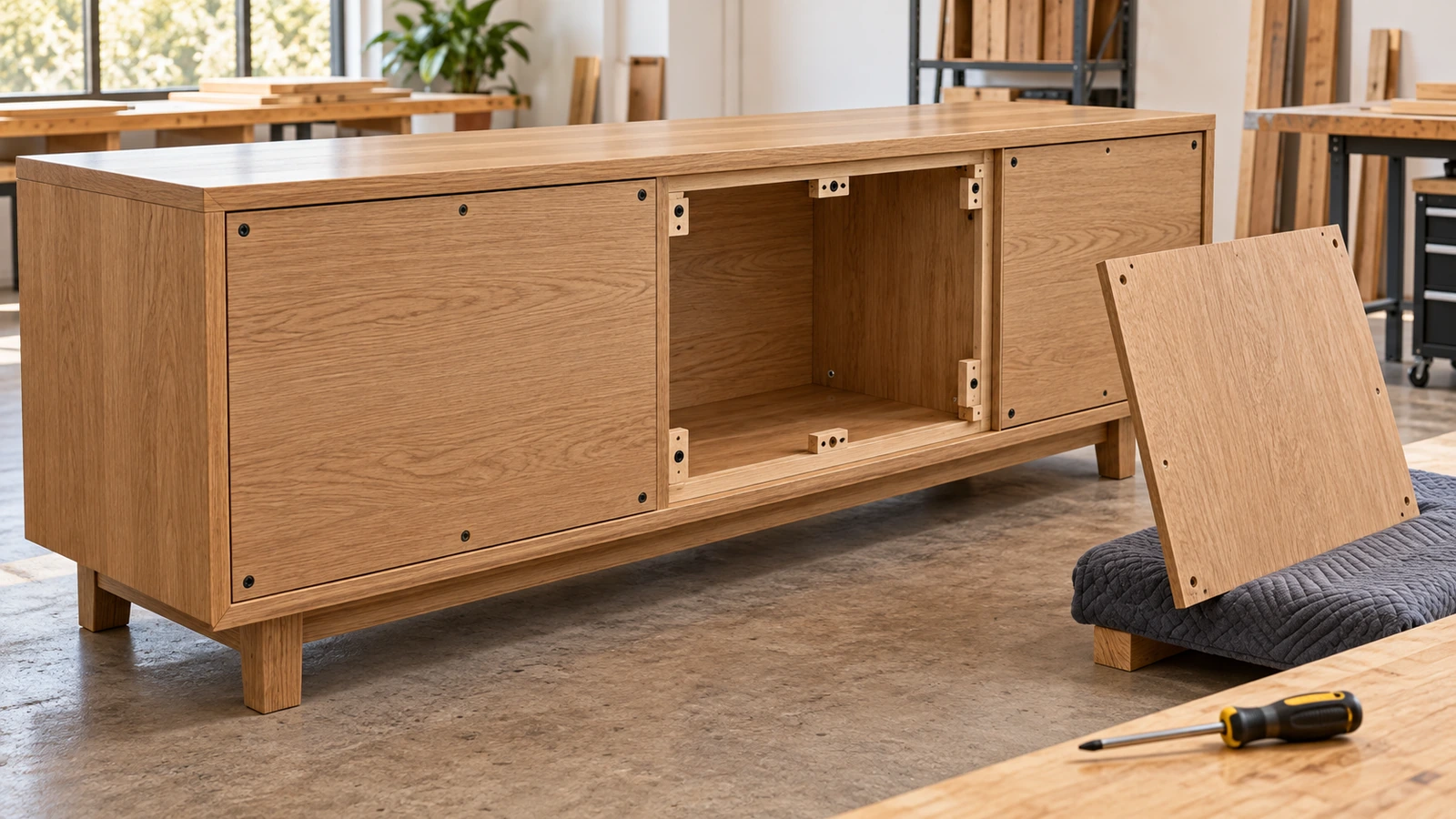
Some features cost money because they make future work possible. Removable panels, accessible fixings and replaceable components may be easy to delete during a price review, yet their removal can make repairs more disruptive. If the alternative means dismantling a cabinet to reach equipment that was previously accessible, that consequence belongs in the decision.
This does not mean every original detail must remain unchanged. It means the team should understand which outcome the detail supports and whether the proposed alternative achieves that outcome in another way. A revised access panel or different removable connection may offer a practical saving; eliminating access altogether is a different proposition.
The All Suites Hotel Hoi An / Da Nang furniture project provides an application reference for coordinating casegoods, storage and upholstered furniture across connected suite spaces. It illustrates why changes to one item should be considered alongside its surrounding furniture. The public project information does not establish particular cost savings or validate a value engineering method.
Compare Complete Costs on the Same Basis
Ask for a complete description and price for the alternative. The supplier should identify the original requirement, the proposed change and the scope included in the revised amount. Where several changes are bundled together, request enough separation to see which ones generate the saving and which depend on one another.
Compare the cost on the same basis. Quantities, currency, packing, delivery boundaries and included services should remain aligned, or their differences should be shown. An alternative that moves assembly from the factory to the site may reduce the furniture price while adding installer time, equipment, supervision or damage exposure elsewhere. Those effects need to be assessed by the parties responsible for them.
A simple evaluation can distinguish three kinds of information:
– Confirmed supplier savings against the agreed baseline.
– Additional costs confirmed by another project party.
– Possible future effects that remain uncertain.
Keep those categories separate. An estimated maintenance benefit should not be treated as a guaranteed saving, and an unpriced installation change should not disappear because the revised furniture total is lower. Where the consequence is material but unresolved, obtain more information before presenting the alternative as a complete improvement.
Timing also changes the result. A proposal introduced early may avoid unnecessary development, while the same change after samples or materials have been approved may require rework, cancellation or further testing. Confirm what has already been committed and whether the proposed saving includes those effects.
For the comparison method,hotel furniture quotation review helps establish a consistent scope and cost basis. Value engineering then adds the next question: whether the revised solution still delivers the outcomes the project has chosen to protect.
Verify the Proposed Alternative
Choose verification according to what the proposal changes. A revised dimension or connection may need updated drawings and technical review. A visible material substitution may need a new finish or junction sample. A change to seating support or filling may require assessment of the complete upholstered item, not only approval of a loose material swatch.
The evidence should follow the proposed configuration. A report for the original construction may no longer answer the relevant question after a material, fitting or structural detail changes. Identify whether the change affects previous information and what further confirmation is needed. This avoids carrying acceptance forward simply because the revised item looks similar.
Samples are most useful when the decision is clear. If a proposal simplifies an edge profile, compare the appearance and contact detail. If it changes a drawer system, review the revised cabinet with the intended contents and operation. Where a dimension changes, check its relationship with the room and adjacent furniture.
One approval should not be stretched across unrelated decisions. Acceptance of a colour sample does not establish structural performance, and confirmation of a drawing’s appearance does not settle a specialist fixing requirement. The project should identify who reviews each aspect and which decisions remain open.
After the review, update the proposal. The accepted solution should be visible in the drawings, material references and price, with any rejected features removed from the current information. A collection of comments is less useful than a coordinated revised definition of what will be supplied.
Record Accepted Changes and Savings
Each accepted change should have a traceable record connecting the item, revision, agreed alternative and commercial adjustment. State what was approved, who accepted the affected aspects and what conditions apply. The saving should refer to a defined scope so later changes can be assessed against it.
A value engineering record can include:
Production information should then reflect that record. A supplier’s later component substitution is a new proposal if it changes the accepted arrangement, even when it is presented under the same general description. Shared finishes or hardware can also connect several items, so a change may need to be reviewed beyond the first product on which it appears.
Track savings without counting the same benefit twice. A revised unit rate multiplied through the package should not also be added as a separate global deduction unless that is how the commercial agreement is structured. The approved quotation or order adjustment should make the calculation clear.
The result is a controlled improvement rather than a gradual reduction in specification. A sound value engineering decision has an identifiable saving, an acceptable set of consequences and a revised product definition that the project can manufacture, inspect and maintain.
Discuss Furniture Value Engineering with Gainwell
Cost pressure is easier to manage when the discussion includes the reason behind the design.Gainwell can help review component materials, construction details and furniture variations together, exploring alternatives that respect the project’s functional and visual priorities.
If you are considering hotel furniture value engineering, a current furniture list, selected drawings or a few cost-sensitive items can provide a starting point. The aim is to identify worthwhile options, explain their trade-offs and develop the information needed for a confident decision.
Frequently Asked Questions
Can value engineering begin before finishes are approved?
Yes, provided the current requirements and unresolved choices are identified. Early proposals can help shape the design, but their prices and savings may remain provisional until the construction, materials and quantities are defined. Record the assumptions so an early estimate is not later treated as a confirmed commitment.
How should a change limited to some rooms be recorded?
Identify the affected item codes, room types and quantities explicitly. Keep the original and revised configurations distinguishable in drawings, quotations and packing information. The saving should apply only to the accepted population, and shared components should be checked for any wider effect.
Can a previously rejected proposal be reconsidered?
Only where new information or changed project requirements justify reconsideration. Retain the original reason for rejection and assess whether the revised proposal addresses it. A lower price alone does not resolve an outstanding concern about function, construction, appearance or maintenance.