

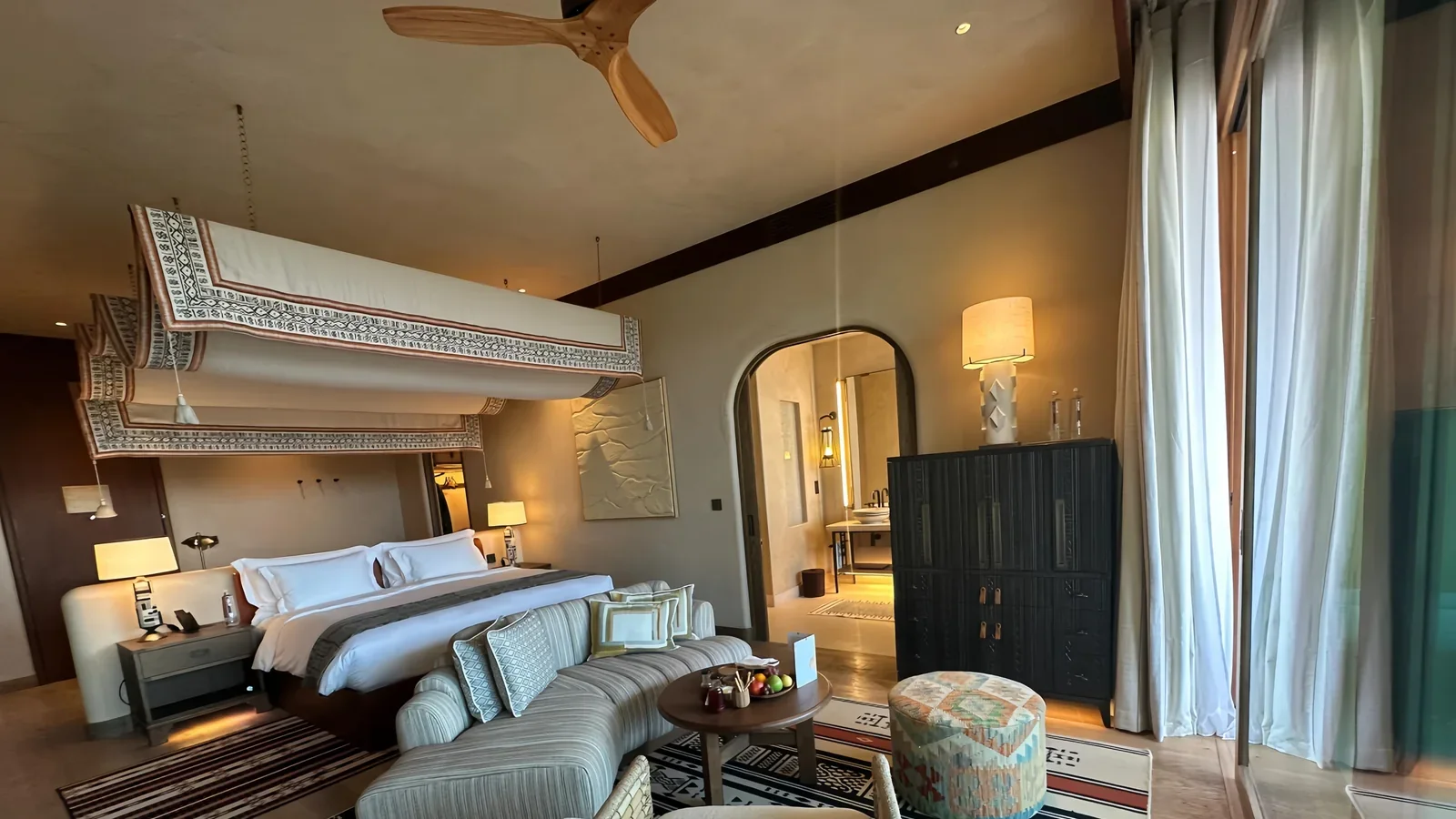
Compare hotel furniture quotations against the same item list, specifications, quantities and delivery scope before comparing totals. Then identify differences in materials, services, payment terms and responsibilities. A lower figure may represent a more efficient offer, a different product or work that remains outside the supplier’s price.
The purpose is to make those differences visible. Once each offer has been brought onto a common basis, the project team can judge whether a price difference is justified and what still needs clarification before an order is placed.
Compare the Same Furniture Schedule and Scope
Start with the documents each supplier priced. Record the furniture schedule, drawing revisions, material references and quantities issued for quotation, then check whether every offer responds to that same information. A quotation based on an earlier layout can appear competitive simply because it contains fewer items or a simpler configuration.
Use item codes to connect the offers. Descriptions such as “guestroom cabinet” or “lounge chair” are too broad to establish that two suppliers have priced the same product. The comparison should identify the particular item, its dimensions, configuration, finish and quantity. Where room types use similar-looking furniture with different sizes or internal arrangements, keep those variants separate.
Missing items need an explicit status.
An empty price cell might mean the item is excluded, included elsewhere, awaiting information or overlooked. It should not be treated as a zero-cost inclusion. Ask the supplier to identify where the item is covered or provide a separate response.
Package boundaries deserve the same attention. One supplier may include headboards, bedside units and associated panels under a single code, while another lists each component separately. For a minibar cabinet, the furniture price may exclude the refrigerator, electrical work or installation. Reconcile these boundaries before comparing rates so that a component is neither counted twice nor left without an owner.
A coordinated hotel furniture package can contain casegoods, seating, tables and integrated elements, but its scope remains project-specific. The quotation should show which of those categories are included and how they relate to the issued schedule.
Build the Cost Comparison from the Item Level
Unit rates are useful only when the items behind them are equivalent. A chair price may include the specified upholstery and packaging, or it may depend on a fabric allowance and separately charged packing. Multiplying either rate by the quantity will produce a total, but the totals will not yet represent the same purchase.
Build the comparison from the item level upward. Check quantities, extensions, discounts and separately priced services, then distinguish the supplier’s quoted total from the project team’s assessed cost. Any amount added by the buyer to account for excluded work should remain clearly labelled as a separate allowance.
A practical comparison sheet can use the following structure:
| Comparison field | Supplier A | Supplier B | Status or action |
|---|---|---|---|
| Item code and description | |||
| Dimensions, configuration and finish | |||
| Quantity and unit rate | |||
| Packing and delivery scope | |||
| Installation and other services | |||
| Exclusions and buyer allowances | |||
| Comparable assessed cost |
This prevents an estimate from quietly becoming a supplier commitment. If installation is excluded and its cost has not been established, retain it as an unresolved exposure rather than inserting a convenient figure to complete the spreadsheet.
For example, consider two offers for the same bedside units. One includes the specified drawer hardware, protective packing and delivery to an agreed receiving point. The other has a lower item rate but lists alternative hardware, packing as an additional charge and a different delivery endpoint. The second offer may still be preferable, but its headline total cannot establish that. First obtain the relevant adjustments and identify any remaining costs outside the contract.
Currency, tax treatment and quotation validity also belong on the comparison basis. Record them as stated and confirm their application with the appropriate project advisers. Freight or other time-sensitive amounts should carry their own validity conditions where applicable.
Compare Materials, Allowances and Product Evidence
Two quotations can use the same product name while describing different construction. “Wood cabinet,” for example, does not identify the panel core, veneer, solid timber components, back construction or hardware. A convincing rendering does not resolve those details either.
Review the proposed materials by component. For casegoods, that may mean the body, doors, drawer boxes, edges, top and supports. For upholstered furniture, it includes the frame, suspension, filling, covering and relevant supporting layers. Tables require attention to the top, edge, underside support and base connection. The comparison does not need to reproduce every manufacturing detail, but it should expose differences that affect the agreed appearance, function or product requirements.
Allowances are especially important.
A fabric allowance may cover a specified cost range without confirming the selected textile. A stone allowance may leave the actual type, thickness or selection open. Ask what each allowance includes, how quantities or wastage are treated, and how the price changes once the final material is chosen. A provisional amount should remain provisional in the comparison.
Finish descriptions need a physical reference. A quotation that promises to match a colour does not necessarily establish grain selection, sheen, texture or variation across the order. Identify the sample or finish reference on which the price is based, together with any qualifications. Where an alternative construction can meet the design intent, keep it visible as an alternative rather than treating it as a fully equivalent offer.
Product evidence should follow the proposed configuration. General company credentials or a report for another furniture model cannot by themselves establish that the quoted item meets the project’s requirements. Any evidence gap should be recorded alongside the relevant material or construction difference so its implication remains clear.
Make Samples, Delivery and Installation Visible
Furniture procurement includes work before and after manufacturing. Quotations should make those services visible, particularly where one supplier includes them in the item rates and another prices them separately.
For samples, establish what is being provided. Finish swatches, material junction samples, individual prototypes and a complete mock-up room answer different questions. Confirm their quantities, delivery costs, revision assumptions and ownership. If a sample charge may later be credited against an order, record the conditions rather than deducting it in advance.
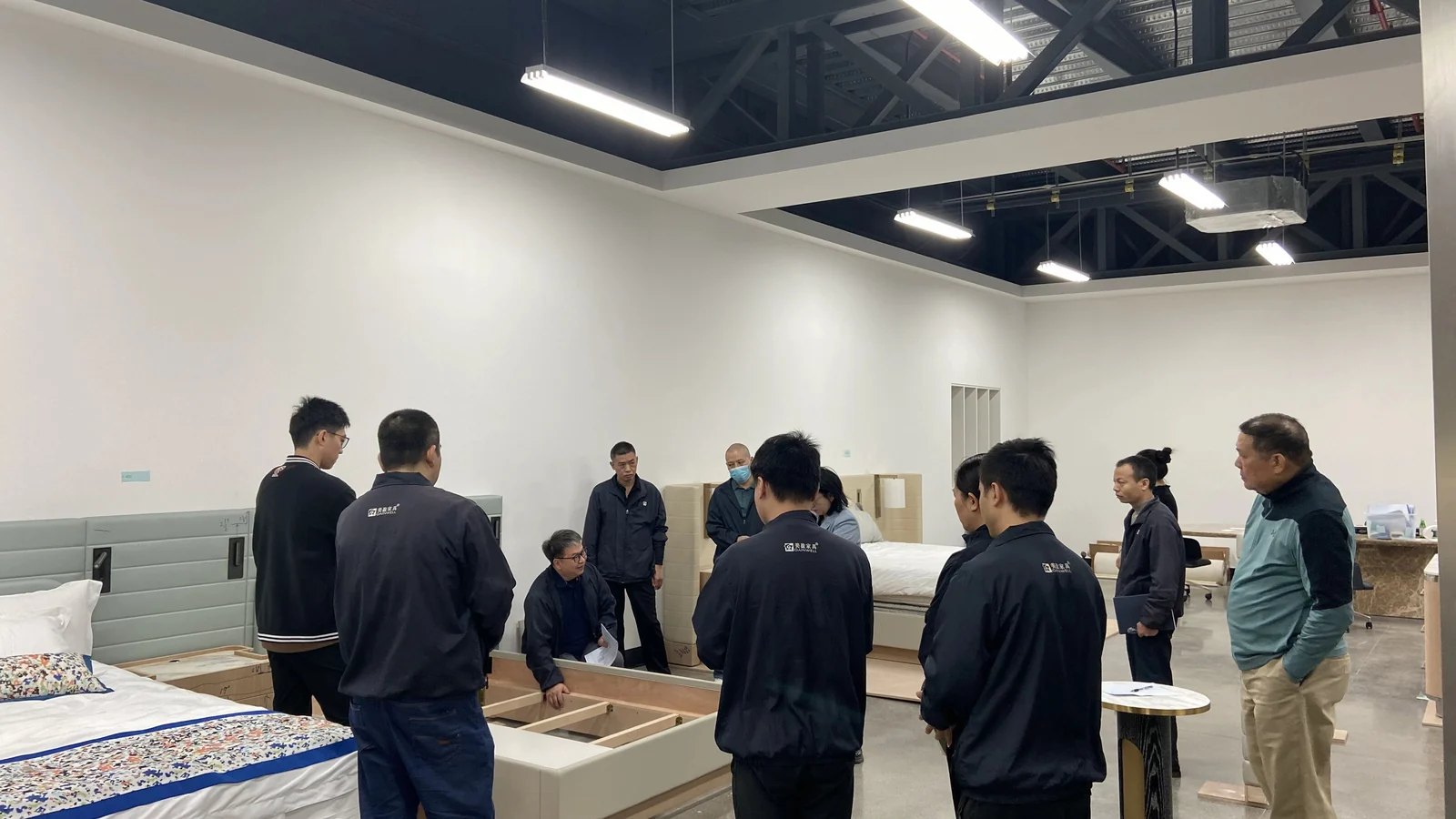
Delivery needs a named endpoint and a defined handover.
“Delivered” can leave substantial work unresolved. Check export packing, loading, transport, insurance arrangements, unloading, temporary storage, movement through the building and placement in rooms. Where a named trade term is used, confirm its version and named place, then identify any project services that fall outside it. A delivery price to a port or site receiving area does not automatically include movement to the final room.
Installation should be broken down into the actions the project actually needs. Assembly, positioning, restraints, fixed-furniture installation and service connections may involve different parties. Site readiness and access conditions can also affect the supplier’s price. A proposal based on clear rooms and uninterrupted access is different from one expected to work around incomplete finishes or restricted operating hours.

The Ritz-Carlton Beijing furniture project illustrates a package containing several furniture categories within one coordinated guestroom environment. For quotation comparison, the lesson is to make the service boundary around that furniture just as clear as the product list. A project reference shows relevant context; it does not establish what a new quotation includes.
Compare Payment Terms, Lead Times and Phasing
Commercial terms can change the practical value of otherwise similar prices. Compare when payments become due, what each milestone represents and which documents or approvals support it. A payment linked to production completion is not the same as one linked to inspection acceptance or delivery.
Review the sequence as a whole. The project needs to understand when funds are committed relative to design development, sampling, manufacturing and receipt. If two offers have materially different payment structures, show that difference alongside the price rather than hiding it in a general comments column.
Lead time needs a starting condition and an endpoint. A stated production period may begin only after the deposit, drawings, materials and samples are approved. It may end when the furniture is ready to leave the factory, with transport and site installation following separately. Record the dependencies so that a shorter headline duration is not mistaken for an earlier usable-room date.
Phased deliveries require a more detailed response. Confirm whether the quoted price assumes one production batch and shipment or several releases, and what happens if room quantities or release dates change. Storage and remobilisation charges should be identified where they may apply.
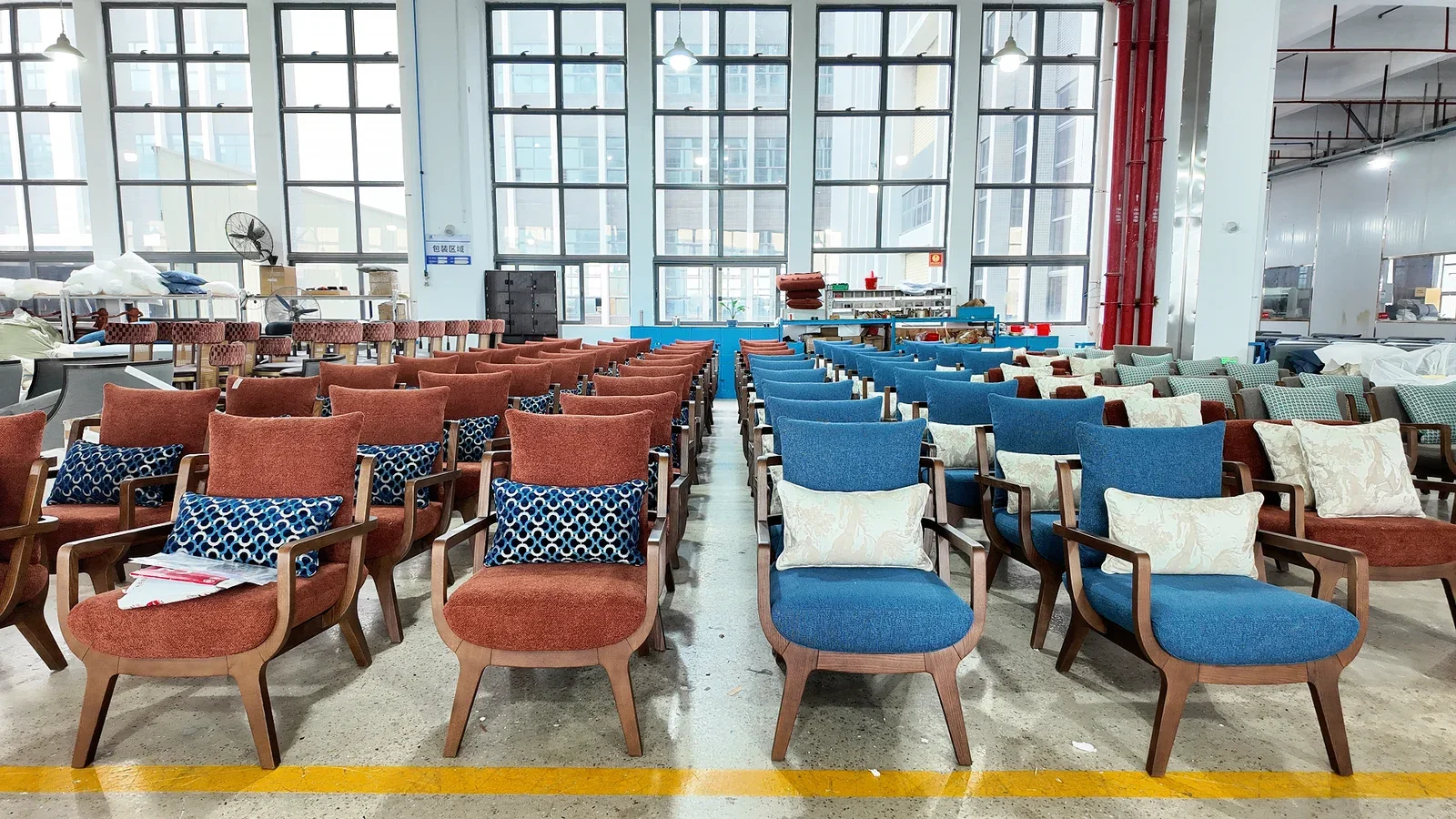
For the wider connection between quantities, allowances and project funding, use the hotel furniture budget as the planning framework. The quotation comparison supplies priced offers; the budget must also account for the work and uncertainty outside them.
Review Warranty, Exclusions and Clarifications
Warranty review should focus on usable coverage. Check the intended commercial application, covered components, exclusions, claim process and remedy. Clarify whether replacement parts, labour, transport or site attendance are included where relevant. A longer stated period is not automatically the stronger offer if the parts or services most important to the hotel sit outside its scope.
Bring the remaining differences into one clarification list. Each entry should identify the item or service, the original requirement, the supplier’s proposed position and the response needed. Distinguish an alternative offered for consideration from a deviation that must be resolved before the quotation can be treated as compliant.
Useful status descriptions are simple:
- Included as specified.
- Included with a stated alternative.
- Excluded, with responsibility assigned elsewhere.
- Pending information or price confirmation.
A status should lead to an action. If hardware differs, the supplier can price the specified option or provide the proposed alternative for review. If room placement is excluded, the project can appoint another party and confirm the cost. An unresolved statement such as “by others” remains incomplete until the work has a clear owner.
Request revised quotations after material clarifications. Email explanations are useful during review, but the final offer should incorporate the agreed scope, revisions, prices and conditions. Check that answering one question has not introduced a different assumption elsewhere.
Choose on a Confirmed Comparable Basis
The final choice can then be explained in concrete terms: the confirmed furniture and service scope, the comparable cost, the accepted alternatives and the remaining conditions. The lowest offer may be the right one, but that conclusion should follow the comparison rather than precede it.
Prepare a Clearer Hotel Furniture Quotation with Gainwell
A useful quotation should help you understand what your hotel will receive and where the important choices remain. Gainwell can review a proposed furniture package with its materials, construction and delivery requirements considered together, helping turn a design direction into a clearer commercial scope.
If you are preparing or refining a hotel furniture quotation, a furniture list, layout or selected design references can provide a starting point. The discussion can focus on the options and scope decisions that will make the next proposal easier to assess.
Frequently Asked Questions
How do you compare hotel furniture quotations that use different item codes?
Create a cross-reference between the project’s item codes and each supplier’s codes. Match dimensions, configuration, finish and quantity before linking the rows. Where one supplier groups several items together, request a breakdown or a clear description of the included components so the comparison does not conceal omissions.
Can mock-up approval change the quoted hotel furniture price?
It can if approval introduces changes outside the priced basis, such as a different material, revised dimensions or altered construction. Ask the supplier to identify the change and its cost or programme effect before authorising it. An approval should state what has been accepted, while any commercial adjustment should be confirmed separately.
What should you do when a hotel furniture quotation has expired?
Ask the supplier to revalidate the offer in writing, including price, availability, delivery assumptions and commercial terms. Confirm whether the original specifications and quantities still apply. An expired quotation can remain a historical reference, but it should not be presented as a current purchasing commitment without renewed confirmation.