

A hotel can look complete during a property tour while its records tell four different stories. The room plan shows a bedside unit. The procurement package names a supplier. The contract assigns payment to one party. The operating team expects an asset tag, warranty and replacement history. If those records cannot be connected, the physical item may be present but the business handover is incomplete.
In business and real estate, FF&E means furniture, fixtures and equipment used to make a property usable and operational without being treated automatically as part of the land or building. For a hotel, that can include beds, casegoods, seating, tables, decorative lighting and selected equipment. The practical boundary is not determined by the acronym alone. It depends on the project scope, attachment, intended use, ownership, transaction documents, accounting policy, tax rules and local jurisdiction.
CoreNet Global’s corporate real-estate glossary describes FF&E as movable property that tends to wear out or become outdated faster than other property components. That is a useful starting point, not a final classification test. This article therefore focuses on project and operating control for hotel owners, developers and asset managers. It does not provide legal, accounting, tax, valuation, lending or insurance advice.

Why the same FF&E item appears in four business records
When someone asks “what is FF&E in business?”, the most useful answer is not another product list. It is a control model. One item must often remain legible across four ledgers:
| Ledger | Business question | Minimum control fields |
|---|---|---|
| Space and use | Where is the item, who uses it and what hotel function does it support? | Property, zone, room type, location and operating purpose |
| Project and package | Which design, procurement, production, delivery or installation package controls it? | Stable item code, package owner, current revision, quantity basis and status |
| Commercial responsibility | Who buys, owns, leases, approves, insures or transfers it under the live arrangement? | Contract reference, purchasing entity, responsibility party and exceptions |
| Operating asset record | What must the hotel retain to use, maintain, replace or audit it? | Accepted quantity, location, serial or asset reference where relevant, warranty, manual and condition |
The ledgers do not need to be one software system. They do need a shared item identity and a reconciliation route. A sofa recorded as “L-12” in the design schedule but “SOF-07” in the purchase order and “lounge furniture” in the opening inventory is difficult to trace unless the cross-reference is deliberate.
Real estate provides the place; FF&E enables the hotel business
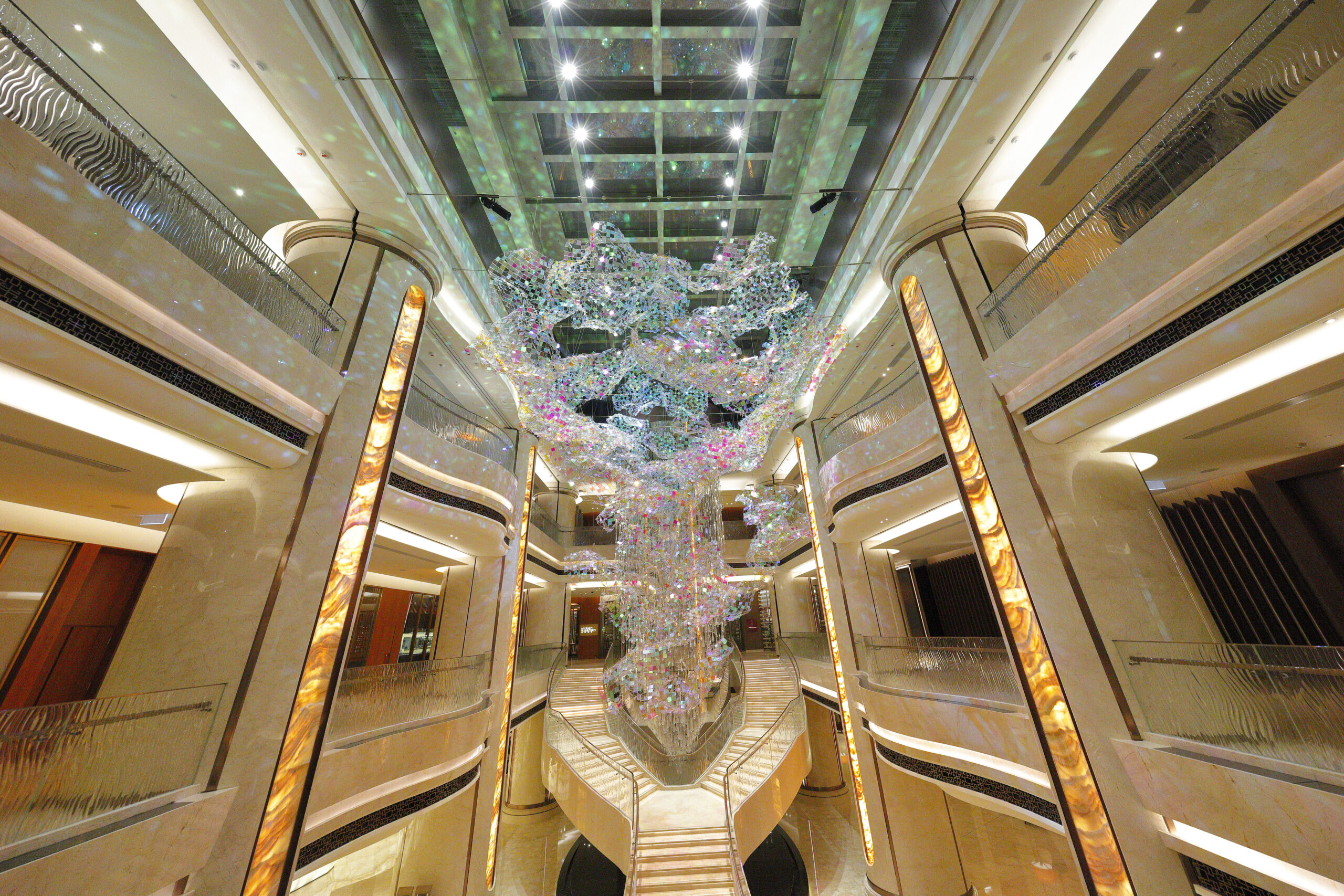
What is FF&E in real estate? In a hotel context, it is the layer of operational assets that helps turn a building into a guest-ready property. The building provides rooms, structure, permanent systems and regulated life-safety infrastructure. FF&E contributes the beds guests sleep in, the desks they work at, the seating used in public areas and many of the visible elements that support the brand experience.
This distinction matters because the economic life and decision cycle of furniture can differ from those of the building. A hotel may refresh guestrooms or public-area seating while the main structure remains unchanged. It may also replace one room family in phases, transfer selected items to storage or retain furniture while changing an operator. Those events require item-level records even when the real-estate ownership itself does not change.
Do not use “movable” as the only boundary test
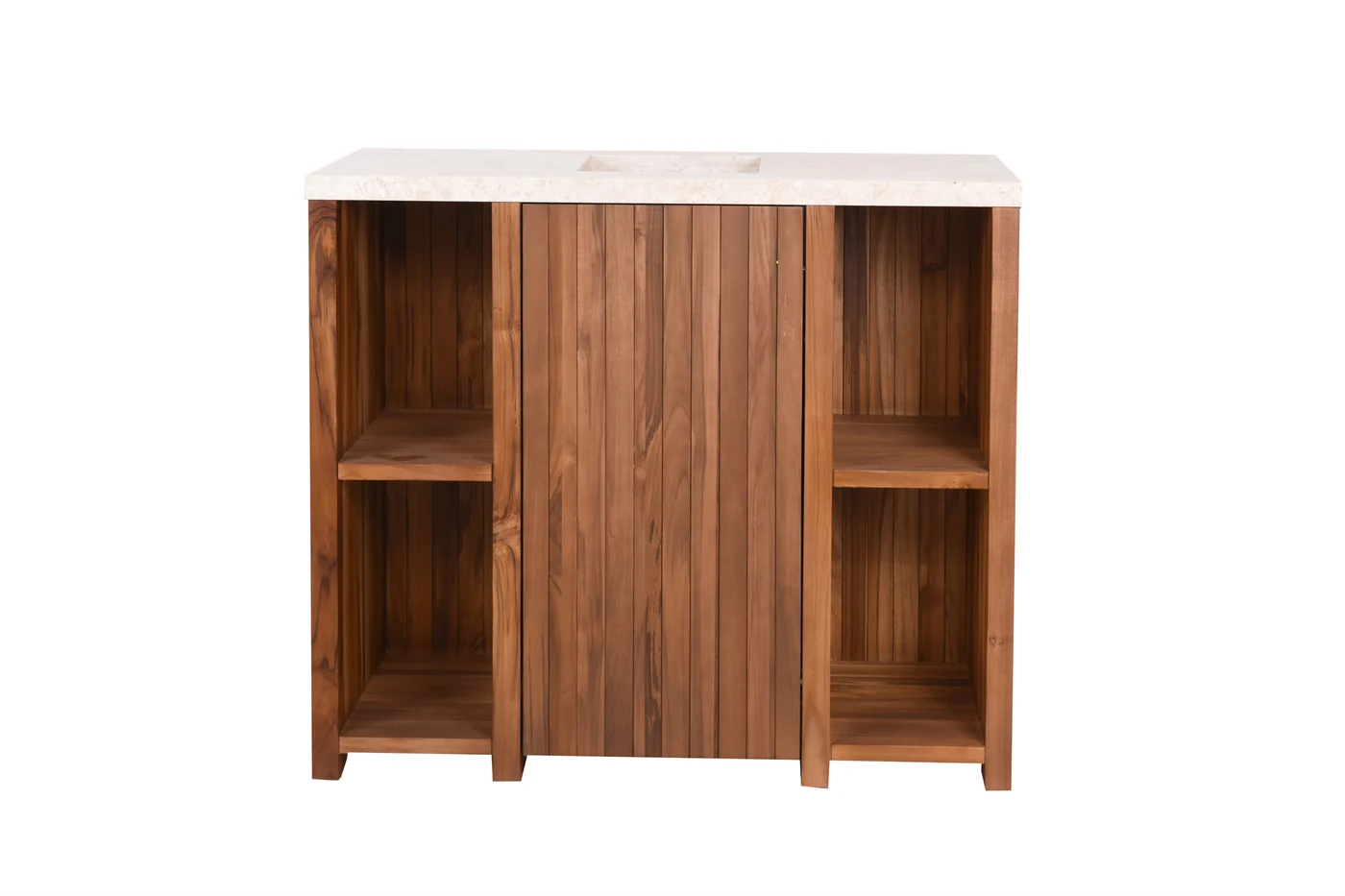
Movability is helpful, but it can mislead a project team. A large custom headboard may be attached to a wall yet controlled in the hotel furniture package. A decorative pendant may be purchased with FF&E but require electrical coordination. A refrigerator may fit inside a casegood while being supplied by the operator or an equipment vendor. A built-in banquette may look like furniture but sit in a millwork or construction package.
Use five questions for every disputed item:
- Use: what hotel activity or guest outcome does it support?
- Physical relationship: is it loose, fixed, connected or integrated with other work?
- Project control: which drawing, specification, schedule and approval record define it?
- Commercial responsibility: which party purchases, owns, leases, insures, accepts or transfers it?
- Operating record: what information is needed for maintenance, warranty, inventory, replacement or disposal?
If the answers differ, do not force an early label. Record the interface and assign the decision to the appropriate project, finance, legal, tax or operations specialist. A useful FF&E schedule supports that decision; it does not make the decision by itself.
Create a one-page boundary card for each item family
A boundary card connects the four ledgers without turning the article’s method into another complex database. Build one card for each repeated item family or disputed zone. Include the stable item code, property and room application, short description, loose/fixed/integrated condition, project package, purchasing entity, owner or responsible party, approval reference, handover requirement and unresolved exception.
Add one line called event behavior: what happens to the item at opening, operator change, refurbishment, property sale, damage or end of use? That line forces the team to distinguish physical location from commercial treatment. The answer may be “confirm in transaction documents,” which is safer than an undocumented assumption.
Track five events across the property life cycle
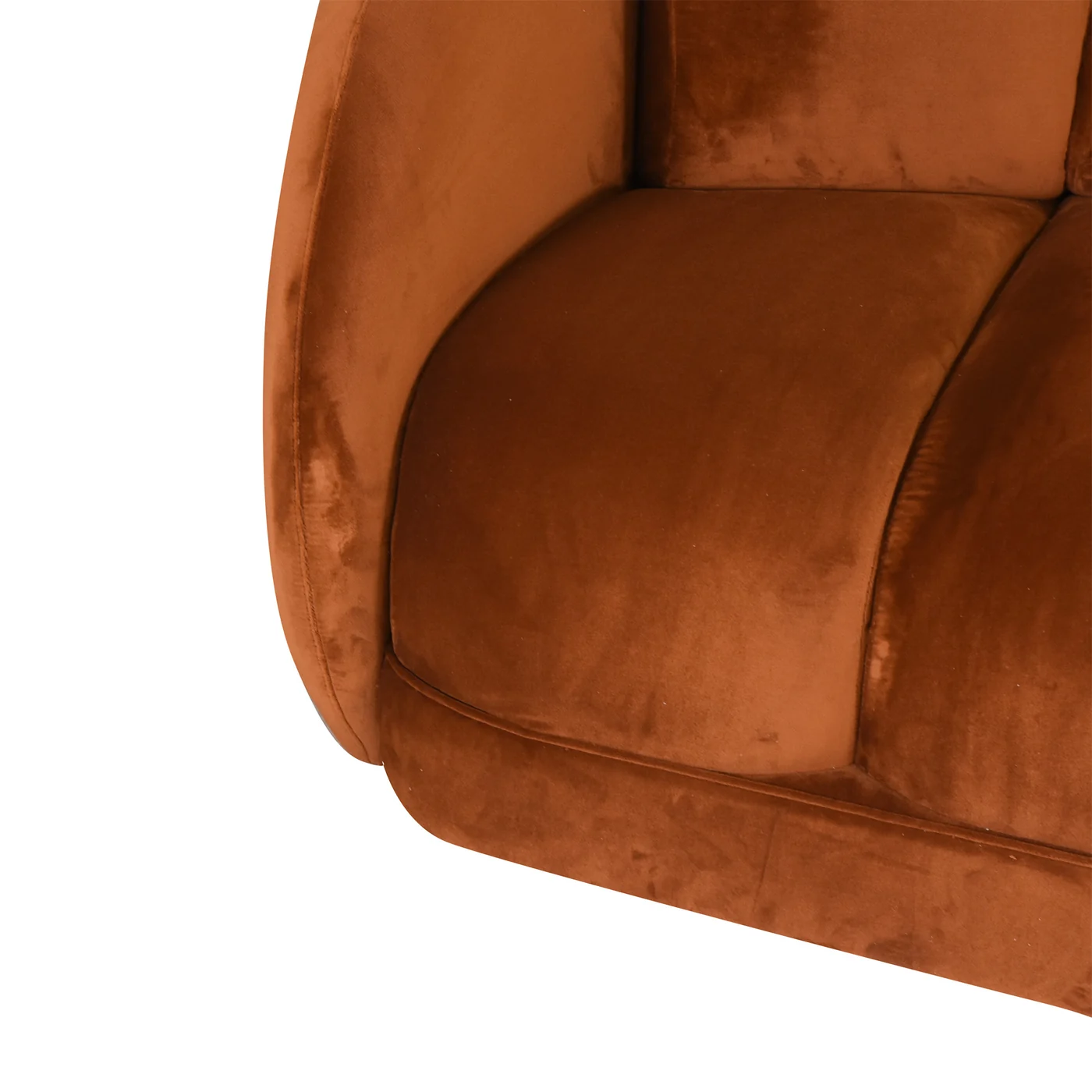
FF&E meaning in business becomes clearer when the team tests the item at real events:
- Development or fit-out: define package boundaries, budget ownership, approvals, quantities and interfaces before commitment.
- Opening and handover: reconcile delivered and accepted items to rooms, records, warranties, manuals and open exceptions.
- Operation and replacement: preserve location, condition, maintenance and replacement history where it supports the operator’s control system.
- Refurbishment: identify retain, relocate, repair, replace and dispose decisions before new packages are released.
- Transaction or operator change: verify what transfers, remains, is leased, is excluded or needs separate confirmation under the live documents.
The item name may stay the same while its responsible party, location, condition or commercial treatment changes. That is why a current status and event record are more useful than a static opening inventory.
Work one guestroom example: the bedside zone
A hotel bedside composition can include an upholstered headboard, bedside casegood, decorative lamp, reading light, power outlets, switches, charging hardware and a telephone. Visually, it is one design. For business control, it may cross several packages.
The headboard could be loose furniture, fixed furniture or millwork depending on construction and project allocation. The bedside unit may be a furniture item. The lamp may sit in the FF&E package while its outlet belongs to the electrical works. Charging hardware may be integrated by the furniture manufacturer but supplied or approved through another party. The telephone may be operator equipment.

The boundary card should not try to make every component FF&E. It should show the item identities, package owners and interface evidence needed to make the zone work. At handover, operations should be able to distinguish the furniture record from building-service documentation and operator-supplied equipment without losing the relationship among them.
Keep purchase, ownership and physical location separate
One entity paying an invoice does not always settle every later question about ownership, transfer, insurance or accounting treatment. Likewise, an item installed inside a property is not automatically part of the real estate for every purpose. Those conclusions belong to the governing documents and qualified advisers.
The current US Internal Revenue Service publication on depreciating property, for example, treats ownership, business use, useful life and expected duration as separate requirements and distinguishes tangible property from land. That demonstrates why a generic FF&E article should not assign depreciation treatment or useful lives. Other countries and local jurisdictions may use different rules. Keep the project record factual, then let the appointed finance and tax teams apply the relevant policy and law.
Turn project handover into an operating asset bridge
At hotel opening, the project team may have drawings, purchase orders, packing information, inspection records, delivery notes and snag lists. The operating team needs a stable, usable subset. For each controlled item family, reconcile:
- accepted item identity and current approved revision;
- room or zone allocation and accepted quantity;
- responsible supplier and contractual reference;
- installation or assembly status where relevant;
- warranty start, limitations and contact route;
- care, maintenance and replacement information actually supplied;
- serial, asset or batch reference where the owner requires one;
- open defect, shortage, substitution or ownership exception.
Do not hand over every project file without hierarchy. Name the record that controls item identity, the evidence that proves acceptance and the source for technical or care information. Preserve links to deeper records when operations may need them later.
Review the FF&E record before a renovation or transaction
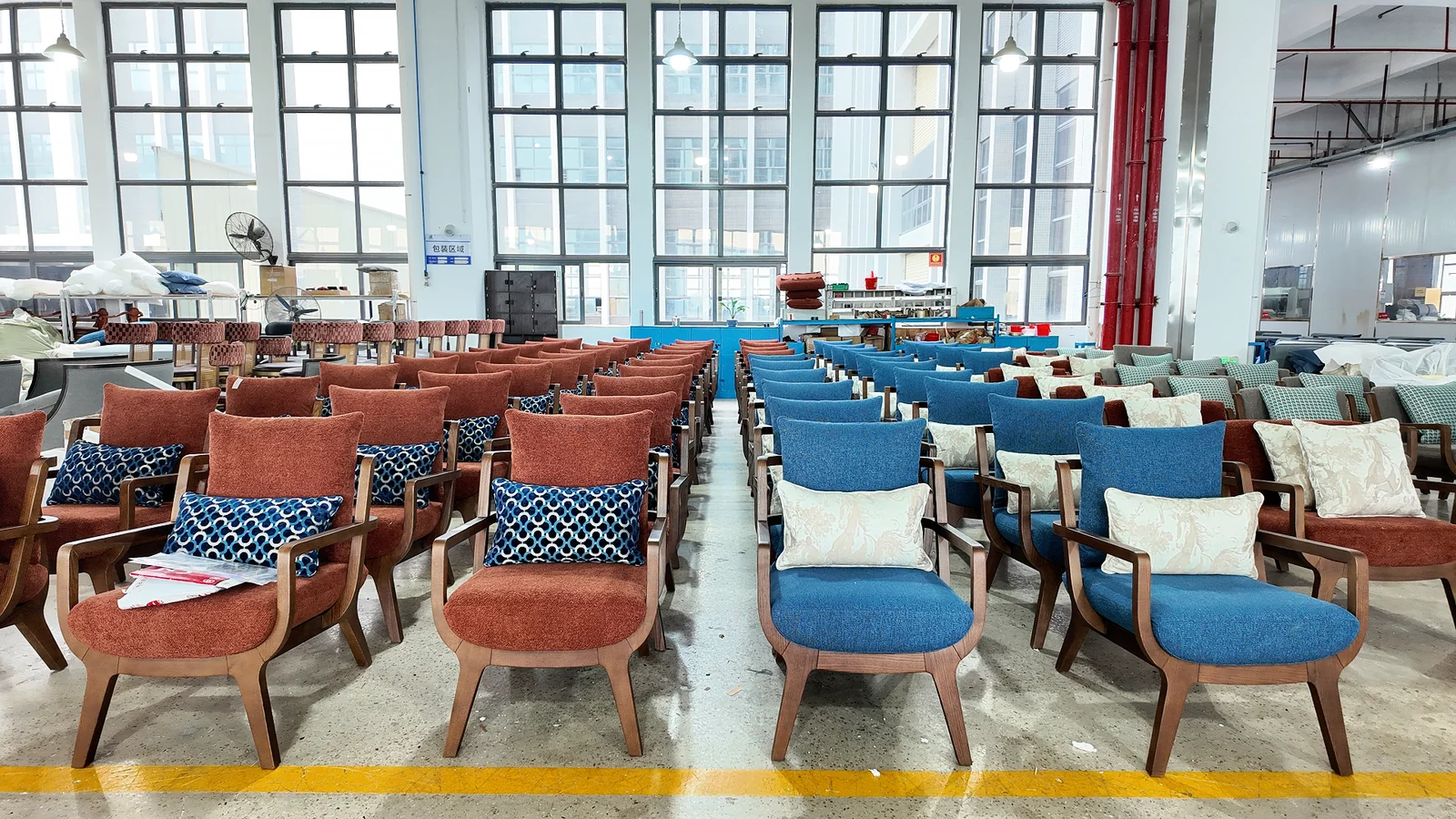
Before scope or deal documents are finalized, select representative rooms and public areas and compare the physical property with the four ledgers. Flag items that exist without a current identity, are recorded in the wrong room, appear under conflicting codes, have unclear ownership, lack a transfer decision or cannot be connected to warranty and replacement information.
Then classify the next action: retain, verify, survey, value, repair, relocate, replace, transfer, exclude or seek specialist advice. This is an operational review, not a valuation opinion. It gives the advisers and decision-makers a cleaner fact base.
Where a hospitality furniture manufacturer fits
A manufacturer can support the project and package ledger with item development, shop drawings, material coordination, prototypes, production records, quality checks and packaging references. Gainwell’s current capability workflow describes these stages for custom hospitality furniture projects. The live contract must still confirm the exact service, responsibility, evidence and production location.
To prepare a useful review, send the current room list, FF&E schedule, drawings, item codes, quantities, package boundaries, known ownership or operator interfaces, required handover fields and the decisions that remain open. Browse Gainwell’s hotel furniture categories to map the relevant furniture families, or contact the project team with the current property stage and records.
If you only need the general category definition, start with what FF&E includes in hotel projects. For business and real-estate control, use the four-ledger boundary card: it keeps the physical item connected to the project, the commercial arrangement and the operating asset record without pretending that one label answers every specialist question.
Frequently Asked Questions
What is FF&E in business?
FF&E means furniture, fixtures and equipment used to operate a business but normally tracked separately from the building itself. In hospitality, that may include beds, seating, casegoods, tables and operating equipment. The accounting, ownership and project boundary still needs to be defined item by item.
Is FF&E part of real estate?
FF&E supports the use of a property, but movable items are often distinguished from land and permanent building components. That distinction is not settled by appearance alone. Lease terms, ownership records, project scope and applicable accounting or legal advice should control the live classification.
How should a business track FF&E?
Give each item family a stable identifier and connect purchase data, owner, physical location, room or zone, condition, movement, replacement and disposal events. Keep the commercial record linked to the project schedule so a renovated or relocated item does not disappear between procurement and operations.
Can FF&E be depreciated?
Some business FF&E may be depreciable, but the treatment and recovery period depend on facts, jurisdiction and current tax rules. The IRS provides property-class guidance for US federal tax purposes; an owner should confirm classification and placed-in-service evidence with its qualified tax adviser.
What FF&E records should transfer at hotel handover?
Transfer the approved item schedule, purchase and ownership references, room allocation, finish or model identity, warranties where applicable, care information, spare parts, exceptions and current condition. The receiving operator should be able to reconcile what was bought, where it is and which record governs it.