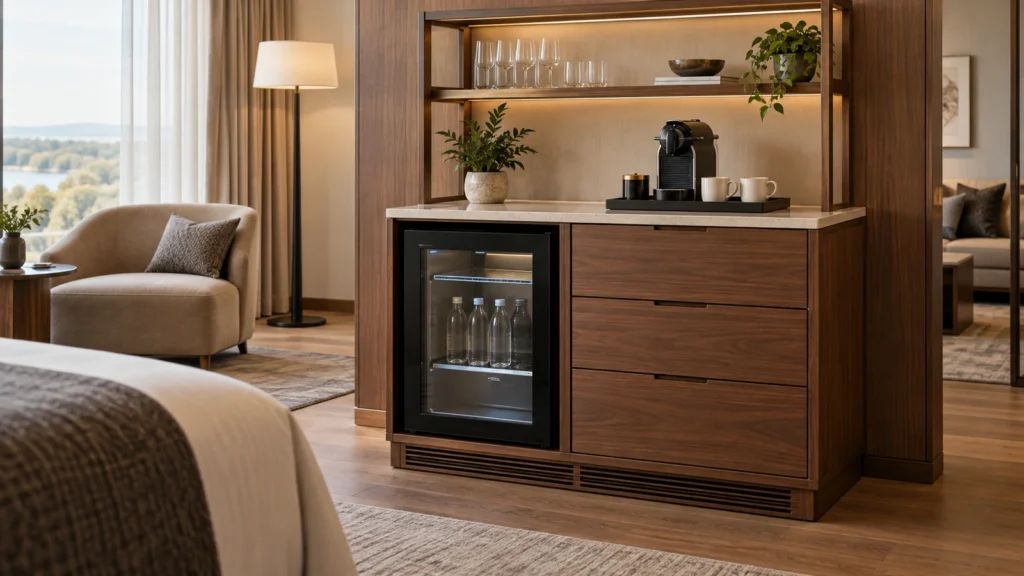

Neither acacia nor eucalyptus is automatically the better outdoor-furniture wood. Both names cover many species, and neither label defines the source, grade, board condition, component construction, joinery, finish, evidence or production lot. A hotel should compare complete furniture offers under the same project exposure and acceptance requirements—not award a generic genus.
The practical question is therefore not “Which name wins?” It is “Can this supplier connect the proposed timber to every relevant component, process, sample and delivered lot?” Build that record before design approval or commercial normalization. Keep the offer on HOLD when identity or change evidence is missing.
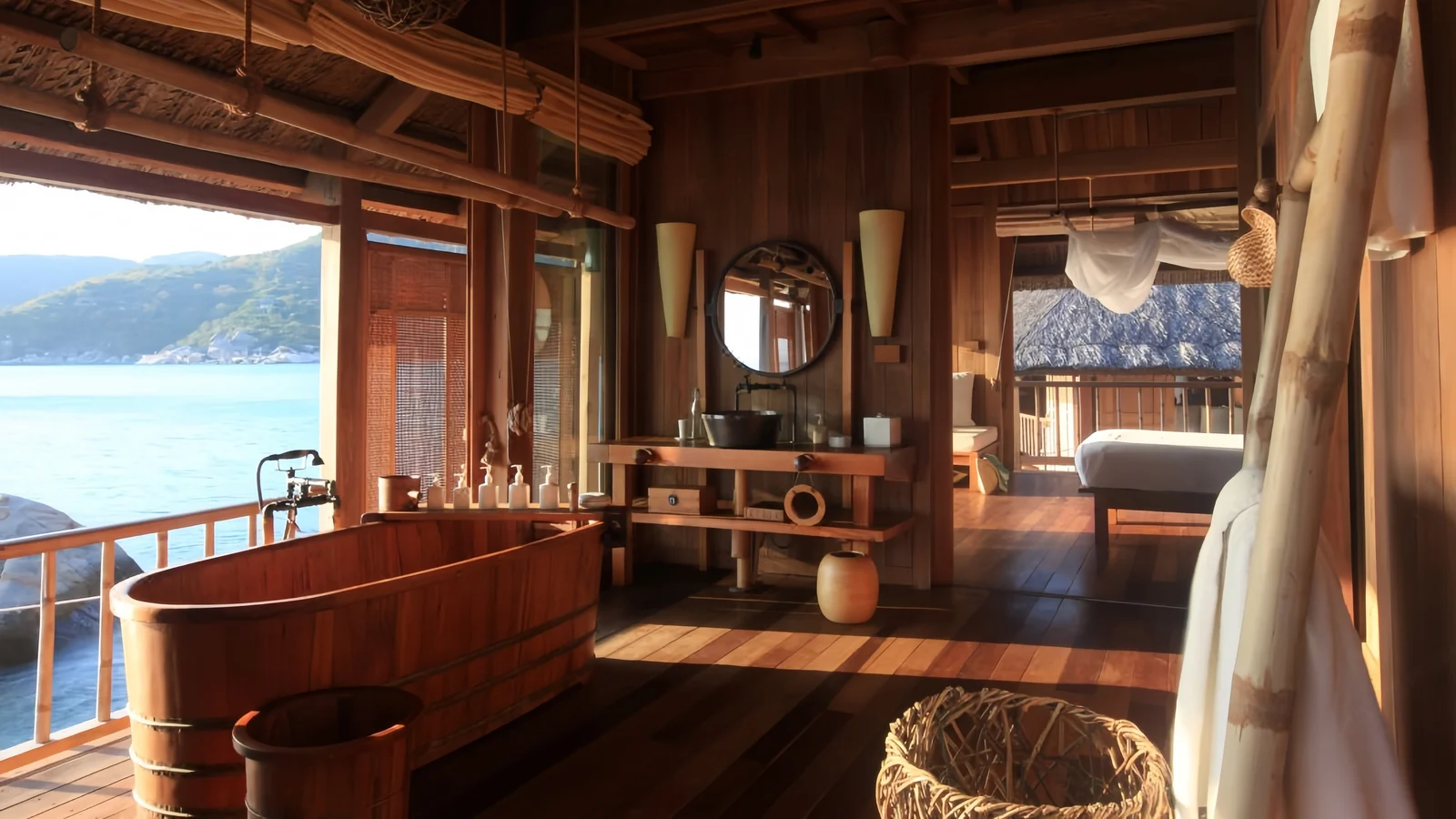
Start by expanding the genus label
Kew’s current Plants of the World Online records list more than 1,000 accepted species in Acacia and more than 700 in Eucalyptus. Those living database counts may change, but the procurement lesson does not: a genus name is not an exact species specification. Trade names can also be used inconsistently across markets.
Ask the bidder to issue a timber identity card for each furniture family. Record the declared common and scientific names, supplier, country or region of source when required, purchase or lot reference, relevant grading basis, claim documents and document dates. State who supplied each fact and whether it applies to the raw timber, a component, or the complete furniture item. A scientific name written into a proposal is still a declaration until the agreed evidence and traceability route support it.
Do not identify timber from colour, grain or a project photograph. Finishing, lighting, image processing, natural variability and construction can alter appearance. The sample can approve appearance; it cannot silently replace the identity record.
Map the timber to the furniture—not just the schedule
A chair or lounger may combine solid rails, laminated curves, veneered panels, dowels, plugs, fillers, hidden blocks and another material at an interface. Mark the proposed timber and wood form against the current item drawing or bill of materials. Include exposed faces, edges, end grain, joints, feet, hardware penetrations and replaceable parts. If a component is not covered by the timber declaration, name it rather than assuming it matches.
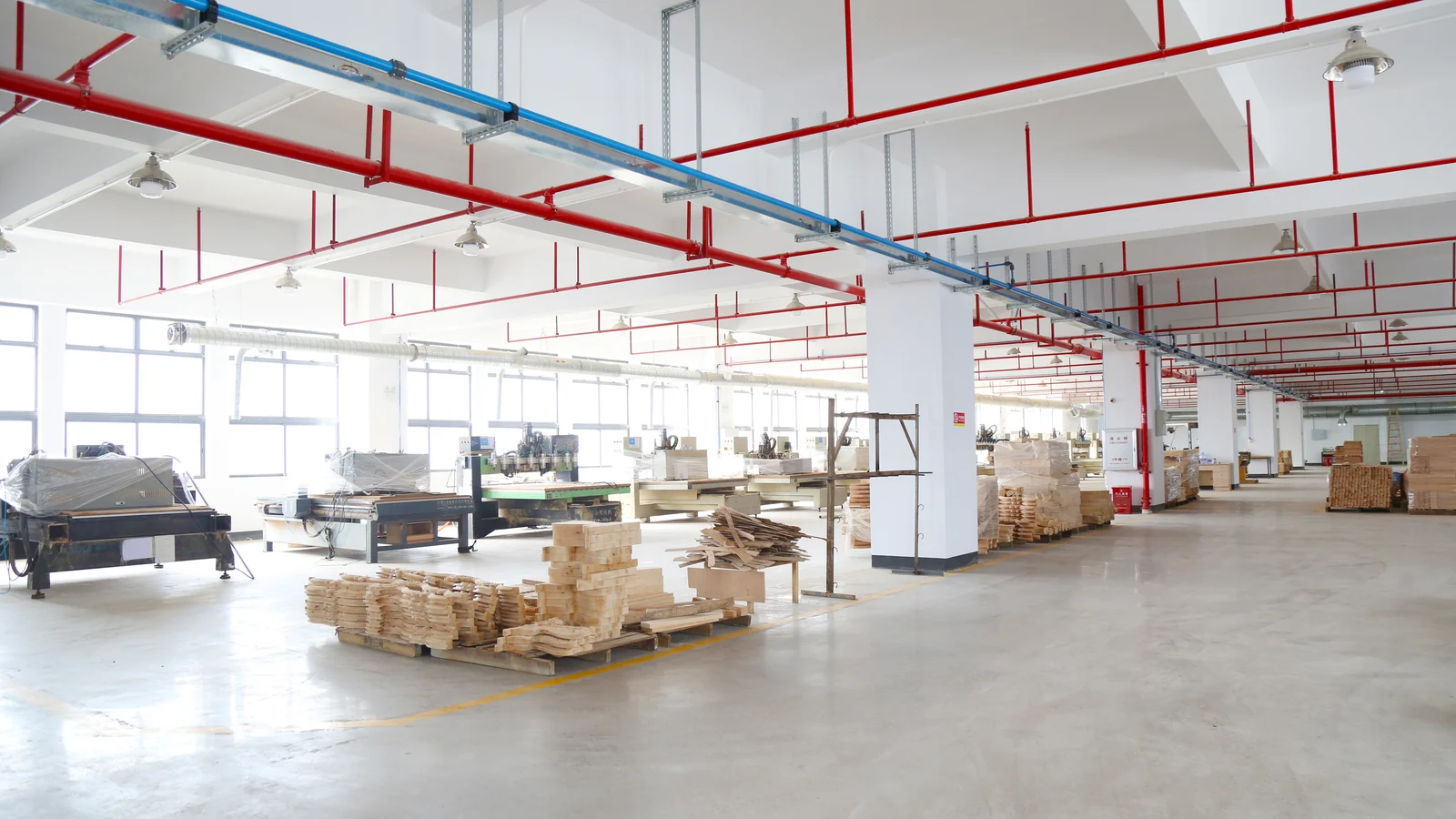
This map makes two quotations comparable. “Acacia frame” may mean all structural timber in one offer but only visible rails in another. “Eucalyptus tabletop” may refer to solid strips, laminated stock or a veneered construction. The project team does not need to prefer one form universally; it needs to understand the offered form, interfaces, evidence and consequences for the intended design.
Request condition and processing records
The USDA Forest Products Laboratory explains that wood is hygroscopic: it exchanges moisture with surrounding air, and the relationship depends on environmental conditions and the wood’s current moisture. Its moisture-relations chapter also shows why some physical properties must be treated as species-dependent. That does not create one correct moisture number for every hotel project.
Instead, require the responsible technical party to define the applicable target, method, sampling locations, equipment, tolerances and decision stage. Link the resulting readings to timber lot, component, date and conditions. Add drying route, conditioning state, storage controls, time out of controlled storage and any transport or factory event that could invalidate the recorded state. The FPL’s drying and moisture-control guidance supports controlled drying, handling and storage; the project must still set its own criteria.
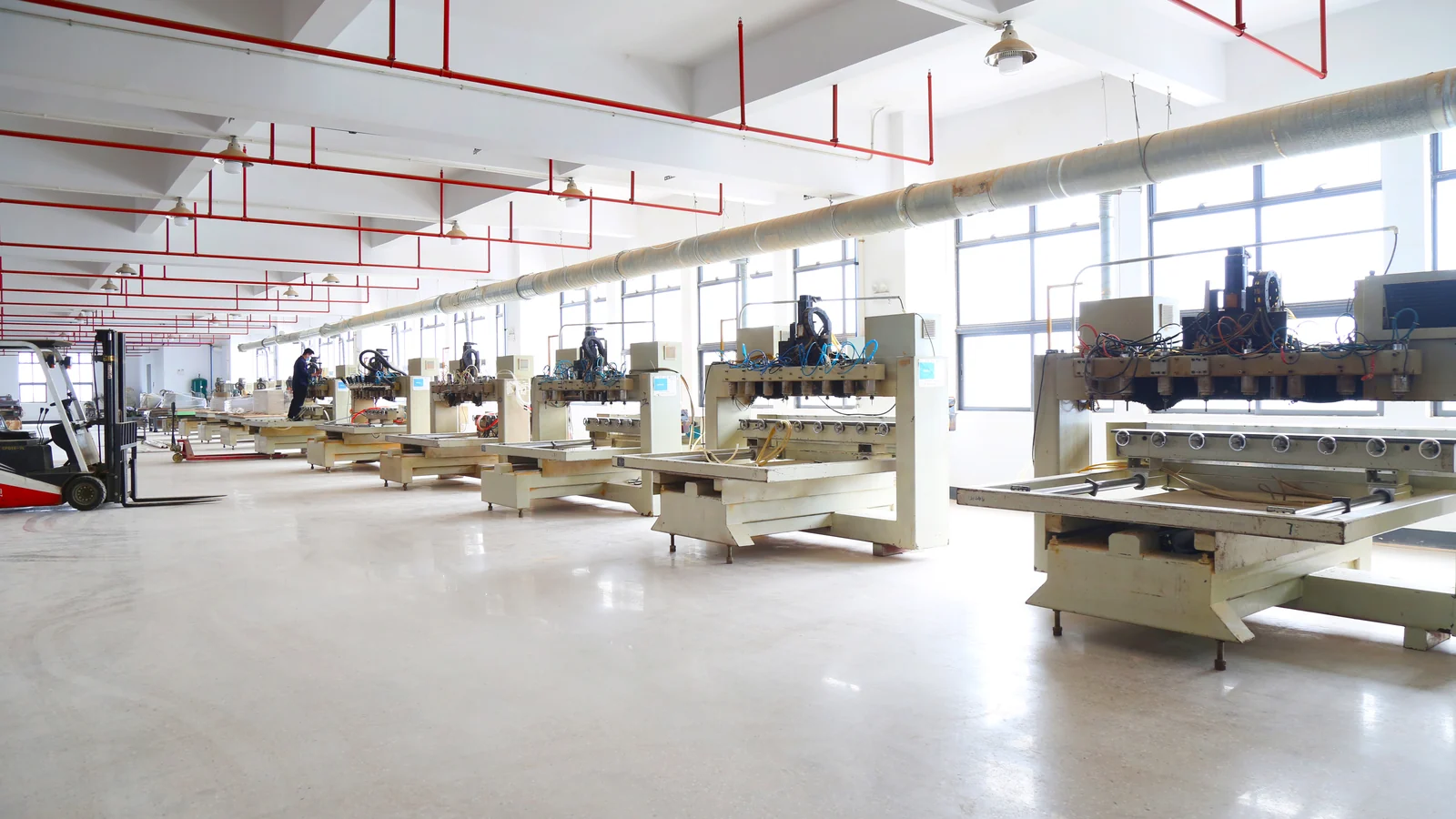
Record the proposed processing path where it affects the build: solid or laminated stock, machining sequence, joint preparation, fillers, adhesive interfaces, surface preparation and finish system. An ITTO technical report on plantation-grown acacias and eucalypts documents meaningful variation among species and processing routes. Use such research to justify verification—not to turn every species into the same performance claim.
Compare offers with the same evidence fields
Place the acacia and eucalyptus offers side by side only after both suppliers answer the same fields. Leave an unsupported field blank; do not score a marketing adjective as evidence.
| Decision field | Evidence to normalize | HOLD trigger |
|---|---|---|
| Identity and source | Scientific name, supplier, source declaration, lot and claim scope | Genus or trade name only; conflicting documents |
| Component and form | Item drawing or BOM mapping solid, laminated, veneered and hidden parts | “Frame” or “timber parts” is undefined |
| Condition and process | Project-defined moisture record, drying/conditioning route, storage and machining state | Target, method, sample or lot link is absent |
| Construction evidence | Representative joints, edges, drainage details and finish interfaces | Loose face sample cannot represent the item |
| Claims | Current document, certificate or test with named holder, scope and validity | Logo, certificate or test is applied beyond its scope |
| Continuity | Approved sample ID, material/finish lots, production revision and receiving references | Substitution or lot change has no reapproval record |
A property table is useful only when every value names the tested species, specimen condition, method and source. Do not paste density, hardness, shrinkage or natural-durability figures from different references into a single score when their bases are not comparable. A result for clear wood is not automatically a result for a laminated rail, assembled chair or finished outdoor item. Record whether evidence concerns raw material, a component, a joint, a coating interface or the complete furniture family, and state which project decision it can support. When evidence is unavailable, mark the gap and assign an owner rather than filling it with a generic hardwood assumption.
Commercial comparisons can then include price, lead time, yield, repair route and replacement continuity without hiding technical gaps. A lower quote with an undefined component scope is not yet like-for-like. Nor does a richer evidence pack automatically prove suitability; it makes the offer reviewable against the project’s requirements.
Approve a representative sample family
A small loose board may show colour and grain, but hotel furniture includes geometry and interfaces. Assemble a sample family that covers the exact declared timber and finish on a broad face, an edge, end grain, a representative joint and any laminated or repaired detail used in production. Where hardware, upholstery, glides or another material meet the timber, include that interface when it affects the decision.
Give every sample an item revision, timber identity card, component map, material and finish lot, build date, process record and intended decision. Define observation lighting and viewpoints for appearance. Separately record dimensional, joinery, exposure or other tests required by the project. One passing attribute does not approve unrelated claims.
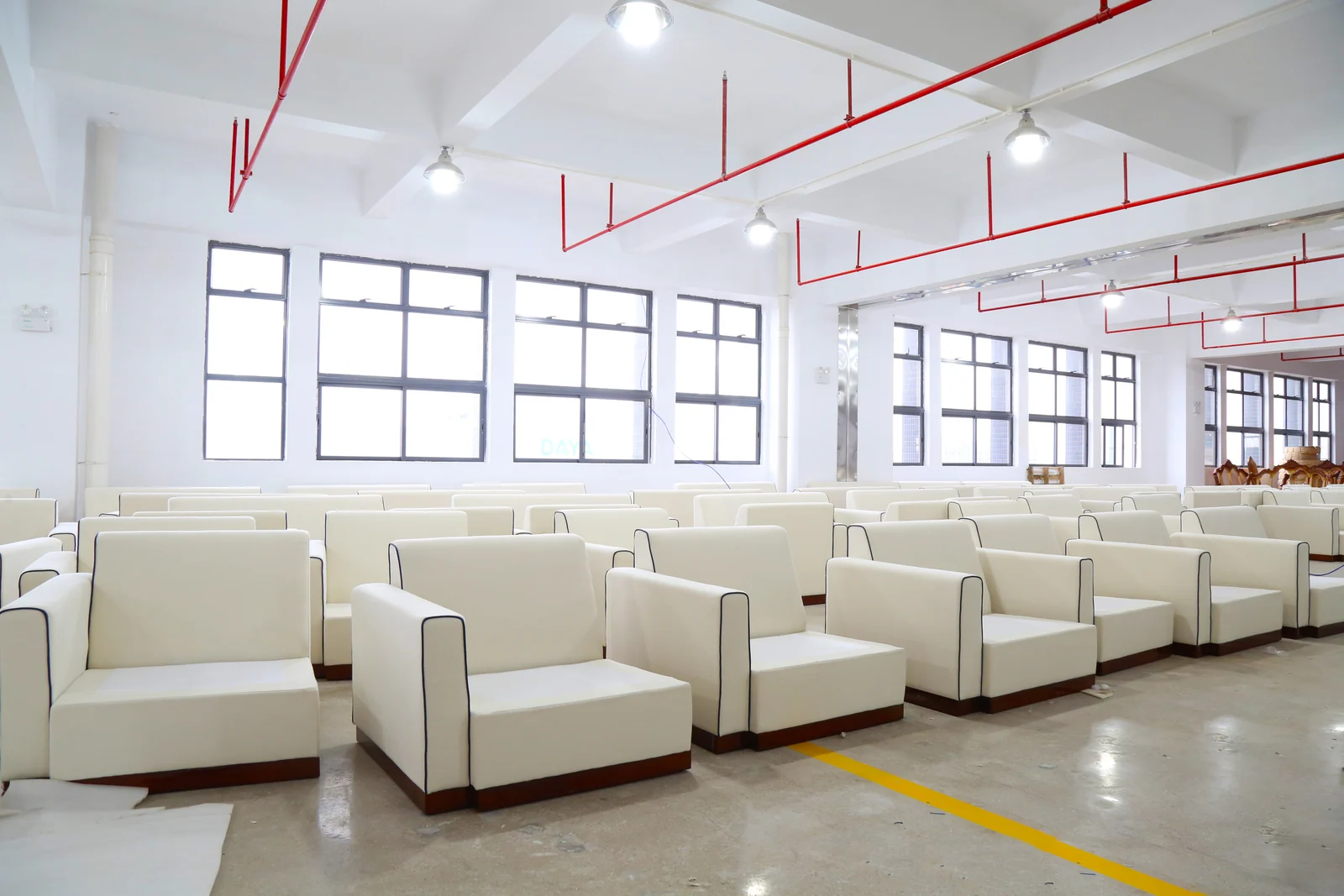
Carry the approved identity through production and receiving
The approved sample is useful only if production stays connected to it. Put the item code, drawing revision, declared species, supplier, timber lot, component scope, processing state, finish record and sample ID into the release pack. At line start and defined production checkpoints, compare the current records with that pack. At receiving, reconcile carton or item identifiers, shipment documents and agreed traceability fields before accepting the lot as continuous with the approval.
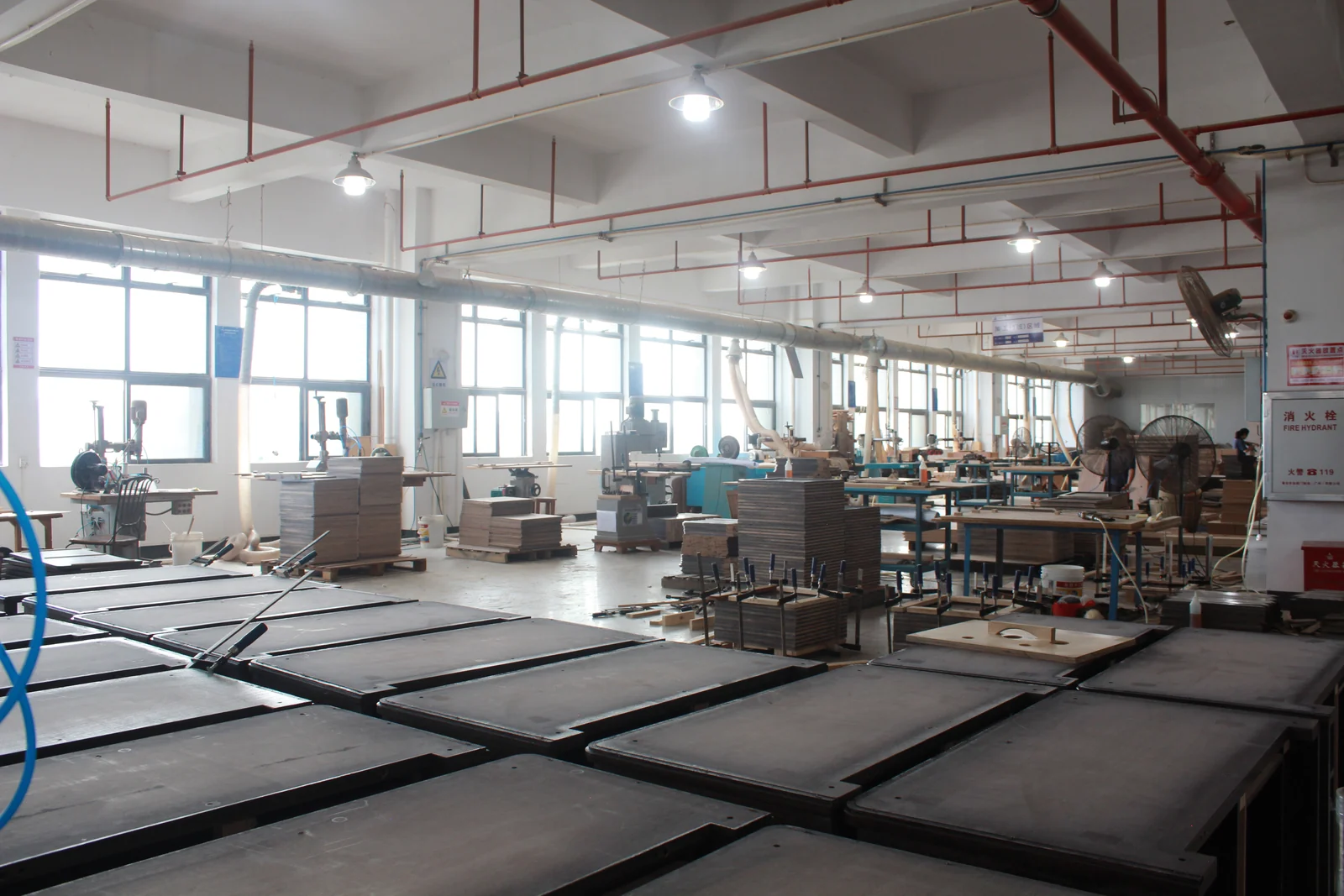
If the contract requires an FSC claim, use the applicable current certificate and chain-of-custody records. FSC explains that certified material is identified and tracked during manufacturing and distribution. That traceability claim does not by itself identify every timber species, approve the furniture construction, establish outdoor durability or replace project testing. Keep claim scope, product group, holder and document validity separate from the technical approval fields.
Put substitutions through a real change gate
Open a change request when species, source, supplier, grade, component coverage, wood form, drying or conditioning route, adhesive, joint, finish, evidence document, production site or lot continuity changes. Describe the exact old and new fields; identify affected items and approvals; provide updated evidence and a representative sample or test when the decision needs one. The authorized reviewer then records PASS, conditional approval or HOLD.
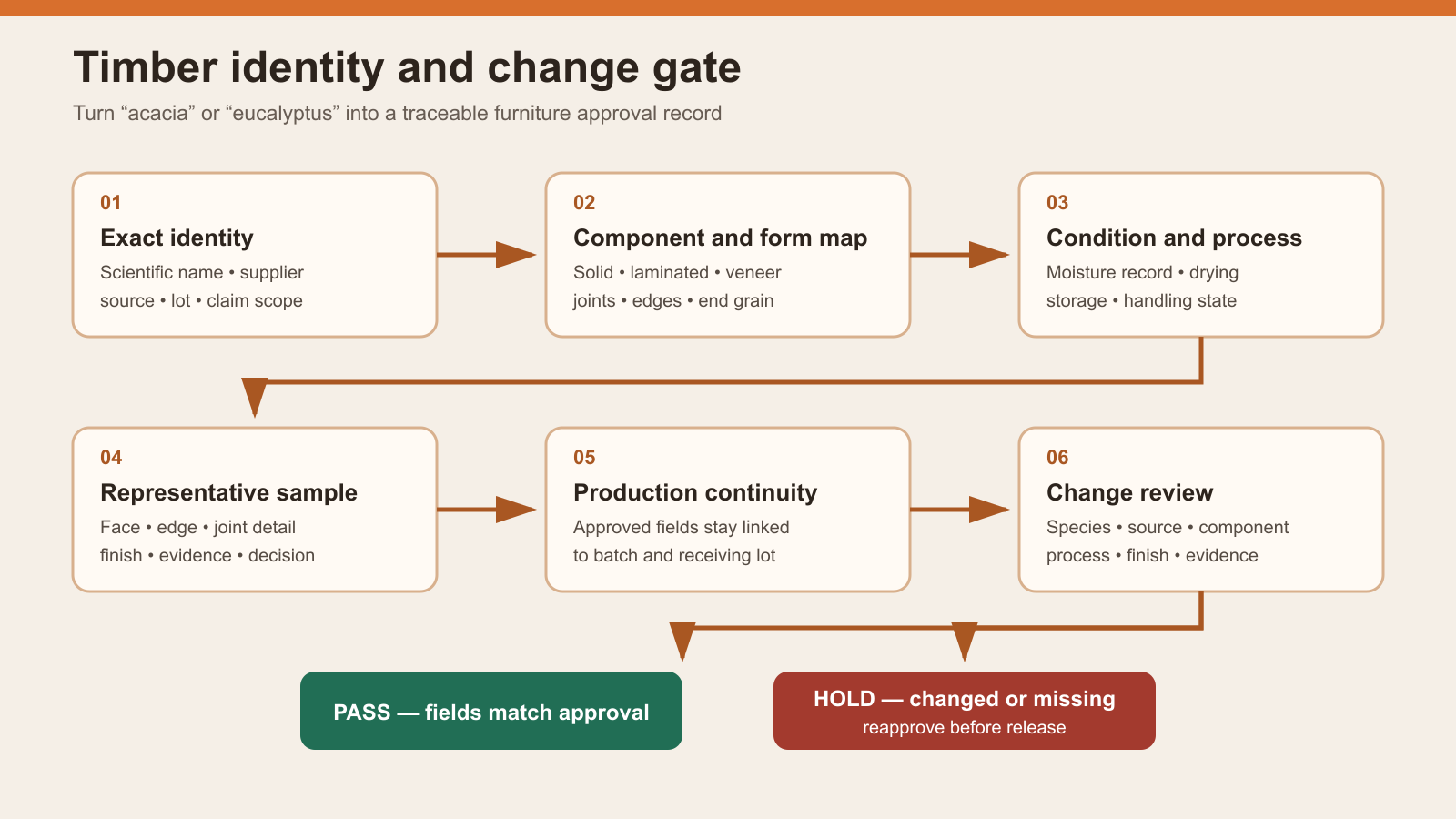
Do not treat “same genus,” “similar colour,” “same factory,” “better grade” or “equivalent hardwood” as automatic approval. A substitution may be acceptable, but acceptance must be explicit and scoped to the changed offer. Preserve the original decision, change evidence and new release reference so production and receiving know which state governs.
Send a reviewable timber offer
Gainwell’s Materials and Outdoor Material Guide pages provide material and outdoor product context. Its capabilities cover technical development, sampling, production control, inspection, packaging and delivery support. Routine care belongs in the current outdoor furniture cleaning guide, after the exact material and finish are known.
For an acacia or eucalyptus furniture review, send the furniture schedule and current drawings, destination and exposure brief, item quantities, declared scientific name and supplier/source data, component/form map, condition and processing records, proposed finish, claims required, sample/test matrix, acceptance owners and substitution rules through the Gainwell project contact. Final species, methods, targets, suitability and approvals remain project-specific.
Frequently Asked Questions
Is acacia wood good for outdoor furniture?
It can be a viable proposal, but “acacia” alone is not enough to approve hotel outdoor furniture. Confirm the exact species and source, component use, wood form, condition and processing records, construction, finish and project-specific evidence. Review a representative sample under the actual exposure brief instead of relying on a generic genus reputation.
Is eucalyptus good for outdoor furniture?
It may be viable when the exact species and complete furniture system meet the project requirements. “Eucalyptus” covers many species, so request the same identity, component, moisture/process, sample and lot-continuity fields used for any competing offer. Do not infer suitability or service life from the common name.
Which is better for hotel outdoor furniture: acacia or eucalyptus?
There is no universal winner at genus level. Compare fully described offers against the same exposure, design, construction, evidence, maintenance, commercial and continuity requirements. The better offer is the one that passes the project’s decision matrix with traceable evidence—not the one attached to a broader marketing claim.
How can a hotel verify an acacia or eucalyptus furniture offer?
Start with a timber identity card naming the declared scientific name, supplier, source and lot. Map it to components and wood forms, attach condition and processing records, build a representative sample family, link production to the approved record and reconcile those references at receiving. Unresolved or conflicting fields stay on HOLD.
Does an FSC claim prove the timber species or furniture performance?
No. An applicable FSC chain-of-custody claim addresses certified-material identification and tracking within its stated scope. It does not automatically prove exact species, moisture condition, grade, joinery, finish, outdoor durability, legal compliance in every jurisdiction or approval of the complete furniture item. Verify those fields separately.
What must be reapproved if the supplier changes the timber offer?
Review every affected field: species, source, supplier, grade, component coverage, wood form, conditioning and processing route, joints, adhesives, finish, claims, evidence, sample and production/receiving lot references. The project may limit reapproval to affected decisions, but it should document the comparison, reviewer and new release state before production continues.