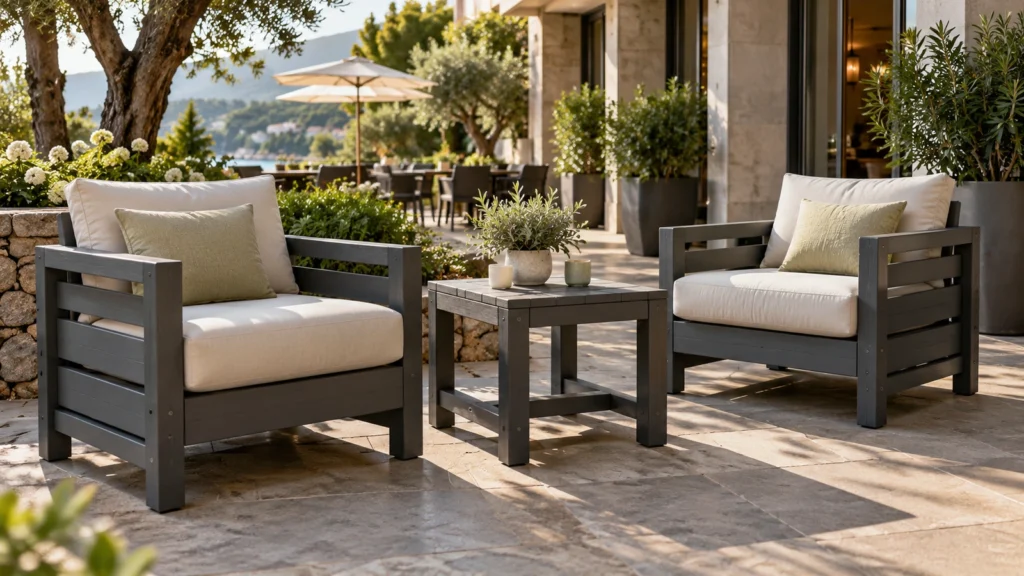

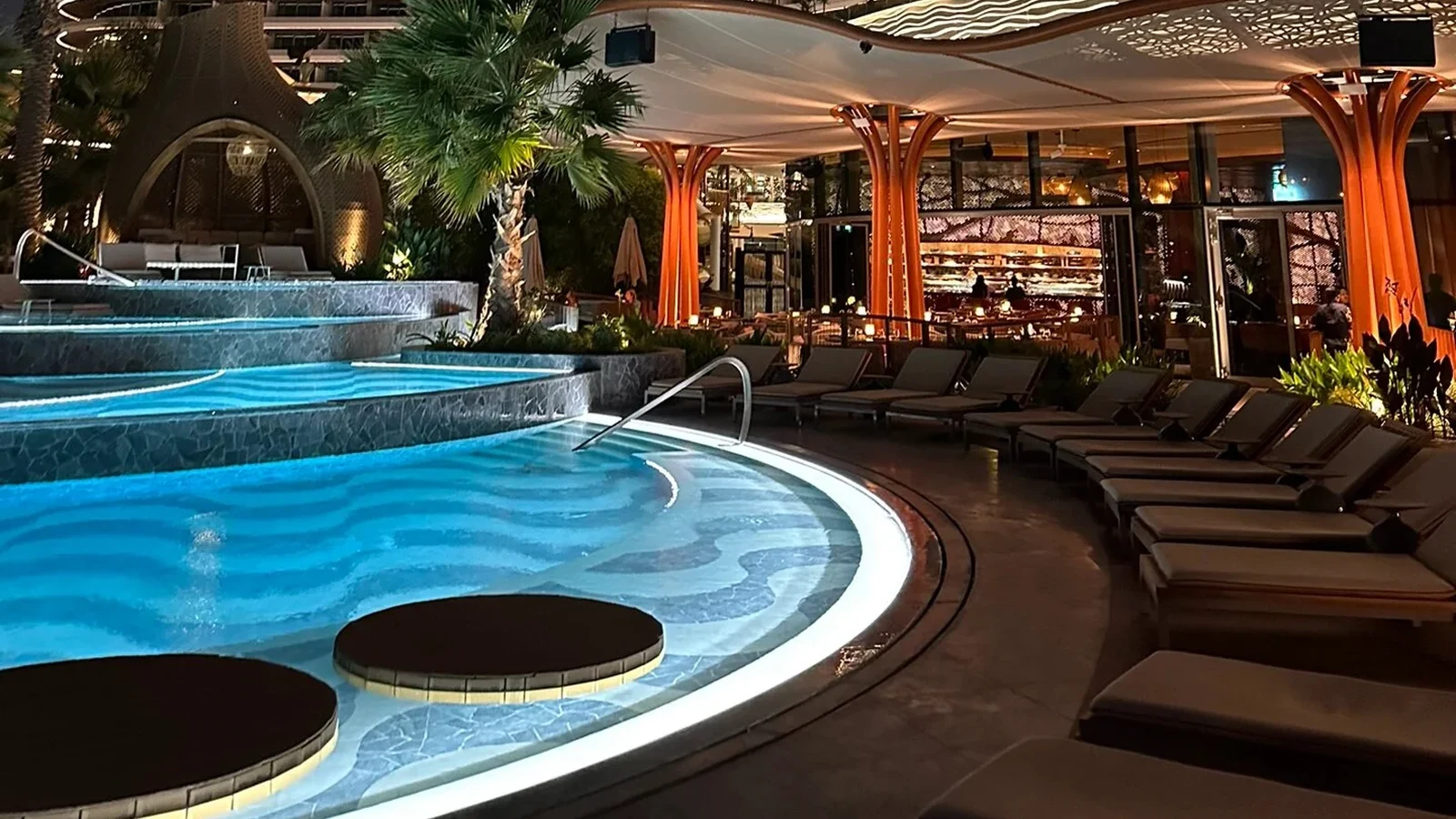
Outdoor furniture cushions can often handle occasional rain or poolside splashes, but their ability to recover depends on the complete cushion construction rather than the outer fabric alone. Water-resistant fabric may reduce surface wetting, yet water can still enter through seams, zips and other openings, reach the filling and remain inside if the cushion or supporting furniture does not drain effectively.
For hotels and resorts, this makes wet-weather performance an operational issue as well as a product feature. Cushions need to drain, air needs to reach damp areas, and staff need a realistic way to move, dry and inspect them before they are covered, stored or returned to guests. A cushion that performs well in a sheltered restaurant veranda may therefore be less suitable on an exposed pool deck where repeated rain leaves little time for recovery.
How Do Outdoor Cushions Handle Rain?
An outdoor cushion is a combination of fabric, seams, internal filling, wrapping and support conditions. Each part affects where water travels and how readily it can leave. A water-repellent cover may shed a brief shower, but seams and zips can still admit moisture. Once water reaches the insert, the type of filling becomes important: some constructions retain more moisture, while others are designed to encourage drainage and airflow.
The furniture underneath also affects the result. A removable cushion sitting on an open, well-drained frame can dry differently from one fitted into a deep seat recess where water collects underneath. Cushion size matters as well because a large, deep sofa cushion holds more material and is harder for staff to reposition than a thin removable seat pad. For this reason, the cover, insert and supporting frame should be considered as one assembly rather than assessed separately.
Occasional rain should also be distinguished from prolonged exposure. A short shower followed by warm, ventilated weather is not the same as several wet days with little drying opportunity. Poolside splashes differ again from standing water or cushions left damp overnight. If the product is intended for occasional outdoor wetting and can drain properly, it may remain outside in normal conditions. During prolonged rain or extended periods of non-use, removable cushions may need to be moved under shelter according to the product instructions.
How Should Wet Outdoor Cushions Be Dried?
Once cushions become wet, first establish whether the moisture is mainly on the surface or has reached the interior. Surface droplets that disappear quickly may require only ventilation, while dripping from seams, water released during gentle handling or a persistently damp underside suggests that the insert is wet. A cover that feels dry should not be used as the only test because moisture can remain deeper inside thick cushions.
The drying process should give water a route out while exposing the damp areas to moving air. Start by moving the cushions to a sheltered, ventilated location where they can drain without sitting on dirty ground or wetting other stored items. Where permitted, blot accessible surface moisture with a clean absorbent cloth rather than twisting the cushion or forcing water through the seams. Position the cushion so that its underside and edges remain open to air, and avoid stacking wet cushions together.
Separate the cover and insert only when the construction and care instructions allow it. A zip may provide manufacturing or inspection access without being intended for routine removal. Cushions should then be allowed to air-dry and repositioned if one face remains against another wet surface. Before returning them to service, inspect the seams, underside, accessible filling and the supporting furniture to make sure retained moisture has not been overlooked.
There is no useful universal drying time. A thin pad in warm, dry airflow may recover relatively quickly, while a deep lounge cushion with internal wrapping can take much longer. Humidity, ventilation, cushion thickness and the amount of water absorbed all affect recovery. Heat sources such as tumble dryers or hairdryers should not be used unless the relevant instructions specifically permit them, because fabric-cleaning guidance does not automatically apply to the complete cushion assembly.
If a cushion repeatedly stays wet, the cause needs investigation rather than more drying time. Water may be trapped by the insert, the seat recess or an obstructed drainage route. Persistent odour, visible growth, torn seams or distorted filling should move the item into cleaning, repair or replacement review instead of returning it directly to guest use.
How Can Hotels Protect and Store Outdoor Cushions?
The best protection routine is one that the property can carry out consistently. A fitted furniture cover can reduce unnecessary wetting during short periods between uses, but it should not be placed over cushions that are already damp. Covering a wet assembly can restrict airflow and prolong the problem rather than solve it.
For longer periods of non-use, removable cushions may be better stored under shelter. Drying and storage should remain separate stages: a sealed bag, tightly packed box or crowded storeroom is not a suitable place to finish drying wet cushions. Staff need a defined route for wet cushions, a ventilated place for drying and a separate clean area for fully dry stock.

Scale matters in hotels. Moving a few cushions from a private villa terrace is very different from clearing dozens of pool loungers before heavy rain. A technically sensible routine may fail if the storeroom is too far away, the drying area is too small or one person cannot safely handle the cushion size. The operating plan should therefore identify which cushions are moved during extended rain, where wet pieces go, where dry pieces are stored and who confirms that they are ready to return to service.
The same issue becomes more important during seasonal closure, when larger quantities may be stored for longer periods. A wider outdoor furniture storage process can help keep wet, damaged and serviceable cushions separated and identifiable when the property reopens.
What Should Hotels Check When Specifying Outdoor Cushions?
Repeated wet-weather problems should influence the next furniture specification. Replacing one outdoor fabric with another may not solve slow drying if the real problem lies in the insert, internal wrapping or the furniture underneath.
The starting point should be the actual location. An exposed pool terrace, covered dining veranda and humid garden lounge may require different cushion constructions and different levels of protection. The project team should review the cover fabric, seams, filling, internal layers, underside and supporting frame together, with a clear understanding of how water is expected to leave the completed seating.
Cushion format also affects operations. Large deep cushions can provide a more substantial lounge appearance but require more staff effort and more drying space. Smaller removable pads may be easier to manage, while fixed upholstered outdoor seating requires a different recovery strategy because the cushion cannot simply be carried away. When reviewing outdoor seating and loungers, the cushion design should therefore be considered alongside the frame and furniture type rather than treated as a decorative add-on.
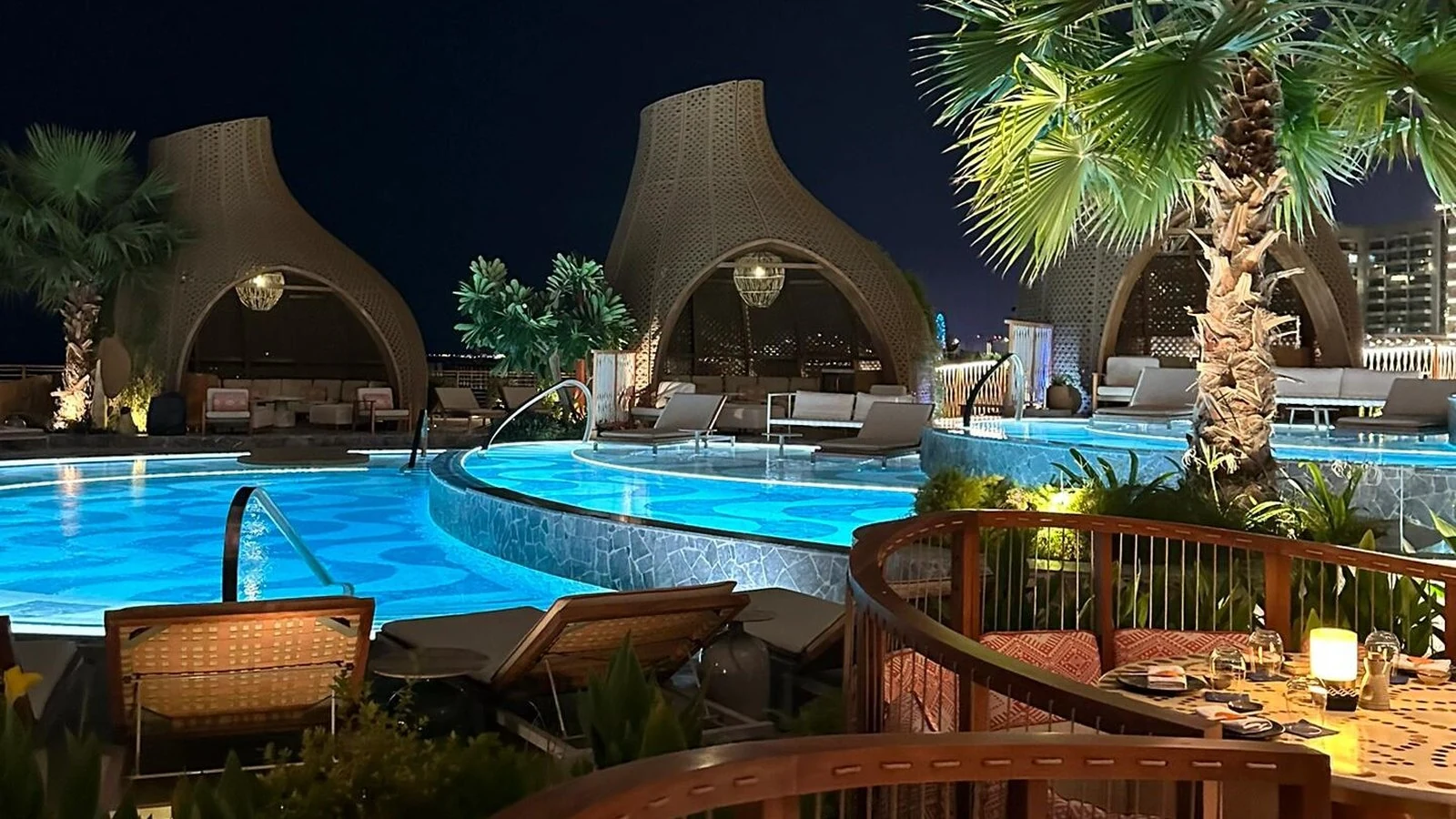
A representative sample can help test these practical issues before a large quantity is released. Staff can check whether the cushion is easy to remove and reposition, whether drainage remains clear once installed, whether damp areas are accessible for inspection and whether the proposed drying area can accommodate the item. The purpose is not to establish one guaranteed drying time, but to confirm that the seating system fits the hotel’s exposure and operating resources.
Plan Outdoor Cushions for Hotel Wet-Weather Use
For hotel and resort projects, wet-weather requirements can be addressed during furniture development instead of becoming maintenance workarounds after installation. Drainage routes, cushion size, removable components and storage conditions can all be considered alongside appearance and comfort before the furniture package is finalized.
Gainwell develops custom outdoor hospitality furniture from project drawings and specifications. For cushioned seating, the proposed construction can be reviewed together with the intended location, exposure conditions and the property’s handling, drying and storage arrangements.
For an outdoor seating project, share the furniture types, quantities, exposure conditions, preferred cushion appearance and available shelter or storage space. Existing wet-weather issues can also help identify the construction details that need closer review during development.
FAQs About Wet Outdoor Cushions
Can Outdoor Cushion Covers Be Machine Washed?
Some removable covers can be machine washed, but the instruction applies to the specified cover rather than automatically to the complete cushion. Check the fabric guidance together with the furniture manufacturer’s removal instructions. A zip alone does not confirm that the cover is intended for machine washing.
Can Water-Repellent Treatment Make Cushions Waterproof?
Only use a treatment that is approved for the exact fabric and compatible with the cushion construction. A surface treatment may improve water repellency, but it does not seal seams or change the drainage characteristics of the insert.
How Should Poolside Cushions Be Rinsed?
Follow the product instructions. Where fresh-water rinsing is recommended, use the permitted method and allow the cushion to drain and dry afterwards. Rinsing the surface is different from soaking the entire cushion.
Can a Wet or Damaged Cushion Insert Be Replaced?
Yes, if the cover remains serviceable and a compatible replacement insert is available. The replacement should match the required dimensions, support, internal construction and drainage arrangement. If the cover, lining or supporting seat is also damaged, replacing the insert alone may not solve the original problem.