

A fabric swatch can establish color, texture and a small part of the performance record. It cannot show how that cover behaves across a full headboard, turns an edge, meets another panel, frames a socket or repeats through hundreds of rooms. Those outcomes also depend on the seam map, padding, substrate geometry, pattern direction, manufacturing method and cleaning routine.
To specify an upholstered headboard for a hotel, approve the complete upholstery system—not the fabric in isolation. Link the exact cover article and color to the panel geometry, edge and seam details, backing or treatment, padding, service openings, maintenance inputs and full-form sample. Then preserve that approved combination as the production control reference.
This guide is a coordination method, not a material endorsement or code interpretation. The project team must confirm the exact destination requirements, applicable test methods and acceptance criteria with the responsible professionals and suppliers.
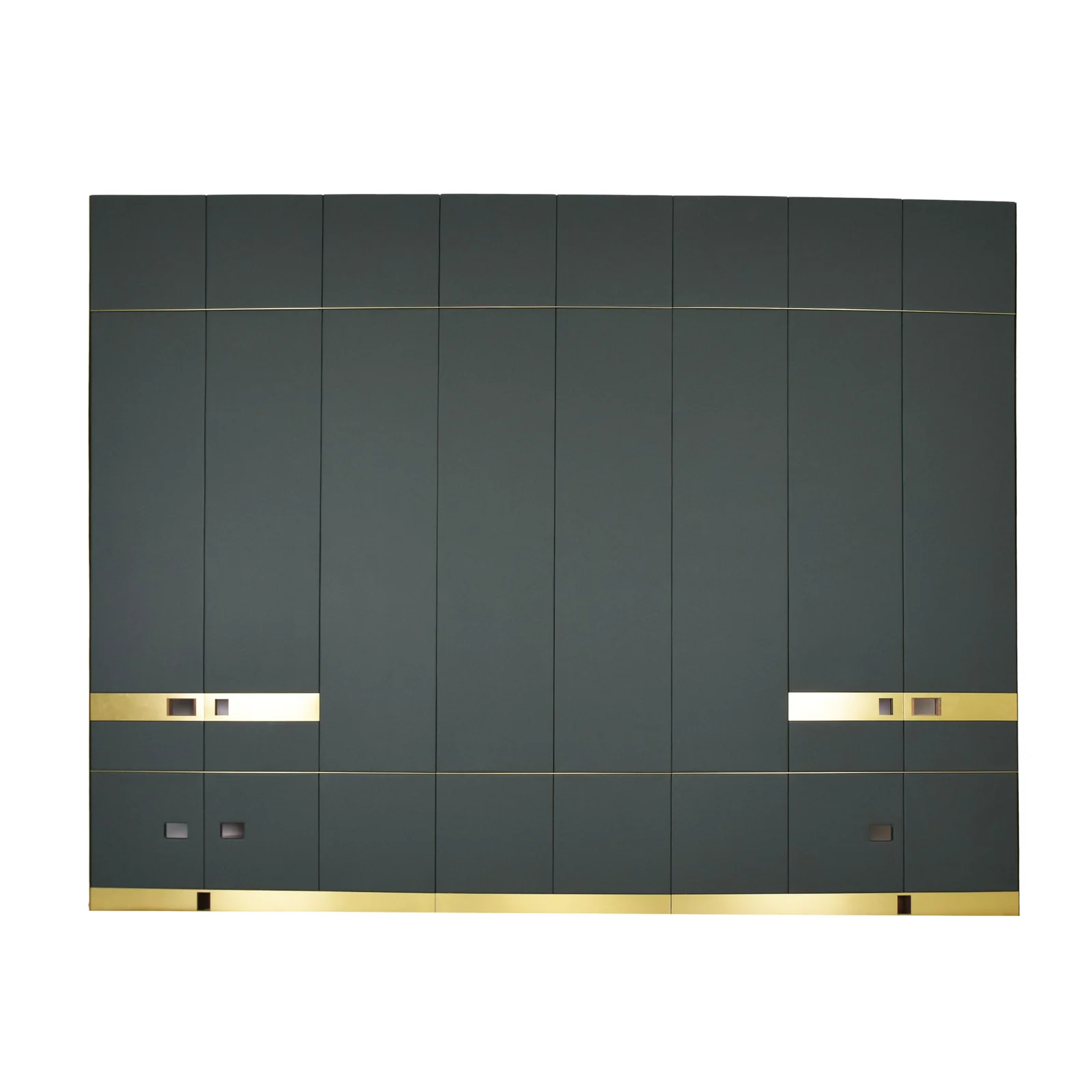
Map the six layers before choosing the cover
Begin with a one-page system map. It keeps the aesthetic decision connected to the build and prevents a fabric approval from being mistaken for a finished headboard approval.
| System layer | What the release record should identify | Typical unresolved risk |
|---|---|---|
| Cover identity | Supplier, exact article and color, batch or dye-lot control, roll width, direction, repeat and approved physical sample | A generic material name or screen image is used instead of the proposed article |
| Visible surface | Plain, paneled, channeled, fluted, buttoned or other approved surface; pattern placement and viewing direction | The small swatch does not reveal shading, nap, repeat or panel-to-panel alignment |
| Seams and edges | Seam type and route, piping or trim, corner radius, returns, panel gaps, thread and visible stitch reference | The drawing shows an outline but not how the cover turns or joins |
| Padding and support | Approved build-up, softness or profile reference, transition at edges and openings, and the supplier responsible for the complete assembly | The cover is approved without testing it on the proposed form |
| Substrate and interfaces | Panel divisions, backing condition, adjacent hard finishes, lower edge, service openings and removable elements | A change to the panel or opening invalidates the earlier upholstery sample |
| Operation and maintenance | Guest-contact zones, housekeeping products and method, access route, repair or replacement strategy and approved limitation | The specified cleaner or replacement route has not been checked against the exact assembly |
Do not use this map to infer hidden construction from a photograph. Its purpose is to ask for the project-specific drawing, sample, supplier data and approval that close each layer.
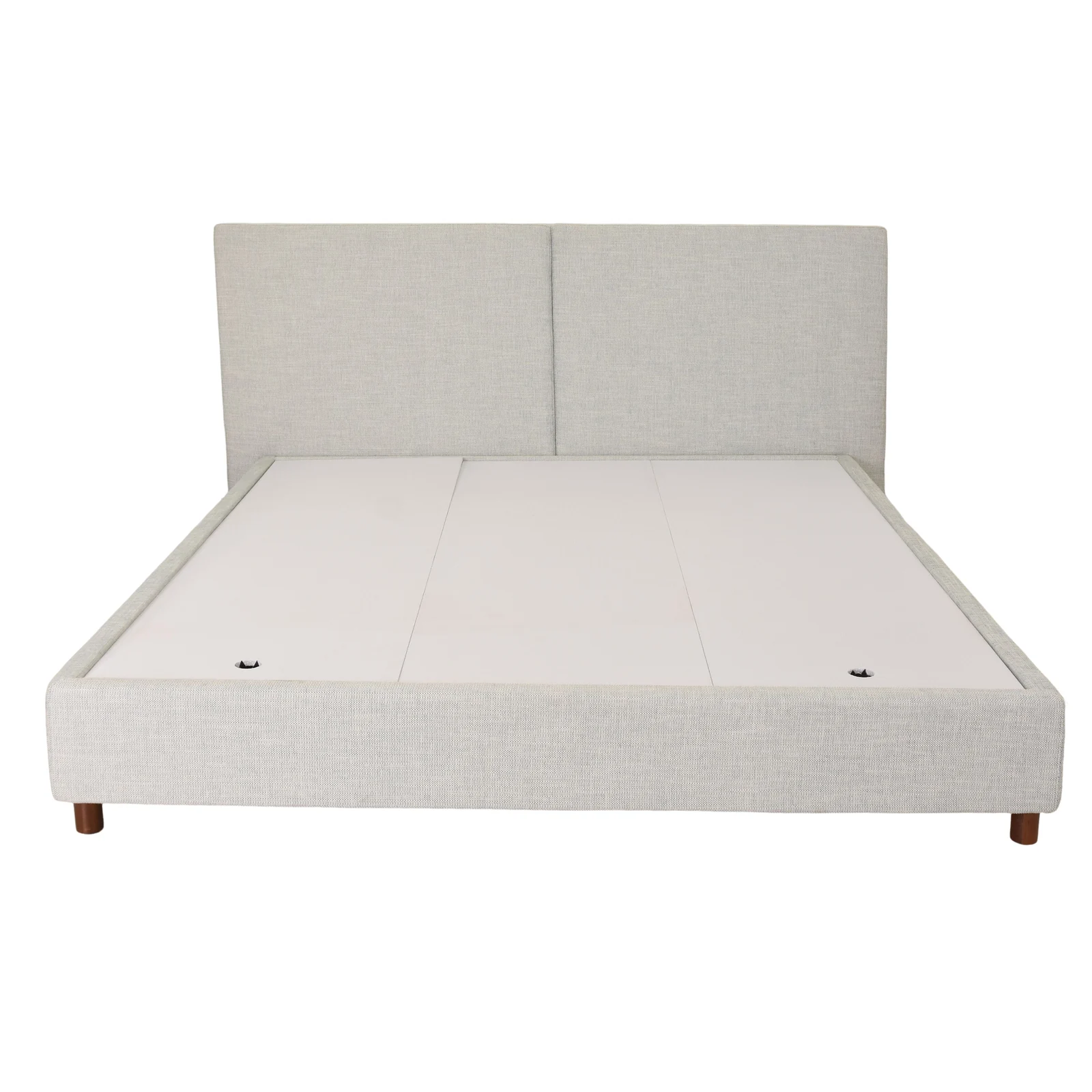
Start with exposure and detail, not a fabric name
“Fabric headboard,” “king upholstered headboard” and “bouclé headboard” describe appearance or category. They do not establish whether the exact product suits the headboard form, hotel operating routine or required evidence route. Translate the design into exposure-and-detail questions first.
| Design condition | Questions to resolve on the proposed cover | Full-form evidence |
|---|---|---|
| Large plain panel | Will the surface show directional shading, rippling, telegraphing or batch variation across the full span? | Large upholstered panel viewed under the intended room-light direction |
| Channels or flutes | Can the cover maintain the approved spacing, depth, line and tension across corners and panel breaks? | Multi-channel detail plus full-width alignment check |
| Buttoned or deeply shaped detail | How will folds, perforations, joins and high-curvature areas be controlled and cleaned? | Complete repeated detail with the proposed padding and fastening method |
| Curved or winged edge | Does the cover wrap the radius without unacceptable puckering, distortion or seam migration? | Full corner or wing sample showing front, return and rear edge |
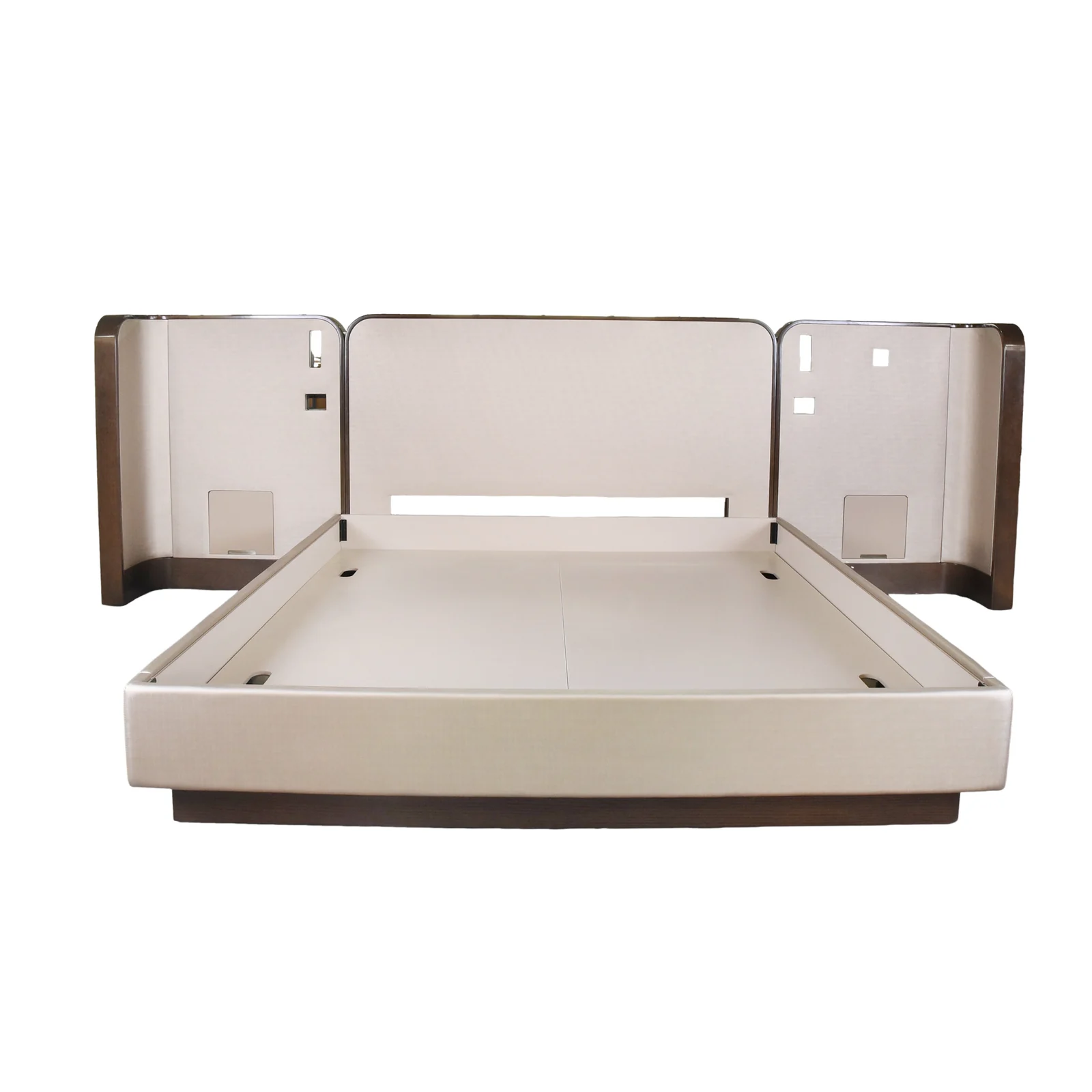
| Integrated lights, switches or sockets | Where do cut edges, trims, removable panels and service access interrupt the upholstery? | Representative opening with approved trim and access sequence |
Bouclé can be considered when its exact article, construction, application designation, cleaning guidance and full-form behavior satisfy the project. Its name alone is not a verdict. A pronounced texture may create a desired visual effect, but the project still has to review seams, edges, snag-prone details, cleaning response and batch consistency on the actual headboard form.
Read textile data as application evidence, not a lifespan score
The Association for Contract Textiles performance guidelines organize voluntary guidance by textile construction, intended application and indoor or outdoor use. That distinction matters for a headboard: a supplier may designate one product for upholstery, another for wrapped panels or upholstered walls, and each project must confirm which application and requirements apply to its assembly.
Request the current technical data for the exact article and color, not a family-level brochure. Record which test method, version, specimen and application the result covers. Ask whether backing, flame treatment, finish, printing, lamination or another process changes the tested article, its hand, color, seam behavior or cleaning instructions. The responsible project professional must determine which reports satisfy the destination and headboard classification.
Abrasion is one input, not a durability forecast. ACT’s abrasion guidance explains that Wyzenbeek and Martindale results do not directly predict product lifespan, that the methods do not correlate with each other and that application and maintenance affect actual outcomes. Therefore, do not rank two fabrics by a larger number alone or convert a laboratory cycle count into years of hotel service.
When a coated textile is proposed, expand the review beyond surface abrasion. ACT’s coated-fabric physical-property guidance identifies considerations such as coating adhesion, tear, seam strength, flex behavior, hydrolysis and stretch or set. The relevant questions depend on the exact material and application; the page’s values are not universal upholstered-headboard specifications.
Issue an upholstery evidence passport for the exact revision
Combine the scattered information into one controlled passport. Use it for factory-supplied material and for COM, meaning customer’s own material. The passport should identify:
- headboard code, room type, drawing revision and application classification;
- cover supplier, article, color, composition as declared by the supplier, width, direction, repeat and proposed batch controls;
- approved physical swatch and the exact sample or roll reference it represents;
- backing, treatment, finish or other processing applied before upholstery;
- supplier-designated application, current technical reports, limitations and project acceptance owner;
- pattern placement, cutting direction, seam and thread reference, piping or trim, edge and return details;
- approved padding and support build-up reference without exposing proprietary or unverified construction claims;
- operator-nominated cleaning products, method, spot-test instruction and prohibited treatments;
- repair, removable-panel or replacement route and the party responsible for spare material;
- full-form sample ID, comments, approval status and all open conditions.
For COM, add a material-availability and yield review. Pattern repeat, usable roll width, defects, direction, matching allowances and the furniture form can change consumption. Do not release a project quantity from a small nominal area calculation. The upholsterer should confirm the proposed cutting and yield assumptions against the exact headboard details and supplied rolls.
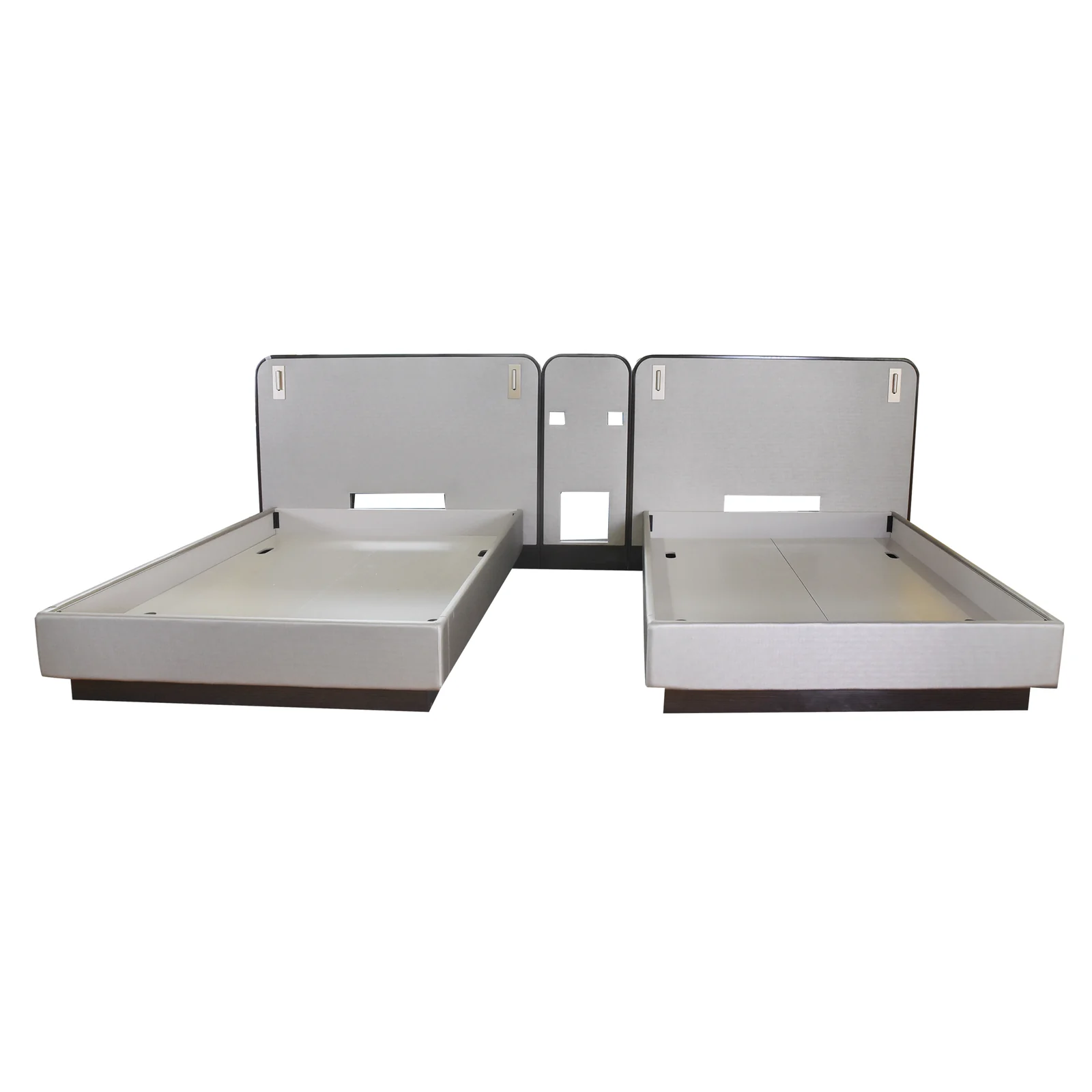
Move from swatch to golden sample in four stages
Increase sample scale as the decision changes. Each stage should answer a different question.
- Identity swatch: confirm the proposed article, color, direction and visible character against the design palette. Record the supplier sample reference and limitation.
- Detail sample: build the most demanding corner, seam, channel, piping, button or service opening with the proposed cover, padding and edge geometry.
- Full-form prototype: review the complete headboard under representative room lighting and with adjacent bed, panels, services and finishes. Check alignment, visible tension, transitions, cleanability and access.
- Golden sample: consolidate the accepted cover, color, seam map, details and workmanship into a controlled production reference linked to drawings, comments and inspection points.
A signed swatch cannot replace the detail sample, and a detail sample cannot prove the overall composition. Conversely, a full prototype is weak production evidence if the accepted seams, thread, cutting direction and material batch controls remain undocumented.
Coordinate service openings and the cleaning route
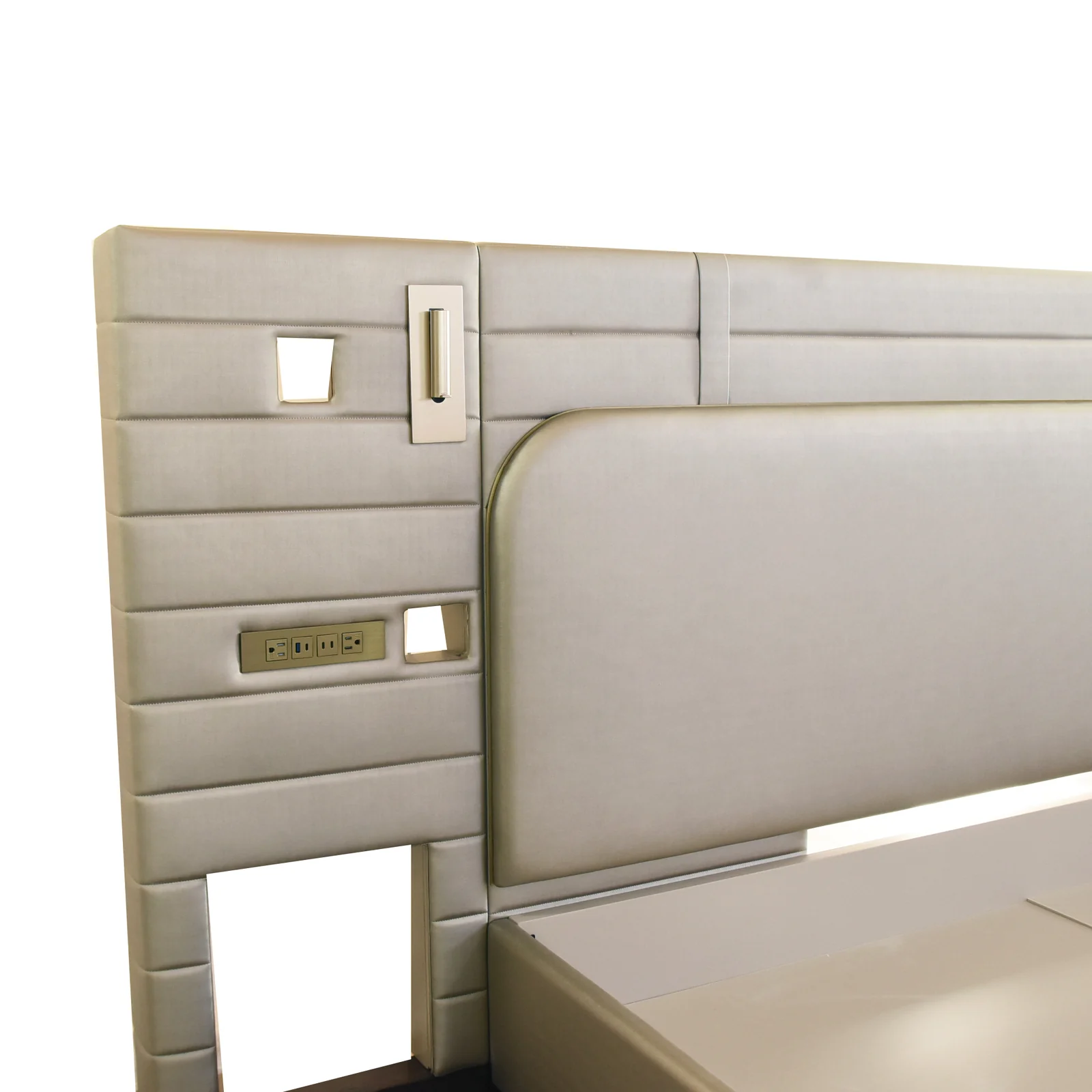
Integrated headboards often meet reading lights, switches, sockets, trims and removable access panels. The upholstery drawing should show how the cover terminates at each opening, where visible seams and trims sit, which panel can be removed and how servicing avoids damaging adjacent wrapped surfaces. Electrical design and code compliance remain with the responsible professionals; the furniture package should clearly define its interface.
Cleaning is also an interface decision. Obtain instructions from the exact cover supplier and reconcile them with the operator’s nominated products and housekeeping method. Test the proposed method on the same treated material and representative seam or edge detail before release. A generic cleaning code or the performance of an untreated swatch may not represent the finished assembly.
Map likely contact zones rather than calling the entire headboard “low touch.” The central lean zone, pillow line, edges beside the mattress, bedside service areas and housekeeping access path may face different contact and cleaning patterns. The project team can then choose where removable panels, spare cover material or a repair strategy provide useful control.
Release repeatable workmanship, not only a beautiful prototype
Translate the golden sample into measurable or observable checkpoints. Production records can identify the approved cover and direction, panel and channel sequence, seam location, stitch or piping reference, edge profile, visible gap, service-opening finish and overall appearance under defined lighting. Inspect the first completed units against the same reference before the production population advances.
Define change triggers. Reopen the affected approval when the supplier, article, color, batch strategy, backing, treatment, padding, seam, thread, panel geometry, service opening, cleaner or manufacturing method changes. A change may need only a focused resample, but it should never inherit the old approval silently.
Hold release when the material is named only by color or category; the application designation is unclear; technical reports do not match the proposed article or treatment; cleaning has not been reconciled; the demanding detail is absent from the sample; COM yield is unconfirmed; or the full-form prototype has no controlled production reference.
Gainwell’s product scope includes beds and headboards and asks project teams to provide drawings, quantities, materials or finishes, required tests, destination, approval route and programme. To review an upholstered headboard, add the exact cover data, seam and panel map, service layout, operator cleaning input and latest sample status. Share that revision-controlled package through the Gainwell project enquiry.
Frequently Asked Questions
What is an upholstered headboard?
An upholstered headboard is a headboard with a visible cover applied over a shaped or padded assembly. For a hotel project, the useful specification goes beyond that definition: it identifies the exact cover, panel geometry, seams, edges, padding reference, service openings, cleaning route, evidence and approved full-form sample.
Is bouclé suitable for a hotel headboard?
It can be considered, but “bouclé” alone does not prove suitability. Check the exact article’s intended application, technical evidence, cleaning guidance, seam and edge behavior, texture response and batch consistency. Approve it on the most demanding detail and full headboard form before production rather than relying on a small retail swatch.
What fabric evidence should be checked for a hotel headboard?
Check the exact supplier article and color, intended application, current test reports, backing or treatments, physical properties relevant to the construction, cleaning instructions and limitations. Confirm that the evidence matches the finished proposal and destination requirements. The responsible project professionals must determine the applicable acceptance criteria.
Are high Martindale or Wyzenbeek numbers enough for a hotel headboard?
No. ACT states that abrasion results are not direct lifespan predictions and that Martindale and Wyzenbeek results are not interchangeable. Application, maintenance, seams, edges, padding, construction and other properties also affect appearance and service behavior. Use abrasion data as one bounded input, not a universal ranking.
How should customer-supplied fabric be approved for a headboard?
Create a COM evidence passport linking the supplied article, color, roll or batch, width, repeat, direction, treatment, reports and cleaning guidance to the headboard drawing. Have the upholsterer confirm cutting and yield, then approve the demanding detail and full-form prototype. Record spare material and replacement ownership before release.
How should an upholstered hotel headboard be cleaned?
Follow the current instructions for the exact cover and any applied treatment, then reconcile them with the hotel’s nominated products and housekeeping method. Test the method on representative material and a real seam or edge detail. Do not assume one cleaner or code applies to every fabric, coated textile, finish or completed assembly.