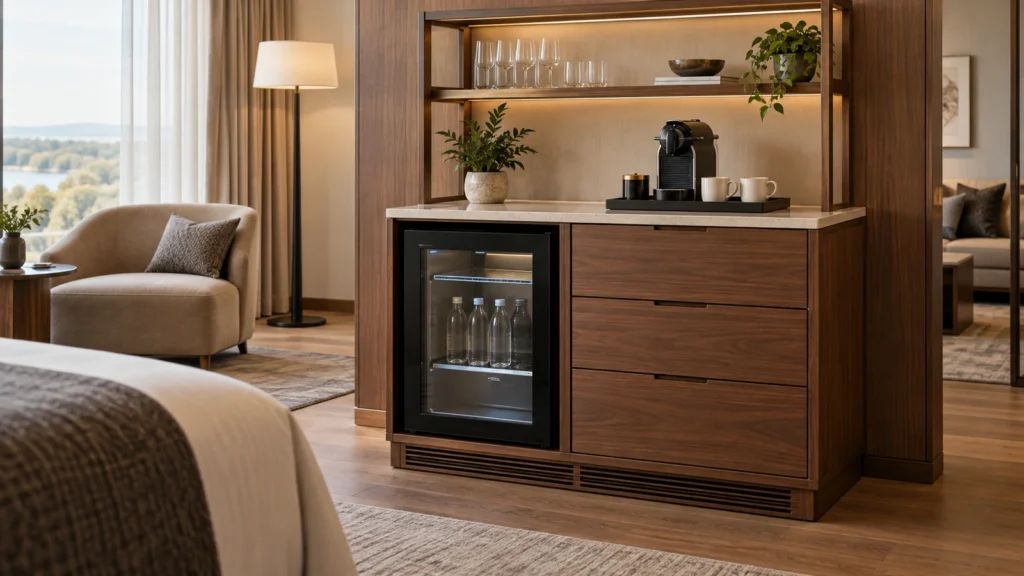

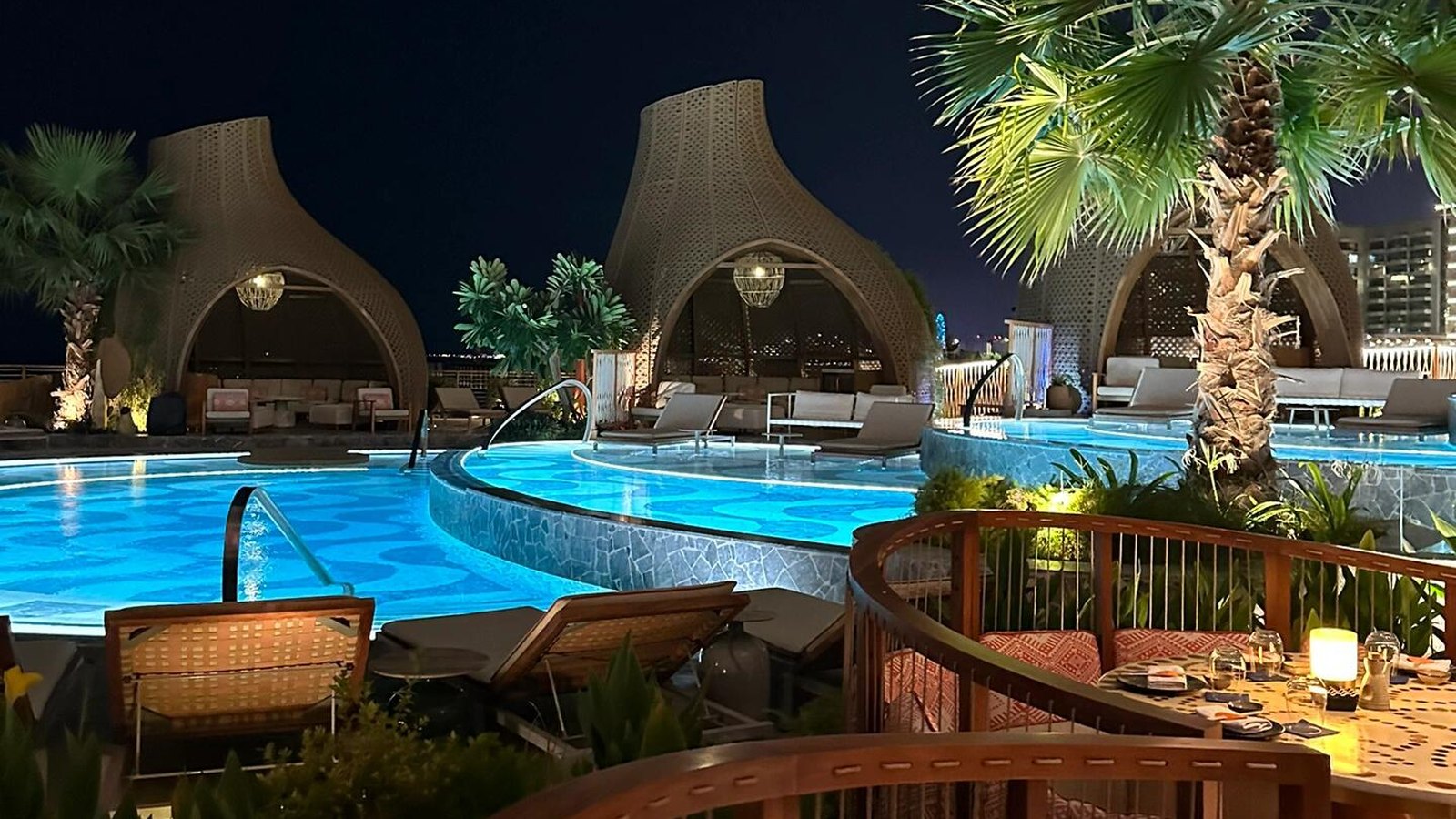
Move the same dining chair through three exterior locations: a deeply covered terrace, an open pool edge and a courtyard that receives reflected light and periodic washdown. Its color, silhouette and comfort brief may stay the same, but the exposure, handling and evidence requirements do not. Treating all three locations as “outdoor” hides the decision that determines whether the furniture is suitable.
Durable outdoor restaurant furniture is selected by matching one complete furniture assembly to one documented exposure cell and service routine. A material name or a “UV-resistant” label is only a lead. Before release, the team still needs component-specific evidence, a controlled prototype, an operating plan and an accountable record of what passed, what remains open and where the item must not be used.
Start with an exposure cell, not an outdoor label
An exposure cell is the smallest useful area in which the furniture faces a consistent combination of environmental and operating conditions. A single restaurant may need separate cells for a covered arcade, an uncovered dining deck, a poolside edge and furniture moved into storage after service.
Record observable inputs before discussing products:
- the exact venue zone and furniture family;
- open-sky exposure, shade geometry and changes through the operating day;
- rain, irrigation, pool splash, washdown or other water contact relevant to the site;
- temperature, wind and stability inputs supplied by the project team;
- floor, threshold and drainage conditions around the furniture;
- whether the item stays in place, moves to shelter or is stored;
- the cleaning, reset and inspection routine the operator can actually perform.
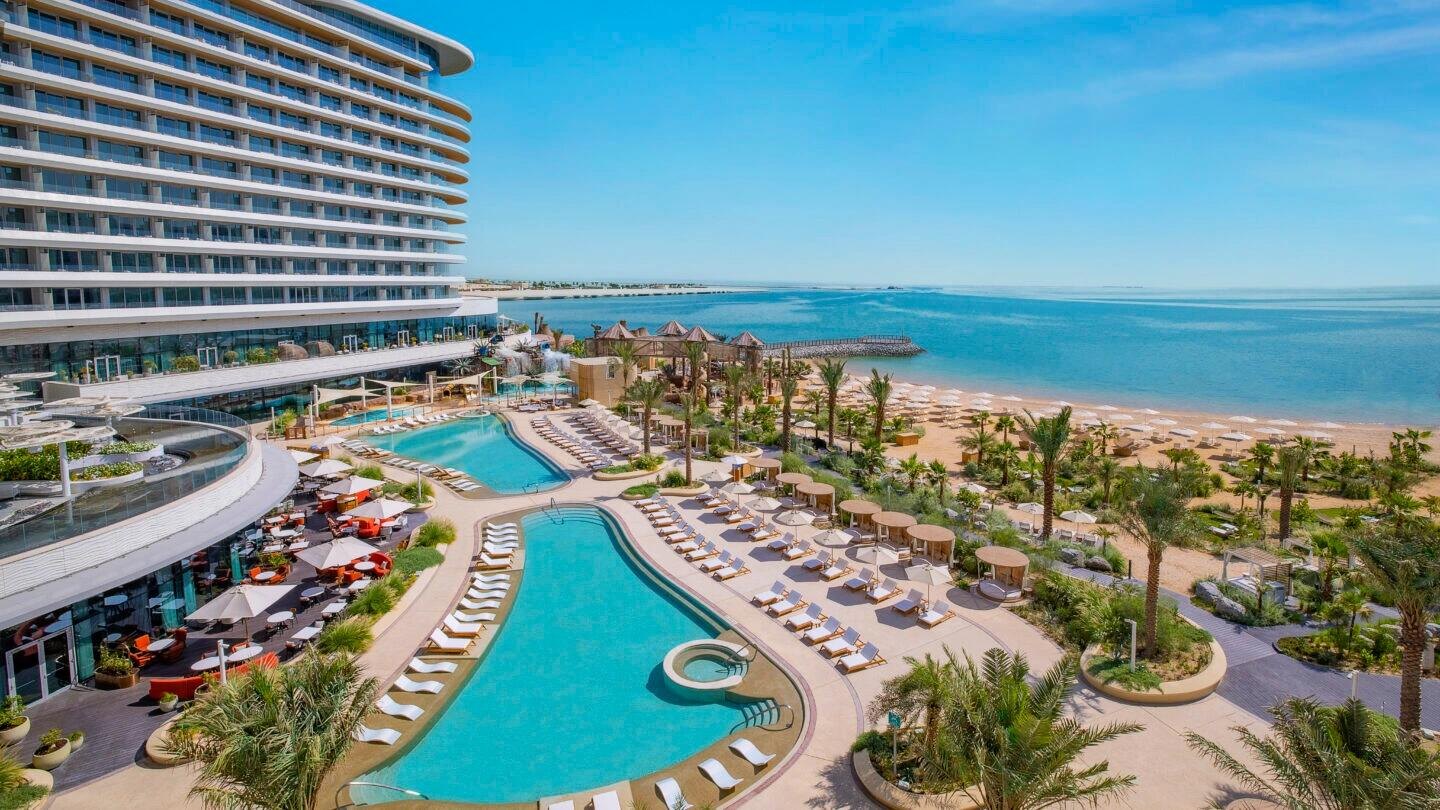
The current Gainwell Outdoor Furniture category similarly frames exterior development around materials, surface protection, drainage, stability and project-specific use. Those are planning inputs, not proof that every proposed item suits every cell.
Turn “UV-resistant” into a six-field evidence request
UV resistance is not a complete specification. Ask which component the claim covers: textile color, coating appearance, polymer surface, rope, tabletop or another exact part. Then connect the claim to the submitted item and the project’s acceptance decision.
For example, ASTM G154-23 describes controlled fluorescent-UV and moisture exposure procedures for nonmetallic materials, but the practice does not by itself specify a product result or the conditions best suited to every material. For textiles, AATCC TM16.3 provides xenon-arc lightfastness options and states that the relationship between the test and actual use must be agreed by the contractual parties. ISO 105-B02:2014 is another component-specific route for evaluating textile color under artificial daylight. None of these names alone approves a whole chair or predicts service life.
| Evidence field | What the submittal should identify | Why it matters |
|---|---|---|
| Claimed component | Exact textile, coating, polymer, rope, tabletop or finish | Prevents one result being applied to unrelated parts |
| Specimen identity | Product code, color, finish build-up, supplier and revision | Connects the report to the item proposed for the project |
| Method and version | Full test method, edition and any referenced procedure | Replaces vague “UV tested” wording with a traceable method |
| Exposure conditions | Lamp or source, cycle, duration, moisture conditions and apparatus details when required by the method | Makes results interpretable within their stated scope |
| Evaluation | Property measured, reference or control, rating method and observations | Shows what changed and how it was judged |
| Acceptance decision | Project criterion, responsible reviewer, report reference and limitations | Separates a test result from project approval |
Overlay the restaurant service load on the weather brief
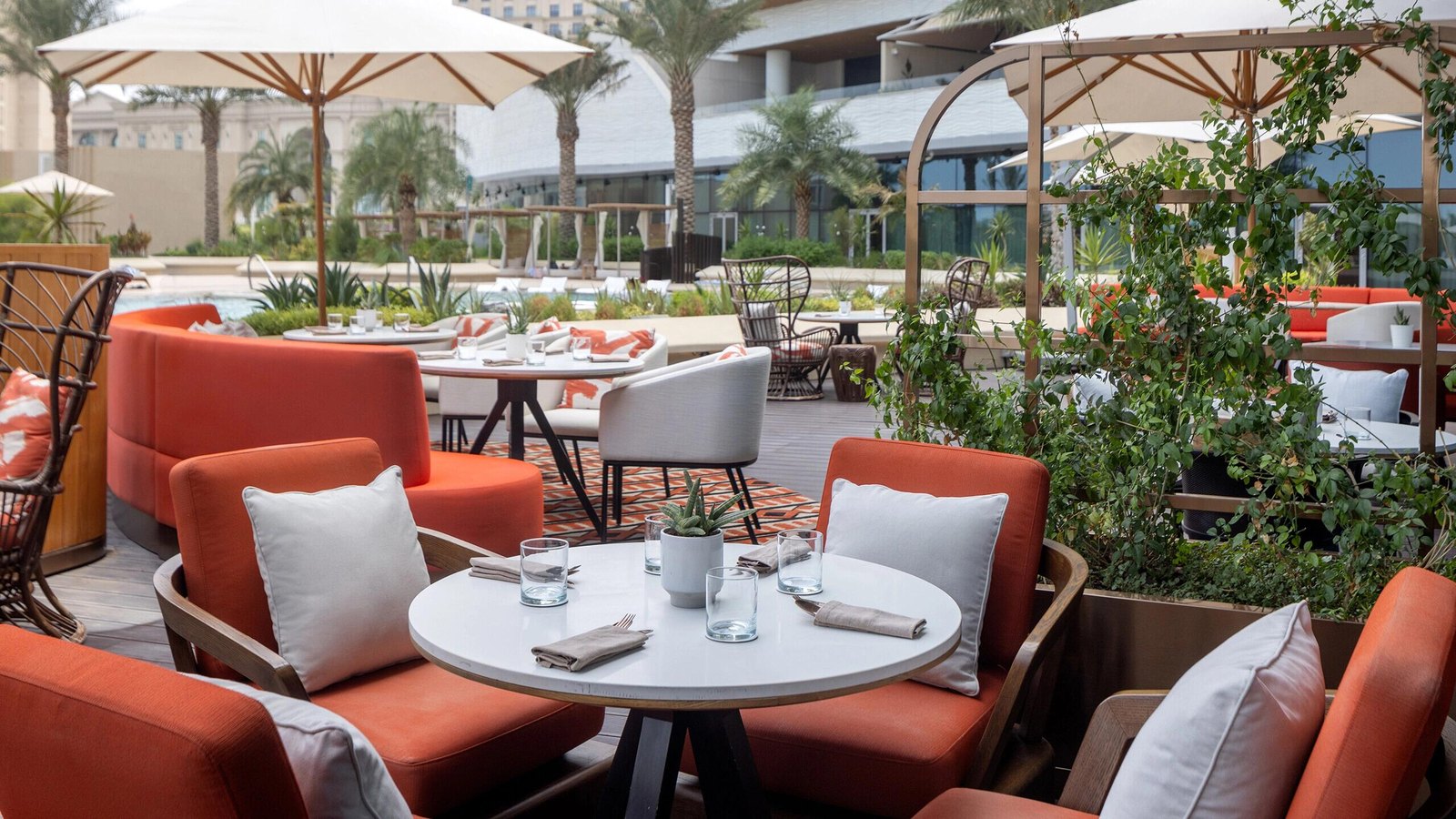
Environmental exposure is only half of the selection problem. Outdoor restaurant furniture is also pulled out, reset, wiped, moved across thresholds and repositioned around changing table groups. A candidate that clears the material discussion can still create an operational problem if staff cannot handle it, clean around it or return it to the correct cell.
Gainwell’s current Restaurants & Clubs solution treats service flow, staff access, cleaning and reset work as application priorities. Add those motions to the exposure card:
| Service motion | Observe with the real furniture set | Record before approval |
|---|---|---|
| Pull out and return | Chair-to-table and chair-to-floor contact | Handling point, clearance issue and floor-interface comment |
| Serve and clear | Staff reach, table edge and adjacent seating | Any furniture movement needed to complete service |
| Clean and dry | Access to seams, undersides, glides and water-shedding details | Authorized method, unresolved traps and dry-state check |
| Move or store | Weight, grip, stack or trolley compatibility, if applicable | Approved movement route and protection method |
| Reconfigure | Compatibility with other tables and exposure cells | Where the item may and may not be relocated |
Review the whole assembly and every exposed interface
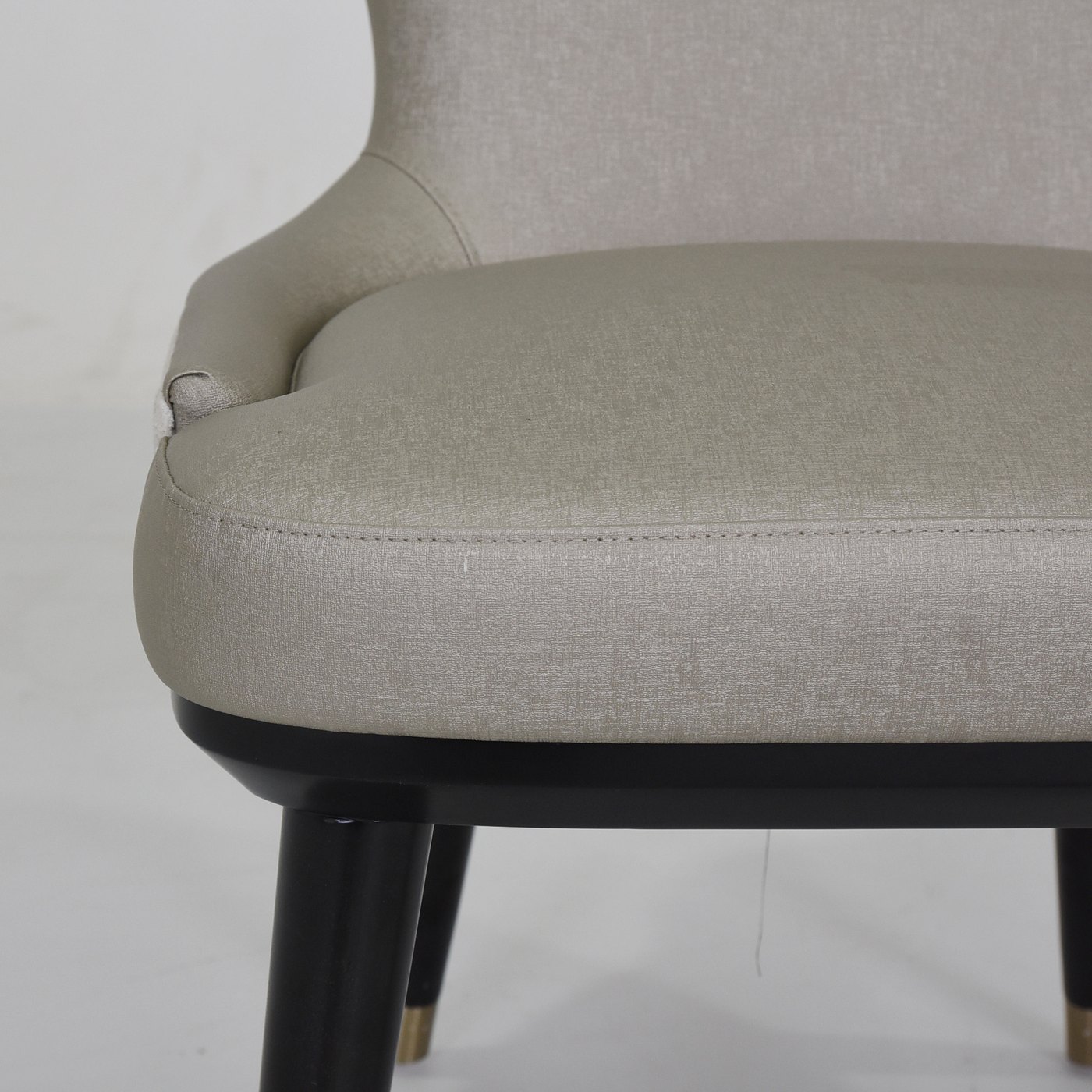
“Aluminum chair,” “outdoor fabric” or “treated timber table” describes only part of an assembly. The project record should identify the frame, joints, fasteners, finish preparation and topcoat, tabletop core and edges, glides, upholstery, cushion insert, closures and any removable or replaceable parts. An acceptable component cannot compensate for an unresolved interface beside it.
| Assembly area | Visible or documented question | Evidence or prototype check |
|---|---|---|
| Frame and joints | Where can water, movement or repeated handling reach a joint? | Issued construction detail, finish boundary and inspection point |
| Fasteners and mixed interfaces | Which exact materials and separators are proposed? | Component schedule and project-specific review |
| Tabletop, edge and underside | Can water or cleaning contact reach an unreviewed edge or fixing? | Section detail, finish reference and sample inspection |
| Textile, seams and cushions | Which surfaces receive light, splash and cleaning contact? | Exact textile identity, seam detail, insert, closure and care record |
| Feet and glides | How does the item meet the actual floor and move during service? | Glide identity, replacement route and prototype observation |
| Control samples | How will color and finish be compared during production? | Approved reference, revision status and inspection responsibility |
Use a claim-to-proof ledger instead of a durable/not-durable label
Create one row for every material claim that affects approval. A useful row contains the public or supplier wording, exact component, evidence reference, project criterion, reviewer, limitation and current status. The status should be one of: supported for this proposed item, conditionally supported, open, rejected or not applicable.
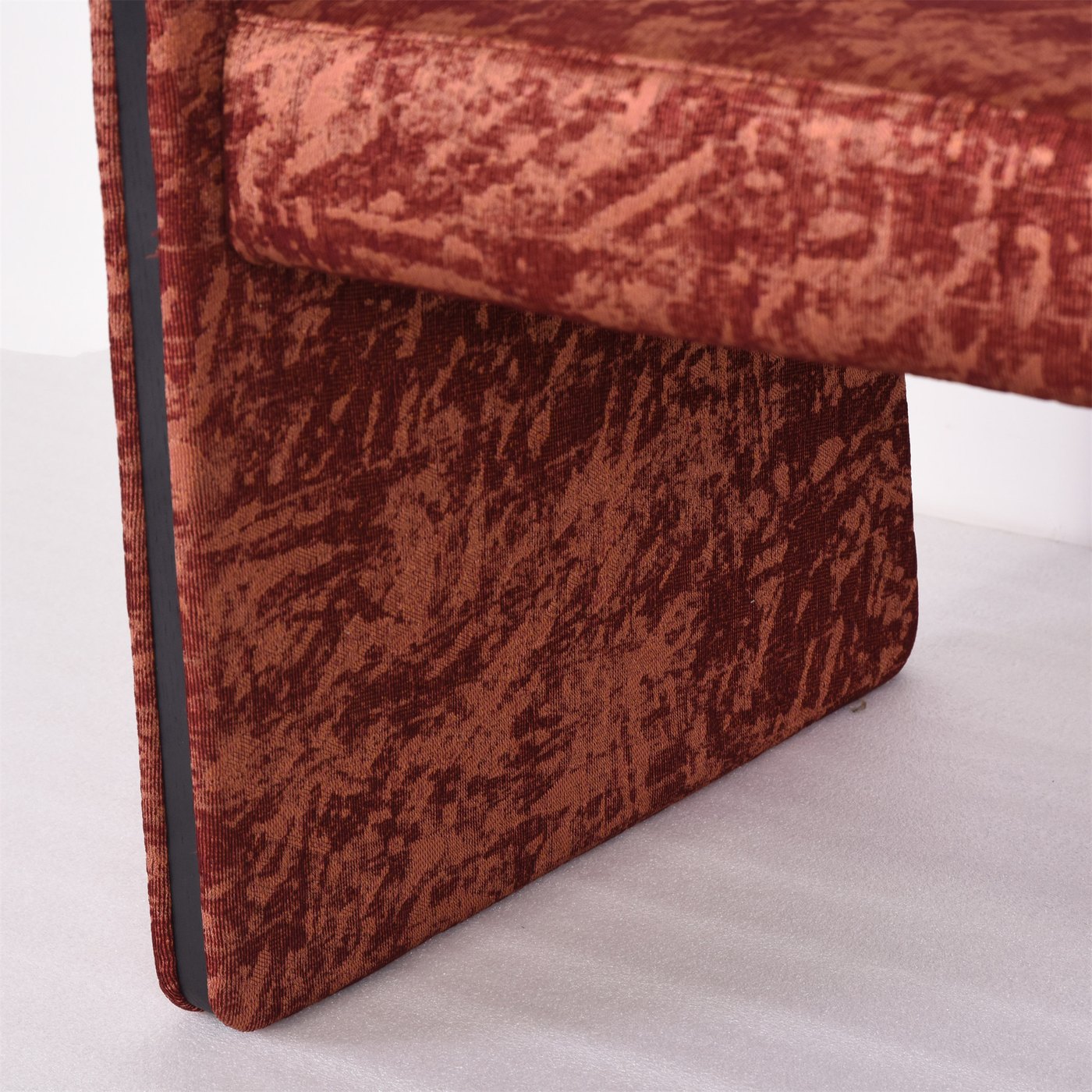
For a claim such as “UV-resistant upholstery,” the ledger might show that the submitted report covers a specific textile style and color but not the thread, cushion insert or finished chair. That is not automatically a failure. It is a boundary that tells the team which additional sample, specification or operating control remains necessary.
Do not convert laboratory exposure hours into promised years of outdoor service unless a qualified source establishes that correlation for the exact system and conditions. ASTM G154 specifically cautions that results depend on reported operating conditions and that comparisons require established correlation. Keep the limitation beside the decision.
Approve the prototype as a controlled comparison
A prototype is not evidence merely because it exists. Link it to the issued drawing, item code, exposure cell, material and finish references, test-report IDs and one consolidated comment record. Compare visible color and finish against approved controls under an agreed viewing condition. Operate the chair or table with the real service routine, then record what was observed.
- confirm the exact component identities and revisions represented;
- inspect seams, edges, closures, joints, glides and water-shedding details;
- run pull-out, reset, cleaning-access and movement observations;
- record differences from the drawing, control sample and evidence submission;
- close every comment as approved, revised, excluded or still open;
- state whether approval applies to one exposure cell, several cells or none.
A photograph of a prototype can support the record, but it cannot establish hidden construction, material identity or weather performance on its own.
Make the operating plan part of selection
Furniture that depends on moving cushions, applying covers or relocating pieces needs an operator who can perform that work within the restaurant schedule. Before approval, document who is responsible for cleaning instructions, drying, covers, storage, severe-weather actions, routine observations, spare components and replacement finish matching. The plan should use product-specific instructions and the property’s actual staffing and storage conditions.
Also define a stop condition. Examples include an unidentified material, an unresolved finish change, damage at a structural interface, a missing care authority or a furniture move that staff cannot complete safely under the approved method. Stop conditions turn “durability” into observable governance rather than a promise.
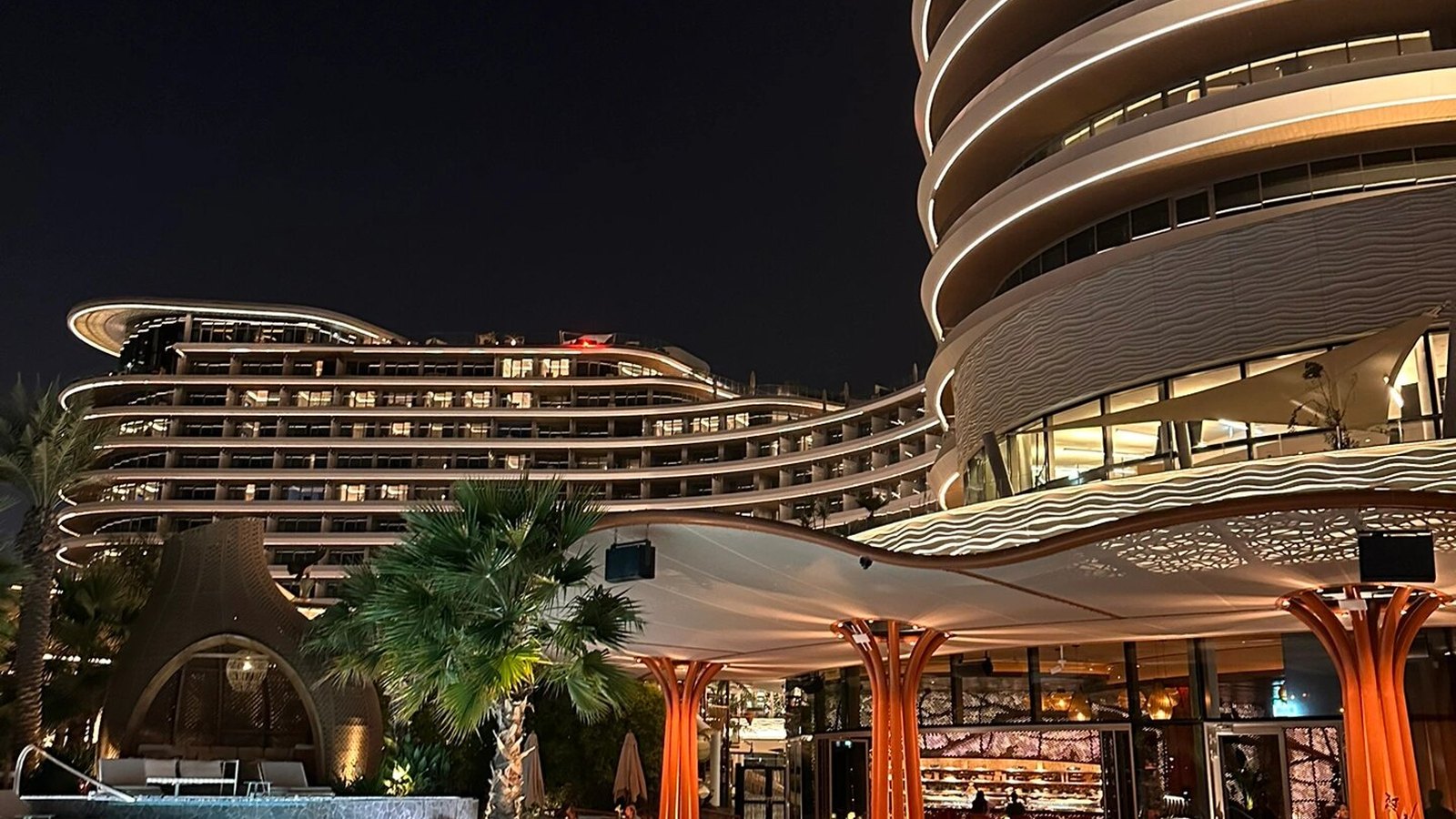
Use one release record for two different dining zones
Consider a hypothetical property with a covered breakfast terrace and an open poolside dining area. The example below shows the method; it does not represent a named project or tested product.
| Decision field | Covered breakfast terrace | Open poolside dining |
|---|---|---|
| Exposure cell | Roof cover, open sides, routine dining reset | Open sky, water adjacency, frequent furniture movement |
| Candidate family | Dining side chair and compact table | Dining armchair and table with removable cushions |
| Primary evidence question | Exact textile and finish identity linked to submitted lightfastness and care records | Whole-assembly finish, textile, interface, storage and movement evidence |
| Prototype task | Table clearance, reset handling, seam access and control-sample comparison | All covered-zone tasks plus water-shedding, cushion removal and storage-route review |
| Illustrative status | Continue only after open evidence and interface comments are closed | Hold release until the exposure, storage and assembly evidence is complete |
The two zones may ultimately use the same visual language, but they should not inherit one approval record merely because they belong to the same restaurant.
Turn the selection record into a project brief
For each furniture family, send the venue zone, exposure-cell description, quantities, issued drawings, finish and material direction, table and floor interfaces, service motions, cleaning authority, storage plan, required test methods, evidence already available, approval route and target programme. Mark every unresolved item as an open decision rather than an assumed supplier responsibility.
Gainwell’s current Outdoor category describes a project workflow from drawings and prototype approval through production control and delivery, while noting that exact tests, quantities and requirements must be confirmed for the live project. Share the completed exposure-service-evidence record through the project enquiry. The useful question is no longer “Is this outdoor restaurant furniture durable?” It is “Which exact assembly has enough evidence and operating support for this exact dining cell?”
Frequently Asked Questions
What makes outdoor restaurant furniture durable?
Durability is a match between the whole assembly and its actual exposure, service load and maintenance plan. Review frame, finish, fasteners, joints, upholstery, drainage and floor contact together. A broad outdoor label does not prove that every component suits a specific site.
Which materials are best for outdoor restaurant furniture?
There is no universal winner. The choice depends on sun, moisture, salt, temperature, cleaning, storage, handling and the required appearance. Compare material and coating evidence at component level, including fasteners and interfaces, rather than selecting from frame material alone.
How should UV resistance be evaluated for outdoor furniture?
Ask for the test method, specimen description, exposure conditions, duration, measured property and acceptance rule. ASTM G154, AATCC TM16.3 and ISO 105-B02 cover different materials and procedures; a report is useful only when its scope matches the component and claim being reviewed.
How often should outdoor restaurant furniture be maintained?
Set the interval from the site exposure, material system, cleaning products, use intensity and manufacturer instructions. Inspect after severe weather and track drainage, loose hardware, coating damage, fabric condition and floor contact. A fixed universal interval would ignore the conditions that drive deterioration.
What should an outdoor furniture specification include?
Define the exposure cell, operating pattern, material and finish scope, component interfaces, cleaning and storage plan, evidence requested, sample or prototype review, acceptance basis and responsible approver. State open decisions explicitly so an unsupported durability claim cannot become the release basis.