
The safest way to secure hotel outdoor furniture from wind is to prepare a project-specific action plan before conditions worsen—not to improvise straps, ballast or anchors during an event. Inventory every zone and movable item, assign an approved store, secure or hold action, connect it to the property’s authorized forecast and alert source, and complete the work before the project’s safe-work boundary. Afterward, reconcile the closed area, inspect it and authorize reopening by zone.
This method answers how to secure outdoor furniture operationally. It does not set a universal wind speed or tell staff how to engineer an anchor. Wind exposure, products, buildings, local alerts, operating rules and responsible authorities differ. The project team must define its trigger, engineered or manufacturer-approved methods, safe-work limit, closure authority and release conditions.
The National Weather Service warns that high winds can create dangerous fallen or blowing objects and advises attention to loose outdoor items. For a hotel, that public-safety context should become a controlled sequence with named owners, known routes and no last-minute invention.
Define the authority before the action
A wind plan fails when a forecast exists but nobody knows which source controls the property, who reads it or what instruction follows. Start by naming the authorized local forecast and alert source, the monitoring role and its backup. Record where the current project trigger is held and who can move the area from normal service to preparation or closure.
Keep four decisions separate:
- Trigger authority: who establishes the property-specific action point, using applicable local guidance, professional input and operating requirements.
- Alert owner: who monitors the authorized source, confirms the current state and communicates the change.
- Safe-work authority: who decides when outdoor handling may start and when it must stop.
- Closure and release authority: who closes a zone, accepts unresolved exceptions and later authorizes reopening.
Do not turn an online wind number, a forecast-app color or a supplier comment into a site rule. A local weather service may advise action under named alerts, but the property still needs an approved interpretation for its location and operation. Staff should never be sent outside after conditions have crossed the project’s safe-work boundary simply to finish a furniture checklist.
Build a zone-and-item wind register
Walk the property in calm weather and give every outdoor zone a stable identity: pool deck, dining terrace, arrival lounge, rooftop, guestroom balcony, beach area or another controlled name. Link the zone to the current drawing reference and identify open edges, doors, level changes, narrow routes, shelter transitions and the approved destination for moved items.
Then record every movable furniture item and accessory by code and count. Include chairs, tables, loungers, ottomans, side tables, cushions, umbrellas, screens, planters and service accessories when they are within the plan’s scope. Do not rely on a room label such as “pool furniture”; it cannot prove that forty-seven listed pieces became forty-seven resolved pieces.
| Register field | What to record | Control created |
|---|---|---|
| Zone identity | Name, level, drawing reference and access points | Connects alerts, actions and release to an exact area |
| Item identity | Item code, description, quantity and current position | Makes closure countable |
| Approved action | Store, secure as specified, inspect in place or hold unresolved | Prevents improvisation |
| Route and destination | Approved move path, staging point and final location | Turns “bring it in” into an executable task |
| Ownership | Action team, checker, escalation role and release role | Removes gaps between departments |
| Evidence | Count, exception note, time, name and photographs if required | Shows whether closure is complete |
Classify each item by its approved action
Each register line should point to one approved action class. Remove and store means the project has accepted the item, destination, route, handling method and responsible team. Secure as specified means an identifiable manufacturer, designer, engineer or other responsible party has issued the applicable method. Inspect in place is only for items the responsible team has explicitly classified for that state. Hold unresolved means the item cannot be released until a missing method or authority is closed.
“Tie it down,” “add weight” and “put it against the wall” are not action classes. They omit the product interface, supporting construction, load path, components, inspection and responsible approval. A generic strap, improvised ballast or unreviewed fixing can create new hazards or damage; this article therefore provides no DIY anchoring procedure.
Break out detachable parts. A sofa frame, seat cushion, decorative pillow and small side table may have different approved actions. The same applies to removable canopies and furniture covers. The register must represent what staff actually see and handle, not only the procurement item name.
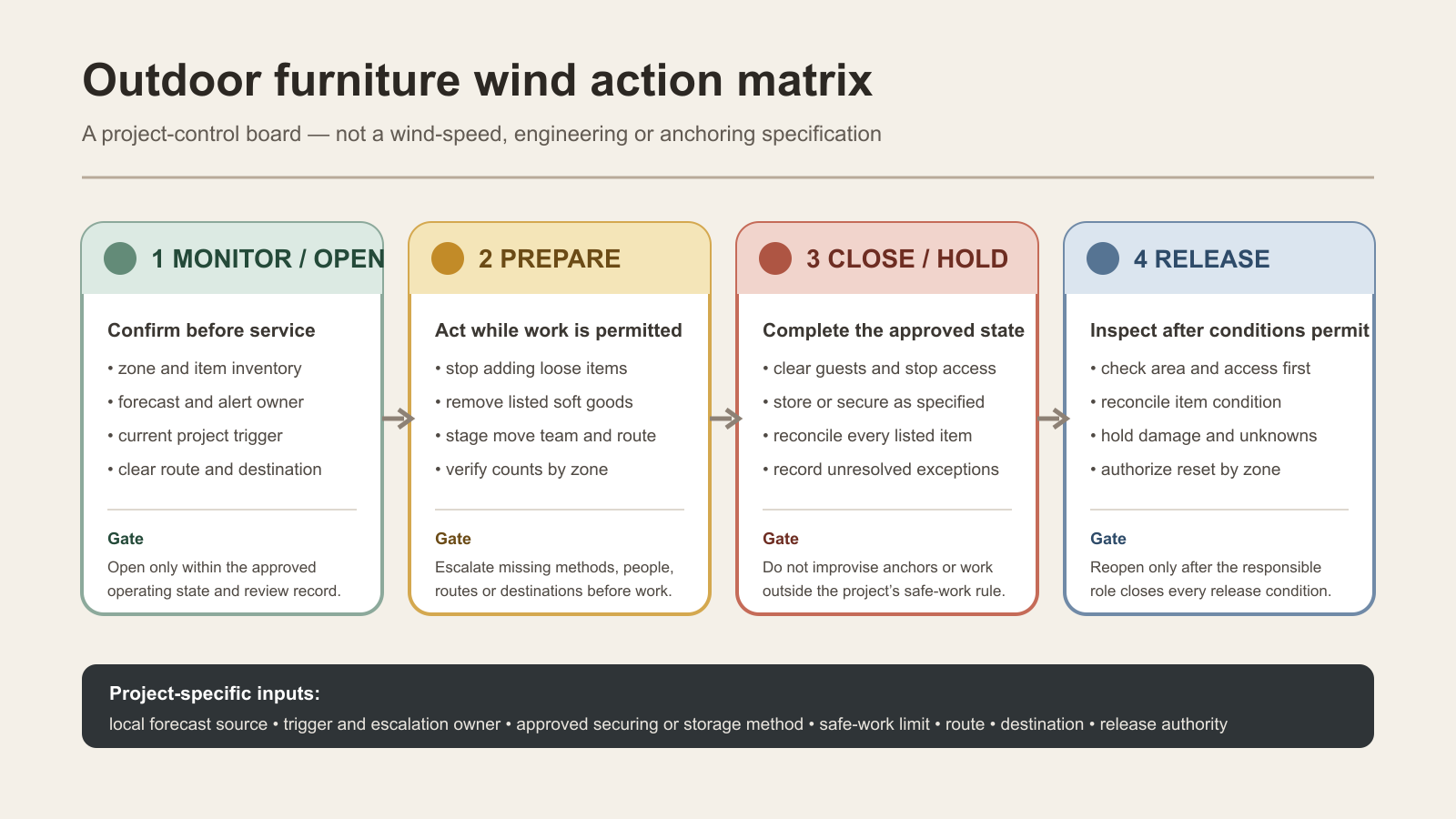
Create a four-state wind action matrix
Translate the register into four operating states. The matrix should name the trigger source, communication owner, permitted tasks, gate to the next state and evidence required for every zone.
- Monitor and open: confirm the authorized source, current project trigger, complete inventory, clear route and destination before normal service.
- Prepare: act while outdoor work is still permitted. Stop adding loose items, remove listed soft goods, stage the move team and verify counts and routes.
- Close and hold: clear guests, stop access, complete each approved store or secure action, reconcile the zone and record exceptions. Do not improvise or work outside the safe-work rule.
- Release: wait until conditions and property rules permit inspection, check the area and access first, reconcile items and damage, hold unknowns, then authorize reset by zone.
Use the matrix as a control board, not as a wind chart. It should never substitute for local forecasts, engineered information, product instructions, emergency procedures, authority requirements or the property’s own safety management.
Do not treat shelter, weight or grouping as proof
A roof, screen, façade recess or planting may change the local condition, but a photograph or plan cannot establish how wind will behave there. Likewise, a heavy-looking table is not automatically a safe table. Shape, components, connections, exposure and the supporting environment matter, and those judgments belong to the responsible project parties.
Do not move furniture into a doorway, exit route, service path or unknown corner merely because it appears sheltered. Grouping loose items together is not proof of securing them. Leaning pieces against a façade or guard is not an approved method unless the responsible team has issued that exact instruction.
For the same reason, do not assume a furniture cover secures the product. Use covers only when the product and project instructions define their role and the plan records what happens to the covered item. AR43 owns the operating decision; a separate product or project specification must own the method.
Rehearse the closure route while conditions permit
A route that works on paper may fail when furniture is occupied, doors are in use, housekeeping equipment is present or two teams meet at a narrow transition. Rehearse one representative closure in calm weather with the actual item types and the intended team. Confirm the handling sequence, door operation, lift or corridor restrictions, staging point, final destination and how the route is kept clear.
Time the exercise only to test whether the plan provides enough operational margin; do not convert one rehearsal into a universal weather lead time. Staffing, guest clearance, item populations and conditions change. The trigger authority must decide how much preparation time the property needs.
Record any item that cannot pass safely, requires equipment that is unavailable, blocks a protected route or has no confirmed destination. Return those exceptions to the responsible project team before opening the area. Do not let staff invent a method during the next alert.
Prove closure with a reconciliation count
“Terrace cleared” is not enough. Close each zone against its register. The checker should mark every item as stored, secured as specified, inspected in place or held as an exception. Record the completion time, responsible person and any missing, damaged, inaccessible or newly introduced item.
Use photographs only as supplementary evidence. A wide image may miss a small side table, loose cushion or item behind a screen. The controlled count remains the primary link between the open population and the closed state.
If the count does not reconcile, escalate while work is still permitted. Once the safe-work boundary is reached, stop outdoor handling and follow the property’s safety process. An incomplete administrative record never justifies exposing staff to worsening conditions.
Inspect before reopening
Release is a separate state, not the reverse of closure. Wait until the responsible authority confirms that inspection may begin. Check access and the area before approaching furniture. Record visible damage, displacement, loose components, affected finishes, blocked routes and unknown conditions. Hold any item that lacks a clear disposition.
Reset by zone only after the release role accepts the inspection, reconciles the item population and confirms the current operating state. If an engineered connection, supporting surface or building element may have been affected, keep the area or item on hold for the responsible specialist. Do not infer structural condition from appearance.
The post-event release card should contain the event or alert reference, zone, inspection time, inspector, item exceptions, photographs where required, corrective action owner and final release name. It creates a record for the next review instead of sending the operation back to undocumented habits.
Feed the plan back into furniture specification
Wind readiness begins before furniture arrives. Project teams should provide current drawings, zone quantities, item codes, material and finish targets, required tests, destination, approval route, programme, operating constraints and any project-defined performance information. Gainwell’s current outdoor furniture scope lists pools, terraces, resorts and other hospitality applications and describes drawings, prototypes or finish approvals, QA, logistics and installation support as project inputs.
If the register exposes an unresolved product interface, handling constraint or approval gap, return it through the project workflow. Gainwell’s capabilities describe technical development, prototype review, production and QA, assembly or placement guidance, snagging and final review. These activities can support coordination, but they do not transfer site wind authority or engineering responsibility to a general article.
Send the zone register, furniture schedule, relevant project requirements and open questions through the Gainwell contact route. Ask for the applicable product and project information; do not ask a supplier to invent a universal wind rule.
Frequently Asked Questions
How do hotels keep outdoor furniture from blowing away?
They should use a project-specific plan: inventory every item, assign an approved store, secure or hold action, monitor an authorized local source, act before the safe-work boundary, reconcile closure and inspect before release. Hotels should not rely on improvised anchors, ballast or a universal wind number.
How should a hotel manage outdoor furniture on a windy balcony?
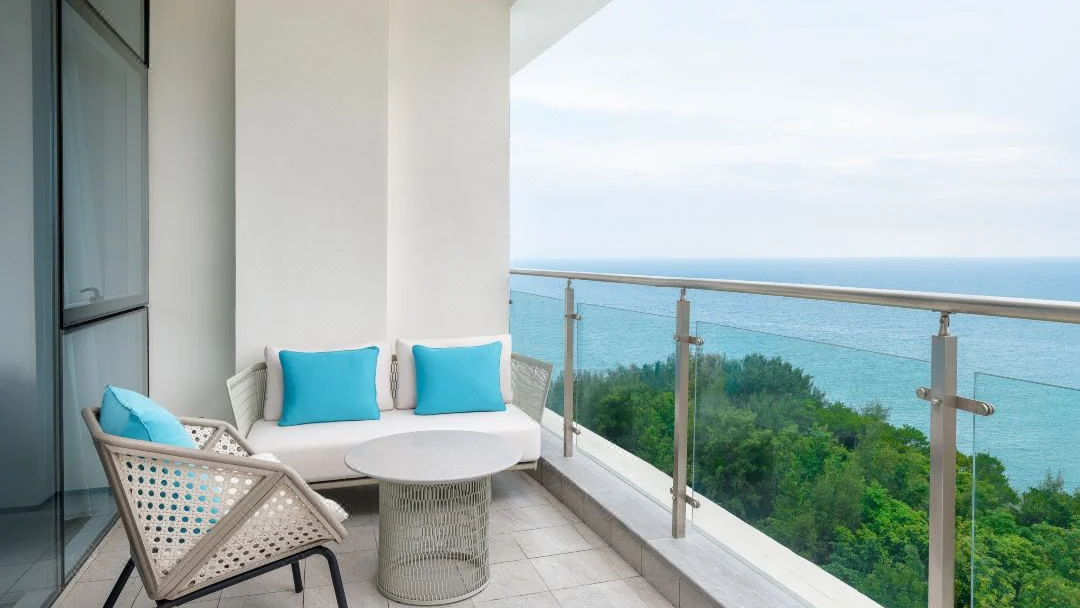
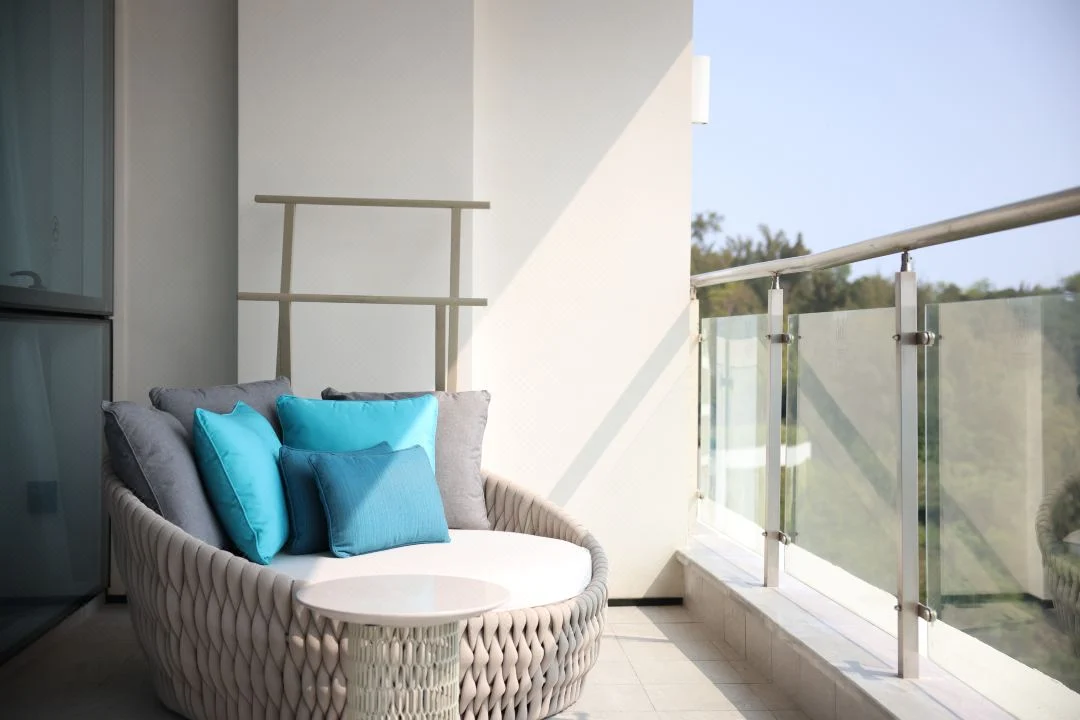
Treat each balcony as a named zone with an item count, approved action, responsible owner, safe route and destination. Detachable cushions and small tables need their own dispositions. The project team must define the trigger and method; staff should not improvise at an exposed edge.
Should hotel outdoor furniture be covered during high winds?
Do not assume a cover secures furniture. Follow the applicable product and project instructions, and record the approved action for both the cover and the item. If that instruction is missing, classify the decision as unresolved rather than inventing a method.
Is heavy outdoor furniture automatically safe in wind?
No. Appearance or nominal weight alone does not establish wind performance. Exposure, geometry, detachable parts, connections and the supporting environment may affect the decision. Use only the classification issued for the exact product and project condition by the responsible parties.
What should a hotel outdoor furniture wind action plan record?
Record the authorized forecast and alert source, trigger owner, safe-work authority, zones, item codes and counts, approved actions, routes, destinations, action team, checker, closure exceptions, inspection results and release authority. Keep revisions linked to current drawings and schedules.
When can a hotel outdoor area reopen after high winds?
Only after conditions and property rules permit inspection, access is checked, items and damage are reconciled, unknowns are held, required specialists close their issues and the named release authority authorizes that zone. Reopening should be documented rather than assumed.