
Wicker can be a good choice for outdoor furniture when its woven material, frame and cushions are designed for the intended exposure. Exterior-grade synthetic wicker is generally a more practical candidate for exposed locations, while natural wicker usually needs shelter and closer protection from moisture. Because wicker describes a weaving method rather than a single material, two chairs with similar appearances can have different outdoor limitations.
For hotels, resorts and outdoor dining spaces, suitability also depends on everyday use. A chair on a sheltered terrace faces different demands from seating beside a pool or dining furniture moved after every service. The selection should connect the complete product to its location, guest comfort and the cleaning, handling and storage work the venue can carry out.
What Is Outdoor Wicker Furniture?
Natural wicker furniture uses plant-based materials such as rattan, bamboo or other fibres. Rattan is a material, while wicker is the method used to weave those materials into furniture surfaces and forms. Natural woven furniture can work in protected settings, subject to its construction, finish and manufacturer’s intended use, but prolonged moisture and weather exposure can cause deterioration. A covered terrace therefore needs to be assessed for wind-driven rain, damp floors and persistent humidity as well as overhead shelter. Applying a protective coating to an indoor chair does not establish that its frame, joints and woven components are suitable for outdoor conditions.
Synthetic wicker uses manufactured strands woven around a supporting structure. It may be described as resin wicker, PE wicker, synthetic rattan or all-weather wicker, but these labels provide different levels of detail. The supplier should identify the woven material and the conditions for which the finished furniture is intended. Even where polyethylene is specified, the formulation and construction still affect performance; the polymer name alone does not establish how a chair will respond to prolonged sunlight, temperature changes or intensive use. An “all-weather” description should therefore be read alongside the product’s care instructions and exposure limits.
The frame and cushions complete the assessment. Aluminium, steel, timber and other supporting materials each bring their own construction and maintenance requirements, while joints and enclosed areas can affect drainage and drying. Cushions may need removal or protected storage even when the woven shell is suitable for rain exposure. Natural wicker generally starts with a greater need for shelter; exterior-grade synthetic wicker offers more placement options, provided the whole assembly and its care requirements suit the setting.
What Are the Benefits and Limitations of Wicker Outdoors?
Wicker’s appeal comes from its texture, visual warmth and range of furniture forms. Those qualities can be useful in hospitality spaces, but they should be assessed alongside the practical demands of the weave, supporting frame and cushions. A woven appearance does not establish comfort, durability or ease of maintenance; those benefits depend on the proposed design.
The visual benefit is strongest where woven furniture supports the atmosphere of the space without creating operational difficulties. Dining chairs, lounge seating and larger social groups can share a similar texture while using different proportions and structures. Comfort still needs a sample review: a chair may look inviting but have an uncomfortable front edge, an awkward seat depth or insufficient back support. Adding a cushion may improve the sitting experience, but it also introduces drying, cleaning and storage tasks. The useful comparison is therefore between complete seating arrangements, including what staff must do to keep them ready for guests.
For synthetic wicker, avoiding some timber-style refinishing work can be an advantage, although the product still needs routine care. Staff must be able to remove dirt from the weave, inspect connections and identify damaged strands or exposed frame areas. Water and debris can collect in less visible locations, and a durable woven surface cannot compensate for a poorly protected frame. The maintenance benefit is meaningful when the approved cleaning method is practical for the venue and the furniture can be inspected without excessive dismantling.
Repairability can become a disadvantage if matching strands or specialist labour are unavailable. A cushion may be simple to replace, whereas damage around a woven seat, arm or curved junction may be harder to address. Before selection, confirm which components can be repaired and whether replacement materials can be ordered against a model or colour reference. These differences also make a universal lifespan claim unhelpful: exposure, use, construction and available maintenance all influence how long the furniture remains serviceable and visually acceptable.
When reviewing outdoor seating, loungers and tables, assess woven pieces alongside the other furniture planned for the same area. Each item should suit its own function while fitting the venue’s cleaning, handling and storage arrangements. A coordinated appearance is useful, but compatible operating requirements matter just as much.
Where Does Wicker Work Best Outdoors?
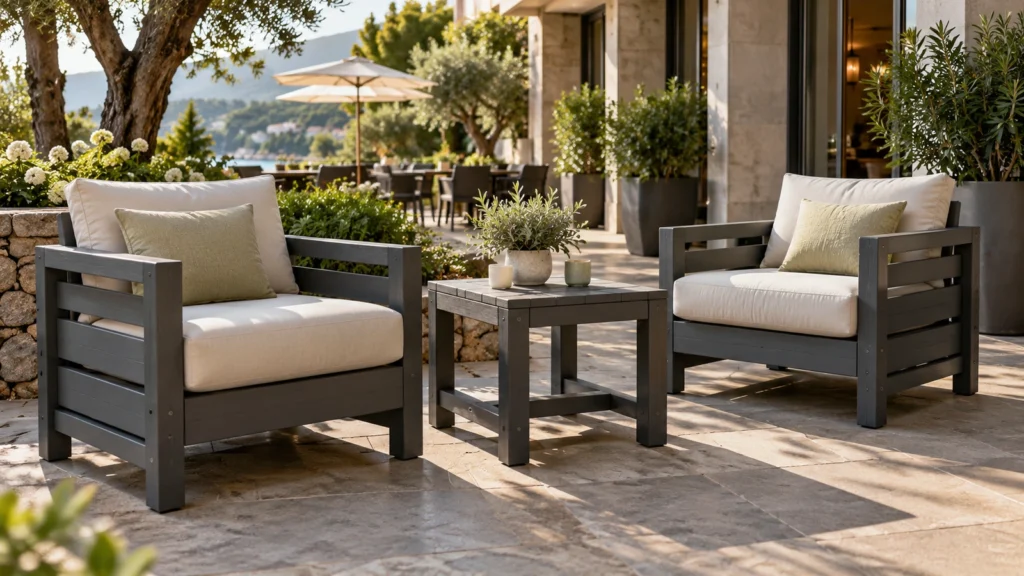
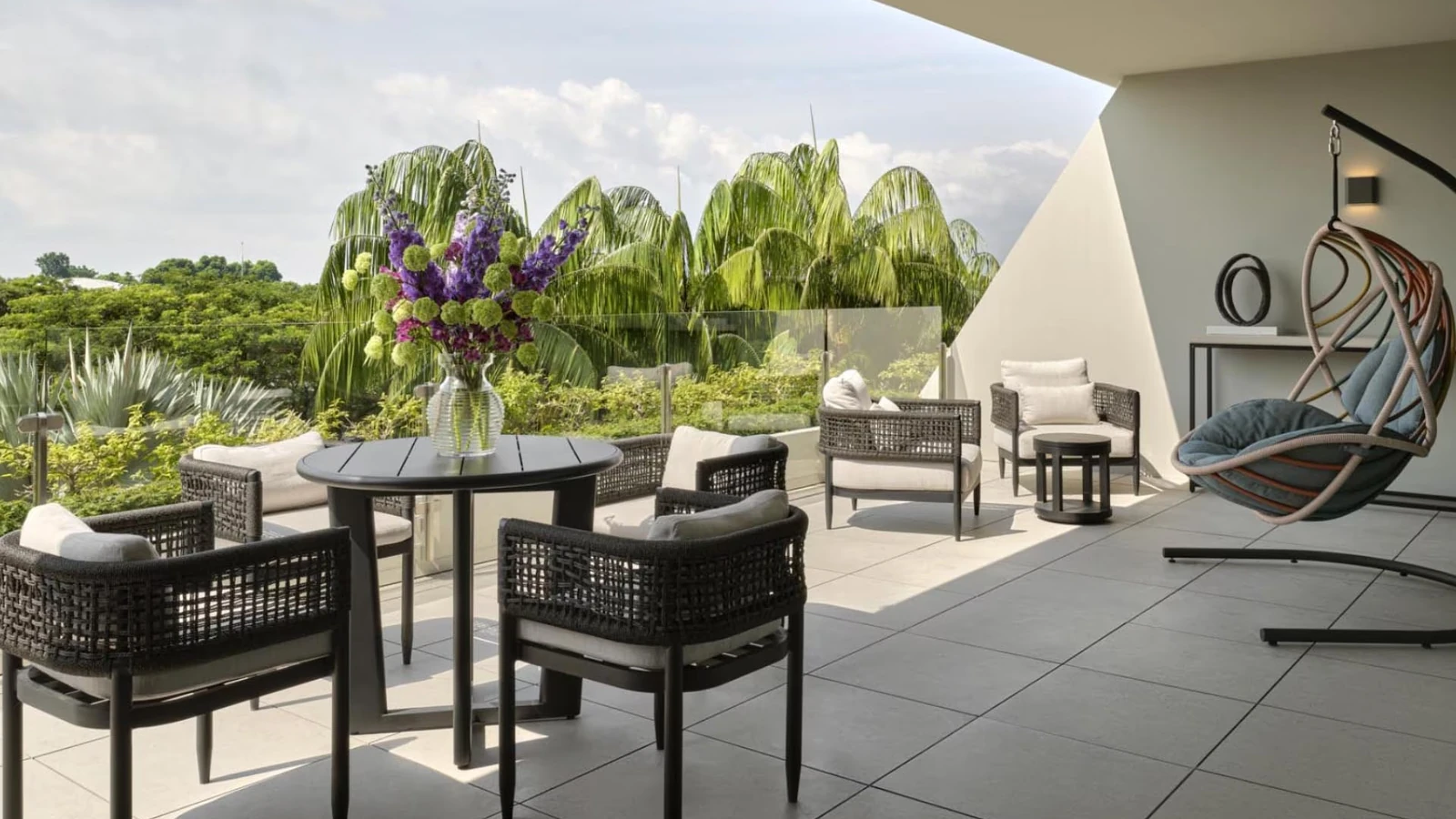
Covered terraces and sheltered lounges can be suitable places to consider wicker because they reduce direct weather exposure while preserving an outdoor atmosphere. The degree of protection needs to be checked in practice: low-angle sunlight, rain entering from open sides and moisture from floors or planting may still reach the furniture. Natural wicker requires particular caution where the space stays damp or receives regular splash. For synthetic wicker, shelter may reduce exposure, but appropriate materials and construction remain necessary.

Open patios and gardens place greater demands on the complete product, particularly when furniture stays outside while the venue is closed. The team should understand how it drains after rain, how accessible the underside is for cleaning and what protection is required during severe weather or extended non-use. Covers and seasonal storage can form part of that plan where the manufacturer recommends them. They also need to be practical: staff require enough time, suitable storage and a method that allows the furniture to dry rather than remain enclosed while wet.
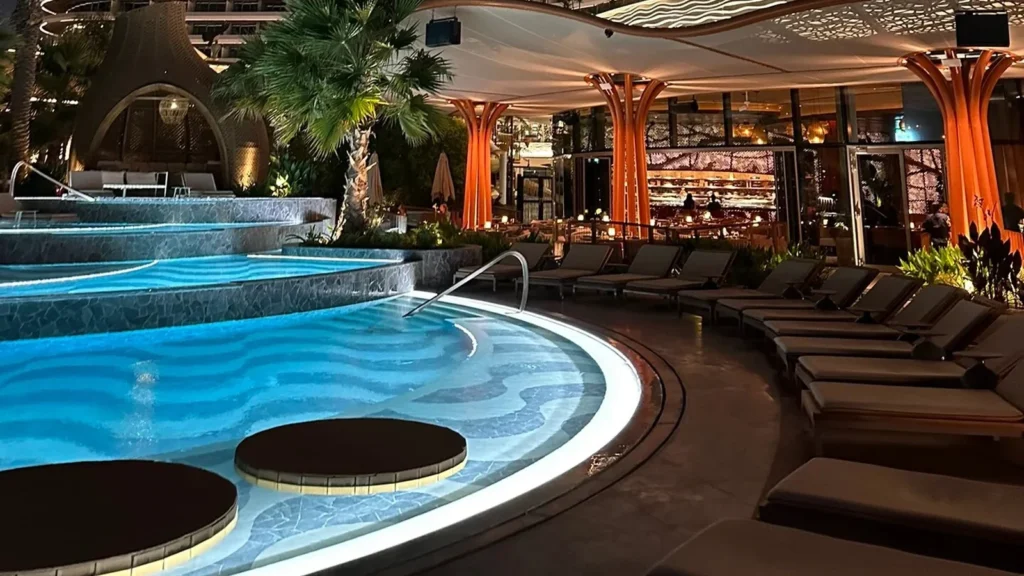
Poolside and coastal areas require attention beyond the visible weave. Wet swimwear affects cushions and seat surfaces, while splash, salt deposits and cleaning products may reach frames, fasteners and concealed junctions. The product information should address the intended setting, including care for exposed metal components and the cushion system. A chair with a suitable synthetic weave may still be inconvenient if its cushions dry too slowly for the operating schedule or if routine cleaning cannot reach areas where deposits accumulate.

Outdoor dining areas often make handling a deciding factor. Chairs may be moved for cleaning, rearranged between services or placed in storage each evening, so lifting points, weight, floor contact and permitted stacking arrangements deserve a practical trial. A design that works well in a stationary lounge group may be unsuitable for frequent clearing and resetting. Woven arms and edges also need protection from repeated contact, particularly where chairs are stored close together.
The indoor–outdoor furniture at Six Senses Southern Dunes provides an application reference for coordinating guestrooms, villas and exterior hospitality zones within one project. Its public description identifies an outdoor furniture scope, illustrating why different areas need furniture suited to their use and exposure. It does not establish the material or performance of a particular wicker product.
Wicker becomes less practical where the venue cannot meet the proposed product’s care requirements. A cushion system that needs removal is difficult to operate without dry storage, and a bulky chair can become a daily burden where layouts change frequently. If these conditions leave the choice uncertain, compare outdoor furniture materials by exposure before committing to a furniture family. The preferred option should match both the environment and the work required to keep the area usable.

What Should Hotels Check Before Choosing Wicker Furniture?
Once wicker appears suitable for the location, assess the proposed model and configuration. Product descriptions should identify what the furniture contains, where it can be used and what care it requires. This creates a clearer basis for comparison than broad claims such as “premium wicker” or “weatherproof construction.”
- Woven material: Confirm the natural or synthetic material and the outdoor exposure conditions the manufacturer permits.
- Frame and connections: Identify the supporting material, surface protection, fasteners and drainage arrangements.
- Weave and edges: Inspect terminations, seat support, exposed ends and areas likely to catch clothing or receive repeated contact.
- Comfort and handling: Try the sitting position, lifting, moving and any permitted stacking arrangement.
- Cushion care: Establish how covers and fillings are cleaned, dried, removed and stored.
- Repair options: Confirm whether woven sections, cushions, glides and other components can be replaced.
- Commercial-use coverage: Read the applicable warranty, including component coverage, care conditions and exclusions.
The frame deserves a close inspection because much of it may be hidden by the weave. Accessible underside areas, feet and junctions can help the reviewer understand how the furniture is supported and where moisture might remain. Observations should be checked against the supplier’s construction information rather than used to infer performance. Where the location involves demanding exposure or intensive use, request relevant product evidence and confirm which model, component and conditions it covers. General statements about a fibre or polymer cannot establish the performance of every item made with it.
A representative sample should then be reviewed through a normal operating sequence. Staff can assess guest comfort, move the item as they would during cleaning, remove cushions and check the proposed storage arrangement. This can reveal practical issues that a showroom inspection misses, such as awkward lifting points, contact between stacked pieces or insufficient space to dry cushions. Any required covers should also be assessed for handling and compatibility with the manufacturer’s ventilation and drying instructions.
The final choice should bring these findings together. Wicker is a good outdoor furniture option when its material and construction suit the exposure, its design works for guests and staff, and its care requirements can be delivered consistently. A product that meets only the appearance requirement leaves too much unresolved; a well-matched item provides both the intended atmosphere and a workable routine for keeping it in service.
Plan Outdoor Wicker Furniture with Gainwell
The right outdoor furniture should bring the look you want without making everyday care harder. Whether you are considering woven dining chairs for a sheltered terrace or lounge seating for a poolside area, Gainwell can help translate that direction into furniture options for your hospitality project, with materials, construction and finishes reviewed together.
If you are weighing wicker against other options, discuss your outdoor furniture selection to explore the trade-offs for your setting. A few reference images and a description of where the furniture will be used provide a useful starting point.
FAQs About Outdoor Wicker Furniture
Can Indoor Wicker Be Made Suitable for Outdoor Use with Sealant?
A sealant alone does not establish outdoor suitability because the woven material, frame, adhesives, connections and existing finish may all have limitations. Ask the manufacturer whether the complete item can be used in the proposed setting and whether a treatment is approved. Where that information is unavailable, keep the furniture in its intended indoor environment.
Can Damaged Wicker Be Repaired?
Some designs allow local reweaving or replacement, depending on how the strands are attached and supported. Record the model and colour, photograph the damage and ask the supplier for an approved repair method. If the damage affects seat support, exposes sharp ends or accompanies movement in the frame, remove the item from service pending assessment.
Can Outdoor Wicker Furniture Be Pressure Washed?
Use pressure washing only when the manufacturer permits it for the specific product. Excessive pressure or an unsuitable nozzle can damage strands, coatings and connections, or force water into areas that dry slowly. Check separate instructions for cushions and frames, and use the approved cleaning method for each component.