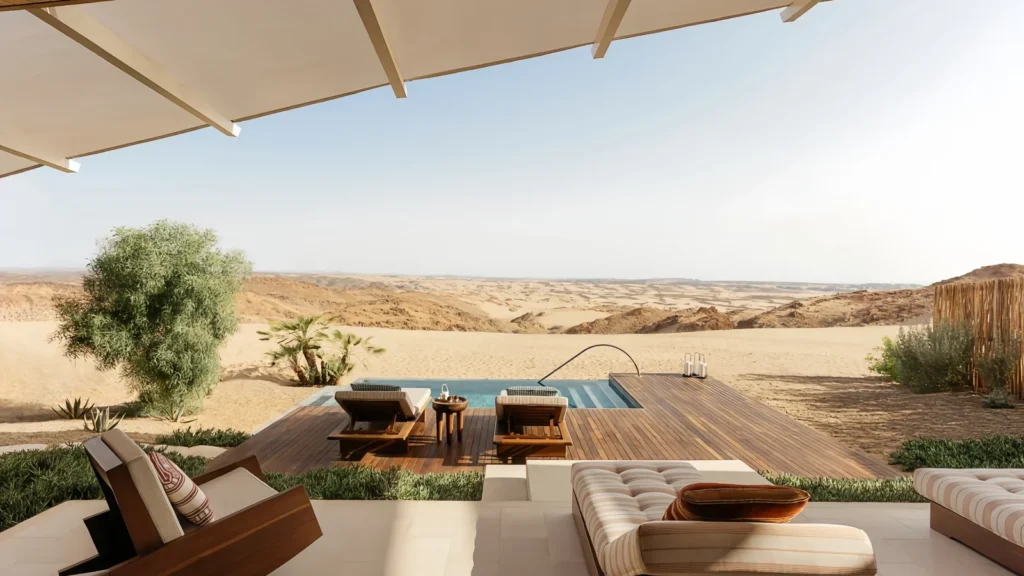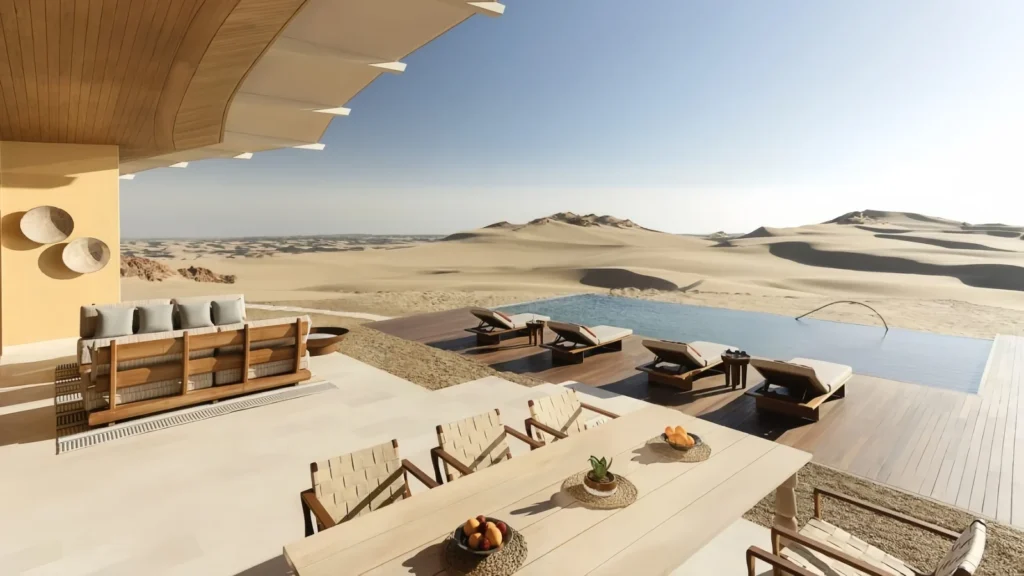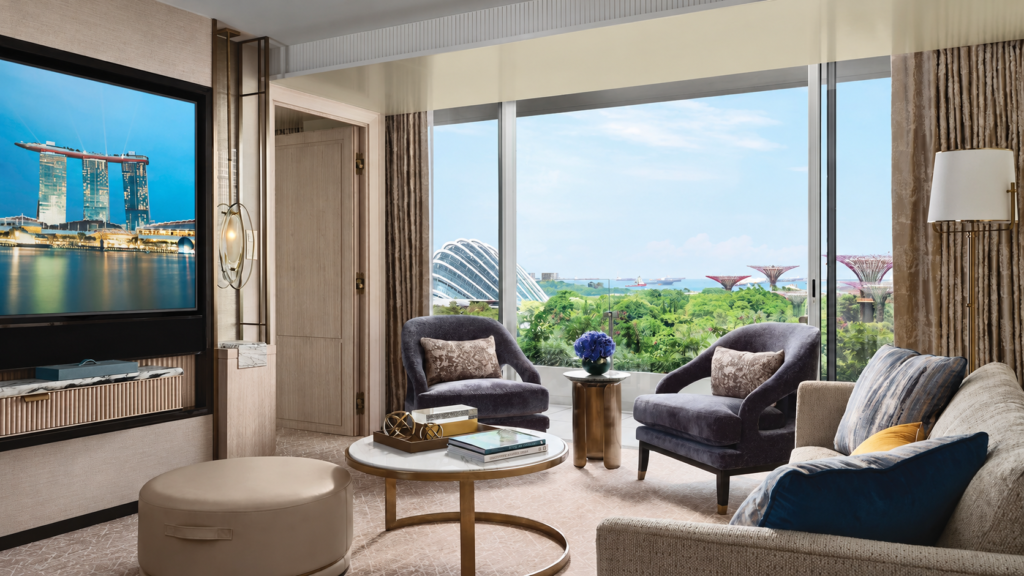

Eucalyptus wood can be a good choice for outdoor furniture when the specific timber, construction and finish suit the intended exposure, and the hotel can carry out the required care. It is not automatically waterproof, maintenance-free or suitable for year-round outdoor use in every location.
For hotels and resorts, the decision involves more than appearance or purchase price. Furniture needs to remain comfortable, stable and practical through guest use, cleaning, weather changes and seasonal storage.
Assessing the offered product against those conditions provides a more useful answer than treating all eucalyptus furniture as one category.
Why Hotels Consider Eucalyptus Outdoor Furniture
Eucalyptus is worth considering for its appearance and the value of a particular furniture offer. Its suitability still depends on the supplied product and the care it requires.
- Natural timber appearance. Visible grain and colour variation can suit hotel terraces, outdoor dining areas and resort seating spaces.
- Potential purchasing value. A eucalyptus furniture offer may fit the project’s budget, provided its construction, finish and care requirements also meet the intended use.
- Outdoor suitability varies by product. The timber description alone does not confirm that the finished furniture suits prolonged rain, strong sunlight or year-round exposure.
- Maintenance may affect operations. Depending on the supplied finish, furniture may require periodic treatment, covering or seasonal storage.
- Appearance may change during use. Expected colour and surface changes need to fit the hotel’s design requirements and agreed care method.
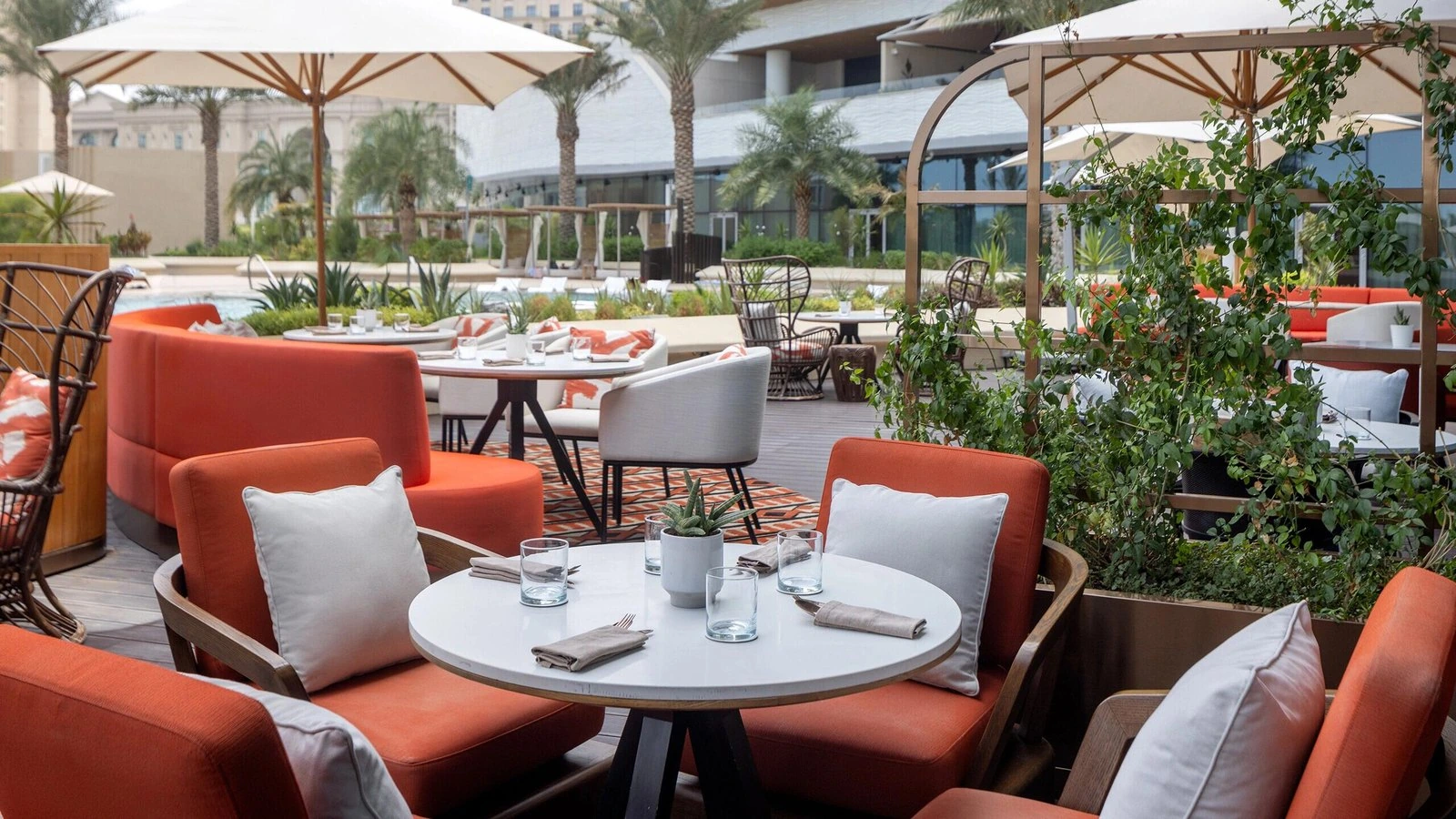
Match Eucalyptus Furniture to the Outdoor Location
The next step is to assess the actual location. Outdoor furniture can experience very different conditions within one property, from a sheltered dining terrace to an open pool deck.
Review exposure during normal service, overnight periods and seasonal closures. The conditions outside guest-service hours are still part of the furniture’s use.

Moisture, Rain and Drying
Rain, irrigation, damp flooring and cleaning practices can all contribute to moisture exposure. Consider both how often the furniture becomes wet and how readily it can dry.
Review horizontal surfaces, recessed areas and connections where water may remain. The product’s construction and care instructions should address the proposed conditions.
Outdoor suitability does not mean unrestricted contact with standing water. A manufacturer’seucalyptus furniture instructions, for example, require protection from prolonged moisture for the products they cover.
For a hotel, the practical question is whether those requirements can be met. Furniture that needs frequent covering or relocation may work beneath a restaurant canopy but be difficult to manage across a large open terrace.
Sunlight, Finish and Appearance
Sunlight and weather exposure can change the appearance of timber and its finish. Ask what changes are expected for the supplied product, rather than assuming all eucalyptus furniture will weather identically.
Distinguish appearance from condition. Colour variation alone does not establish structural damage, while an acceptable-looking surface may still have rough areas or damaged connections.
Furniture positioned in shaded and exposed areas may develop different appearances. If uniformity is important, discuss that expectation when reviewing the finish and ongoing care method.
A natural grey appearance should not automatically be treated as a suitable maintenance route for every eucalyptus product. The supplied surface system and its instructions determine what is appropriate.
Seasonal Storage Requirements
Confirm whether the offered furniture is intended for year-round outdoor use or requires seasonal storage.
Some product instructions require a dry, cool, frost-free storage environment. That restriction applies to the specified furniture, not automatically to every eucalyptus item.
Where storage is required, assess the space and handling arrangements before purchasing. Include access, furniture dimensions, permitted stacking and the work needed before reopening.
A seasonal property may have a convenient maintenance window. A hotel operating throughout the year may need a different product or a care arrangement that keeps enough furniture available for service.
What Determines Eucalyptus Outdoor Furniture Durability?
Eucalyptus outdoor furniture durability depends on how the timber is incorporated into the finished item. Material characteristics are only part of the assessment.
Ask the supplier to identify the timber and explain its processing and preparation for the proposed application. Performance claims should relate to the offered furniture rather than a general description of eucalyptus.
Construction then determines how the item works in use. Review joints, fixings and connections, together with the stability of the complete frame. A table top and its base need to function together; a chair needs suitable connections as well as comfortable surfaces.
Water-management details also deserve attention. Examine slat arrangements, recessed areas and contact points near the ground. Establish how the design and required care address the expected exposure.
The finish should have a defined purpose. Clarify whether it is intended to influence colour, provide a particular surface appearance or address another specified requirement. Its presence does not establish that the entire item suits every outdoor environment.
Mixed-material furniture needs a complete review. Metal fittings, woven panels and cushions may have different limitations from the timber. A claim about the wood cannot establish the suitability of those components.
Hotel handling adds repeated demands. If staff will stack chairs, relocate tables or move loungers between services, the design should permit those actions.
A representative sample can help assess stability, comfort, surface feel, cleaning access and handling. It does not prove long-term durability. Any relevant test information should identify the product construction and the conditions it addresses.
For this reason, a universal lifespan is less useful than clear product information, applicable evidence and a workable care programme.
Eucalyptus Outdoor Furniture Cleaning and Routine Care
Eucalyptus outdoor furniture maintenance should match the supplied finish and the conditions of use. Some products are oil-treated; others may use a different surface system. One treatment method should not be applied automatically across all eucalyptus furniture.
The following approach helps a hotel turn product instructions into a practical routine without treating every cleaning task as a refinishing job.
First identify the approved cleaning method for the furniture group. Record the cleaner, dilution where specified, permitted tools and instructions for removing residue.
Remove cushions or detachable accessories where the design allows, and clear loose debris before wet cleaning. Protect adjacent materials that have different cleaning requirements.
When introducing a method or product, test it on a small, inconspicuous area. Review the result after drying for unwanted colour changes, residue or disturbance of the finish.
Clean in manageable sections using the prescribed tools and pressure. Remove residue as instructed, keeping the method appropriate to nearby metal, fabric and woven components.
Allow the furniture to dry before assessing its condition. Inspect guest-contact surfaces, joints, fittings and stability.
Cleaning may be all the furniture needs. Additional treatment should address a defined condition or finish requirement, rather than follow automatically after every wash.
Oiling, Sealing and Finish Maintenance
Confirm the current finish and known treatment history before selecting oil, sealer or another product. A familiar product name does not establish compatibility.
Where the furniture instructions require finish maintenance, check the preparation, application and drying conditions. The preparation may involve more than routine cleaning and should follow the relevant system.
Trial the treatment on a representative area where appropriate. After the specified drying period, review colour, sheen and surface feel before treating the wider furniture group.
Follow any return-to-use requirements. Furniture should not re-enter service simply because its visible surface appears dry.
Set the maintenance interval from the product guidance and actual conditions. A universal annual oiling schedule is not suitable for every finish or location.
Keep a short record of the product, date, furniture group and result. This makes later care more consistent and helps identify whether a problem began after a change in treatment.
Covers, Storage and Return to Service
Use covers according to the furniture instructions, including requirements for fit and ventilation. Confirm the condition of the furniture before covering it, and establish a routine for checking underneath.
A cover should not become a substitute for inspection. Staff need to identify dampness, accumulated debris or developing surface problems.
Before longer storage, clean and dry the furniture, record repairs needed and separate affected pieces from those ready for reopening. Use the storage environment specified for the product.
Stack only where the design permits it. Protect contact points as instructed and organise the layout so retrieval does not require dragging pieces across one another.
Before returning furniture to service, inspect stability, connections and guest-contact surfaces. Complete necessary repairs and confirm that cushions and other accessories are also ready.
These tasks require time and space. Their feasibility should be part of the purchasing decision.
When Is Eucalyptus the Right Choice for a Hotel?
Eucalyptus offers practical value when the product’s appearance, outdoor application and care requirements align with the property’s needs.
A competitive purchase price is one part of that decision. Maintenance work, seasonal arrangements and availability during service also matter.
Different outdoor areas may justify different choices. Eucalyptus furniture suitable for a covered dining area need not be used on an exposed pool deck.
If the conditions do not align, assess alternatives against the same requirements. Another timber or non-wood system still needs product-level review.
The objective is a workable combination of appearance, suitability and care. Eucalyptus is a reasonable choice when those requirements are supported by the actual furniture specification.
Specify Eucalyptus for a Custom Hotel Project
The expected exposure and care routine should inform the material, finish and construction discussion before a custom furniture specification is settled.
Gainwell develops custom outdoor furniture and provides material and construction advice, finish samples and prototypes for approval. Where eucalyptus is being considered, these stages provide an opportunity to review the proposed appearance and furniture details against the hotel’s operating requirements.
For ahotel outdoor furniture project, share the intended locations, exposure conditions, preferred appearance and available care or seasonal-storage arrangements, together with the furniture types and initial quantities. These inputs help define the material options and questions to resolve during development; the suitability and availability of a particular eucalyptus specification remain subject to project review.
Frequently Asked Questions
Can residential eucalyptus outdoor furniture be used in hotels?
Residential suitability alone does not establish commercial suitability. Give the supplier the intended venue, furniture application and handling pattern, then request confirmation covering the offered product. Check relevant performance information, care requirements and warranty terms for commercial use. Where documents expressly restrict the item to private use, it should not be approved for hotel service without an appropriate alternative or revised specification.
How should a hotel replace damaged eucalyptus table slats?
A replacement needs to match the table’s construction as well as its appearance. Provide the item reference, slat dimensions, fixing locations and photographs showing the surrounding finish. Ask the supplier to confirm the replacement specification and installation method. If the original parts have weathered, agree on an acceptable colour range rather than promising an exact match. A trial part can help assess fit and appearance before replacing several slats.
What should a hotel do if eucalyptus furniture arrives damaged?
Photograph the packaging, item identification, complete piece and damaged area before altering or discarding anything. Record affected quantities and retain delivery documents. Notify the supplier or responsible delivery party within the applicable reporting period, and request instructions before repair or disposal. Keep furniture with stability, sharp-edge or connection concerns out of guest use. For concealed damage found during unpacking, document when it was discovered and how the item was handled.