
Why Hotels Consider Acacia Outdoor Furniture
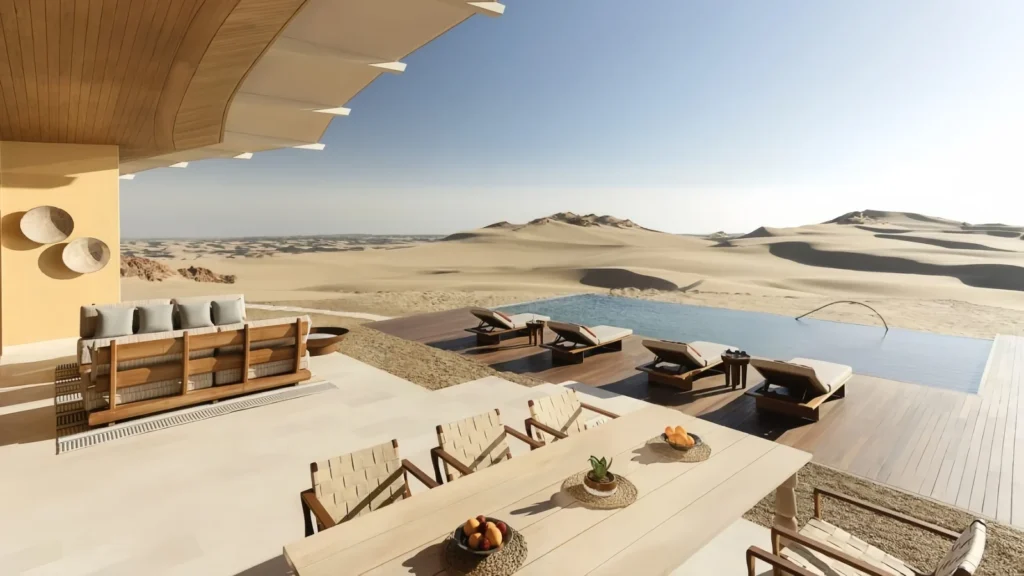
Acacia’s appeal often begins with its appearance. Its grain and colour variation can bring a natural timber character to terraces, outdoor dining areas and resort seating spaces. For projects seeking visible wood rather than a painted or synthetic surface, it can be a candidate worth considering.
Review that appearance through representative samples. A photograph can communicate a design direction, but it cannot establish the colour range across an order or how the supplied finish will look in the intended setting.
The furniture’s design also affects its appeal. A timber dining table, lounge chair and sun lounger serve different purposes, even when they use the same material. Comfort, proportions and compatibility with nearby furniture remain part of the selection.
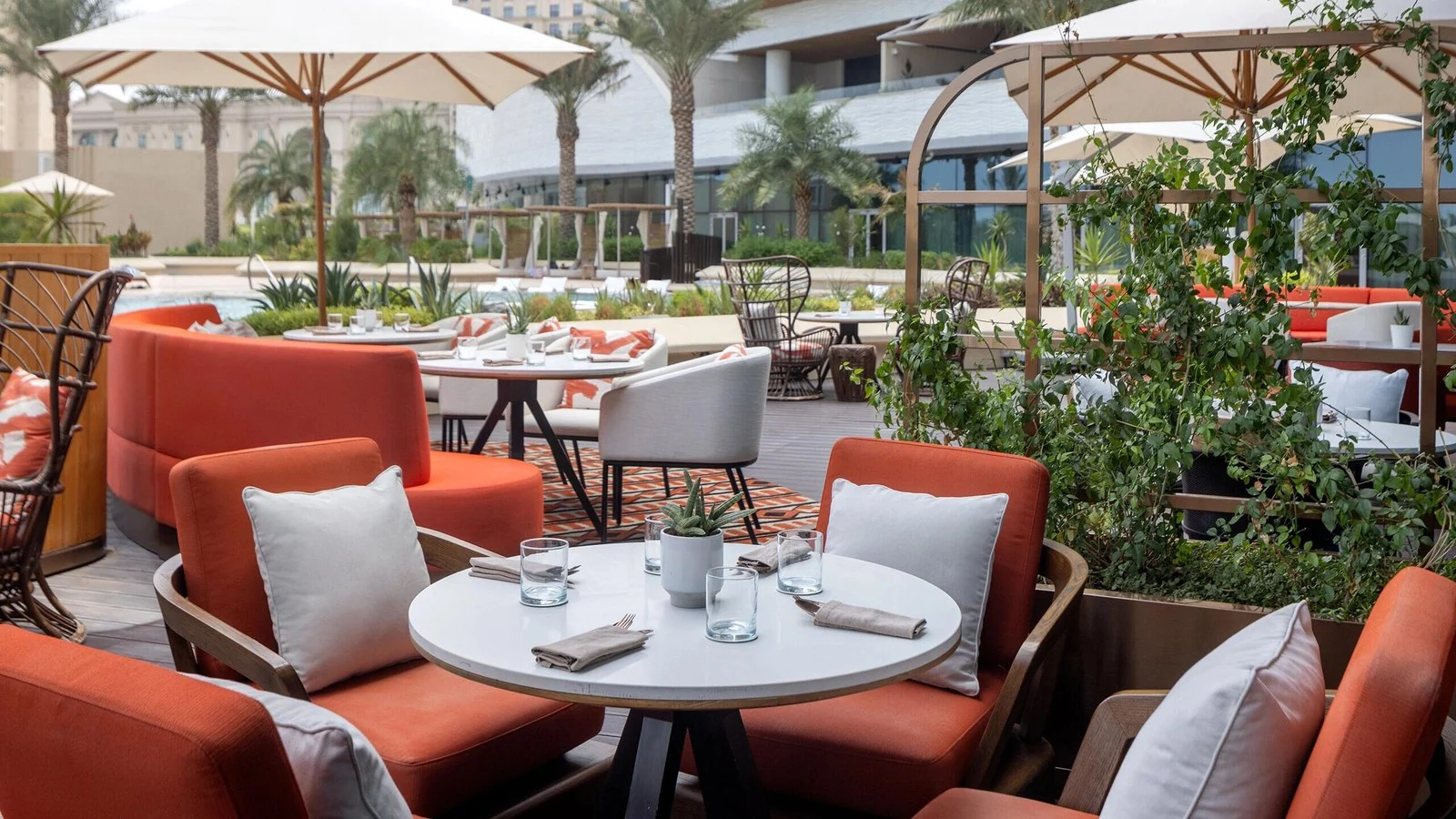
Acacia may also fit a project’s purchasing budget. Compare actual quotations rather than relying on a general claim that it is always cheaper than teak or another timber. Dimensions, construction, finish, quantities and delivery scope all influence the price.
A competitive purchase price is valuable when the product also meets the operating requirements. Furniture that requires care the hotel cannot provide may be a less practical choice, regardless of its initial cost.
These benefits make acacia worth considering, but outdoor suitability depends on the specific timber, construction and finish. The supplier’s information should identify those details and explain the intended application. With that established, the next step is to assess the conditions where the furniture will be used.
Match Acacia Furniture to the Actual Outdoor Location
“Outdoor” can describe very different conditions within the same property. A covered dining terrace, an open pool deck and a garden area closed during winter should not automatically receive the same furniture specification.
Assess the actual location, including exposure during quieter periods and seasonal closures. Furniture may experience conditions outside normal guest-service hours that are easy to overlook during a design review.
Sheltered Terraces Still Need Product-Level Review
Sheltered areas may reduce direct exposure, but they are not necessarily dry or protected from sunlight. Sideways rain, irrigation, damp flooring and cleaning practices can still affect the furniture.
Review where each furniture group will sit. Pieces near the edge of a canopy may experience different conditions from those positioned well beneath it. A partially covered terrace may therefore need more than one assessment.
Confirm that the supplier’s stated application and care requirements match the setting. Shelter is a useful consideration, but it is not a guarantee that any acacia product will be suitable.
Also consider daily use. An outdoor restaurant may require furniture to be moved frequently, wiped between services or stored overnight. Those arrangements should be compatible with the product’s design and instructions.
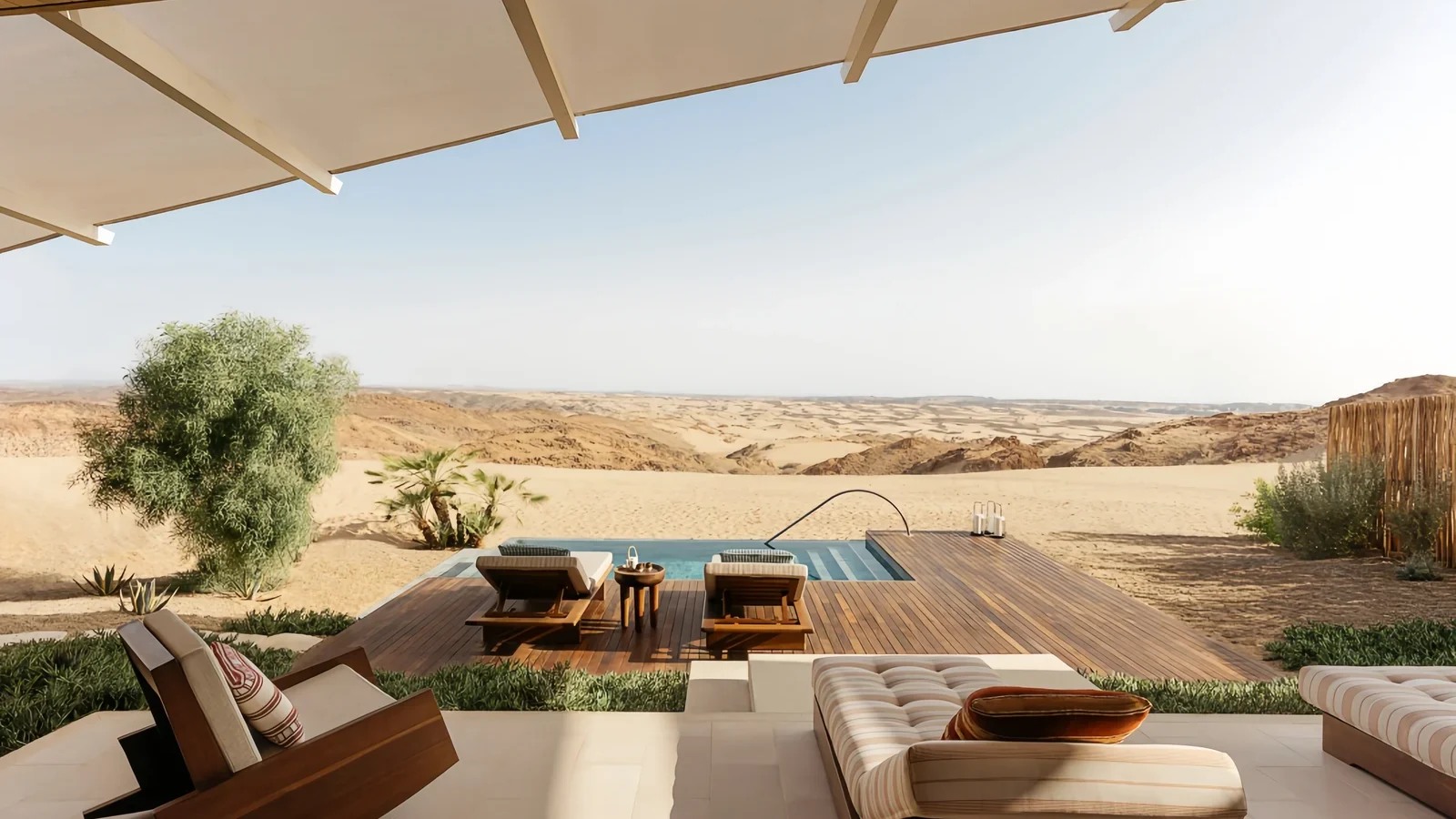
Open, Poolside and Coastal Areas Need Closer Assessment
Open locations require closer attention to repeated wetting and drying, surface changes and the work needed to maintain the intended appearance.
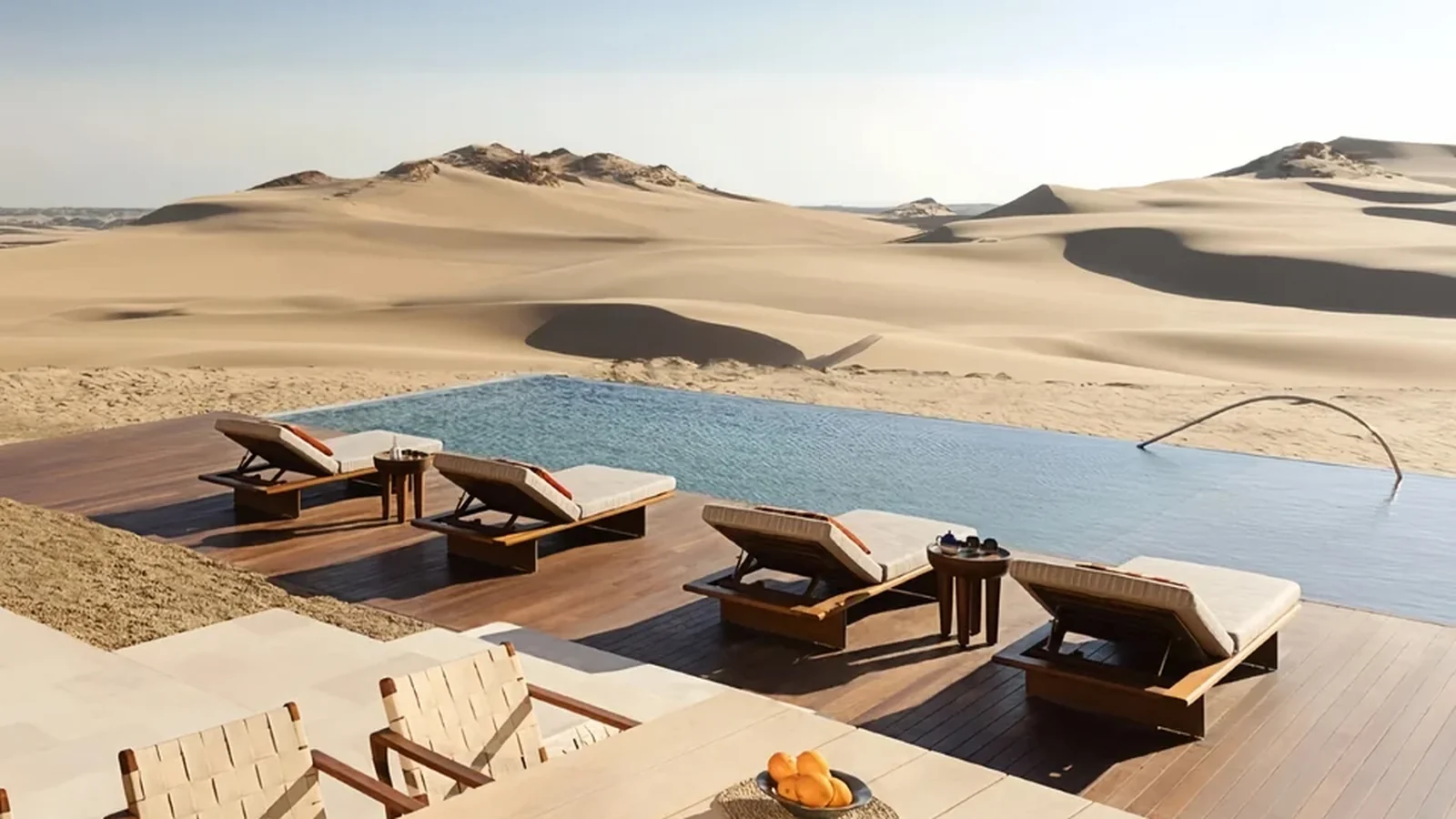
Wood responds to moisture conditions. A manufacturer’s acacia furniture care guide, for example, describes expansion and contraction associated with wet and dry exposure. It also provides separate instructions for a particular decorative finish.
The practical implication is to review the furniture’s construction and care requirements together. Establish how water leaves exposed surfaces, what appearance changes are expected and whether the prescribed protection can be provided.
A general “outdoor furniture” description is less useful than product information addressing the proposed conditions. Where the instructions require covering or storage, include those measures in the operating plan.
Poolside and coastal locations require assessment of the complete furniture assembly. Timber is only one part of the decision; fittings, bases, woven components and upholstery also need to suit the setting.
Ask whether the offered product is intended for the relevant environment and whether restrictions apply. Commercial use and environmental suitability should be clear in the product information.
For properties with seasonal closures, include the closure period in the assessment. If the furniture requires sheltered storage, confirm that suitable space and handling arrangements are available.
The result may be different choices for different zones. Acacia furniture suitable for a sheltered terrace does not automatically become the right option for every exposed area on the property.
Assess Acacia Outdoor Furniture Durability at Product Level
Once the exposure is understood, assess whether the finished furniture can meet those demands. Acacia wood outdoor furniture durability depends on the supplied timber, construction, finish and use—not the material name alone.
Start with the timber information. The offer should identify the wood sufficiently clearly and explain its condition and processing in relation to the product. A broad description such as “durable hardwood” does not establish the performance of a particular chair or table.
Next, review the construction. Joints, fixings and connections should suit the intended application. An attractive table top still needs a stable base, while a chair needs more than a sound-looking seat surface.
Pay attention to places where water may collect, including recessed details, joints and contact points near the ground. Review these alongside the stated outdoor application rather than assessing the timber in isolation.
The supplied finish also matters. Clarify its purpose, expected appearance changes and maintenance requirements. A finish intended to influence colour should not be treated as evidence that every part of the furniture is suitable for the proposed exposure.
Hotel handling adds another consideration. Frequent relocation, cleaning and storage can create demands that differ from occasional residential use. If chairs will be stacked or tables moved between services, the design should expressly accommodate that practice.
A representative sample can help teams review:
- Stability and comfort.
- Joint and connection details.
- Surface feel and finish appearance.
- Practical cleaning access.
- Moving or stacking arrangements, where permitted.
These checks help assess the offered product, but a sample’s appearance does not prove long-term durability. Any performance evidence should relate to the relevant construction and application.
Rather than assigning acacia a universal lifespan, evaluate the particular furniture against the conditions in which it will operate.
Plan Acacia Outdoor Furniture Maintenance Before Purchase
Even suitable furniture needs a care routine the hotel can sustain. Maintenance is therefore part of the selection decision, not a separate issue to resolve after delivery.
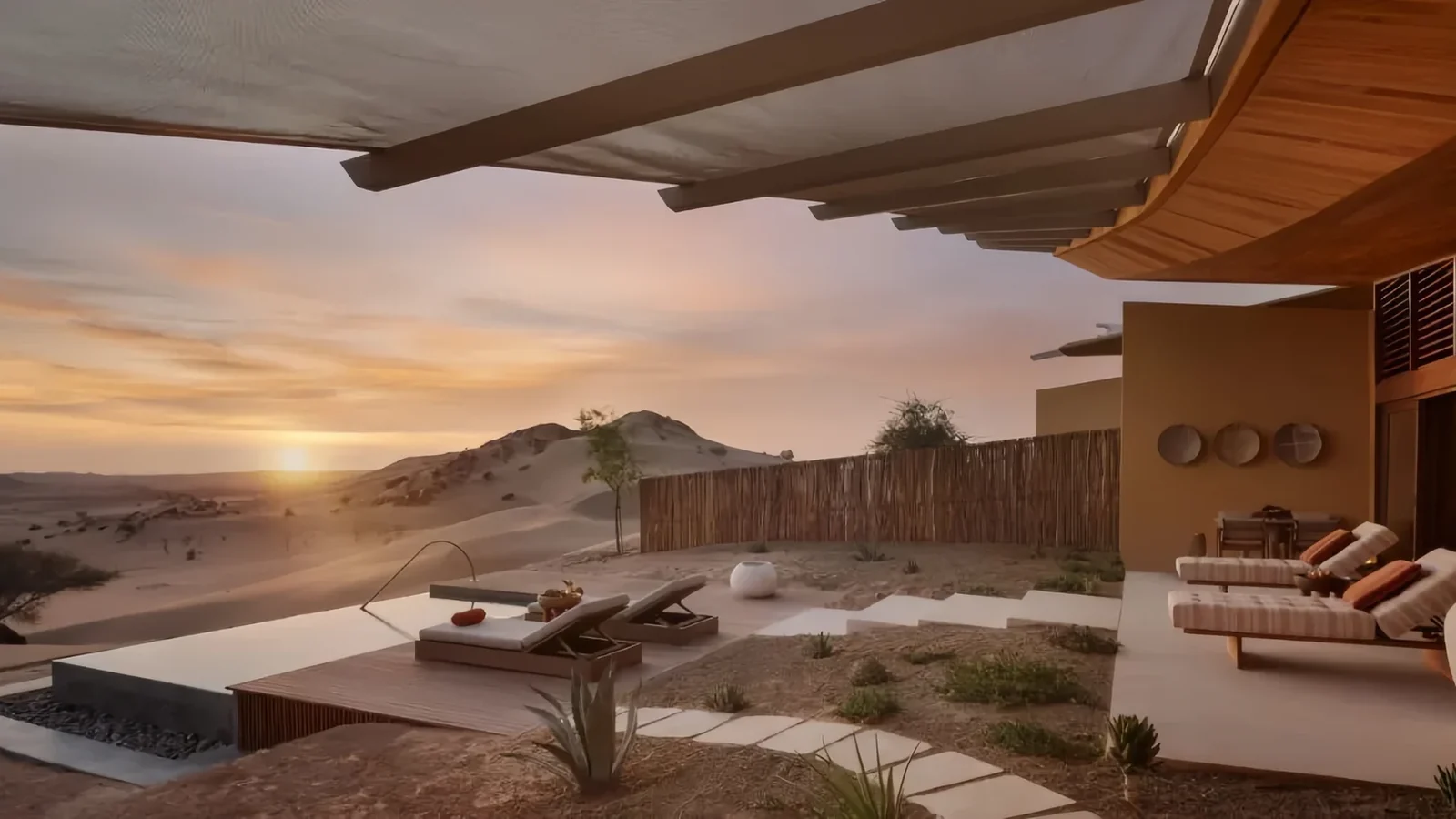
Acacia wood outdoor furniture maintenance should follow the supplied finish and product instructions. A method suitable for one furniture group may be unsuitable for another with a different coating or treatment history.
Set Cleaning and Inspection Procedures
Establish a practical cleaning method for each furniture group. Staff should know which products and tools are permitted, how to respond to spills and when a condition requires further assessment.
Inspect the whole item rather than only the visible timber. Checks should include stability, joints, fittings and surfaces guests touch.
Different findings require different responses. A surface mark may need a suitable cleaning method; a loose connection or sharp edge needs a separate assessment before the furniture returns to guest use.
Keep the routine straightforward. Clear responsibility for inspection and follow-up is more useful than a detailed procedure that staff cannot apply consistently.
Confirm the Intended Appearance and Finish
Decide what appearance the hotel expects to maintain. Is some colour variation acceptable, or must the furniture retain a closely coordinated appearance across the outdoor area?
That expectation affects the finish review and ongoing work. If the property wants a particular appearance maintained, confirm how the supplied finish supports it and what care is required.
Oil is not a default requirement for every acacia product. Decorative finishes and existing coatings may have specific limitations. Additional treatment should be compatible with the supplied surface and supported by the relevant instructions.
Clarify whether a proposed product maintains colour, addresses a particular staining concern or serves another stated purpose. These outcomes are different from structural repair or a guarantee of longer service life.
A clear finish reference and recorded care method also help when furniture is treated by different teams or maintained across several locations.
Plan Covering, Drying and Storage
Where covering or storage is required, check how it will happen in practice. Staff need suitable equipment, accessible space and a method for checking the furniture’s condition.
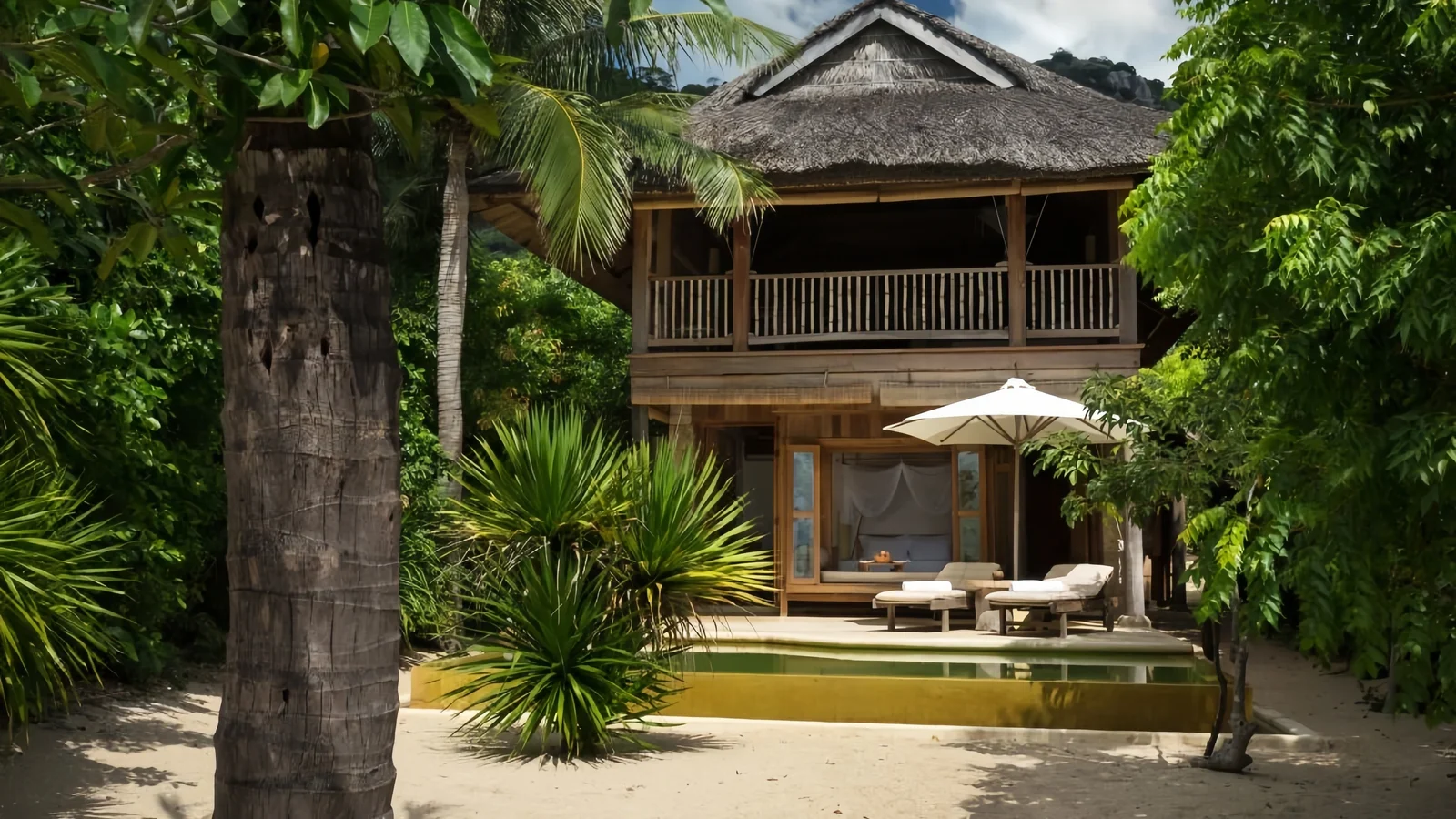
Covering instructions should address moisture and ventilation. A cover is only part of the arrangement; the hotel also needs a workable inspection and drying routine.
For planned treatments, account for the specified drying and return-to-use conditions. A dining terrace with little downtime may find some care requirements difficult to accommodate.
Include handling effort as well. Moving a large furniture group into storage requires space, staff and an appropriate layout.
These requirements do not automatically rule out acacia. They help establish whether the product fits the property’s resources and daily operations.
Decide Whether Acacia Is Right for Your Hotel
The selection can now be made against the actual product, location and care requirements.
Acacia is worth considering when the furniture’s specification is clear, its intended application matches the setting and the hotel can carry out the prescribed maintenance. Where those conditions remain unresolved, clarify them before committing to the order.
If acacia does not meet the requirements, compare alternatives against the same conditions. Another timber or a non-wood furniture system may suit the location better, but it still needs product-level assessment.
For a property with several outdoor zones, a mixed selection may be the most practical outcome. Furniture for a sheltered restaurant terrace need not be identical to furniture for an exposed pool deck.
The final choice should connect appearance, exposure and maintenance. Acacia can work well when those elements align; it becomes a less convincing option when the hotel must work around requirements it cannot realistically fulfil.
For custom furniture projects, these findings should inform the material and construction discussion. Gainwell develops custom outdoor furniture and provides material and construction advice, finish samples and prototypes for approval. If acacia is being considered for a hotel outdoor furniture project, share the intended locations, exposure conditions, preferred appearance and available care routine, together with the furniture types and initial quantities. These details help frame a review of the proposed timber, finish and construction before the specification is settled.
Frequently Asked Questions
Does FSC Certification Prove Acacia Furniture Is Suitable Outdoors?
No. FSC certification concerns forest management and the tracking of forest-based materials through the supply chain. It is not, by itself, evidence that a chair or table is suitable for a particular outdoor environment. Assess the finished product’s construction, finish, intended use and care requirements separately from its sourcing credentials.
Can Indoor Acacia Furniture Be Used Outdoors After Oiling?
Applying oil alone does not establish outdoor suitability. Indoor furniture may have construction, adhesives, fittings or finishes that were not specified for outdoor exposure. Ask the original supplier whether the complete product is suitable for the proposed location. Any treatment should be compatible with the existing surface and should not substitute for that confirmation.
Can New Acacia Furniture Match Existing Outdoor Furniture?
They may coordinate, but an exact match should be assessed rather than promised. Existing furniture can differ from new pieces because of its finish, exposure and treatment history. Provide photographs and a representative reference where possible. Clarify whether the goal is an immediate colour match or an acceptable overall appearance, and review replacements in their intended setting.
Can Acacia Outdoor Furniture Be Stacked for Storage?
Only where the furniture’s design and instructions permit stacking. The wood type does not establish whether an item can be stacked safely. Confirm the permitted arrangement, any limits and the protection needed at contact points. For furniture without stacking instructions, agree on a suitable storage method with the supplier.
What Should Hotels Check in an Acacia Outdoor Furniture Warranty?
Check whether commercial use and the intended outdoor location are covered. Review exclusions, care obligations, covered components, claim evidence and responsibility for transport or replacement work. Distinguish expected appearance changes from defects under the actual terms. A warranty should be read alongside the care instructions; its duration is not a guaranteed service life.
Is Reclaimed Acacia Automatically Suitable for Outdoor Furniture?
No. Reclaimed origin describes the material’s history, not the suitability of the finished furniture. Review its identified timber, current condition, processing, construction and finish for the proposed application. Support sourcing or environmental claims separately. Reclaimed material still needs an appropriate product specification and care method.