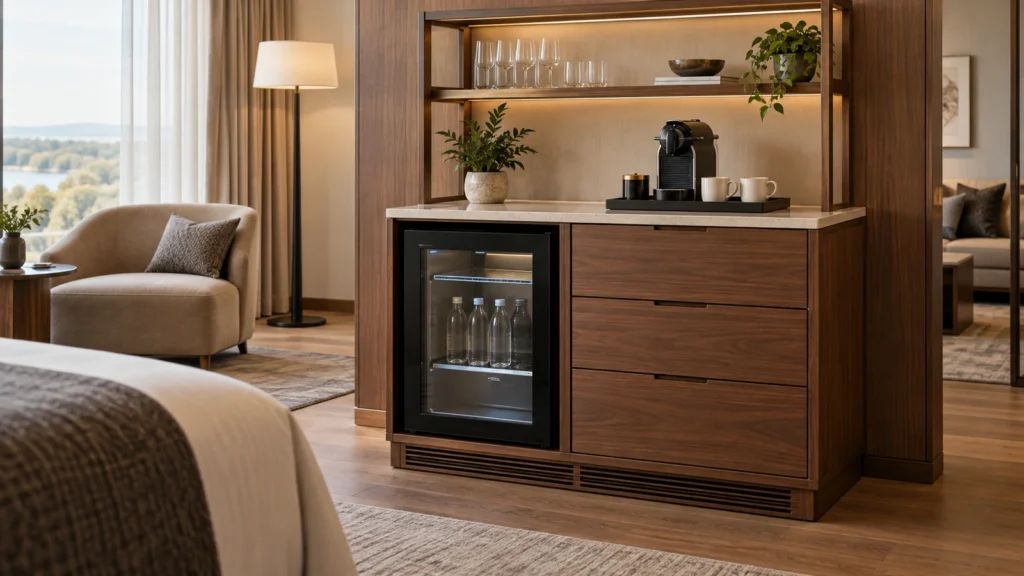

A roof covered with solar panels can be relevant to a factory review. It cannot, on its own, tell a hotel team what is inside a guestroom nightstand, which factory made a lobby chair, whether a material declaration covers the submitted finish, or what will happen to the item after use. The same boundary applies to a recycled-content percentage, a supplier certificate or an “eco-friendly” label: each may matter, but none automatically proves that an entire furniture package is sustainable.
A usable sustainable hotel furniture specification defines the exact claim, the item or process it covers, the evidence that supports it, the limitation on that evidence and the person who accepts or rejects it. The result is not a green-material shopping list. It is a line-item decision record that can survive RFQ comparison, prototype review and production release.
Replace “eco-friendly” with a defined claim boundary
Start by rewriting every broad sustainability phrase as a statement that can be checked. “Eco-friendly hotel chair” is too open: it does not identify the claimed benefit, affected component, measured property, geography, reference period or evidence owner.
ISO 14021:2026 provides principles and requirements for self-declared environmental claims used in words, symbols and graphics. In the United States, the FTC Green Guides summary warns against broad, unqualified “green” or “eco-friendly” claims and advises marketers to state environmental benefits specifically. These sources are not product approvals, and the FTC guidance is not global procurement law. They reinforce one practical rule: write the claim narrowly enough that the project can identify what would substantiate it.
| Broad wording | A reviewable replacement | Boundary still required |
|---|---|---|
| Eco-friendly chair | Submitted seat fabric contains a stated percentage of recycled content | Exact fabric code, calculation basis, evidence issuer, date and project revision |
| Sustainable timber | Specified timber component is covered by the required chain-of-custody evidence | Species, component, supplier route, certificate scope and validity |
| Low-emitting nightstand | Named panel and finish system has the required emissions evidence | Tested specimen, method, threshold, manufacturing route and finish revision |
| Recyclable sofa | Named components have a documented separation and recovery route in the destination market | Disassembly method, receiver, location, contamination limits and responsibility |
Separate five levels of hotel furniture claims
Many review errors begin when evidence from one level is applied to another. Keep five levels visible in the register:
- Facility or process: a site energy system, treatment process, management control or inspection activity.
- Material or component: an exact textile, board, timber part, foam, coating, fastener or packaging component.
- Finished product: one chair, table, casegood or upholstered assembly at a controlled revision.
- Project package: the quantities, variants, factories and substitutions released for a specific hotel.
- Use and end-of-use: cleaning, maintenance, repair, replacement, take-back, disassembly or recovery under a defined operating context.
The levels can connect, but they are not interchangeable. A factory action does not automatically establish a product attribute. A component declaration does not prove the same attribute for every option in the product family. A design for disassembly does not establish a real recovery route at the hotel location.
Build a line-item sustainability evidence register
Create one row for each claim that could influence selection, approval, marketing or a project requirement. Do not hide multiple claims inside a single “compliant” cell. The register should travel with the furniture schedule and point to controlled documents rather than email fragments.
| Register field | What to record | Control question |
|---|---|---|
| Item and revision | Furniture code, location, drawing and material/finish revision | Is this the exact item being priced and sampled? |
| Claim text | The exact sentence the project intends to rely on | Does it describe one benefit without a broad halo? |
| Claim level | Facility, component, product, package, use or end-of-use | Has evidence from another level been overextended? |
| Evidence reference | Issuer, document ID, scope, date, version and relevant page | Can a second reviewer retrieve and interpret it? |
| Coverage and exception | Factory, supplier, material code, color, quantity or variant included and excluded | What changes would invalidate the evidence? |
| Owner and status | Responsible submitter, reviewer, due date and decision code | Who closes the gap before release? |
Use four plain statuses. VERIFIED_FOR_SCOPE means the record supports the precise claim and released revision. CONDITIONAL means it supports only a stated part or depends on an open control. MISSING means the required evidence is absent or cannot be linked to the item. NOT_APPLICABLE means the requirement does not apply and the reason is recorded. A status is a project decision, not a universal certification.
Request different proof for different claim families
The evidence request should follow the claimed benefit. A certificate logo, laboratory report and supplier letter answer different questions. Third-party involvement may strengthen a record, but it does not remove the need to confirm scope, validity and product linkage.
| Claim family | Useful evidence questions | Common overreach to stop |
|---|---|---|
| Material origin or custody | Which component, supplier route, legal entity, certificate scope and transaction record are covered? | Applying one supplier certificate to every timber-containing item |
| Recycled content | Which material, pre- or post-consumer definition, percentage basis, reporting period and verifier apply? | Converting component content into a whole-product percentage |
| Chemical or emissions attribute | Which specimen, method, threshold, production route, finish and date match the submission? | Using a generic panel report for a changed assembly or finish system |
| Facility or process action | Which site, process, boundary, period, meter or operating record supports the statement? | Turning a facility action into an unqualified product claim |
| Repair, reuse or end-of-use | What can be removed, who can perform the work, which spares exist and which local route accepts the output? | Calling an item recyclable without a practicable route |
Keep service life and maintenance as decisions, not shortcuts
The U.S. EPA’s Sustainable Materials Management framework looks across material acquisition, manufacturing, use, reuse, maintenance and waste management. That lifecycle view is a useful question set, but it does not make every long-lasting item environmentally preferable or supply a project-specific impact calculation.
For hotel furniture, ask operational questions without converting them into unsupported environmental wins:
- Which high-contact or high-wear parts can be cleaned, repaired or replaced without damaging adjacent components?
- Are access details, fasteners, upholstery closures and replacement references represented in the approved prototype?
- Which care method is authorized for the exact surface and hotel operating routine?
- How long will matching spares, finish references and drawings remain controlled for the live project?
- Who decides whether a damaged item is repaired, reworked, harvested for parts or removed?
These fields improve decision quality. They are not a promise of service life, carbon reduction, circularity or lower total impact unless an appropriate study supports that exact conclusion.
Use a product row to expose missing evidence
Consider the sofa shown below as an illustrative furniture family, not a verified sustainability example. Break it into claim-bearing parts: upholstery, thread, foam or cushion system, internal structure, plinth, fasteners, adhesives, coatings and packaging. A declaration for one textile should stay attached to that textile. It should not color the entire sofa green.
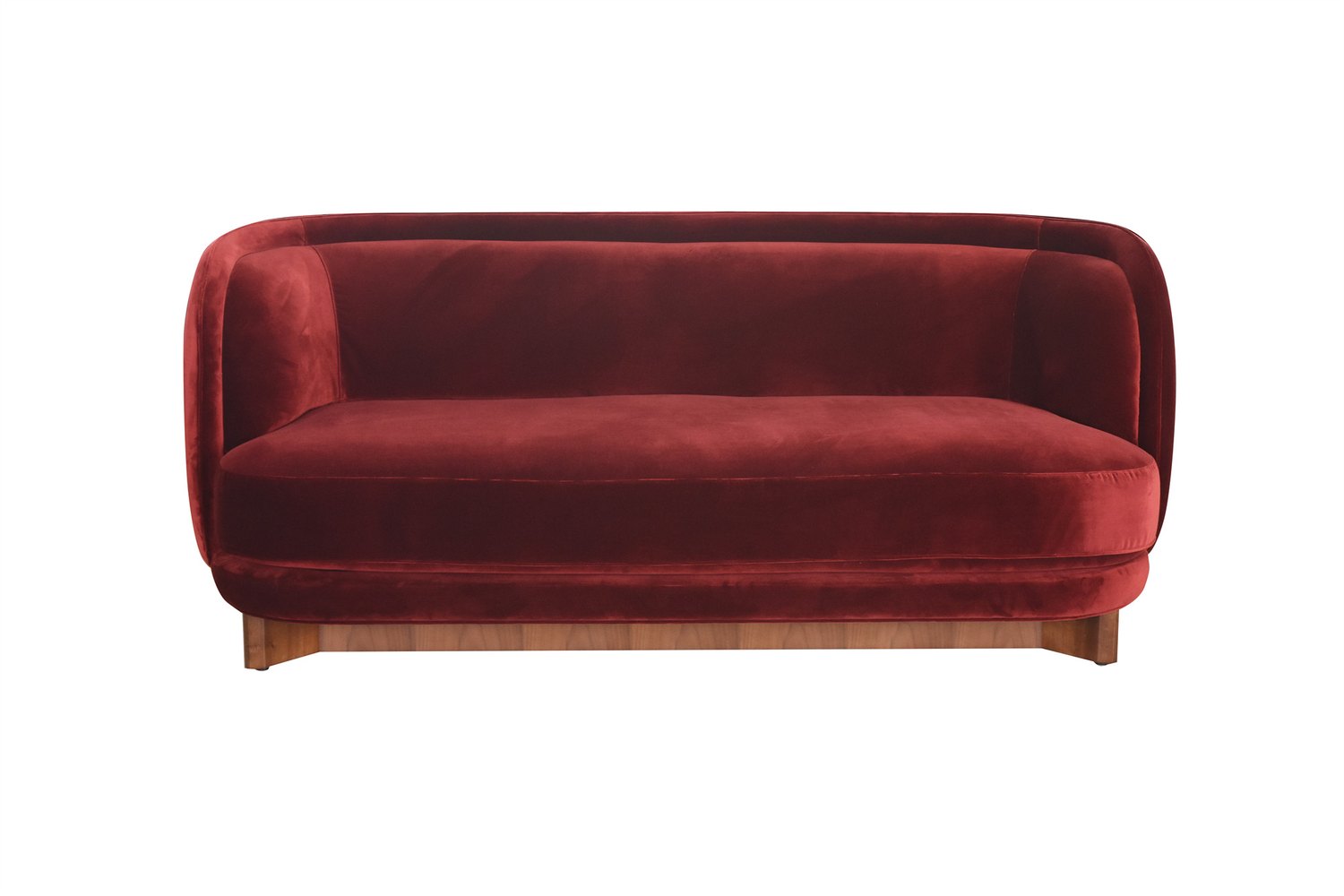
A practical sofa register might contain separate rows for upholstery content, timber custody, panel or finish emissions evidence, replaceable upholstery details and packaging. Each row can close at a different time. If the upholstery record is verified but the plinth evidence is missing, the project has a defined gap rather than an all-or-nothing “sustainable sofa” verdict.
Treat factory controls as scoped evidence, not a halo
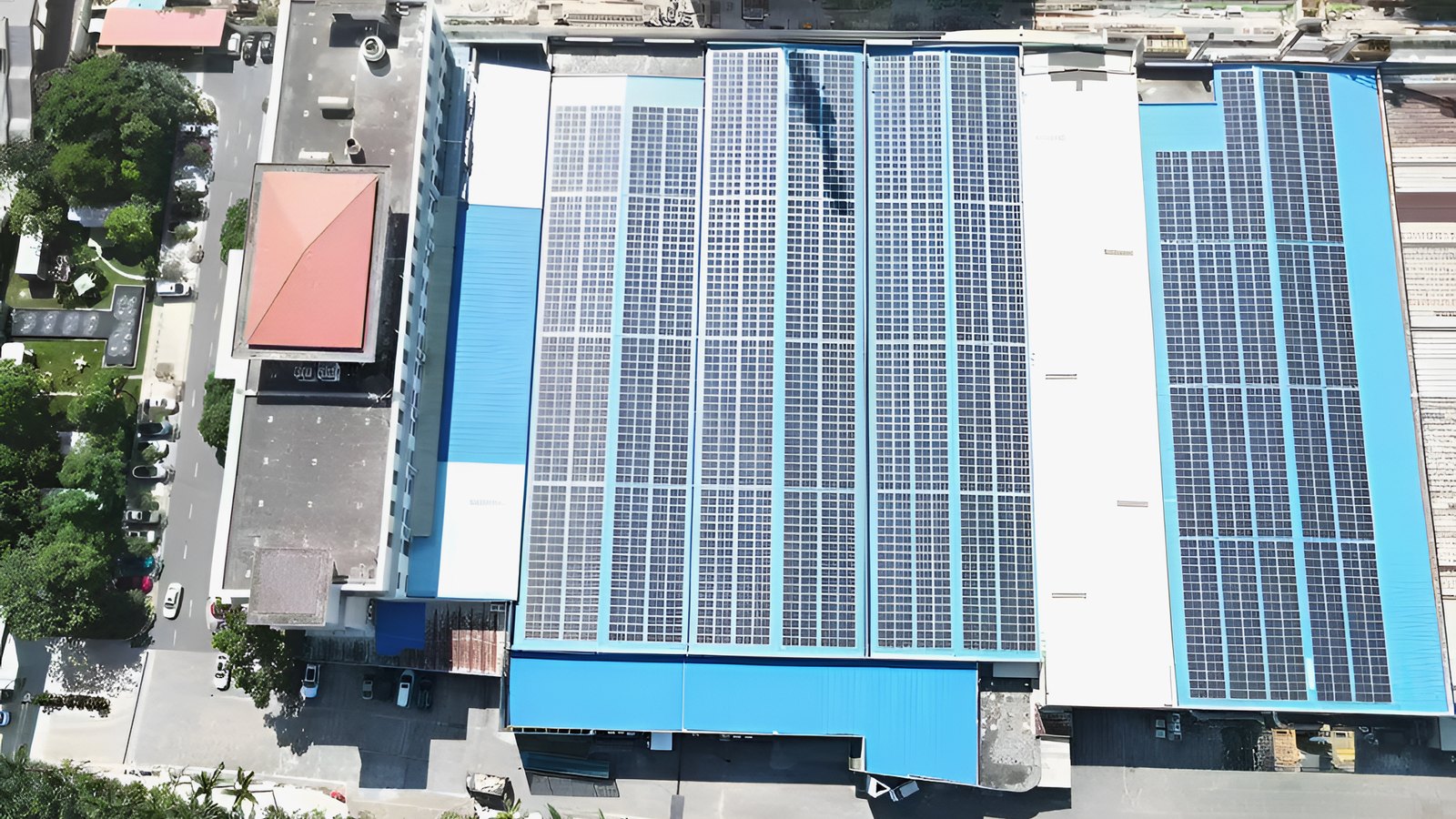
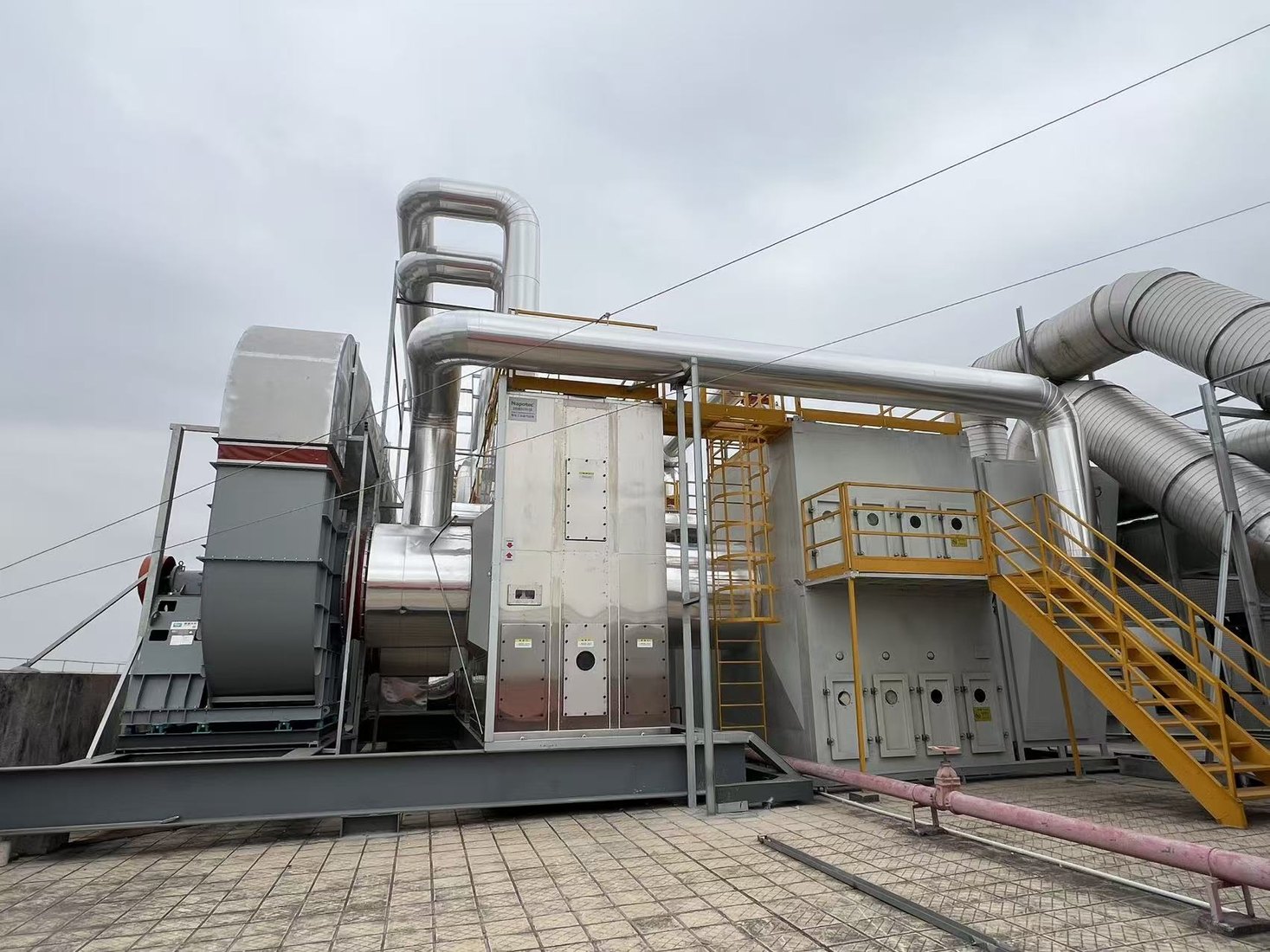
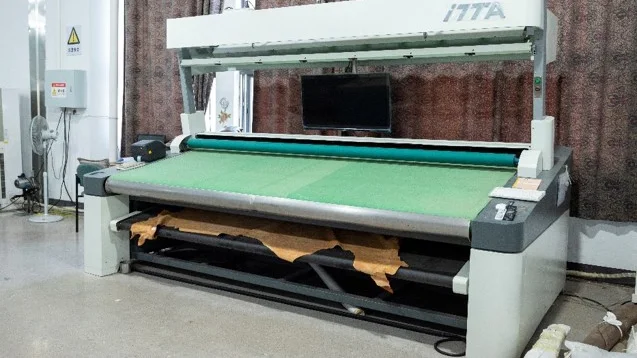
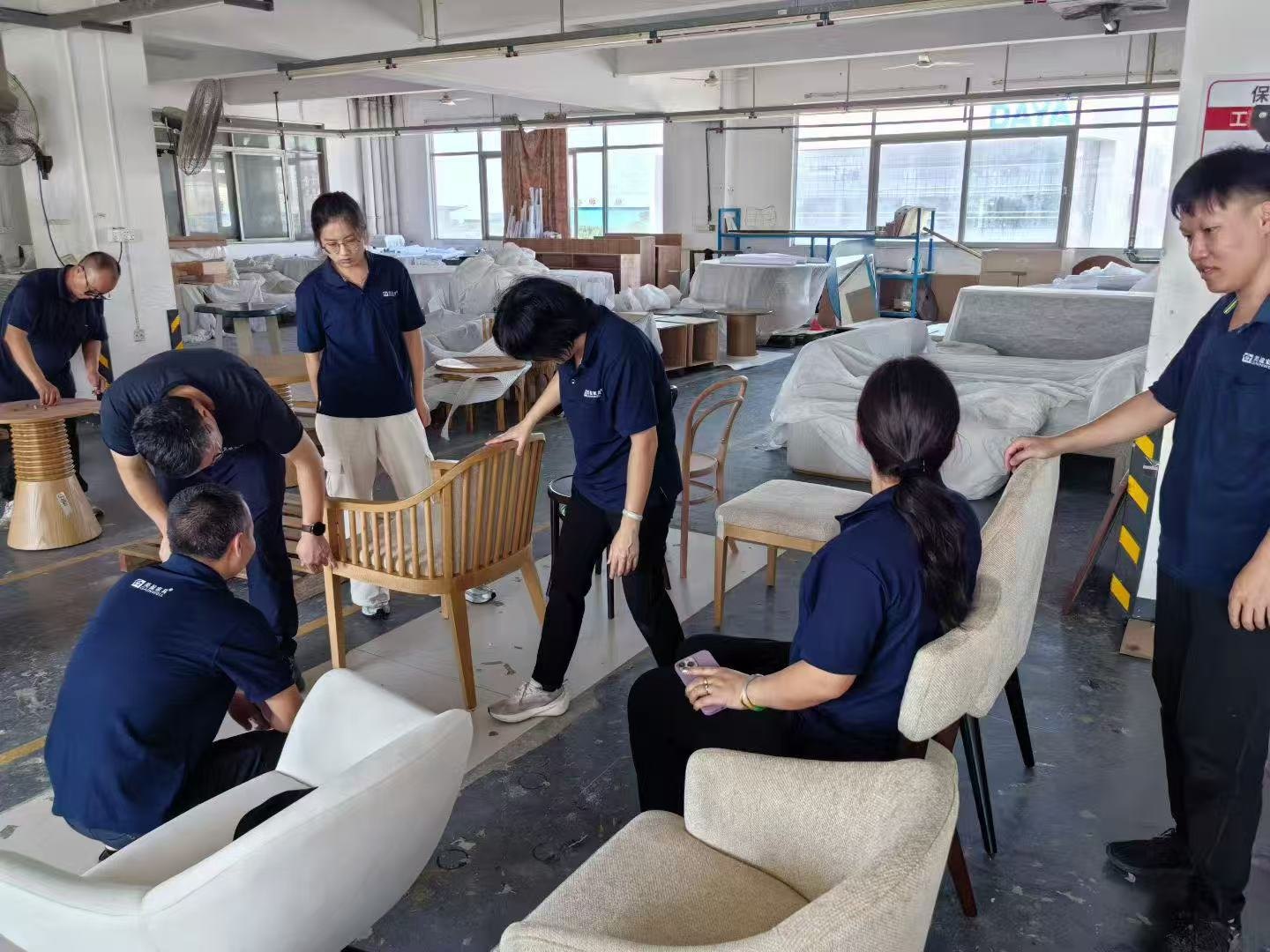
Facility photographs, management-system certificates, process equipment and inspection stations can be legitimate parts of due diligence. Record the legal entity, site, activity, period and document scope. Then state which procurement decision the record supports. Do not allow a valid facility record to make claims about an unrelated supplier, a changed material, every production site or the environmental performance of a finished hotel package.
Gainwell’s current website describes a workflow connecting shop drawings, prototypes, material and finish approvals, manufacturing, quality control, logistics and delivery. For sustainability evidence, that sequence creates useful control points: attach claims to the specified revision, review the represented materials at prototype stage and prevent unreviewed substitutions during production. It does not guarantee a particular environmental result.
Compare two furniture items without forcing one score
The hypothetical example below demonstrates the register. It does not represent a named product, client approval, tested result or completed project.
| Decision field | Guestroom nightstand | Lobby sofa |
|---|---|---|
| Selected claim | Named panel and finish system meet the project’s emissions requirement | Named upholstery has a stated recycled-content attribute |
| Claim level | Component and finished assembly | Material component only |
| Evidence link needed | Panel, finish, tested specimen, factory route and current drawing revision | Exact fabric code and color, calculation basis, issuer and purchase route |
| Open boundary | Hardware, adhesive and changed finish are outside the current report | Foam, internal structure, plinth and whole-sofa impact are not covered |
| Illustrative status | CONDITIONAL until the assembly and finish linkage is closed | VERIFIED_FOR_SCOPE for the textile only; no whole-product claim |
| Release action | Hold the claim-bearing finish revision until evidence matches | Release the textile claim row while retaining separate open rows |
A single project score may hide these differences. The register preserves them and lets the project choose priorities without pretending unlike claims are equivalent.
Freeze the evidence set before repeat production
Before prototype approval, confirm which material codes, colors, factories, drawings and evidence documents the sample represents. Before production release, issue a dated evidence index and list every permitted substitution rule. A change to a fabric color, coating system, panel supplier, production site or packaging route may not invalidate every claim, but it should trigger a defined review rather than silent inheritance.
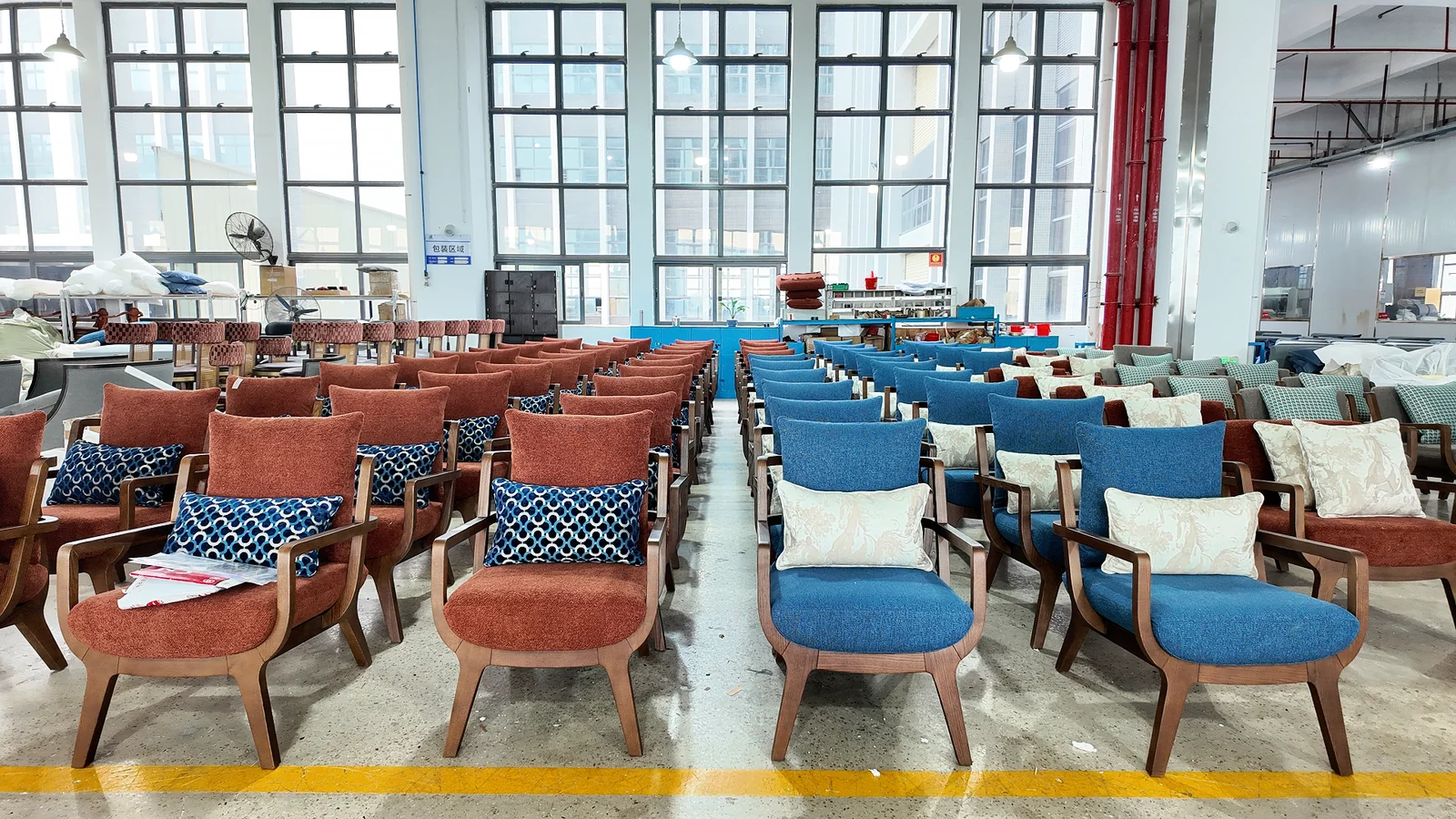
The release record should answer:
- Which claim rows are VERIFIED_FOR_SCOPE, conditional, missing or not applicable?
- Which document version and validity date supported each decision?
- Which item variants, colors, quantities and production routes are covered?
- Who can approve a substitution and what evidence must be resubmitted?
- Which public-facing wording, if any, is permitted after the project review?
Turn the register into an RFQ and review brief
Send suppliers and manufacturers the furniture schedule, item revisions, project sustainability requirements, exact claim wording, evidence fields, required standards or program rules, approved equivalencies, submission dates and reviewer. Separate “mandatory for release” from “preferred for comparison.” This prevents a broad aspiration from becoming an uncontrolled promise.
For Gainwell project review, share the register with the relevant drawings, material and finish schedule, prototype comments and unresolved exceptions. The current product categories can help organize the furniture families, and the contact page provides the project-enquiry route. The decisive question is not “Is this eco-friendly hotel furniture?” It is “Which exact claim is supported for this exact item, revision and project boundary?”
Frequently Asked Questions
What makes hotel furniture sustainable?
A credible answer defines the specific environmental attribute, product boundary, evidence period and responsible source. Relevant factors may include material sourcing, manufacturing, service life, repair, reuse and end-of-use options. No single broad label proves all of those attributes.
How can a hotel verify furniture sustainability claims?
Request evidence that names the exact product or material, claim owner, method or standard, issuing body, date, scope and limitations. Check that the document supports the wording being used. ISO 14021 and the FTC Green Guides both reinforce the need for specific, substantiated environmental claims.
Which sustainable materials are best for custom hotel furniture?
There is no material that is best for every item. Compare the required use, appearance, maintenance, sourcing evidence, manufacturing route, repairability and end-of-use options. The decision should be made at line-item level because one product can combine several materials with different evidence boundaries.
How should lifecycle cost be considered for sustainable hotel furniture?
Compare purchase, installation, cleaning, maintenance, repair, replacement disruption and end-of-use assumptions over a stated period. Keep uncertain inputs visible and do not treat longer service life as proven without relevant evidence. Lifecycle cost supports a decision but does not by itself establish an environmental claim.
What sustainability information should a hotel request from a furniture supplier?
Use a line-item register covering the exact claim, product scope, material or process, evidence owner, document reference, issue and expiry dates, limitations and review status. Also request the maintenance and repair information needed to assess the intended service-life strategy.