
Cruise ship outdoor furniture should be planned around the function of each deck area, its level of marine exposure and the way passengers and crew actually use the space. A pool deck, outdoor dining terrace and observation area may all need exterior furniture, but they should not automatically receive the same chairs, tables or material specifications.
The better starting point is the deck itself. Define what happens there, how exposed the area is, how furniture is used during normal operation and what must happen when the space is cleaned, rearranged or temporarily cleared. The furniture can then be selected as part of a coordinated cruise ship and yacht furniture package rather than as isolated outdoor products.
This is also where the topic differs from selecting one cruise lounge chair. Individual chair construction, reclining positions and product-level checks matter, but an outdoor deck requires a wider decision: how several furniture types work together across a complete passenger area.
Match Outdoor Furniture to Each Cruise Deck Area
Different deck areas support different activities, so the furniture mix should follow the use of the space rather than a single visual theme.
| Cruise area | Typical furniture mix | Main planning priority |
|---|---|---|
| Pool and sun deck | Sun loungers, side tables, occasional seating | Exposure, pool access and daily reset |
| Outdoor dining terrace | Dining chairs and tables | Dining comfort and service movement |
| Observation deck | Lounge chairs, sofas and occasional tables | Viewing direction and circulation |
| Open-air bar | Bar stools, lounge seating and tables | Counter relationship and passenger movement |
| Flexible activity deck | Movable seating and tables | Reconfiguration and storage |
| Guest balcony | Compact chairs and small tables | Limited footprint and access |
These are planning examples rather than fixed rules for every vessel. The actual furniture schedule needs to follow the deck arrangement and operating brief of the project.
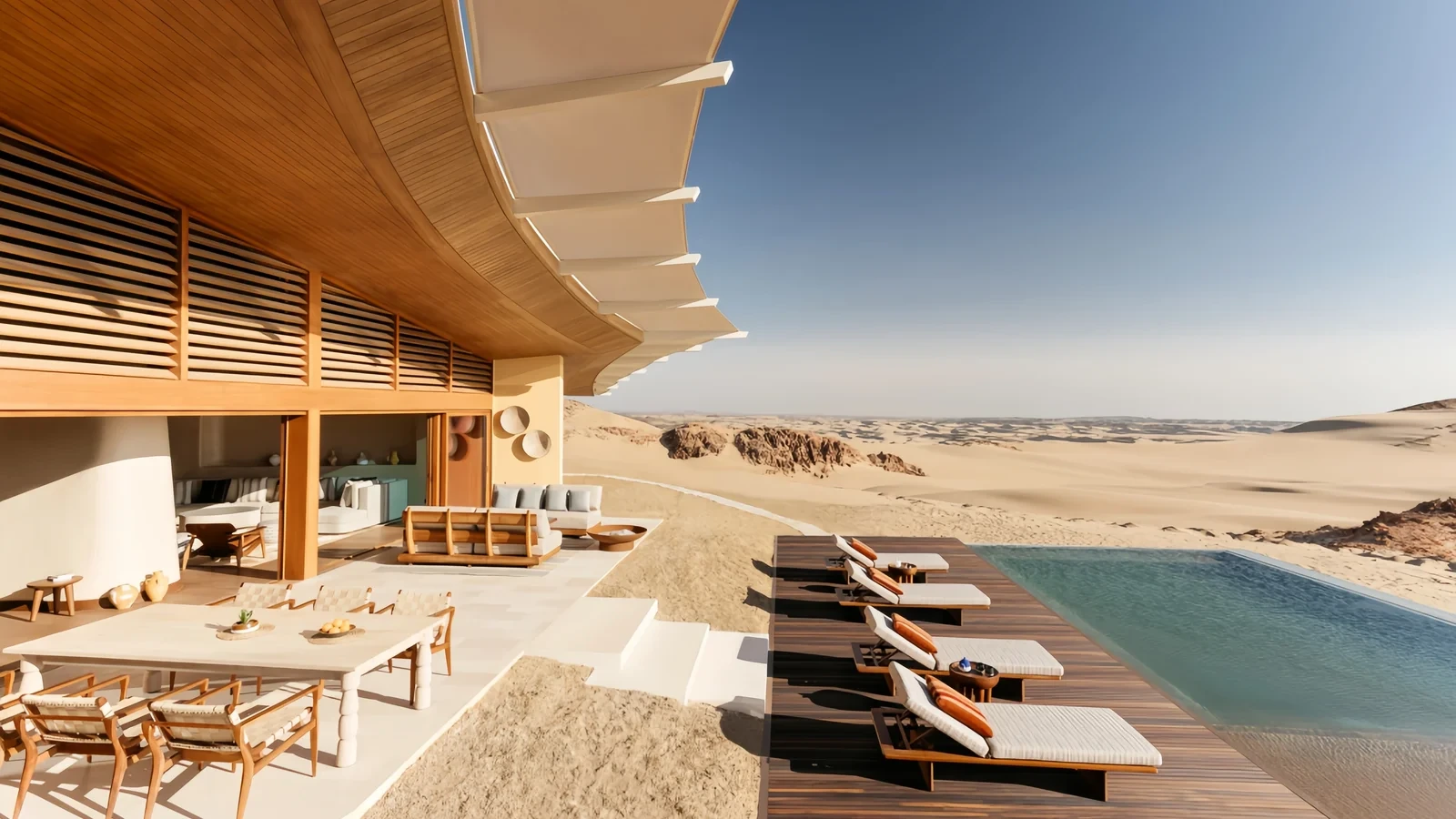
On an exposed sun deck, the main furniture may be loungers and small tables because passengers stay for longer periods and need personal space around each seat. A nearby pool area may require some of the same pieces, but splash, drainage and frequent deck cleaning become more important.
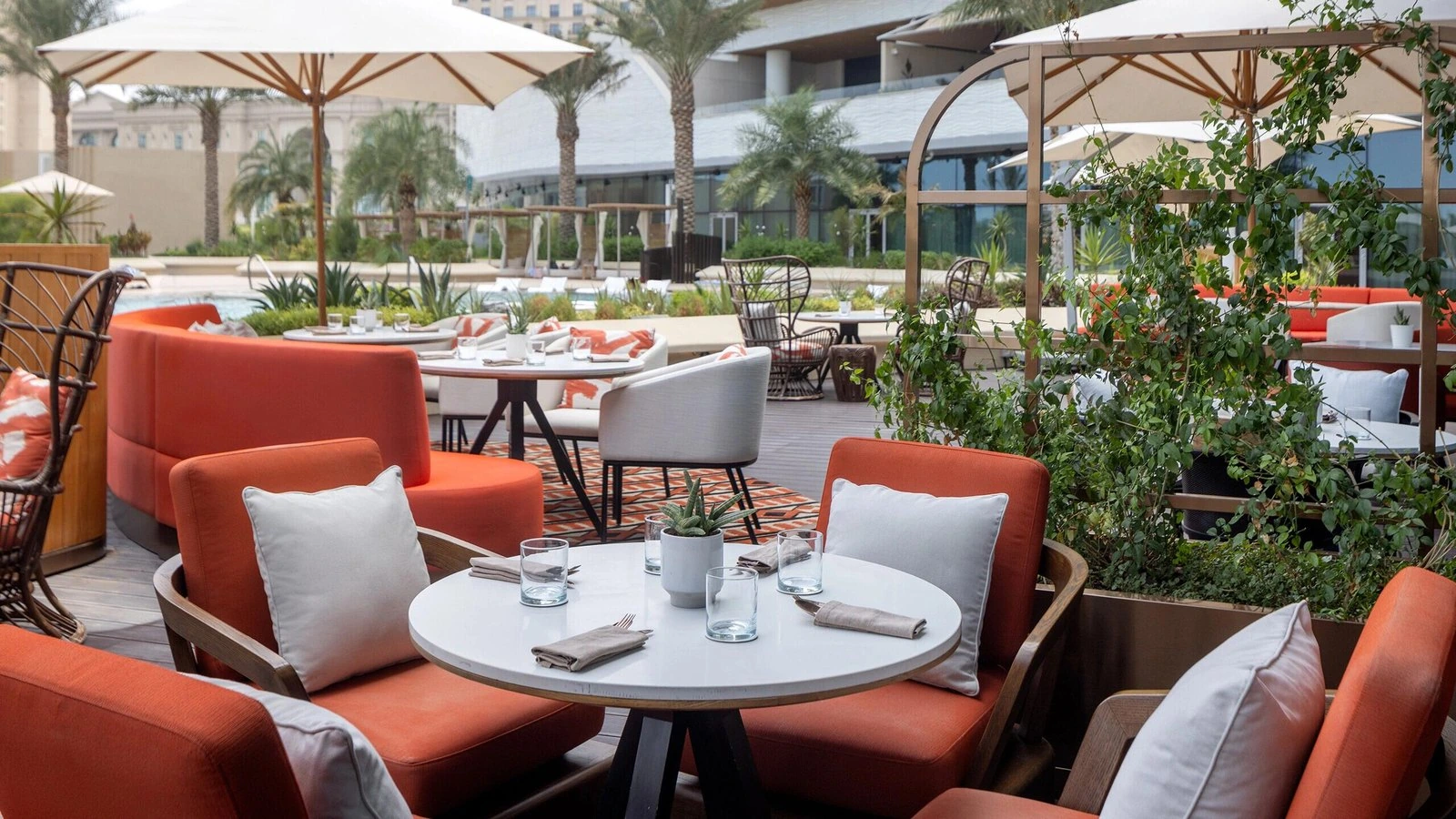
An outdoor dining terrace operates differently. Here, tables and chairs need to function as complete dining groups. Guests must be able to sit down and leave the table comfortably while service staff can approach the setting without repeatedly moving neighboring furniture.
Observation decks introduce another priority. Seating may need to face a particular view rather than simply follow a symmetrical floor plan. A combination of individual lounge chairs, small sofas and occasional tables may work better than a dense arrangement of one repeated chair type.
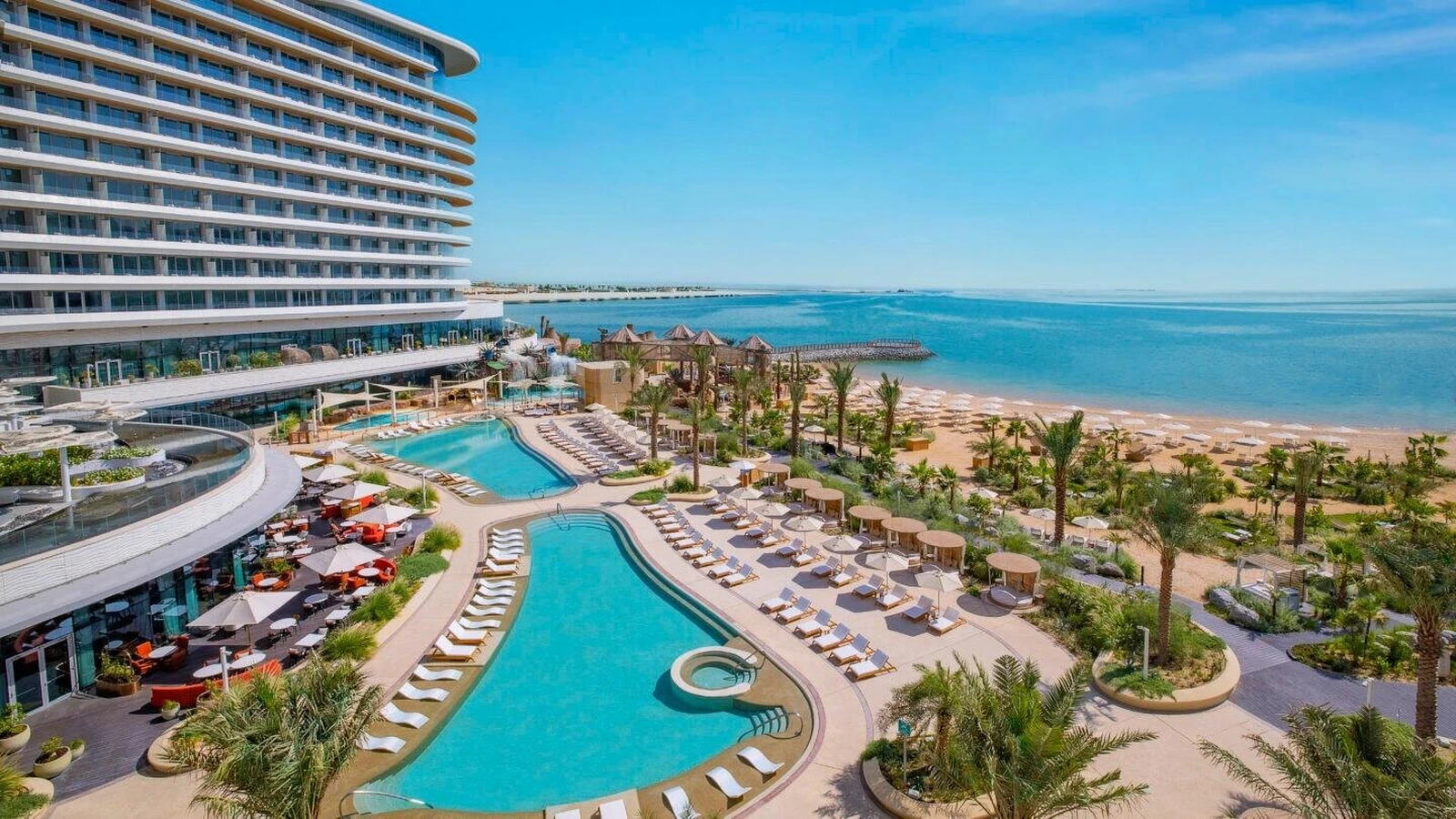
This zone-based approach prevents the project from applying one “outdoor furniture collection” to every open deck even when the areas have very different operating needs.
Build Furniture Groups Around How Each Area Is Used
The useful unit of planning is often not one chair or one table, but the furniture group.
For poolside areas, a lounger and side table should be reviewed together. The side table needs to remain reachable without interfering with access to the lounger or the route around the furniture. If upright lounge seating is added nearby, it should support a different activity rather than simply fill unused floor area.
The same principle applies to outdoor dining. A dining chair may look suitable in isolation but create a weak furniture group if the arm height conflicts with the table, the seat position places passengers too far from the tabletop or the chair occupies too much space when pulled out.
That is why the seating and upholstery and tables and workspaces categories should be coordinated around the actual arrangement rather than selected independently.
Open-air bars need another set of relationships. Stool height, counter height and the space behind an occupied seat all affect whether the area works. A stool that fits neatly under the counter when empty can still become an obstruction once a passenger is seated.
Observation and casual lounge areas can be more flexible. Several smaller furniture groups may allow passengers to choose between short stays, conversation and longer periods of relaxation. One large sofa arrangement may look visually strong but be less adaptable if the deck supports changing activities during the day.
The question throughout is not “How many pieces fit?” It is “Does the complete group still work when people are actually using it?”
Choose Materials for the Actual Marine Exposure
Outdoor furniture on a cruise ship needs to respond to more than rain.
Salt deposits, humidity, ultraviolet exposure, pool splash, cleaning water and temperature changes can affect frames, coatings, upholstery, hardware and joints in different ways. The degree of exposure also changes from one deck to another.
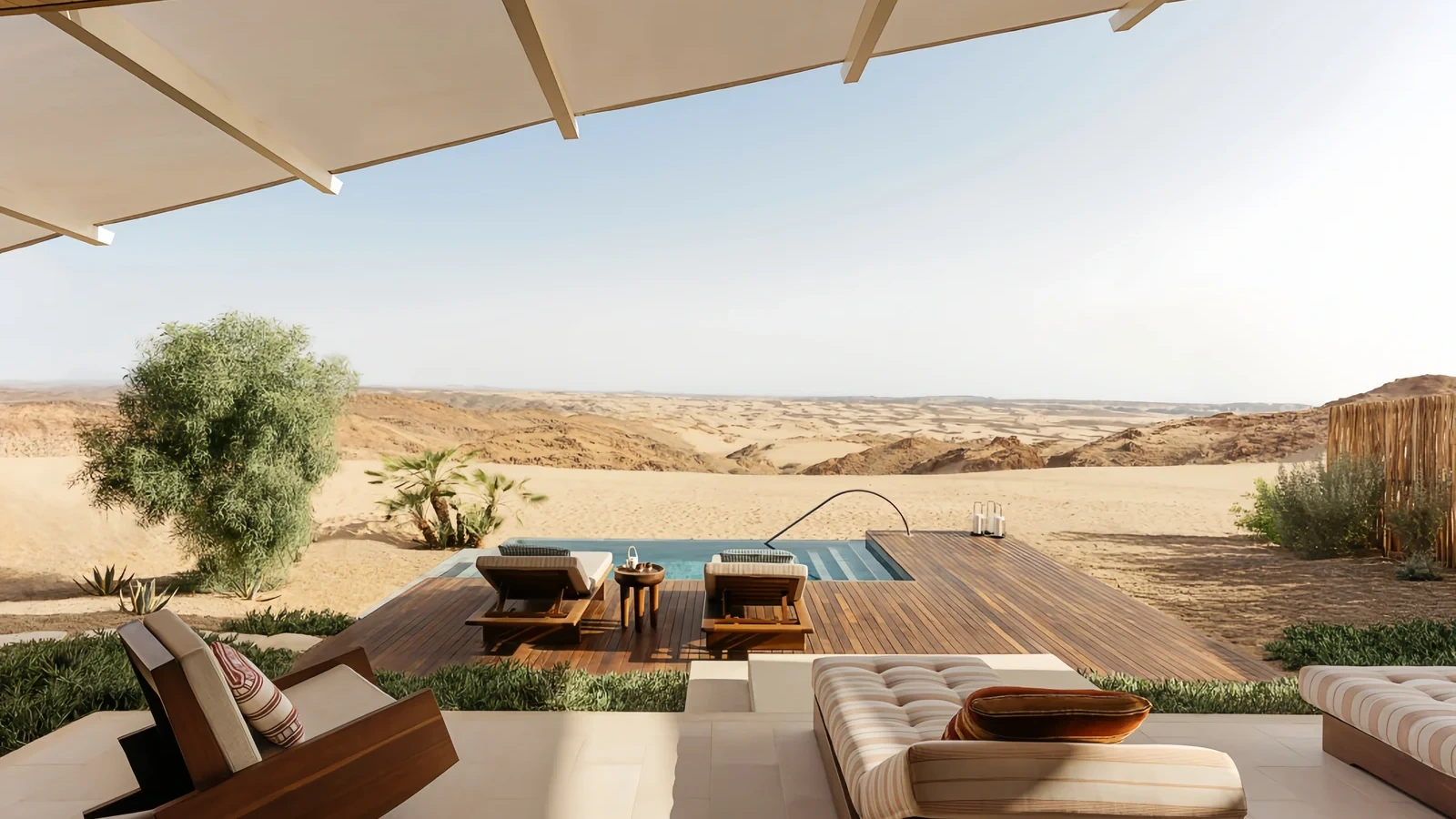
An open sun deck generally needs a material system that tolerates direct weather exposure and remains practical to handle. Aluminum frames are often considered for this type of furniture because they can combine corrosion resistance with relatively manageable weight, but the frame material alone does not determine performance. Coating quality, welds, drainage details, fasteners and the way other materials are attached still need to be reviewed together.
Timber creates a different design and maintenance decision. It may suit a project that wants a warmer or more natural material expression, but the team also needs to accept the consequences of weathering, surface care and moisture exposure. Choosing timber because it looks appropriate at handover without considering the maintenance plan can shift the problem to the operator.
Soft seating requires the same whole-product thinking. An exterior fabric may be suitable for outdoor use, but that does not mean the complete cushion will perform well if water remains trapped inside it. Fabric, seams, cushion construction, drainage and the way the cushion attaches to the frame all influence how quickly the furniture can return to use after cleaning or wet conditions.
Covered outdoor areas should not automatically receive indoor furniture either. A covered observation lounge may still experience humidity, salt air, sideways rain or cleaning water. Its exposure can be lower than an open pool deck without being the same as an enclosed interior space.
For this reason, labels such as “outdoor” or “marine-grade” are useful starting points, but not complete specifications. The actual material, finish, hardware and construction need to match the location where the furniture will operate.
Plan the Layout Around Passenger and Service Movement
A deck furniture plan can look successful while every chair is neatly parked and still fail during normal operation.
Dining chairs move away from tables. Passengers place bags beside lounge seating. Staff approach tables from different directions. Furniture may be temporarily repositioned for cleaning or another deck activity.
The layout therefore needs to be reviewed in use.
Take an outdoor dining terrace as an example. If a row of tables fits only when every chair is pushed completely underneath, the drawing is not showing the condition that matters most. The more useful test is whether neighboring tables, passenger movement and service activity still work when several chairs are occupied at the same time.
Poolside planning creates similar conflicts. Loungers, occasional seating and tables should not be arranged purely around the maximum number that can fit along the deck edge. The required passenger routes, access to the pool and relationship with fixed deck features must remain usable.
Observation seating creates a different balance. The most attractive viewing direction may not align with the easiest circulation pattern. Rotating seats toward the view can increase their effective footprint or alter the route behind them. That relationship should be solved in the layout rather than left for crew to correct after installation.
Actual clearances, accessibility provisions, capacities and safety requirements should come from the vessel’s approved project information rather than generic furniture-spacing figures.
This is where the furniture plan needs to remain connected to the wider deck design. If a layout works only because it assumes a route can become narrower or a fixed feature can be ignored, the furniture is not truly coordinated.
Decide What Should Stay in Place, Move or Go Into Storage
Cruise outdoor furniture does not always remain in one position throughout its service life.
Some items may be fixed or secured as part of the approved deck arrangement. Others may be moved regularly to reset a dining area, reconfigure an activity space or clear part of the deck. Certain furniture may need to be transferred to storage under conditions defined by the vessel’s operating procedures.
These different roles should be identified before a furniture model is finalized.
For frequently moved pieces, low handling effort can be valuable, but lighter furniture is not automatically the better choice. The project still needs an approved approach to stability, restraint and weather conditions. Increasing product weight alone is not a substitute for that decision.
The same applies to stackability. It can be useful where chairs genuinely need to be cleared and stored, but specifying stackable furniture everywhere adds little value if a particular deck never operates that way.
Storage should also be considered as a real destination, not an abstract requirement. The furniture has to reach it through the vessel. A chair may stack efficiently once it arrives in the storage room but still be inconvenient if the route includes restricted doors, changes in level or other handling constraints.
For a flexible activity deck, these operating questions may influence the furniture choice as much as appearance does. A successful arrangement is one that can move between its intended states without creating unnecessary work for the crew.
Keep Cleaning, Drainage and Replacement Practical
Outdoor furniture should still be manageable after passengers start using it every day.
Poolside furniture may receive repeated water exposure and frequent cleaning. Dining tables need surfaces that can be cleaned efficiently after service. Upholstered components may need to dry before the area reopens. Movable pieces can also experience wear at feet, glides and handling points.
The furniture design should support those routines rather than complicate them.
For example, a seating frame with decorative shapes or enclosed joints may look attractive but require more effort to clean if water and residue collect in difficult-to-reach areas. A table surface may perform well against rain but still be unsuitable if the cleaning products used by the operator damage its finish.
The same operational thinking applies to replacement.
If several decks use visually similar furniture but one area has a more demanding material specification, replacement items need to be identified by their actual project reference rather than appearance alone. Otherwise, a product intended for a sheltered area could eventually be used in a more exposed zone.
Keeping clear item codes, material references and component information therefore matters beyond initial procurement. It helps the vessel maintain the original furniture strategy when cushions, hardware, glides, table surfaces or complete items need replacement later.
Confirm the Furniture Package Before Production
By the time the project moves toward production, the furniture package should connect each item to a defined deck area, quantity, material direction and operating role.
The process should move in a logical order.
First, confirm the outdoor zones and the furniture groups required in each one. Then establish the dimensions and relationships that make those groups work in the deck layout. After that, confirm materials and finishes against the expected exposure, together with any project-specific fixing, restraint or handling requirements.
A prototype or representative sample can then be used to check issues that drawings do not fully communicate.
For a dining group, the useful review may involve a chair and table together rather than approving them independently. For lounge seating, the team may need to confirm comfort, handling and the relationship with adjacent tables. For a flexible deck, the important question may be whether the furniture can actually be rearranged and stored as planned.
Comments should remain tied to the correct item and drawing revision before repeat production begins.
The same discipline applies when something changes. Replacing a tabletop material, modifying a frame, changing hardware or moving a furniture group to a more exposed deck can affect decisions that were already approved. Those changes should be reviewed instead of assuming the earlier approval still applies.
For projects moving from furniture selection into technical development, technical development and production coordination can connect approved dimensions, materials, prototypes and project information with repeat production.
For a deeper look specifically at reclining deck seating, the guide to cruise ship lounge chair selection covers individual chair construction, operating dimensions and product-level checks without duplicating the wider deck-planning focus of this article.
Outdoor Furniture Packages for Cruise Ship Projects
A cruise outdoor furniture package should begin with the vessel’s deck plans, intended activities, exposure conditions and furniture schedule. Seating, tables and related pieces can then be developed as coordinated groups while allowing different zones to use the materials and configurations appropriate to their own conditions.
Gainwell develops custom hospitality and marine furniture for cruise ship and yacht projects, including seating, tables and related public-area furnishings. Project development can include drawing coordination, material and finish review, prototypes, production planning and delivery coordination, with the final technical requirements and scope confirmed for the individual project.
For a new-build or refit project, share the deck layouts, furniture schedule, quantities, material direction, installation conditions and target programme through cruise ship outdoor furniture.
Frequently Asked Questions
Can standard resort outdoor furniture be used on a cruise ship?
It can be considered, but outdoor resort use alone does not confirm that a product suits a cruise project. The proposed furniture still needs to be checked against its deck exposure, material specification, securing or operating requirements and the technical documentation required for the vessel.
Should private balcony furniture use the same specification as public deck furniture?
Not necessarily. The visual design may be coordinated, but a private balcony and a large public deck have different footprints, passenger loads, exposure conditions and operating routines. The furniture specification should reflect the actual location rather than assuming one outdoor standard fits every area.
What changes when outdoor furniture is selected for a cruise ship refit?
A refit has to work around existing deck conditions as well as the new furniture brief. Existing dimensions, retained finishes, access routes, current fixing conditions and the available installation period can all affect the furniture package. Site verification is therefore especially important before final dimensions and quantities are released.