

In recent years, many procurement teams tried to solve tariff pressure by shifting sourcing furniture from China to Vietnam. But the reality is more nuanced: tariff and compliance outcomes depend on origin rules, product classification, and policy changes—and “moving countries” doesn’t automatically mean stability. At the same time, hotel design expectations are rising: more bespoke casegoods, tighter tolerances, signature materials, and brand consistency across portfolios.
This is why more procurement organizations prioritize multi-site resilience: a single-country, single-supplier approach concentrates risk, while a dual-base strategy can hedge policy shocks, logistics disruption, capacity constraints, and quality variance.
TL;DR
- One-sentence definition: The “China Brain + Vietnam Hands” model centralizes engineering, shop drawings, prototyping, and project governance in China, while scaling repeatable manufacturing and export from Vietnam—under one unified standard and project management system.
- Best fit for: luxury and upper-upscale hotel projects that require complex custom millwork + predictable cost + cross-border risk control.
- Why it works: It reduces “hidden costs” (rework, delays, inconsistent finishes, change orders) and turns tariff exposure into a configurable variable rather than a gamble.
The Trap Of “Pure” Vietnam Sourcing (For Complex Luxury Projects)

Vietnam is a major furniture export hub with strong manufacturing scale and export experience—there’s no debate on that.
The risk appears when buyers treat “Vietnam” as a guarantee of technical capability for complex hospitality FF&E. For luxury hotels, the make-or-break work often happens before production: shop drawings and sample submissions are the bridge between design intent and manufacturable reality. Strong shop drawings must communicate construction methods, materials and finishes, joinery/hardware, exact dimensions, and technical recommendations. If a factory’s shop drawing capability is weak, the failure mode is rarely “slightly worse aesthetics”—it is repeated approvals, slow resolution of structural issues, rework, and schedule spillover.
Vietnam’s industry is also upgrading (automation, CNC, process digitalization), so this is not about labeling Vietnam as “low-tech.” The real trap is assuming engineering systems are uniform across factories, instead of screening for engineering depth and cross-functional coordination.
The Trap Of “Pure” China Sourcing (Cost And Risk Concentration)
On the other side, “pure China” sourcing may offer deep craftsmanship and mature supply ecosystems, but it can also expose a project to concentrated trade policy risk and a single-country logistics footprint. This is precisely why a dual-base approach is increasingly attractive: it keeps engineering strength while reducing over-dependence on one origin narrative.
What “China Brain + Vietnam Hands” Actually Means
The “China Brain + Vietnam Hands” dual-base strategy centralizes R&D, structural engineering, shop drawings, prototyping, and complex customization within a China-based engineering and project management hub, while deploying scalable, repeatable manufacturing and export capacity in Vietnam—delivered through unified project management and quality systems across borders.
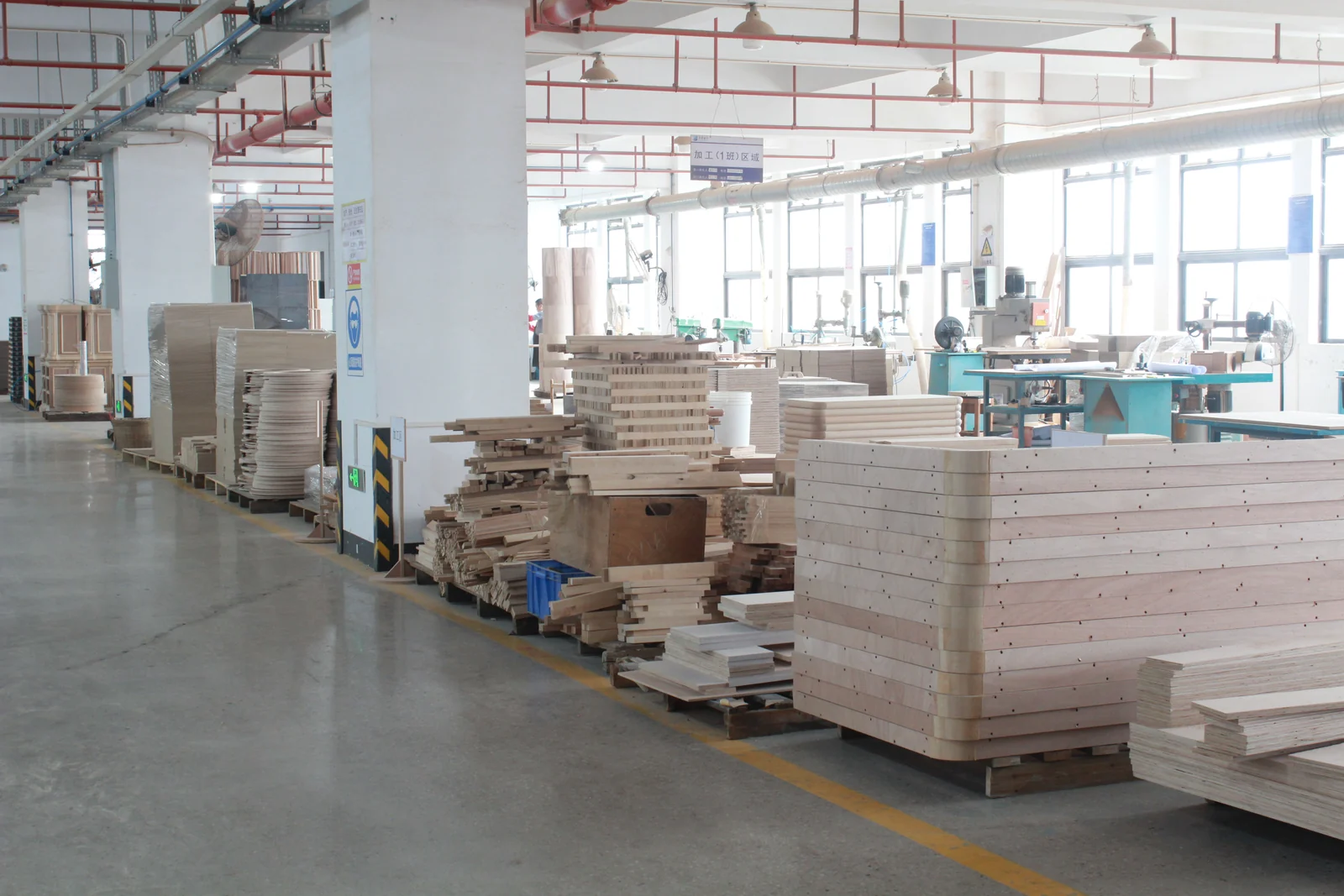
In Gainwell’s positioning, the point is not “manufacturing in China,” but engineering-led delivery—often summarized as “design in China, manufactured around the globe.”
On the Vietnam side, Gainwell describes a mature manufacturing base (e.g., a LEHOME facility with “600+” craftsmen and “50,000 m²”), plus planned capacity expansion (e.g., a QUY NHON site described with a larger total planned area).
Finally, the “integration” is operational: a centralized project management function coordinating China + Vietnam resources to maintain schedule predictability and finish consistency.
How The Dual-Base Workflow Works (Step-By-Step)
A dual-base strategy becomes valuable only when it is implemented as a repeatable workflow. A practical version looks like this:
- Design intake & scope alignment: brand standards, room types, prototypes, performance requirements.
- Engineering translation (China Brain): constructability review, value engineering options, and shop drawings for approval.
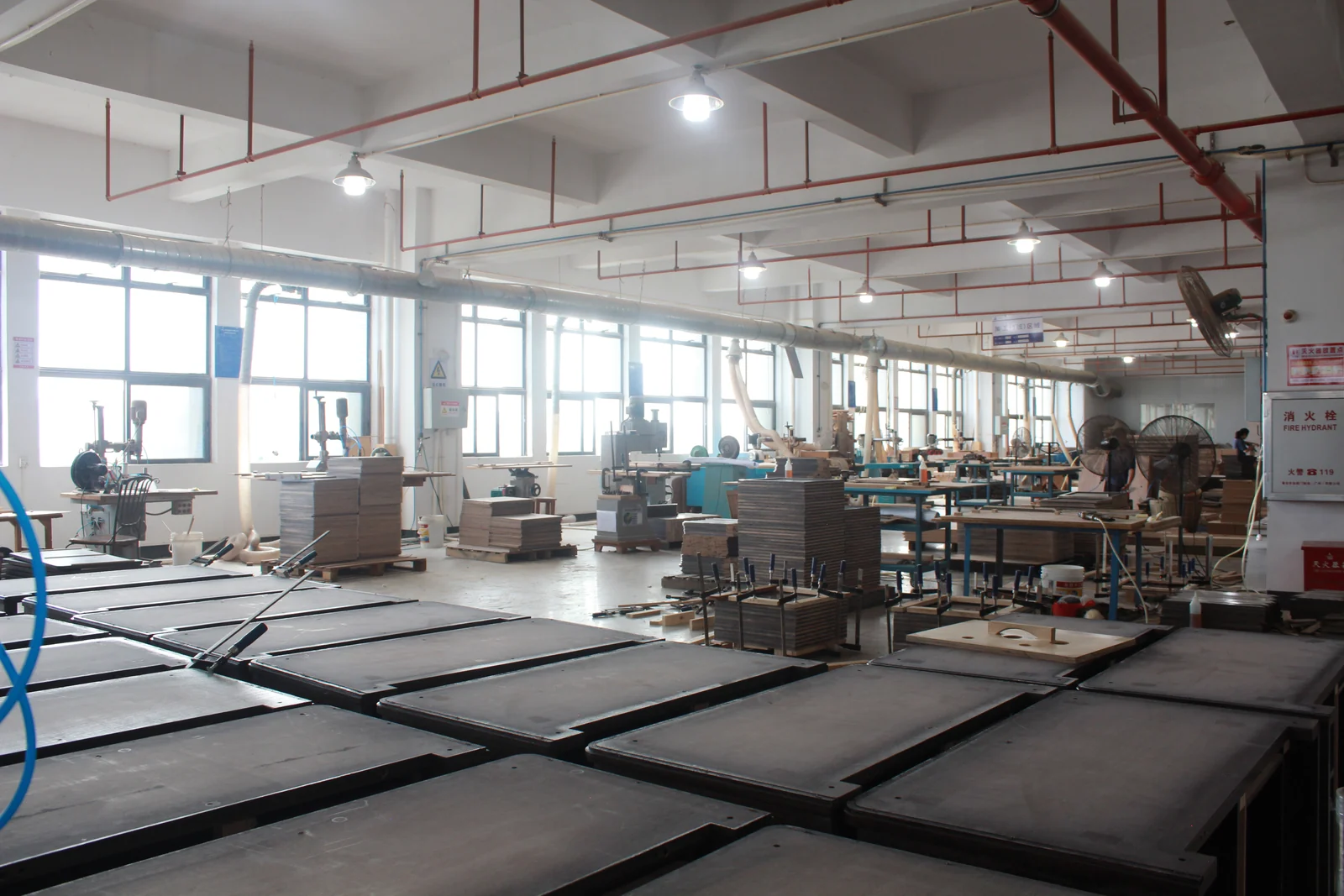
- Sampling & prototyping: finishes, hardware, joinery, upholstery specs validated before production ramps.
- Production planning (Vietnam Hands): line allocation, material planning, packaging engineering, and production sequencing.
- Unified QC & finish control: consistent inspection checkpoints, finish benchmarks, and batch control across product groups.
- Export & documentation: shipping coordination plus trade documentation aligned with destination requirements.
This structure does two things procurement teams care about: (a) it prevents engineering issues from landing late on the factory floor, and (b) it preserves repeatability and cost control in volume manufacturing.
Comparison: Four Common Sourcing Models
| Model | Strength | Typical Weak Spot (Luxury FF&E) | Best Use Case |
|---|---|---|---|
| Pure Vietnam factory | Competitive labor cost; export scale | Engineering depth varies; shop drawings can become bottleneck | Standardized casegoods/upholstery with light customization |
| Pure China manufacturer | Strong supply ecosystem; craft depth | Higher tariff exposure / single-country risk concentration | Projects where origin risk is not a constraint |
| Trading company / “middleman” | Convenience; aggregation | Blurry accountability; weak technical ownership | Commodity procurement |
| Dual-base (China Brain + Vietnam Hands) | Engineering-led customization + scalable Vietnam output | Requires real governance and unified standards | Luxury hotels with complex scope + cost discipline |

Cost And Trade: Turning Tariffs Into A Controllable Variable
The core benefit is not “always zero tariff.” The benefit is optionality: under one engineering standard, you can select the manufacturing/export path that best fits the destination, product category, and origin rules.
In markets shaped by free trade agreements, Vietnam origin can open reduced-tariff or zero-tariff windows when rules of origin and documentation are satisfied (examples cited include EVFTA and CPTPP-related reductions for many tariff lines).
For North America, the logic must be stated precisely: “shipping from Vietnam” is often discussed as a way to avoid additional duties tied to China-origin goods (e.g., Section 301 exposure)—but tariff treatment is still fundamentally origin- and compliance-driven, not simply the shipping port.
This is why dual-base is better framed as a risk architecture: it decomposes “country risk” into manageable modules—engineering, manufacturing, origin, export, and compliance—rather than betting the project on a single narrative.
The Real ROI: Total Cost Of Ownership (TCO), Not Unit Price
If you compare suppliers only by unit price, hotel FF&E projects often fall into a predictable trap: short-term savings that come back later as rework, replacement frequency, maintenance burden, delays, and guest-impacting quality issues. TCO frameworks exist precisely to capture the full lifecycle cost—not just the invoice price.
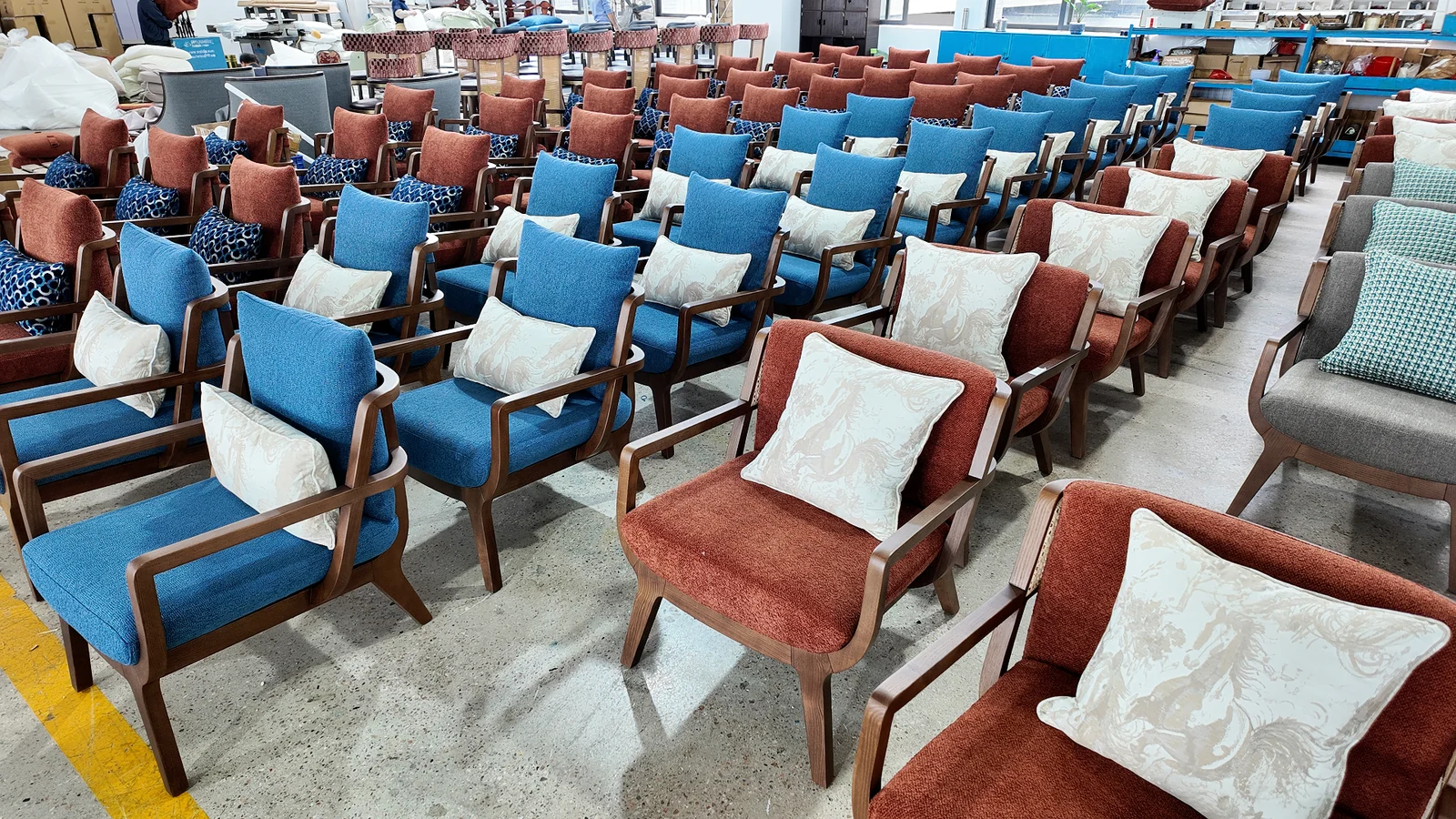
When applied to “China Brain + Vietnam Hands,” the value typically shows up in three hidden-cost reductions:
- fewer drawing-related delays and rework,
- fewer finish/consistency issues across batches and room types,
- more flexibility when policy or logistics conditions change.
Practical Checklist: What To Ask An “Asia Hotel Furniture Supplier”
If you’re comparing a China-Vietnam hotel furniture manufacturer (or any Asia-based hotel FF&E supplier), ask for concrete signals:
- Shop drawing capability: sample drawings, revision cycle metrics, and approval workflow ownership.
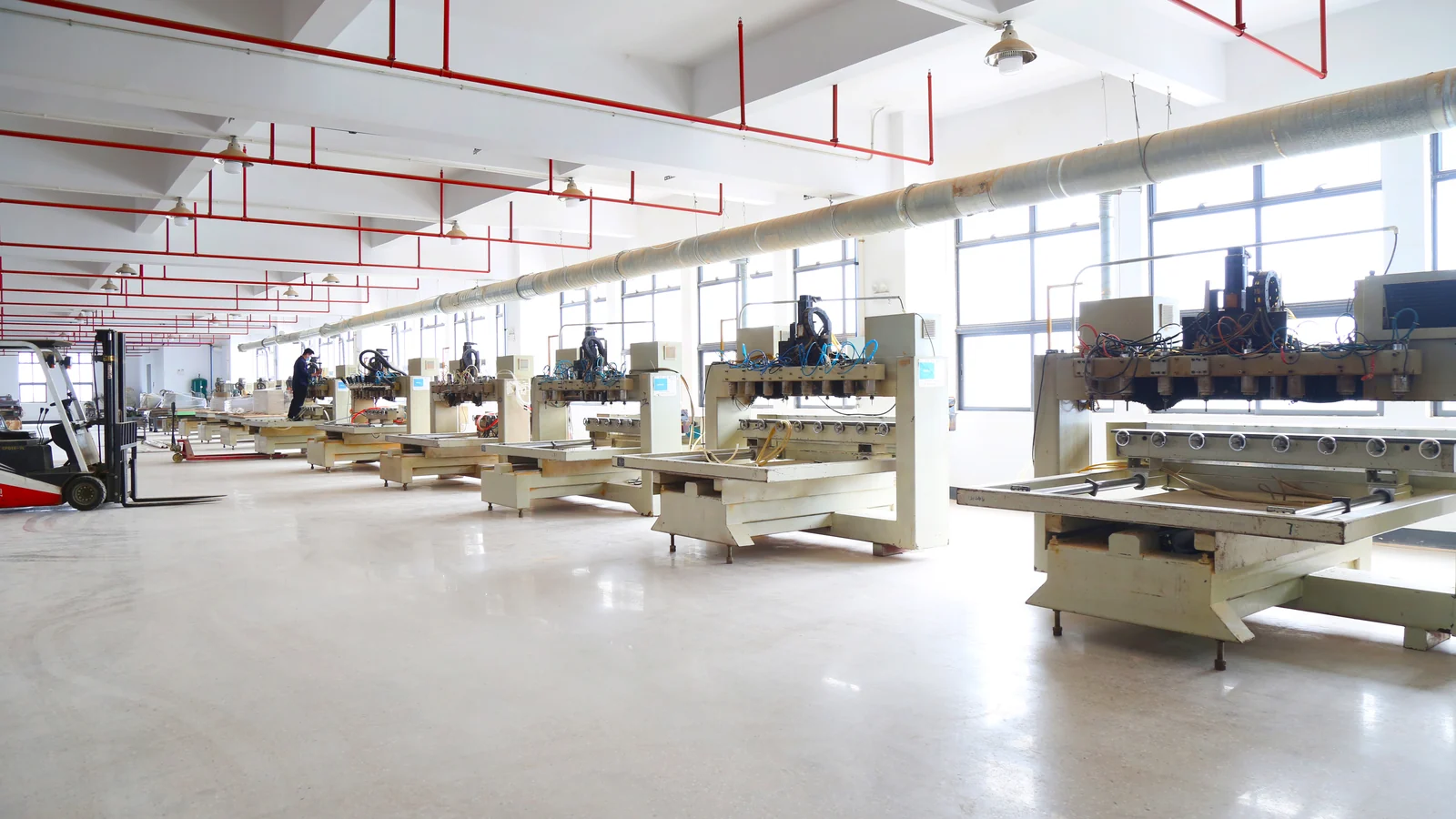
- Governance: who is the “central PM function” and how cross-border decisions are controlled.
- Unified standards: finish benchmarks, inspection checkpoints, and how consistency is maintained across sites.
- Origin and compliance clarity: how origin is determined, what documentation is provided, and what variables affect tariff outcomes.
- Capacity proof: facility scale, labor base, and expansion plans aligned to hotel project volume.
Conclusion
The future of luxury hotel FF&E procurement is not choosing between “high-skill China” and “cost-efficient Vietnam” as if they are mutually exclusive. A well-run dual-base strategy combines both—engineering and governance where complexity is solved, and scalable manufacturing where costs are controlled—under a unified system designed for predictability.
In a world where tariffs shift, compliance scrutiny increases, and design complexity keeps rising, “China Brain + Vietnam Hands” is less a slogan than a procurement architecture built for total cost, quality, and resilience.
Frequently Asked Questions
What is a dual-base hotel furniture manufacturing strategy?
A dual-base strategy assigns different project functions to two coordinated production bases. Engineering, shop drawings, prototypes and governance may remain with one team, while repeatable manufacturing and export are allocated to another facility. The model only works when both bases use the same approved drawings, finish references, inspection criteria and accountability structure.
Does production in Vietnam automatically make hotel furniture tariff-free?
No. Duty treatment depends on the product classification, origin rules, destination market, supporting documentation and the rules in effect when the goods enter. Procurement teams should have the importer or a qualified customs adviser confirm the position for the actual product before award and again before shipment.
Why can a single-country sourcing model create risk for a luxury hotel project?
A single-country model can concentrate engineering, capacity, origin and logistics exposure in one route. That does not make the route unsuitable, but it leaves fewer alternatives if policy, capacity or transport conditions change. A dual-base model adds optionality only when specifications, approvals and quality controls remain consistent across both locations.
What work belongs in the engineering base of a dual-base model?
The engineering base should translate design intent into buildable information: coordinated shop drawings, material and finish references, prototype decisions, approved deviations and release criteria. It should also maintain revision control so the manufacturing site works from the same approved information that the designer, buyer and project manager accepted.
How can finish consistency be controlled across China and Vietnam production?
Use one approved control sample, one finish specification and one inspection record across both facilities. Define who owns color and sheen approval, how batches are compared, which deviations require escalation and how rejected work is contained. Cross-border production should not create two independent finish standards.