
What is the best wood for hotel outdoor furniture? There is no universal species winner. The best project choice is the candidate that passes the same evidence gates for the exact component and zone: verified wood identity and wood portion; treatment state; wetting, drying and contact conditions; moisture movement and decay-resistance evidence; buildable joints and drainage; approved appearance and care; and a representative sample with batch controls. A familiar species name can be a useful starting claim, but it is not a complete furniture specification.
This changes the comparison from “teak versus acacia versus cedar” to “which documented wood system can complete this project’s task?” One project may select different answers for a sheltered dining chair, an exposed lounger rail and a tabletop. Another may route a difficult component to a non-wood material. “Best” is therefore a recorded fit between evidence, detail and operation—not a promise attached to a label.
Start with the component and exposure zone
Mark every proposed wood component on the furniture drawing: side rail, arm, leg, slat, frame, tabletop, edge, foot, insert or decorative element. Then describe its service position. Record direct and wind-driven rain, shade and drying opportunity, ground or planter proximity, pool or dining adjacency, cleaning contact, cover or storage practice, guest touch, abrasion, trapped-water points and access for inspection. Use project observations and agreed design conditions rather than a generic climate adjective.
A component-by-zone map prevents one proposal from borrowing evidence from another. A decay-resistance statement for heartwood does not automatically cover an unidentified sapwood proportion, a glued panel, a treated part, a finish, a joint or a mixed-material interface. Define those as separate claims before comparing candidates.
Build the material identity record
Require the supplier’s exact commercial name and, when the project needs species-level evidence, the botanical identification used in the supporting source. Record whether the component is solid wood, laminated or another engineered construction; whether the claim concerns heartwood, sapwood or an allowed mix; grade and visible-character limits; treatment or modification process; country or supply source when contractually relevant; moisture condition at the stated checkpoint; finish build-up; and the document or test tied to each statement.
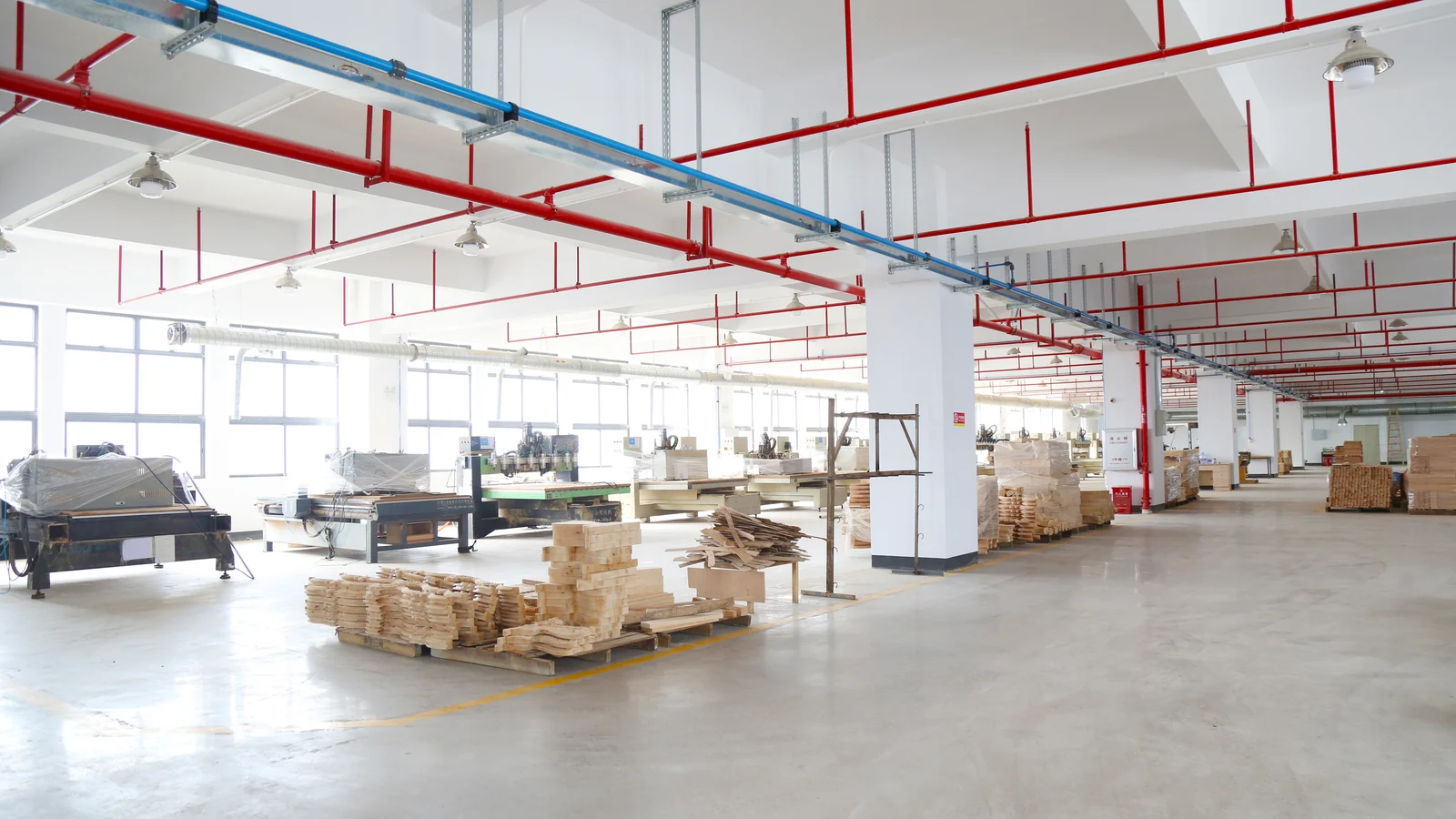
Do not identify wood from finished color, grain resemblance, a marketing photograph or a single trade name. Separate the proposed claim from the evidence state: verified, supplier-declared and pending verification, inferred and unacceptable, or not applicable. This lets procurement compare like with like without turning missing information into an assumed pass.
Read natural durability evidence at its actual scope
The USDA Forest Products Laboratory groups the average natural decay resistance of heartwood for many woods, but adds important limits: substantial variability occurs within most species; exposure conditions matter; some entries include more than one species; and precise ratings are not possible. The same chapter notes that sapwood is generally susceptible to decay. Those statements do not rank finished hotel furniture or predict its service life. They show why “species name only” and “wood color only” are incomplete selection records.
For every natural-durability claim, capture the material covered, wood portion, source method, rating language, exposure boundary and prohibited extrapolation. For a treated or modified candidate, identify the exact process and product evidence instead of borrowing a natural-heartwood rating. If a source concerns structural lumber, laboratory samples, ground contact or another use, preserve that context rather than presenting it as a furniture result.
Translate moisture behavior into buildable details
USDA’s Wood Handbook distinguishes free water from water bound in cell walls and documents that moisture and shrinkage behavior vary by species and direction. A hotel specification should not turn that into one universal gap or moisture number. Instead, ask the technical parties to use the candidate’s qualified data, component orientation, section, manufacturing condition and expected service change to define the required detail and acceptance checks.
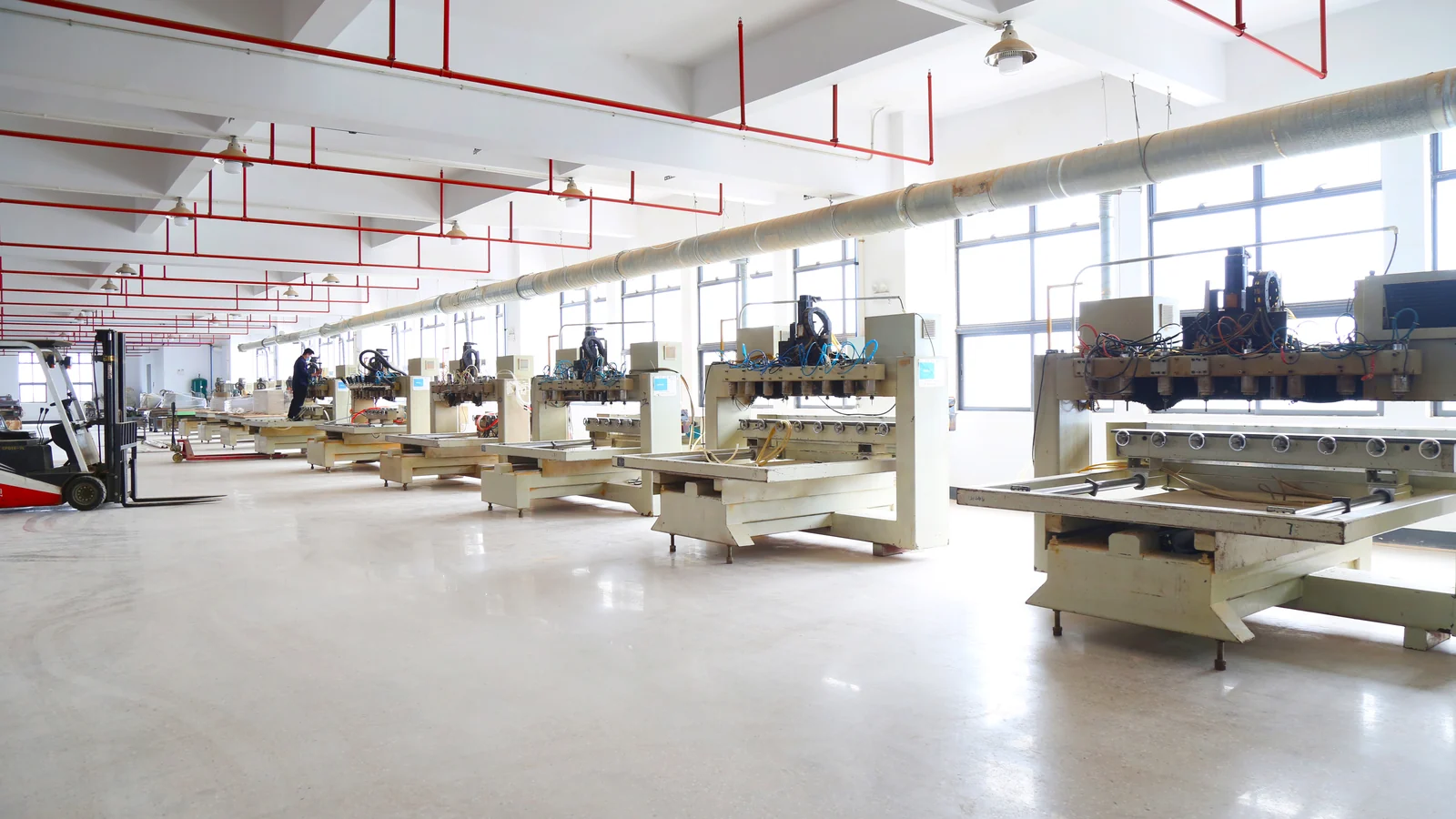
Review end-grain exposure, water-shedding geometry, joints, clearances, fastener interfaces, dissimilar materials, drainage, replaceable wear pieces and access for refinishing or repair. The selected wood must support the actual section and machining route without erasing the design intent. A property sheet that never reaches the shop drawing is not yet a buildable decision.
Compare evidence lanes, not a species league table
| Candidate lane | Minimum evidence to compare | Hold signal |
|---|---|---|
| Natural-durability claim | Exact identity, covered wood portion, rating source and exposure limitation | Species name or color without heartwood/sapwood and source scope |
| Treated or modified wood | Exact process, component coverage, post-machining instructions and applicable performance evidence | Generic “treated” label or evidence for a different process |
| Painted or coated wood system | Wood identity, preparation, full finish build-up, edge/joint coverage, sample and repair route | Finish name offered as a substitute for substrate evidence |
| Unverified trade-name proposal | Identity resolution and all missing passport fields | Ranking, price or visual sample used to bypass documentation |
Apply the same disqualifier test to every lane. Reject or hold a candidate when a material claim cannot be tied to the supplied component; when the detail creates unmanaged wetting, movement or repair access; or when the appearance and maintenance route is incompatible with hotel operations. A lower price does not resolve a missing identity, and a stronger natural-durability claim does not resolve an unbuildable joint.
Use the outdoor wood evidence passport
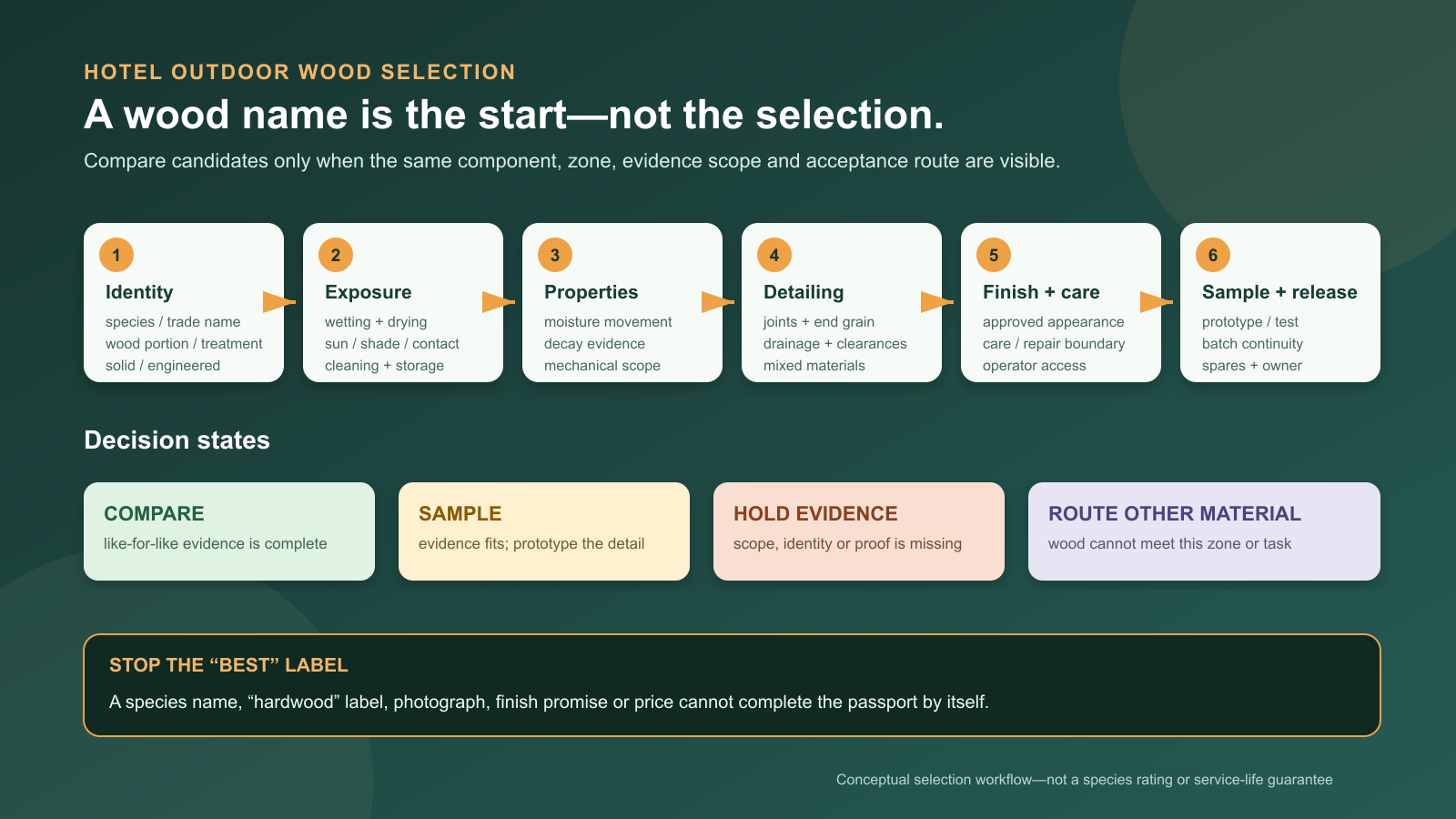
The passport keeps the comparison auditable. Complete identity, exposure, properties, detailing, finish and care, then sample and release. Only candidates with like-for-like evidence enter the comparison column. A promising but incomplete candidate goes to evidence hold; an evidence-complete candidate goes to a representative sample; a candidate that cannot meet the zone or operational task is routed to another material rather than described as a lesser wood.
The sample should reproduce the critical component section, joint, fastener, edge, finish and color—not only a flat timber swatch. Define what the team will observe or verify, who records the result, which limitations remain, and whether the decision releases one sample, one component family or a controlled production lot. Set the rejection route before sampling so a failed detail returns to redesign, another candidate or another material without quietly lowering the acceptance criteria.
Decide the appearance and maintenance route before release
The Wood Handbook treats wood properties, weathering, water control and finishes as connected subjects. For a hotel project, that means a finish cannot make every unknown wood suitable, while an unfinished appearance is not maintenance-free by default. Record the approved initial appearance, permitted natural change, cleaning method, inspection points, refinishing or repair owner, access window, reference sample and replacement strategy.
Keep finish selection proportional to its evidence. If a coating, oil or sealer is proposed, require the exact system, compatible substrate preparation, component coverage, sample, maintenance boundary and approval. Do not generalize a product instruction across different woods or promise a fixed interval without the item’s approved documentation and actual exposure record.
Release the furniture family and preserve continuity
After the representative sample passes, freeze the approved material identity, allowed wood portion, treatment, construction, critical dimensions, moisture checkpoint, joint details, finish reference, inspection criteria and exception route. Define how incoming lots, substitutions and repairs reconnect to that record. A new supplier, species, treatment, finish or component detail is a controlled change, not an automatic equivalent.
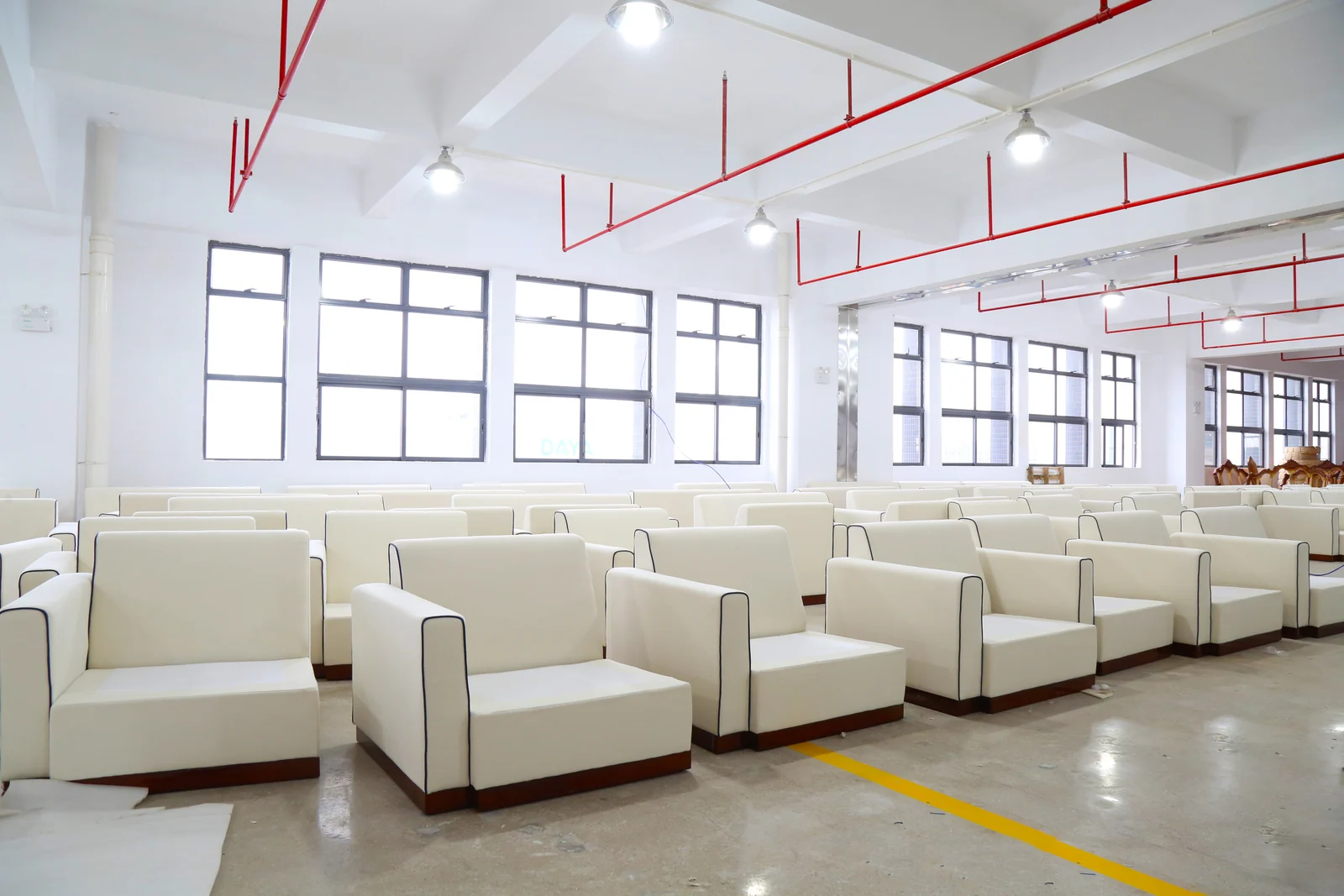
Include spare components or repair materials only when their identity, storage, finish and replacement procedure are defined. The goal is not to claim that every unit will age identically. It is to preserve the evidence needed to investigate change, make a comparable replacement and keep the accepted design legible across a furniture population.
Send a decision-ready outdoor wood brief
Package the component-zone map, candidate passports, source documents, disqualifiers, drawings, joint and drainage details, finish-care route, representative sample, acceptance evidence, lot controls, spares and decision owners. Use Gainwell’s live outdoor material comparison when wood still needs to be weighed against other material systems, and the Outdoor Material Guide to organize project questions.
Gainwell’s Capabilities page shows the path from technical development and samples into production control and inspection. Share the drawing set, exposure map, proposed evidence and approval plan through the Gainwell project contact for a project review. Final species, treatment, finish, test scope, maintenance and release decisions remain subject to the project’s qualified parties and approved documents.
Frequently Asked Questions
What is the best wood for hotel outdoor furniture?
The best candidate is the documented wood system that fits the exact component and exposure zone, provides scoped property evidence, supports the required detail and appearance, has a workable care and repair route, and passes the agreed representative sample. A different component may need a different wood or another material.
Is teak automatically the best wood for a hotel project?
No. A teak claim still needs identity, supplied wood portion, grade or treatment where relevant, exposure, component detail, finish-care route, sample and batch evidence. USDA’s heartwood groupings also caution that natural decay resistance varies within species and with service conditions; they do not guarantee a furniture result.
How should a hotel compare wood durability claims?
Put each claim in the same fields: exact material and wood portion, source and test method, exposure conditions, property measured, rating or result, limitations and component application. Keep decay resistance, moisture movement, mechanical performance, finish behavior and maintainability separate. Do not convert one property into a service-life promise.
Does a hardwood label make a wood suitable for outdoor furniture?
No. “Hardwood” is a broad botanical category, not a complete outdoor-performance specification. Confirm the species or qualified material identity, heartwood/sapwood or treatment state, relevant property evidence, moisture behavior, construction, exposure, finish and maintenance route.
Can a finish make any wood suitable for a hotel outdoor zone?
Do not assume so. Finish performance interacts with the wood, preparation, geometry, joints, water control, weathering and maintenance. Approve the exact substrate-and-finish system on a representative detail, preserve its limitations, and route the candidate elsewhere if the underlying component or zone remains unsuitable.
What evidence should a hotel request before approving an outdoor wood?
Request the material and wood-portion identity, treatment or modification, property sources at the applicable scope, moisture and dimensional inputs, component-zone map, drawings, joints and drainage, finish and care instructions, representative sample record, acceptance criteria, production-lot controls, substitution rule, spares and named decision owners.