
Hotel Furniture Procurement: From Scope Freeze to Shipment Release
Hotel furniture procurement is the work of converting hotel demand into furniture packages that can be priced on the same basis, proven through a controlled prototype, repeated in production and handed over for shipment without losing the approved design. The critical object is not the purchase order. It is the package definition behind the order.
Three proposals can show similar totals while pricing different realities: one may assume every guestroom is identical, another may exclude finish development, and a third may price public-area items without resolved site interfaces. Comparing the totals first hides those differences.
This guide is for an owner-side procurement lead preparing custom guestroom and public-area furniture. Operating models, appointment boundaries and the wider commercial process across furniture, fixtures and equipment belong to the broader FF&E procurement task. Here, the narrower task is to make the hotel furniture package quotable, prototypeable and repeatable.
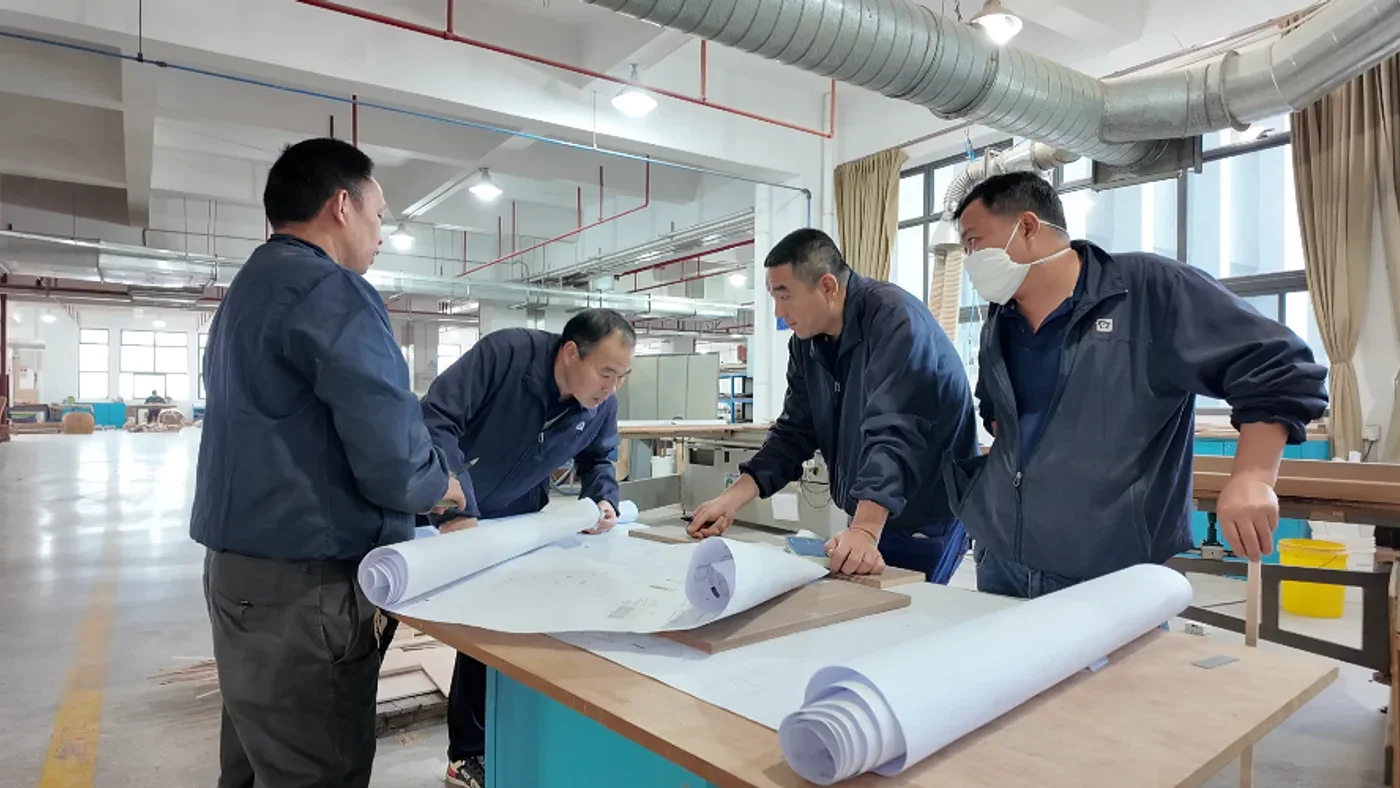
Split hotel furniture into three demand paths before creating bid packages
A hotel does not create furniture demand in one uniform way. Separate three paths before deciding which supplier or commercial package should carry them.
| Furniture path | Demand unit | Main uncertainty | Useful release unit |
|---|---|---|---|
| Repeated guestrooms and suites | Room family multiplied by units per room | Variants, handed units, approved room counts and whether one prototype represents every configuration | Room-family item batch tied to one revision and approval basis |
| Public-area loose furniture | Named area, use setting and item mix | Late design development, many finishes, low quantities and coordination between unlike pieces | Item or coordinated area group, released only when its own decisions are closed |
| Fixed furniture and millwork | Exact location and construction interface | Field dimensions, wall build-up, services, adjacent finishes, access and installer responsibility | Location or zone after interface evidence is accepted |
The three paths may sit under one commercial contract, but they should not inherit one release rule. Repetition makes guestrooms sensitive to small uncontrolled variants. Public areas are sensitive to mixed design decisions. Fixed furniture is sensitive to site truth.
Gainwell’s current hospitality furniture product overview groups loose, upholstered and fixed furniture with architectural millwork. Use that range only as a category reference: the live procurement package still needs to state exactly what is included.
Build demand from room families and named areas, not from a flat shopping list
Begin with a room-family map. A family is a set of rooms that uses the same controlled furniture configuration for procurement purposes. It is not automatically the same as a marketing room name, an architectural room tag or a rate category.
For each family, record the approved room count, its furniture variant, units required per room and the document that proves the configuration. Then calculate base item demand across families:
Base item demand = the sum of (approved room-family count × units of that item per room).
Add owner-approved spares or replacement stock as separate quantities. Do not bury them inside the room multiplier, because the operator, procurement team and manufacturer need to distinguish installed demand from retained stock.
Consider an illustrative 180-key hotel with 90 standard kings, 60 double queens, 10 accessible kings and 20 suites. If the controlled package assigns one lounge chair to each standard king, one to each accessible king, two to each suite and none to the double-queen family, base demand is 140 chairs—not 180. The example does not set a project standard; it shows why a room count alone is not a furniture quantity.
Public areas need a different map. Use an exact zone and setting—such as lobby conversation group L-03—then list its coordinated pieces. Fixed furniture needs the exact location plus the interface information that will permit release. This prevents a manually entered grand total from concealing where demand came from.
Give every furniture package a scope-maturity state
“Designed” and “approved” are too broad to manage a custom package. Use four maturity states so quotations and releases do not outrun the available evidence.
- Visual intent: the team can see the form, proportion and design direction, but dimensions, construction, materials or interfaces still require development.
- Quote-ready: the package can be priced against a named revision, quantity basis and visible assumptions. Alternatives and exclusions can be identified.
- Prototype-ready: the characteristics to be tested or reviewed are stated; input materials, dimensions, interfaces and decision authority are sufficient to build a meaningful sample.
- Repeat-production-ready: approved prototype deltas, current drawings, material and finish controls, required evidence, quantities and production checks form one controlled basis.
A quote-ready package may still be unsuitable for production. That is not a failure if the remaining assumptions are named and priced transparently. The failure occurs when a quote is treated as proof that the underlying furniture is fully resolved.
Choose a package architecture that matches repetition and interfaces
Do not default to either one supplier for everything or one supplier per item. Choose the split by asking where coordination value is created and where a boundary can be controlled.
| Architecture | May fit when | Watch for |
|---|---|---|
| Integrated furniture package | Guestroom, public-area and fixed pieces share a finish language, technical-development route or coordinated release need | A broad award can hide category-specific capability, site interfaces or late public-area decisions |
| Guestroom package plus public-area package | Guestrooms offer substantial repetition while public areas remain bespoke and develop on a different clock | Shared finishes, upholstery or decorative metal references need one owner across both packages |
| Split by manufacturing discipline | Casegoods, upholstery, metalwork or millwork require clearly different evidence and the owner can manage interfaces | More contracts create more finish matching, coordination, packaging and responsibility boundaries |
| Location-based fixed-furniture package | Field dimensions, wall conditions and site sequence dominate the work | Do not disconnect the fixed work from loose pieces that must align visually or physically |
A defensible split has a named reason, a clean quantity boundary, controlled shared references and an owner for every cross-package interface. If the owner-side team cannot maintain those boundaries, additional packages may create administration without creating control.
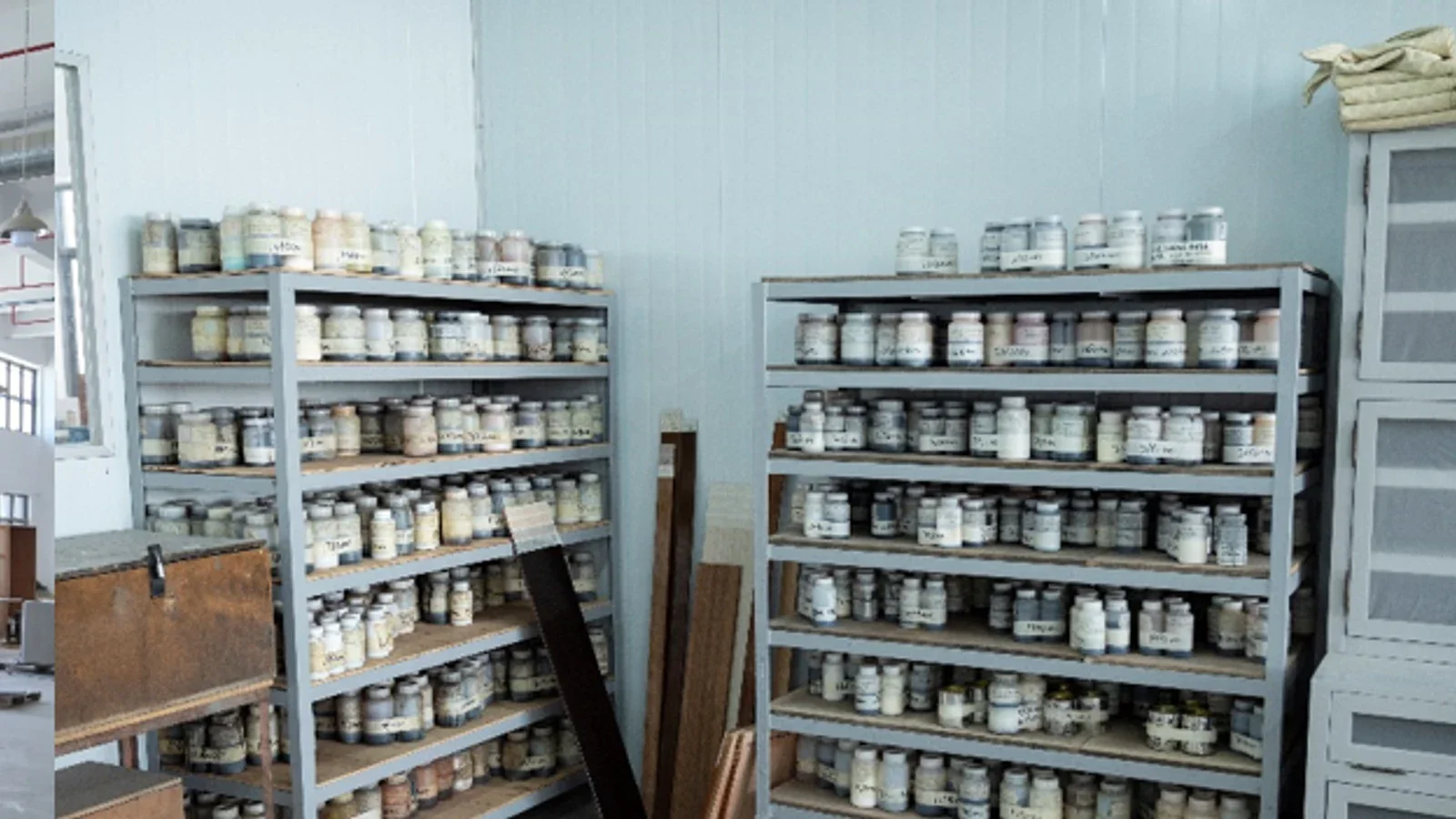
Make the quote basis visible before comparing prices
Give each bidder a package-basis card. It should state the room families or areas included, item codes, quantities, current references, material and finish basis, prototype work, required project evidence, packaging basis, destination input, exclusions and open decisions. Ask the bidder to respond against that card rather than substitute a differently structured summary.
Keep five price-bearing units separate where they exist:
- the individual furniture item and its variant;
- the repeated room-family package;
- the coordinated public-area group;
- the fixed-furniture location or zone;
- the approval, development, packaging or project-support work that is not contained in a unit price.
When a proposal changes the basis—by simplifying a detail, substituting a material, excluding a prototype, changing the quantity break or moving a responsibility—preserve the submitted offer and add a comparison adjustment or unresolved exception. Do not silently rewrite the proposal into apparent compliance.
Turn the prototype into a repeatability record
A prototype is not a miniature contract, and “approved” is not a complete instruction. Before review, list the characteristics the prototype is meant to resolve: overall dimensions and proportion, visible construction, comfort where relevant, finish color and sheen, pattern or grain direction, upholstery execution, hardware action, adjacent-item alignment, maintainability inputs supplied by the project, and interfaces visible at the sample stage.
After review, create a prototype variance register:
| Record | Question it must answer |
|---|---|
| Reviewed characteristic | What exactly did the reviewers see, touch, measure or operate? |
| Decision and limitation | What was accepted, rejected or held—and what was outside this review? |
| Required delta | What must change in the drawing, material, finish, hardware, quantity or price basis? |
| Controlled reference | Which updated document or physical control sample carries the decision forward? |
| Production check | Which observable characteristic will show that repeated units follow the approved basis? |
Record project-specific tolerances, tests and acceptance authority in the applicable controlled documents. Do not infer them from a photograph or a broad product category. Gainwell’s current manufacturing capability workflow describes technical development, prototypes, manufacturing, quality control and delivery support; a live proposal must confirm the exact deliverables and responsibilities.
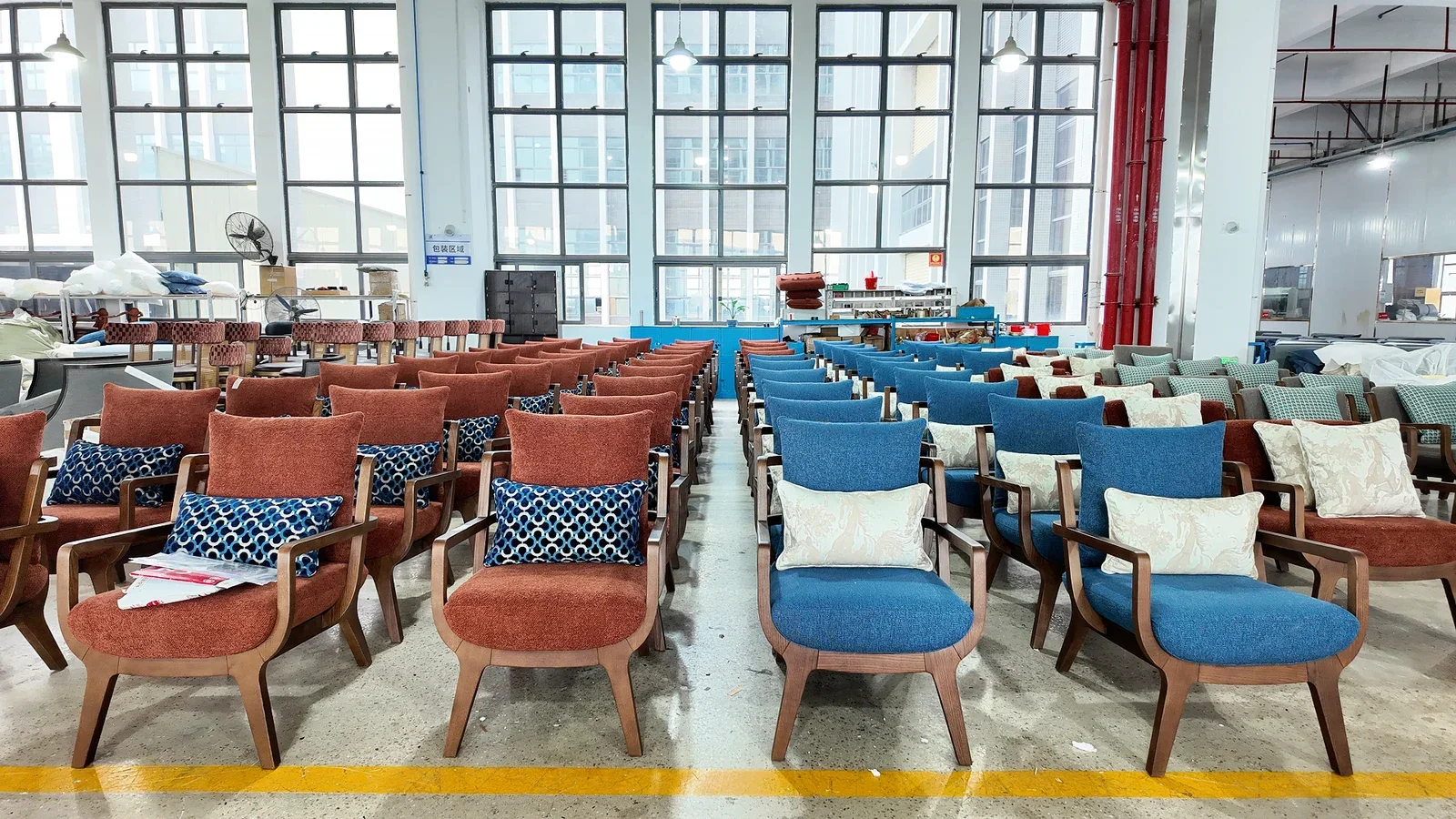
Run six award-readiness tests before accepting the recommendation
A proposal may be commercially attractive while the package remains unsafe to award without conditions. Test the recommendation against six questions:
- Demand: Can every priced quantity be traced to a room family, named area, fixed location, approved spare or explicitly identified allowance?
- Basis: Did the finalists price the same controlled requirement, with alternatives and exclusions visible?
- Proof route: Are the necessary drawings, finish samples, prototypes, tests and approval authorities defined for this package?
- Repeatability: Does the plan explain how approved characteristics will transfer from one sample to repeated production?
- Interfaces: Are site dimensions, services, adjacent work, nominated inputs and cross-package finish ownership assigned?
- Programme handoff: Are decision dates, production-release inputs, packaging needs and destination phases expressed as project dependencies rather than unsupported guarantees?
An exception does not automatically prevent award. It needs an owner, a due decision, a consequence and a rule for whether work may proceed. Transfer every surviving qualification into the purchase order or contract basis. A recommendation spreadsheet cannot control production after award if its exceptions disappear from the obligation.
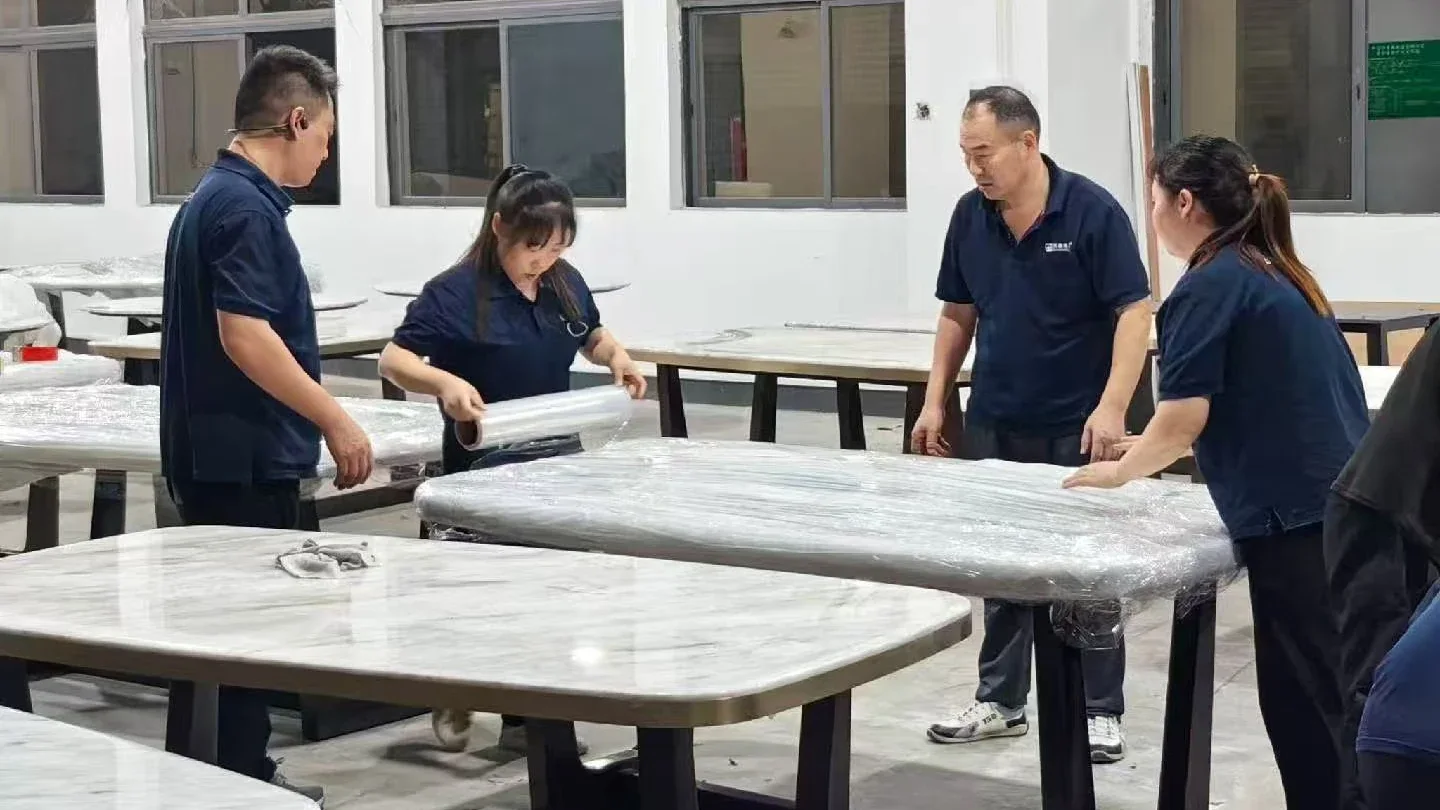
Use three release lanes after award
After award, the procurement team should not push every item through one approval queue.
| Release lane | Release only when | Hold when |
|---|---|---|
| Repeated guestrooms | The room-family configuration, controlled revision, quantity and prototype deltas apply to the named batch | A variant has been assumed to match another room family or a late change has not reached the production basis |
| Public-area loose furniture | Each item or coordinated group has its own resolved design, finish, quantity and cross-item reference | One visually important piece is being released merely because an unrelated area is ready |
| Fixed furniture and millwork | Required field dimensions and construction interfaces are evidenced for the named location or zone | The drawing still depends on an unverified wall, floor, service, access or adjacent-trade condition |
This separation lets a stable guestroom batch proceed while a public-area detail or one site-dependent fixed location remains held. It also makes the cost and programme consequence of a late decision visible at the correct scope.
Define shipment release as a procurement handover, not a freight instruction
The furniture procurement team’s work reaches a useful boundary when the correct completed batch can be identified against the approved and ordered basis. Shipment coordination then needs a clean handover rather than another interpretation exercise.
Prepare a shipment-readiness dossier for each release batch:
- package, room-family, area or location identity;
- ordered and completed quantities by item and variant;
- current drawing, finish, material and prototype references;
- authorized changes incorporated into the batch;
- defined inspection or review status and open exceptions;
- packaging and identification requirements for the agreed destination phase;
- required packing records and project documents;
- release authority and the next custody owner.
This dossier does not book transport, clear customs or accept installed work. It proves which furniture basis procurement is handing to the logistics process. If quantity, identity, exception status or destination phase cannot be reconciled, shipment release should remain a visible decision rather than an assumed calendar event.
Measure controlled readiness, not only committed spend
Purchase-order value answers a financial question; it does not show whether furniture can be repeated and released. Add a small readiness board with counts that can be traced:
- room families with reconciled furniture demand versus total room families;
- public-area groups with quote-ready scope versus groups still at visual intent;
- fixed locations with accepted interface evidence versus locations still held;
- prototypes whose decisions have reached current drawings and control references;
- award exceptions open, overdue and blocking production;
- completed batches with a reconciled shipment-readiness dossier.
Do not combine the measures into a decorative percentage unless the denominator and blocking logic are clear. A small unresolved room-family variant may affect many repeated units, while a high-value public-area piece may affect only one location.
What should the owner send for a furniture procurement review?
Prepare the room-family and public-area map, current item schedule, available drawings and specifications, finish and material references, prototype decisions, fixed-interface status, quantity basis, requested package split, commercial response format and target destination phases. Mark what is controlled, assumed and still awaiting an owner, designer, operator or site decision.
Gainwell can review whether the defined loose, upholstered or fixed furniture and millwork package aligns with its published development and manufacturing workflow. Exact products, services, evidence, responsibilities, production location, programme and commercial terms must be confirmed for the live project. Share the controlled hotel furniture brief with Gainwell.