Custom hospitality furniture since 1995 · China & Vietnam manufacturing

Where Do Hotels Buy Furniture? A Supplier Sourcing Guide

Hotels buy furniture through layered sourcing routes, not one universal store. A route may combine a brand or owner approval lane, a procurement firm or other market-access channel, a contracting seller, a physical manufacturer and local receiving or installation parties. Sometimes one organization holds several layers; sometimes each layer belongs to a different company.

To understand how to buy hotel furniture for a live project, start with the furniture package and decide who should control each layer. A custom guestroom package, standard replacement chair and site-measured reception counter can require different routes even within the same hotel. Supplier discovery comes later. A name found online, at a trade show or on an approved list is not yet a complete purchasing route.
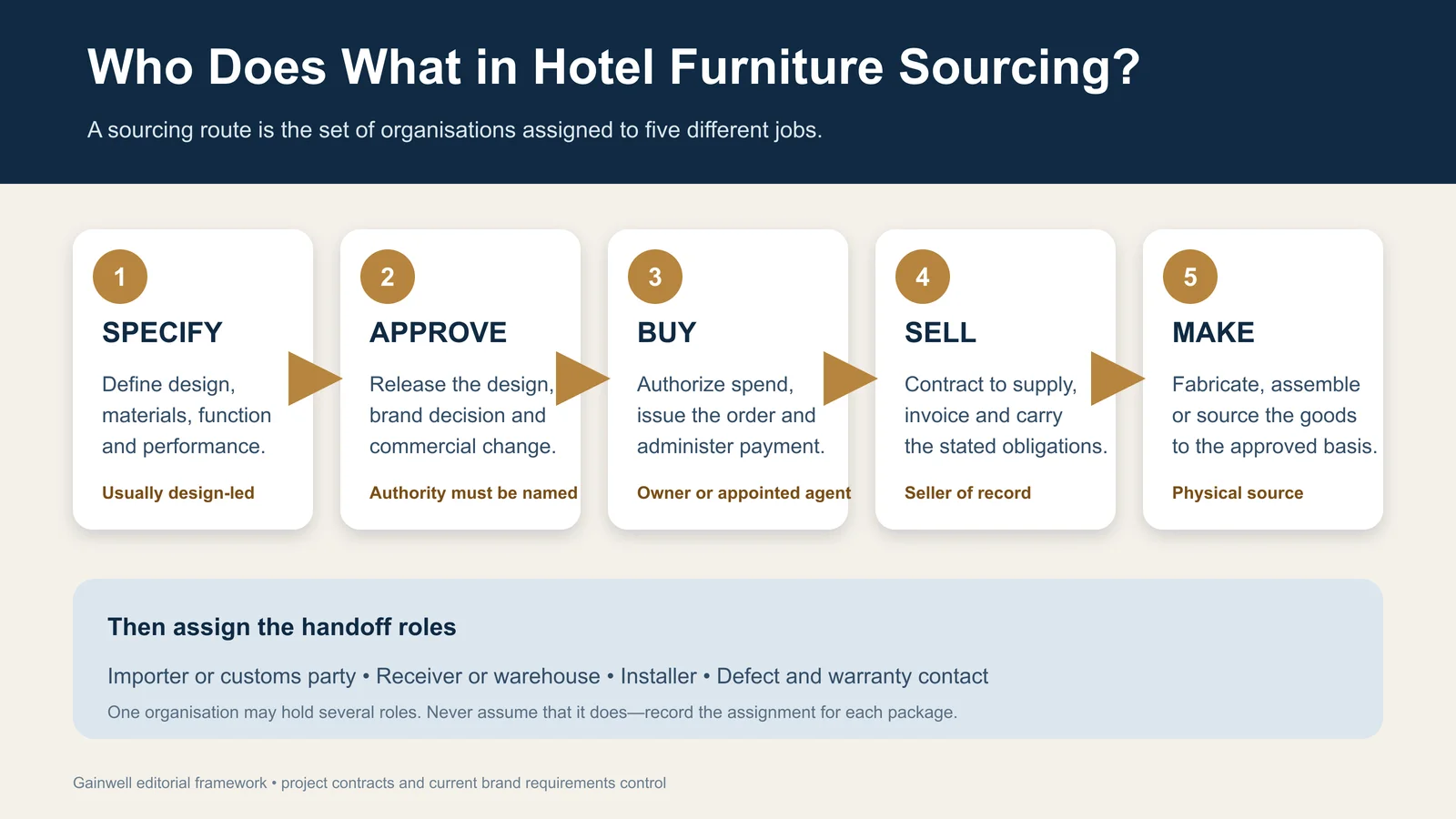
Hotel furniture sourcing roles from specification to manufacturing
A sourcing route is complete only when the project names who specifies, approves, buys, sells and makes each package, then assigns the delivery handoffs.

Start with four source layers, not a supplier list

The word supplier can refer to a procurement company, dealer, seller, manufacturer or even a discovery platform. Separate four layers before collecting names.

Source layerDecision it answersTypical organizationsEvidence to retain
Governance and approvalWho sets the permitted design, brand, product and exception path?Owner, operator, brand or appointed designerCurrent requirements, approval authority and exception route
Market access and coordinationWho takes the package to possible sources and coordinates the commercial response?Owner team, procurement firm, GPO, dealer, design professional or direct manufacturerAppointment, category scope, fees or commercial model, and named deliverables
Seller of recordWhich entity offers and contracts to supply the furniture?Manufacturer, dealer, distributor, reseller or another contracted sellerLegal entity, proposal, included services, exclusions and terms
Physical sourceWho makes, assembles or supplies the actual item?Factory, specialist workshop, brand-authorized maker or product manufacturerDeclared source, product identity and project-relevant production evidence

Add the handoff parties after these layers: importer or customs party where applicable, freight coordinator, receiver, warehouse, installer and defect contact. The same organization may hold several roles, but do not infer that from a logo, website or channel label.

Choose how much coordination the owner will retain

The route should match the owner’s capacity to make decisions and manage interfaces. Use three control modes as a starting point.

Control modeOwner retainsRoute holder coordinatesMain test
Owner-managedPackage strategy, market contact, contracts and cross-source coordinationA defined product, manufacture or supply scopeCan the owner team maintain common information, approvals and handoffs across several sellers?
Coordinator-managedApproval, budget authority and key exceptionsMarket enquiry, purchasing administration, reporting or multi-source consolidation under an appointmentAre authority, fees, seller identity, substitutions and excluded services transparent?
Governed networkProject-specific decisions allowed within the governing routeAccess to a brand, owner or program network and its current processWhich requirements are mandatory, which sources are permitted and who approves an alternative?

This is a control choice, not a quality ranking. More owner control creates more interfaces to manage. More coordination by one route holder can simplify communication but may reduce visibility if the seller, maker, fees or substitutions remain unclear.

Route each package using five decision signals

Do not choose one route for the entire hotel by habit. Score the package qualitatively against five signals:

  1. Customization: Does the package require drawing development, samples, mixed materials or a room prototype?
  2. Aggregation: Does the owner need one coordinator across many categories, sellers, payments or destination phases?
  3. Governance: Is there a current brand, owner or operator approval path that controls products or sources?
  4. Local service: Does the package depend on local stock, field measurement, repair, replacement or installation support?
  5. Continuity: Will operations need a documented path to reorder the same item, finish or controlled alternative?

A drawing-led guestroom casegoods package may point toward direct manufacturer engagement or a technically capable seller with a declared maker. Standard office furniture may point toward a contract dealer. A mixed public-area package may justify a procurement coordinator. A branded package may first need its current governed route confirmed. These are investigation priorities, not automatic awards.

Complete a package-route card before approaching names

The package-route card is the minimum record connecting project demand to a market structure. Use one card per coherent furniture package.

Card fieldWhat to record
Package identityRoom families, named areas or fixed locations included
Furniture characterCustom, standard, proprietary, replacement, loose, upholstered or fixed
Control modeOwner-managed, coordinator-managed or governed network
Market-access holderOrganization appointed to contact or organize possible sources
Expected seller modelDirect manufacturer, dealer, distributor, reseller or another stated model
Maker visibilityWhether the physical source must be declared and at what stage
Approval boundaryWho accepts design, source, sample, substitution and commercial exceptions
Handoff boundaryExpected freight, receiving, storage, installation and closeout split
Continuity needReplacement horizon, record required and acceptable alternative path
Open route decisionsMissing appointment, authorization, source evidence or local responsibility

Do not copy a company name into every field. If one entity is expected to coordinate, sell and manufacture, state each role explicitly and ask it to confirm the boundaries in its proposal.
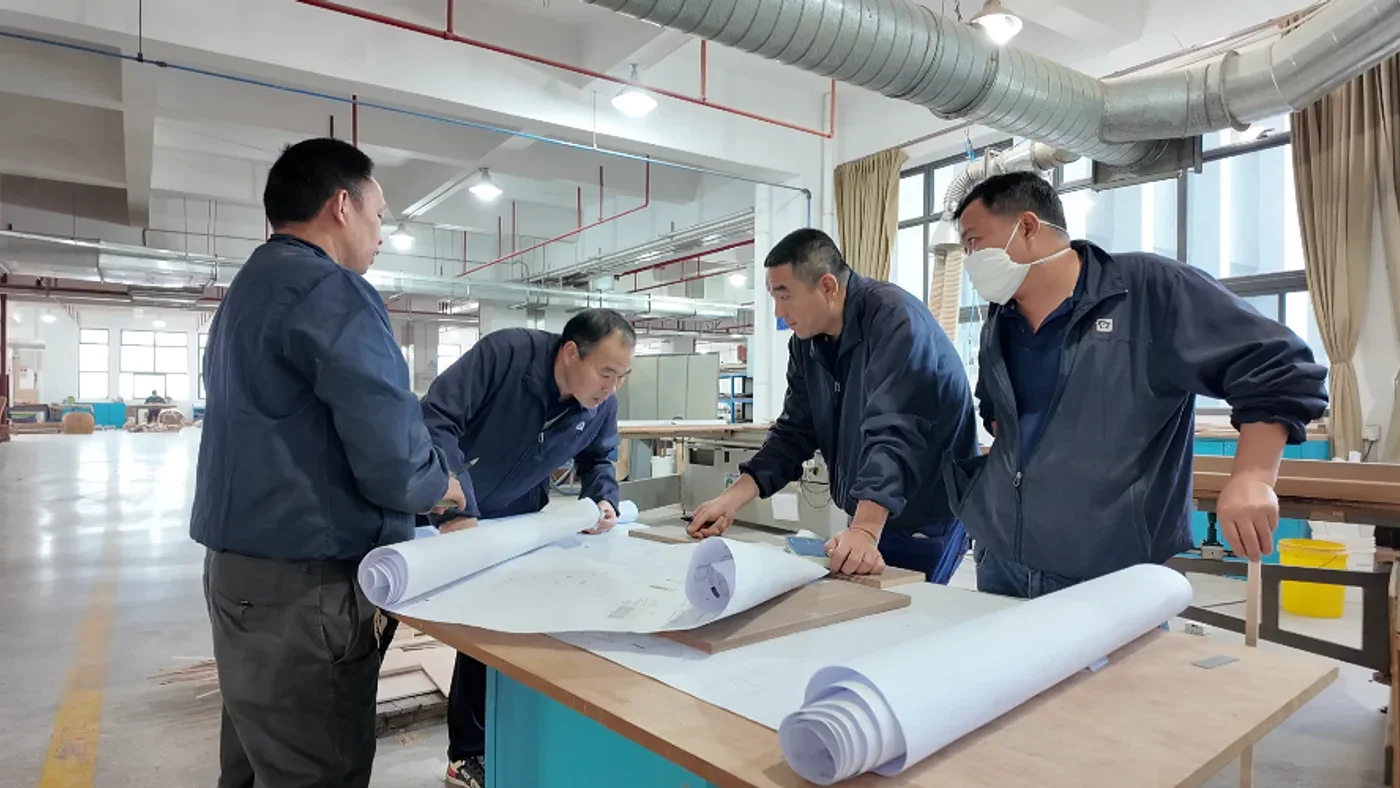
Gainwell team reviewing hotel furniture drawings in the factory
A furniture package should connect its room or area demand to the current drawing, finish, interface and decision record.

Match route examples to package conditions, not hotel prestige

Hotel class does not determine a single buying channel. The same luxury property may buy repeated custom casegoods directly, obtain standard task seating from an authorized dealer and route replacement items through a local commercial source.

Current search results often imply that direct buying is automatically less expensive or more controllable. The route name cannot prove that. Compare like-for-like scope, coordination effort, evidence, handoffs and current commercial terms after the route is defined.

Treat brand programs and GPOs as governed market access

A brand-linked network may combine design resources, sourcing support and supplier access. Hilton’s current Suppliers’ Connection is one public, brand-specific example. It does not establish a universal rule for other brands—or confirm that every package on a particular Hilton project follows the same route. Ask what is current for the property, region and package.

A group procurement organization is another market-access model. Avendra International, for example, describes itself as a GPO serving hospitality and other sectors. That establishes the type of organization, not whether a particular furniture package, seller, fee structure or project is covered.

For either route, record who grants access, who issues the order, who invoices, whether the physical source is visible, which alternatives are permitted and where project-specific approvals still sit.

Separate discovery evidence from permission to quote

Trade shows, directories, online search, social platforms, referrals and project photographs help discover names. Put every candidate on a five-state evidence ladder:

  1. Discovered: a name or product was found; identity and relevance are not yet confirmed.
  2. Route identified: the candidate’s likely role—market-access holder, seller, maker or more than one—is stated.
  3. Relationship evidenced: claimed authorization, representation or manufacturing relationship is supported where relevant.
  4. Package-relevant: the candidate can receive the actual furniture character, quantity, destination and evidence request.
  5. Enquiry-ready: the project knows which entity will respond, on what scope, through which commercial route and with which declared physical sources.

A catalogue screenshot remains discovery evidence. A brand-list entry may establish a governed relationship but not live capacity or package fit. A factory photograph may show a facility but not the seller or contract scope. Preserve the source of each claim and stop the candidate from advancing when the next state lacks evidence.
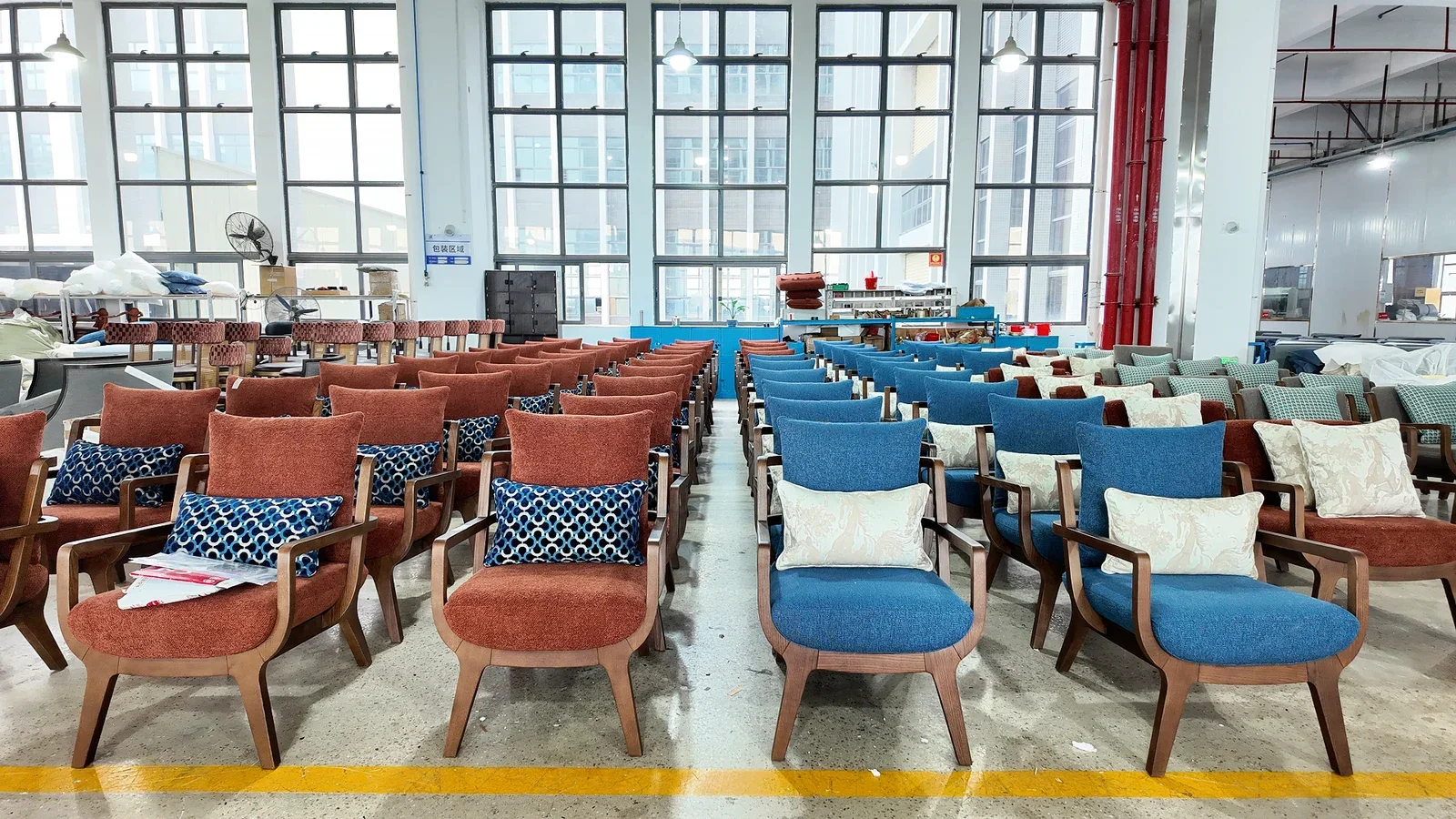
Rows of upholstered lounge chairs in a Gainwell production area
Repeatability is controlled by the current drawing, approved material and finish references, recorded prototype deltas and defined production checks—not by visual memory alone.

Run a representative sourceability probe

Before sending a broad request across the entire hotel, select one representative package and ask each proposed route to explain how it would handle it. A useful probe contains a controlled item or room set, indicative quantity, current drawing maturity, material direction, destination, sample need, approval authority and expected handoff point.

The response should identify:

This probe does not approve a supplier or establish price, quality or programme. It tests whether the route can convert a real package into accountable questions without hiding interfaces.

Map the seams when one hotel uses several routes

A mixed route is normal; unmanaged seams are the risk. Connect packages that share a finish, dimension, site interface, installation sequence or replacement requirement. Then name one owner for each seam.

For example, a direct manufacturer may develop guestroom casegoods while an authorized dealer supplies a desk chair. If the chair must fit under the custom desk, somebody must control the dimensional interface. A procurement coordinator may buy lobby seating from several sellers, but the designer still needs one approval basis for related fabrics and finishes. A fixed reception counter may use a local measurement and installation route while sharing decorative metal or stone references with loose furniture.

Use a seam record with the two connected packages, shared requirement, controlling document or sample, decision owner, handoff date and consequence of late closure. Do not ask one route holder to resolve an interface that its appointment and information do not cover.

Make the seller-to-maker relationship visible

Knowing a factory address is not the same as knowing where the hotel buys. Conversely, contracting with a dealer or procurement firm does not make the physical source irrelevant. Decide what visibility the package needs.
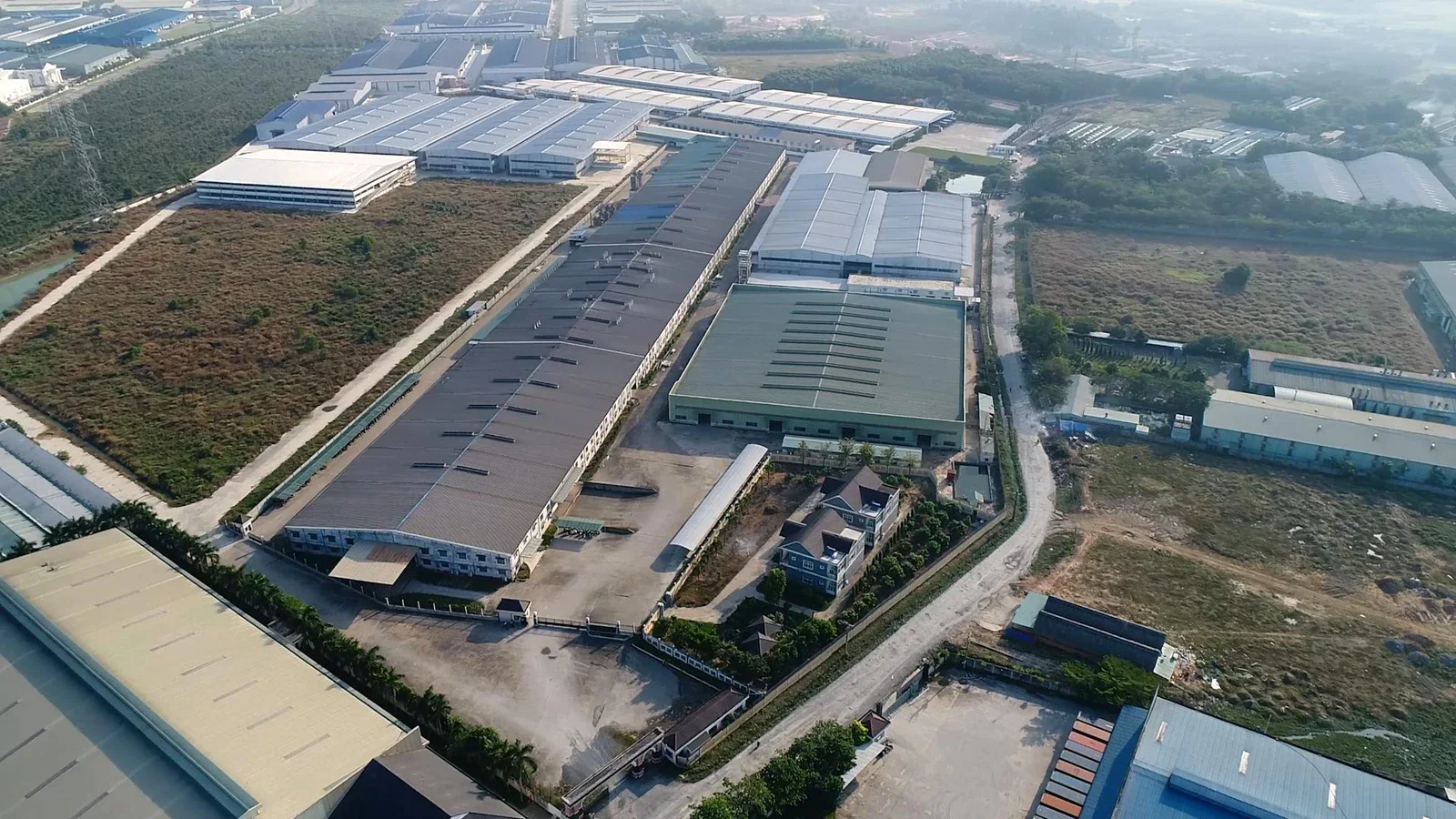
Aerial view of a hospitality furniture manufacturing campus
Knowing the physical source does not answer every buying question: the project must still identify the seller, development scope, approvals and delivery boundary.

For custom or source-sensitive packages, ask the proposed seller to declare who develops the drawings, who makes each major component or assembled item, which activities are subcontracted, who controls revisions and samples, and who remains responsible under the proposal. For standard products, confirm the exact product identity and any authorization needed for the route.

Gainwell’s current capabilities page describes technical development, prototypes, manufacturing, quality control, packaging and delivery support. That is first-party discovery evidence. A live proposal must still confirm the applicable products, services, production location, records, timing and responsibilities.

Large furniture manufacturing campus with connected buildings
A project-control system must keep one authorized decision aligned across every team and record that uses it.

Test replacement access before the first order

A route that can deliver the opening package may be weak for a single replacement later. Run a replacement-access test while records are current:

Do not promise future availability. The purpose is to preserve identities, decision authority and a fallback path. A replacement record without the seller-maker relationship may send operations back to a logo that no longer represents the same product source.

Worked example: route a mixed 120-key hotel

Consider an illustrative 120-key independent hotel. The example selects investigation routes only; it does not recommend an organization or determine an award.

Furniture packageDominant conditionRoute to investigate firstControl retainedOpen proof
Repeated guestroom casegoods and headboardsCustom drawings, room repetition and coordinated finishesDirect hospitality manufacturer or technical seller with declared makerOwner approves design, sample and seller; designer controls intentDevelopment scope, physical source, prototype route and delivery boundary
Standard guestroom task chairProprietary product and future replacement needAuthorized contract dealer or distributorOwner controls exact model and acceptable alternativeAuthorization, current product identity and replacement route
Lobby loose furniture from several sourcesMixed products and coordination across sellersAppointed procurement coordinator with transparent sellers and makersOwner and designer retain approval of substitutions and finishesFees, seller identities, approval handoffs and consolidation boundary
Site-measured reception counterFixed interfaces, field truth and local installationQualified millwork route aligned with site measurement and installer responsibilityProject team controls interface release and adjacent finishesMeasurement authority, maker, installer and site-condition hold points
Back-of-house replacement desksSmall quantities, standard function and local serviceVerified local commercial furniture sourceOperator controls function, dimensions and replacement recordCommercial suitability, current availability and installation need

The resulting route ledger has five packages, not one hotel-wide answer. Its value is that every proposed name has a specific job and every shared interface has an owner.

Know when route selection ends and procurement begins

Route selection is complete when the package, control mode, market-access holder, expected seller model, maker-visibility rule, approvals, handoffs, evidence state and replacement path are documented. The next task is formal procurement: issuing common information, receiving comparable proposals, controlling samples, closing award exceptions and releasing the correct furniture basis.

Document the downstream package-control workflow separately from the route decision. If the chosen route includes a direct custom manufacturer, use Gainwell’s current guide to evaluate manufacturer evidence. Keeping the boundary clear prevents a route decision from masquerading as supplier approval.

Professional appointments also need their own confirmation. The AIA’s B254-2019 instructions provide one US-specific example of separately scoped architect purchasing-agent services. The BIID FF&E practice guidance distinguishes designer roles such as agent and principal. Neither should be applied as a universal appointment or legal rule; actual responsibilities depend on the signed documents, jurisdiction and qualified advice.

Prepare a route decision pack for project review

Compile the package-route cards, current furniture schedule, room or area quantities, design maturity, governance requirements, proposed control modes, candidate evidence states, seam records, handoff expectations and replacement-access notes. Mark every assumption and name the decision owner.

Gainwell’s current product directory can help identify whether the enquiry concerns guestroom, casegoods, seating, tables, outdoor, specialty or fixed furniture. If a direct or declared-manufacturer route may fit, use the project enquiry page to share the relevant package, destination, quantities, drawings, materials, approval route and programme. Gainwell can confirm which information it needs to consider a potential scope; no route, source, product, price, timing or responsibility is confirmed by this article.
Hotel Furniture Budget: How to Build a Project Cost Baseline

A hotel furniture budget should be reproducible from room-family configurations, public-area asset groups, net purchase quantities and comparable rate evidence—not from hotel key count alone. Two properties with the same number of rooms can require very different furniture populations. One may have a single standard room, while another has king and twin variants, suites, connecting rooms, retained items and several unique public areas.

The practical sequence is: define the furniture-only boundary, assign each room to a controlled configuration, calculate net quantities, build public-area groups, attach a rate passport to each priced unit and keep unresolved variants visible. This guide does not provide a universal hotel furniture cost per room. A portable benchmark without the same scope, region, specification, quantity, price date, currency and delivery boundary is not a project baseline.

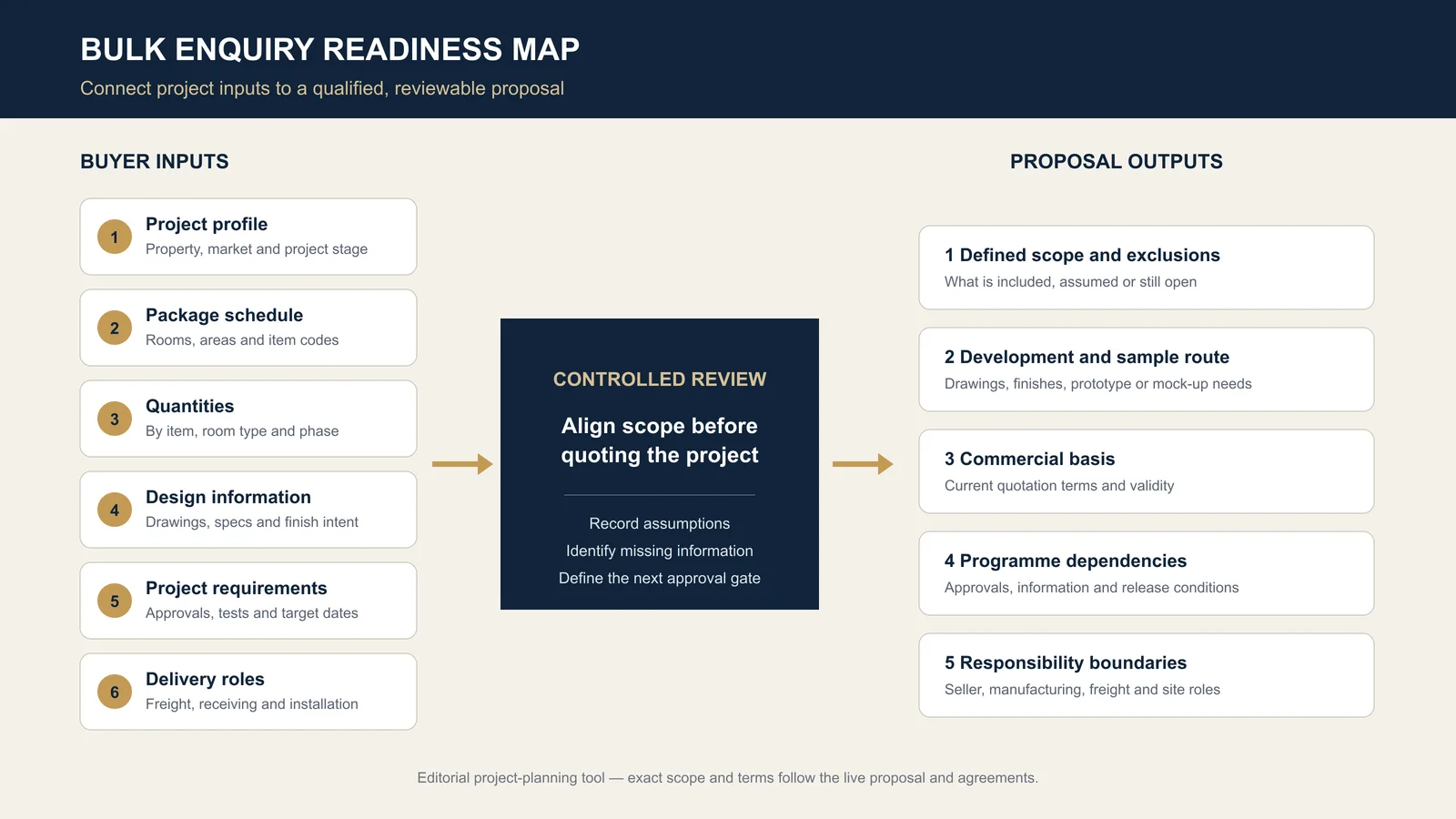
Hotel furniture project inputs mapped to controlled proposal outputs
A reviewable furniture baseline connects defined scope, package schedules, quantities, design information, approvals and delivery roles to explicit commercial outputs.

Fence the hotel furniture scope before calculating it

This page isolates manufactured furniture for guestrooms, suites and selected public areas. The project must decide which loose and fixed items belong inside that boundary. Current Gainwell product guidance organizes furniture across beds and headboards, casegoods and storage, seating and upholstery, tables and workspaces, outdoor, specialty items and architectural millwork. That directory is a scope prompt, not a universal bill of quantities.

Build a one-page scope fence with four columns:

Scope stateMeaningExample treatmentControl needed
Inside furniture baselineManufactured item or configuration calculated on this pageGuestroom headboard, bedside unit, desk, lounge chair or lobby seating groupItem/configuration ID and net quantity
Adjacent but elsewhereNeeded for completion but carried in another controlled budgetArtwork, decorative lighting, appliances or specialist connectionDestination account and owner
Retained or refurbishedExisting asset proposed to satisfy part of the requirementSelected loose chairs or tables retained after condition reviewIdentity, quantity, location, condition decision and refurbishment scope
OpenBoundary or responsibility is not decidedFixed vanity, feature mirror, stone top or installation scopeDecision owner and closure event; do not assume zero

The broader FF&E budget may carry freight, receiving, tax, installation, consultants, contingency and other asset categories. Do not reproduce that entire framework here. Instead, state the exact commercial point at which this furniture baseline ends and link every exclusion to its controlled destination.

Freeze six minimum inputs for the baseline date

A baseline is a dated configuration, not a permanent truth. Record six inputs before calculating:

  1. Room population: room numbers or counts by current room family and revision.
  2. Area population: public-area zones included in the furniture scope and their current layout source.
  3. Furniture identities: stable item or configuration codes connected to drawings and schedules.
  4. Specification maturity: concept, scheduled, drawn, sampled, approved or another project-defined state.
  5. Purchase treatment: new, retained, refurbished, owner-supplied, spare or excluded.
  6. Commercial basis: currency, price date, delivery point and included services for the rates used.

Put the revision and status beside each input. If the room schedule is current but the item schedule predates a suite redesign, the calculation is not aligned merely because both files exist.

Create a configuration card before multiplying room counts

A room family is an operational label; a furniture configuration is a controlled set of manufactured items. They are sometimes the same, but not always. A king and twin room may share the same desk and storage while using different bed and bedside configurations. Conversely, two rooms called “standard king” may need handed or accessible variants.

Give each unique furniture set a configuration card containing:

Do not create a new configuration for every room if the furniture set is genuinely identical. Equally, do not force visibly different sets into an “average room.” The card should be granular enough to explain quantity and cost, but stable enough to manage repetition.

Use a sparse crosswalk instead of one average room package

A sparse room-to-configuration crosswalk makes similarity and variation visible without creating hundreds of repeated rows.

Room familyRoom countBed-zone configurationWork/storage configurationSeating configuration
Standard kingCurrent schedule inputB-K1W-S1S-A1
Standard twinCurrent schedule inputB-T1W-S1S-A1
Corner kingCurrent schedule inputB-K1W-C1S-C1
SuiteCurrent schedule inputB-K2W-S2S-S2

The IDs above illustrate structure only. The project supplies the real configurations. This crosswalk prevents a common error: copying a full average package to every key even when only one furniture zone differs. It also shows where one decision affects several room families, which helps prioritize design closure.

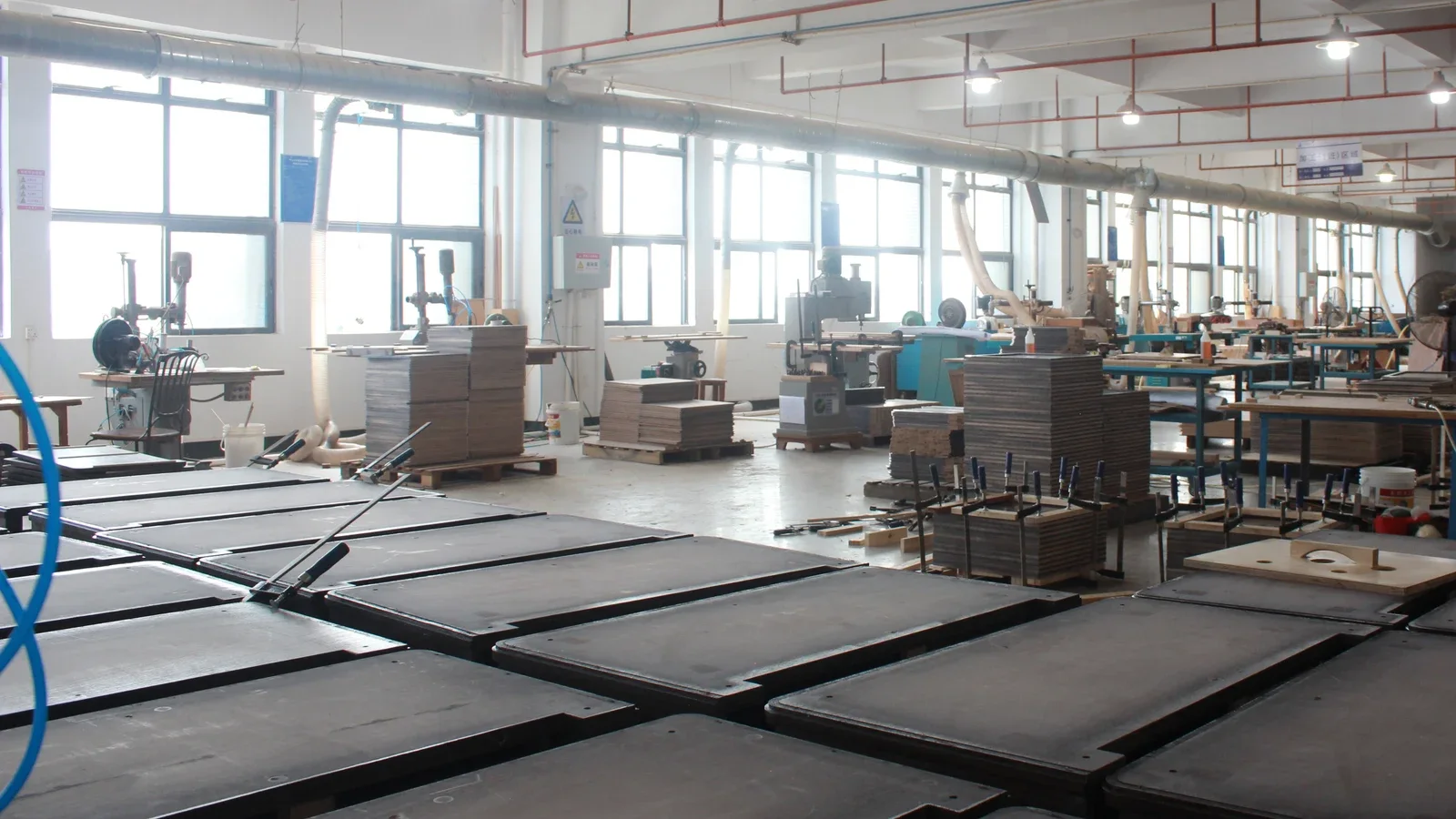
Furniture panels organized in production groups inside a workshop
A management total becomes reviewable only when it can be traced to an asset population, quantity basis, cost boundary and current evidence state.

Calculate the net purchase population

Calculate gross demand by configuration, then convert it into the quantity the project actually plans to purchase:

Gross configured demand = sum of (room-family count × configuration quantity per room family) + public-area group quantity.

Net purchase quantity = gross configured demand + approved spares − verified retained quantity − verified refurbished quantity − verified owner-supplied quantity.

Every subtraction needs evidence that the asset truly satisfies the same controlled requirement. A chair listed for refurbishment is not automatically available: identity, quantity, condition, dimensions, finish, location, programme and refurbishment responsibility may still be open. If the evidence is incomplete, keep the quantity in a variance queue rather than subtracting it silently.

Run two reconciliations:

Build public areas as asset graphs, not cost-per-key leftovers

Lobby, lounge, restaurant, club and meeting furniture rarely repeats like guestrooms. Budget each area as an asset graph: a named composition of related pieces connected to one layout, operational use and approval state.

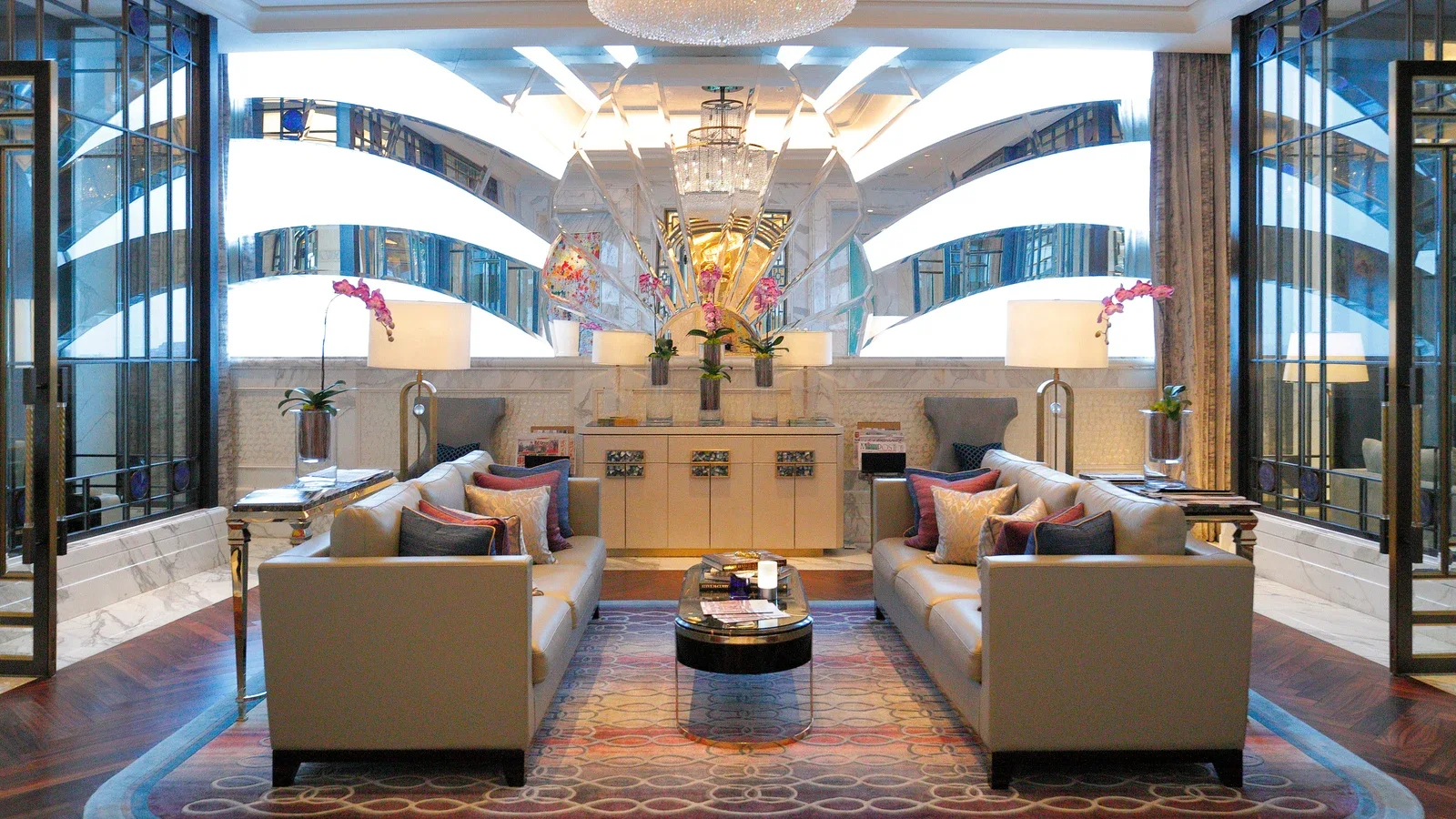
Hospitality lounge with sofas chairs tables and storage furniture
Public-area furniture is easier to control when each composition is an asset group with its own quantity, maturity, rate basis and decision owner.

For a lounge group, for example, record the sofas, lounge chairs, central table, side tables and any furniture carried elsewhere. Add a group ID, zone, layout revision, quantity multiplier, specification maturity and decision owner. This exposes three things that a per-key allowance hides:

Do not infer a public-area item list from a photograph. The current coordinated layout and furniture schedule govern the calculation.

Give every rate a six-field comparability passport

A rate can enter the project baseline only when its passport is compatible with the quantity it prices. Record:

  1. Priced identity: item or configuration ID and the exact drawing/specification basis.
  2. Quantity basis: the lot size, repetition and variant mix assumed by the rate.
  3. Maturity: whether the evidence is an analogous estimate, defined allowance, budget quote, current quotation or commitment under the project dictionary.
  4. Commercial boundary: what product, development, sample, packing, delivery or other services are included or excluded.
  5. Time and currency: price date, validity, currency and any project-approved conversion or timing treatment.
  6. Source and qualification: origin of the rate, important exceptions and the next evidence needed.

Two rates are not comparable merely because they share a currency and item name. A prototype-priced one-off, a production lot and a delivered-site quotation represent different quantity and service conditions. Normalize the passports first; update the baseline second.

The GAO Cost Estimating and Assessment Guide is not a hospitality pricing standard. Its general discipline is useful: define purpose and scope, establish a technical baseline and work breakdown, document data and assumptions, test sensitivity, present results and update the estimate as evidence changes.

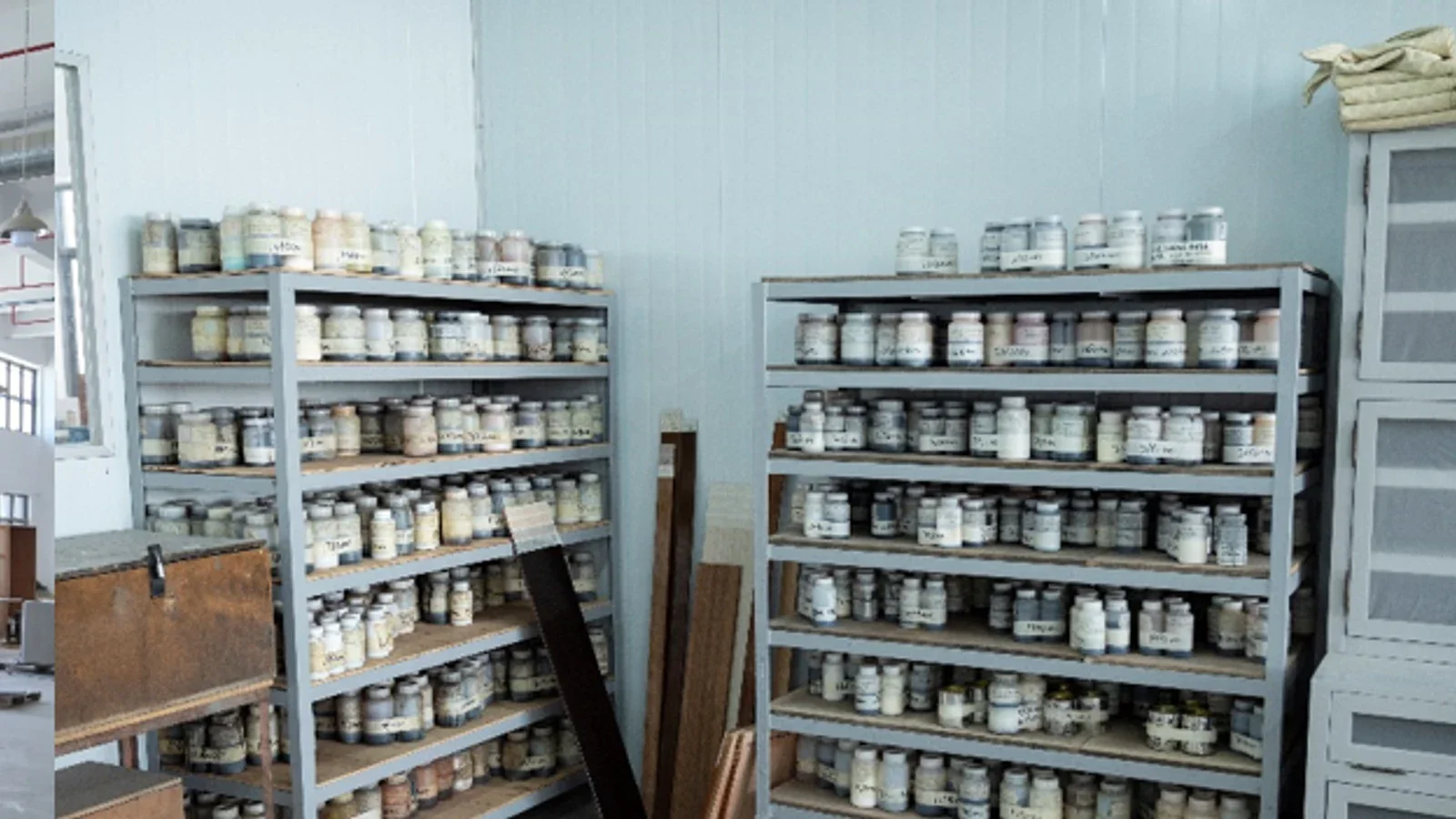
Labeled finish containers and sample boards on storage shelves
A finish direction becomes usable when the project identifies the controlling reference, reviewed attributes, permitted variation and current status.

Place development costs where their driver is visible

Custom furniture may require drawings, finish samples, prototypes, mock-ups, special reviews or project-specific packaging decisions. Do not bury these costs inside an average room rate if their driver is a configuration, a unique item or the project as a whole.

Assign each development amount to one of three levels:

This prevents the first room or first item from appearing artificially expensive while later repetitions look artificially cheap. It also lets the team see whether a design change affects one configuration or reopens a programme-level approval.

Worked example: build a baseline in planning units

The following example demonstrates the arithmetic using dimensionless planning units. It is not currency, a cost-per-room benchmark, a quotation, a forecast or a recommendation.

An illustrative 80-room project has 50 standard king rooms, 20 standard twin rooms and 10 suites. The controlled room configurations carry these furniture rates:

ConfigurationQuantityRate basisPlanning units
Standard king furniture set5018 units per approved configuration900
Standard twin furniture set2020 units per approved configuration400
Suite furniture set1042 units per approved configuration420
Guestroom configuration subtotal80 roomsSum of controlled configurations1,720

The public-area graph adds a lobby group at 160 units, a lounge group at 90 and a meeting-area group at 50. Programme-level drawing, sample and packaging inputs add 80 units. The gross known baseline is therefore:

1,720 + 160 + 90 + 50 + 80 = 2,100 planning units.

A verified retained-furniture decision removes 30 units from the purchase population, while approved spares add 20. The net known furniture baseline becomes:

2,100 − 30 + 20 = 2,090 planning units.

Suppose one suite finish decision and one destination-service boundary remain unresolved. Keep them in the variance queue; do not turn them into zero or silently apply a blanket percentage. If management asks for an average, 2,090 ÷ 80 = 26.125 planning units per key—but that reporting ratio is not a pricing method. It includes public areas and programme inputs, and it cannot be transferred to another hotel.

Test one driver at a time before creating scenarios

A useful sensitivity test changes a defined input while holding the other current inputs constant. Test drivers that map to the configuration model:

Record the old input, tested input, affected configuration IDs, mathematical effect and decision consequence. Do not label an unsupported plus-or-minus percentage as analysis. Where several drivers could move together, present clearly named scenarios and explain their assumptions rather than implying probability.

Large furniture manufacturing campus with connected buildings
A project-control system must keep one authorized decision aligned across every team and record that uses it.

Keep unresolved furniture decisions in a variance queue

The variance queue sits between the known baseline and future change. Each entry needs:

Typical entries include an unreconciled suite count, an undecided retained-item condition, a feature chair without an approved design, or a quotation that excludes a requested service. The queue is not contingency and it is not permission to reserve the highest conceivable value. It is a visible statement of what the known baseline cannot yet claim.

Trace furniture changes through their originating coordinate

When the baseline moves, classify the change by the coordinate that changed:

Change coordinateExampleEvidence to retain
PopulationRoom count or public-area group changedPrevious and current area/room source
ConfigurationRoom set or item quantity per set changedOld and new configuration card plus approval
Purchase treatmentRetained item becomes new purchase, or owner-supplied scope is confirmedCondition, ownership and scope decision
Rate passportSpecification, quantity basis, date, currency or commercial boundary changedSuperseded and current rate evidence
CorrectionDuplicate, mapping or formula error removedAffected IDs and control correction

Preserve the previous baseline and reconcile to the current one. This furniture-specific trail is deliberately narrower than a full FF&E management bridge: it explains configuration and purchase-population movement, while the wider owner budget governs tax, contingency, account transfers and project-wide reporting.

Release the baseline only when five signals are green

  1. Population signal: room families reproduce the current key count and public-area zones match the current included layout.
  2. Configuration signal: every room and zone maps to controlled furniture configurations or asset groups without unowned duplicates or gaps.
  3. Net-quantity signal: spares, retained, refurbished and owner-supplied quantities have documented authority and reconcile mathematically.
  4. Rate signal: every material amount has a compatible six-field passport; incompatible quotations remain qualified.
  5. Variance signal: every unresolved driver is visible with an owner, evidence request and transfer rule.

If population or configuration is red, return to the room and area schedules. If net quantity is red, isolate the disputed retained or supplied assets. If rate is red, request a comparable basis rather than choosing the lowest headline number. If variance is red, do not describe the baseline as complete.

Send manufacturers a controlled pricing packet

A manufacturer can provide better evidence when the pricing request follows the same configuration logic as the baseline. Send the relevant room/area schedule, furniture configurations, item quantities, drawings, materials and finishes, required project tests, sample or mock-up expectations, destination, approval route, programme and requested commercial boundary.

Gainwell’s current luxury hotel solution describes scope alignment across room types and public areas, followed by mock-up, production and sequenced-delivery controls. Its capabilities page describes technical development, value engineering, prototyping, manufacturing control, packaging and delivery support. Exact activities, locations, evidence and responsibilities must be confirmed for the live project.

Do not send confidential financing or the entire owner budget when only a furniture package review is needed. Share the controlled configuration population, specification status, destination, requested delivery point and unresolved furniture assumptions. Use the Gainwell project enquiry page to request a project-specific review; no live price, programme or scope is created by this article.

FF&E Budget Planning: Cost Categories, Assumptions and Controls

An FF&E budget is a dated, scope-defined cost model—not a single allowance and not a universal percentage of construction cost. Every amount should identify the assets it covers, the delivery point it reaches, the evidence behind it and its current estimate state. Unpriced exposure should remain visible instead of disappearing inside “miscellaneous.”

That definition matters because three spreadsheets can show the same total while representing different realities. One may include guestrooms but omit public areas. Another may include product but stop before freight and installation. A third may combine quotations, old allowances and committed orders without labeling them. The total alone cannot tell an owner whether the project is affordable or merely incomplete.

Furniture panels organized in production groups inside a workshop
A management total becomes reviewable only when it can be traced to an asset population, quantity basis, cost boundary and current evidence state.

Give every FF&E budget amount four coordinates

Before discussing rates, require four coordinates for each budget line:

  1. Asset population: which item, package, room type, public-area zone or owner-supplied component is represented?
  2. Cost boundary: does the amount stop at product supply, packed factory release, delivered site, installed condition or accepted handover?
  3. Dated basis: which quantity, drawing, specification, rate source, currency, price date and commercial assumption produced the amount?
  4. Estimate state: is the amount an early estimate, defined allowance, current quotation, commitment, actual cost or still unpriced?

This is the FF&E budget boundary map used in this guide. It is an editorial planning model, not an accounting standard. Its purpose is practical: two figures are comparable only when their coordinates are comparable. If a quotation stops at packed goods and the budget line assumes installed delivery, the gap is a scope difference before it is a price difference.

Separate cost categories from estimate states

A common budget error is using one column to describe both what the project buys and how certain the number is. These are separate dimensions:

For example, guestroom casegoods are a product category. Their amount might be a concept estimate today, a comparable quotation later and a commitment after award. Changing the evidence state should not silently change the asset identity or cost boundary.

Projects should define their own account dictionary, approval rules and reporting treatment. The structure below is a completeness prompt; it is not a universal chart of accounts.

Map the cost boundary across eight practical lanes

Cost laneQuestions the budget must answerTypical omission signal
1. Asset and package supplyWhich furniture, fixtures and equipment are included by item, room type or zone? Are FF&E, OS&E, fixed work and owner-supplied items separated as the project defines them?A single “furniture” allowance with no population or location reference
2. Technical developmentAre shop drawings, engineering or interface development, material coordination and value-engineering activity included, excluded or appointed elsewhere?Custom scope priced as if it were a finished catalogue product
3. Samples and prototypesWhich finish samples, mock-ups, room prototypes, testing or approval rounds are assumed, and who bears revisions beyond that basis?“Samples included” with no type, quantity, review route or limit
4. Inspection and project controlWhat production reporting, inspection, third-party review, item coding, documentation or project management is in the cost boundary?Control requirements appear in the programme but nowhere in the budget
5. Packaging and international movementWhat packaging standard, origin point, destination point, freight, insurance, customs activity, duties or taxes are assumed? Which terms govern responsibility?One freight percentage applied without shipment basis or destination
6. Receiving and storageAre unloading, consolidation, warehousing, handling, vertical movement, damage inspection and custody transfer represented?Product is “delivered” but the budget never defines where custody changes
7. Installation and handoverAre assembly, positioning, fixing, specialist connections, protection, cleaning, snagging, touch-up and handover included, excluded or split between parties?Supply scope is mistaken for installed scope
8. Project-defined additionsHow are spares, attic stock, consultant or procurement fees, escalation, currency effects and contingency treated under the project’s approved rules?Several unrelated adjustments are hidden in one “other” line

A lane can be outside the FF&E budget if the owner deliberately carries it elsewhere. The control requirement is not to force every cost into this sheet; it is to record the exclusion, destination account and responsible owner so the project does not omit or duplicate it.

Gainwell team reviewing hotel furniture drawings in the factory
A furniture package should connect its room or area demand to the current drawing, finish, interface and decision record.

Create a basis passport for every budget line

A total becomes defensible when its components retain lineage. Give each material budget line a compact basis passport:

Passport fieldMinimum useful entry
Budget line IDStable code linked to the asset, package, room type or zone
Population and quantity sourceQuantity, unit and controlling schedule or area record with revision
Requirement maturityCurrent drawing or specification basis plus important open decisions
Rate evidenceEstimate method, analogous source, budget quote or current supplier quote with source and date
Commercial boundaryIncluded and excluded services, delivery point, packaging, taxes or duties treatment and any relevant quotation condition
Time and currencyPrice date, currency and project-approved treatment of escalation or exchange assumptions
Uncertainty and triggerWhat could change the amount, the current exposure description and the decision or evidence needed to update it
Owner and approvalPerson responsible for the basis, reviewer, approval state and latest change reference

Do not replace missing evidence with a confidence percentage that nobody can explain. A short statement—“quantity derived from room schedule Rev C; finish and hardware open; planning rate dated May; delivered-site boundary excluded”—is more useful than a green cell labeled “90% certain.”

Use six estimate states without adding them together

The following states can make the evidence behind a forecast visible. Each budget line should occupy one current state for the amount being reported; the states are not six extra cost categories to add together.

  1. Early estimate: derived from a documented method before package detail is sufficient for supplier pricing.
  2. Defined allowance: a management amount for an identified scope whose final quantity, requirement or rate remains open.
  3. Current quotation: a time-limited supplier price against stated assumptions; it is not automatically comparable or committed.
  4. Committed: an amount tied to an authorized commercial commitment and its current scope.
  5. Actual: a recorded cost recognized under the project’s financial rules.
  6. Unpriced exposure: an identified event, decision or missing scope for which the project does not yet have a responsible point amount.

Keep original evidence and transition dates. When a line moves from allowance to quotation, reconcile the difference instead of overwriting the old amount. When scope changes after commitment, separate the authorized base, pending change and disputed or unresolved amount according to the project’s contract and reporting rules.

Build the first budget without manufacturing certainty

An early FF&E budget is allowed to be uncertain; it is not allowed to hide why. Use the best available basis at the level the design supports:

  1. Freeze the current asset and area population, including explicit exclusions.
  2. Assign a budget unit that matches the evidence: item, set, room family, zone, package or another controlled unit.
  3. Choose a dated rate source and record the adjustment logic. Never copy a benchmark without its geography, specification, quantity and cost boundary.
  4. Separate product amounts from project adders whose drivers are different.
  5. List open decisions and unpriced exposure beside the point estimate.
  6. Set the next rebase event: design issue, quantity reconciliation, sample decision, comparable quotation, award or actual-cost update.
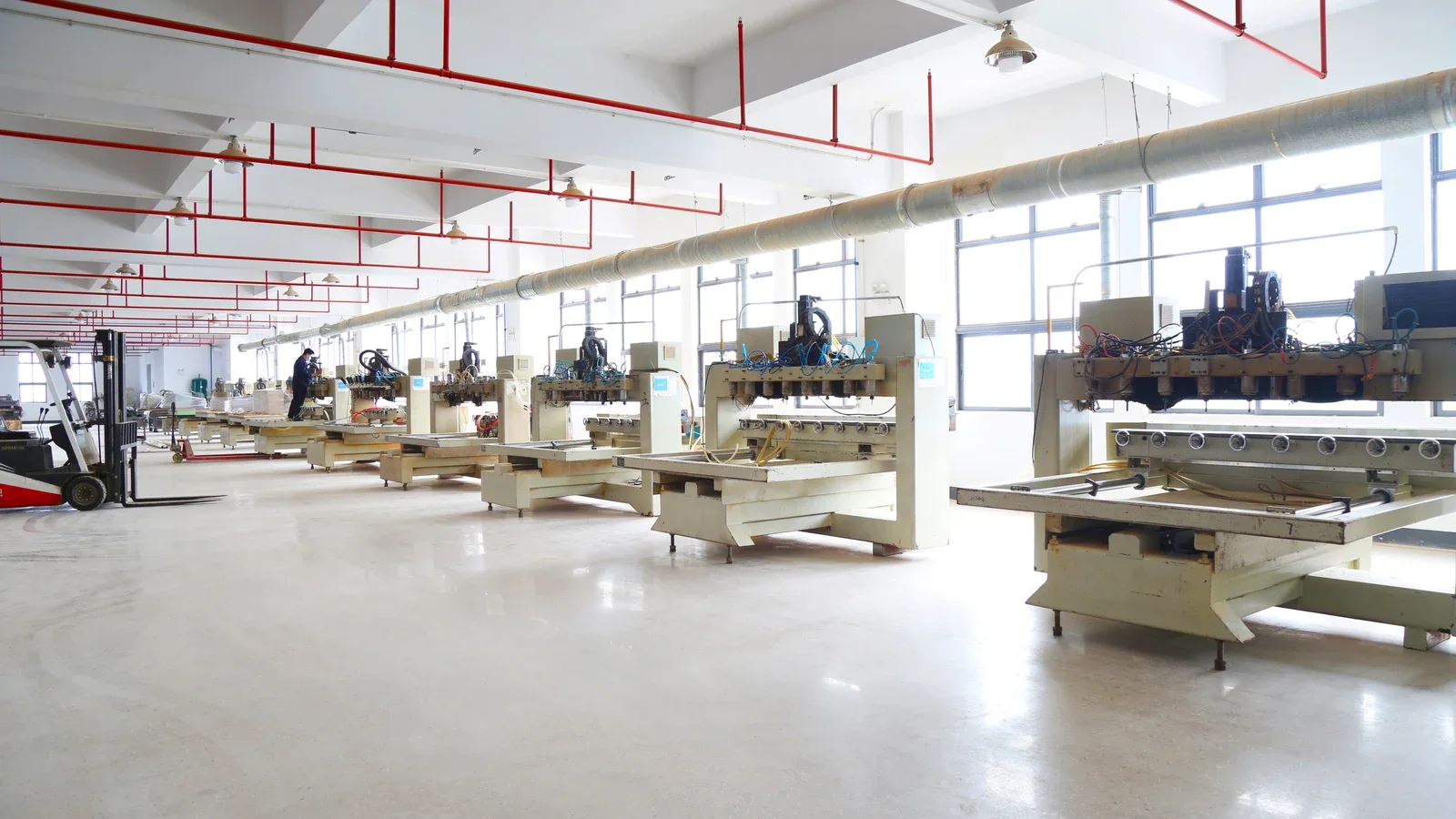
Woodworking machines arranged along a furniture production line
A furniture amount should name the design, quantity, production and commercial assumptions behind it; a room count alone is not a pricing basis.

The GAO Cost Estimating and Assessment Guide is not a hotel pricing standard, but its general process is useful here: define the estimate’s purpose and scope, organize the work, document assumptions and data, analyze uncertainty, explain results and update the estimate as actual information arrives.

Large furniture manufacturing campus with connected buildings
A project-control system must keep one authorized decision aligned across every team and record that uses it.

Keep unpriced exposure visible beside the forecast

“Not priced” is not the same as zero. Create an exposure register for decisions that could move the FF&E budget but are not responsibly represented by one point amount. Useful fields include:

Examples may include an unsettled room population, a finish selection that changes process, a delivery term not yet agreed, an installation responsibility gap or a programme shift that invalidates a rate date. Do not turn every open question into contingency, and do not consume contingency merely because a quoted amount is higher. The project’s governance must define what contingency covers, who controls it and how use is authorized.

Explain every movement through a cause-coded budget bridge

A current forecast should reconcile to the previous approved baseline. Use cause codes that describe the reason, not the person blamed:

The following example uses dimensionless planning units. It is not a price, percentage or recommendation:

Bridge lineCausePlanning unitsRequired explanation
Previous known forecastOpening balance1,400Approved basis and reporting date
Added public-area packageSCOPE+90Authorization and affected zones
Room-population correctionQTY+30Old and current quantity sources
Specification and rate rebaseBASIS+45Changed requirement and new evidence date
Receiving added to this budgetBOUNDARY+35Former account and revised responsibility
Approved timing assumptionTIME/CURRENCY+20Project-approved method and effective date
Duplicate item removedCORRECTION−40Affected line IDs and control fix
Current known forecastReconciled result1,580Previous forecast plus documented movements

Suppose unresolved exposure is separately recorded as 0–120 planning units. Do not automatically add the maximum to 1,580 or present the midpoint as fact. Show the known forecast, the governed contingency position and the unresolved exposure according to the owner’s reporting policy, and state where overlap has been removed.

Run five integrity tests before approving the FF&E budget

  1. Coverage test: can every required asset, area and service be found once—and only once—either in this budget or in a named external account?
  2. Basis test: can a reviewer find the quantity source, requirement maturity, rate evidence, date, currency and commercial boundary behind every material line?
  3. State test: are estimates, allowances, quotations, commitments, actuals and unpriced exposure visibly different?
  4. Movement test: does the current forecast reconcile to the prior baseline through authorized cause-coded changes?
  5. Decision test: does each important assumption or exposure have an owner, evidence request, closure event and rule for updating the forecast?

If the sheet passes arithmetic checks but fails one of these tests, it is not ready for an approval conversation. The response should be proportional: close the missing record, isolate the affected package or present a range. Do not imply that the entire project is equally uncertain.

Choose the next action from the evidence state

Current conditionUseful next actionDo not do
Population is incompleteReconcile room, area and asset scope before rate debateImprove the spreadsheet total with a blanket uplift
Population is defined but specification is openUse a labeled allowance or range and name the decisions that close itPresent an early rate as a supplier commitment
Several quotations existNormalize quantity, specification, service and delivery boundaries before updating the lineChoose the lowest headline total
A commitment existsPreserve the authorized base and track pending changes separatelyOverwrite the commitment with the latest forecast
Actual costs are arrivingUpdate the line under the project’s financial rules and retain the forecast-to-actual explanationErase the estimating history
Exposure has no credible rangeRecord “range not established,” request evidence and set a closure ownerEnter zero or invent a percentage
Labeled finish containers and sample boards on storage shelves
A finish direction becomes usable when the project identifies the controlling reference, reviewed attributes, permitted variation and current status.

Build a one-page management review

The detailed budget may contain hundreds of lines, but its approval page should let management interrogate the whole model. Include:

Keep a version snapshot behind every formal review. A useful budget history explains not only that the total changed, but whether the project bought more scope, corrected a population, matured a design, changed a delivery boundary, moved in time or fixed an error.

Prepare a manufacturer review without outsourcing the whole budget

A furniture manufacturer can improve the evidence for packages it is asked to review. It cannot responsibly price every FF&E line or define the owner’s reporting treatment. Send a bounded package that includes current drawings, quantities by room or area, materials and finishes, project-specific test requirements, destination, approval route, programme and requested commercial boundary.

Gainwell’s current product guidance asks for those project inputs and says missing information should be recorded as an open decision rather than assumed. Its capabilities overview describes technical development, value engineering, prototypes, manufacturing control, packaging and international delivery support. The live proposal must confirm which activities, locations, evidence and commercial responsibilities apply.

For an early package review, share only the relevant budget lines and their basis passports—not confidential financing material. Identify the asset population, quantity source, specification status, destination, requested delivery point and open assumptions. Ask Gainwell to review the furniture pricing inputs.

Frequently asked questions

What should an FF&E budget include?

It should include the project-defined FF&E asset population and every cost lane assigned to that budget, with explicit exclusions and account destinations. Product supply, technical development, samples, control, packaging, logistics, receiving, installation, spares and project adjustments may all require a stated treatment, but the exact boundary is project-specific.

How much should a hotel budget for FF&E?

There is no responsible universal amount in this guide. A useful figure depends on the property, asset population, room and area mix, design and specification, quantities, location, price date, currency, logistics, installation and commercial boundary. Relevant benchmarks can be a reasonableness check only when their source and adjustments are disclosed.

Is an FF&E budget the same as a hotel furniture budget?

No. An FF&E budget can cover multiple asset and service categories across the project. A hotel furniture budget is narrower and should calculate manufactured furniture by room type, public-area zone and item population. Combining the two without a boundary creates gaps or duplication.

What is the difference between an allowance and contingency?

In this planning model, an allowance represents an identified scope whose final basis remains open. Contingency is a separately governed provision for uncertainty under the owner’s approved policy. Project contracts and accounting rules may use different terms, so define both before reporting them.

How often should the FF&E budget be updated?

Update it when controlled evidence changes: scope or quantities, design maturity, price evidence, delivery boundary, programme or currency assumptions, commitments, approved changes or actual costs. A calendar reporting cycle is useful, but a material decision should not wait to be recorded.

Hotel FF&E Explained: Scope, Checklist and Project Responsibilities

A hotel guestroom can look furnished and still be unusable for the agreed handover. The furniture may be in place, yet one room variant may have no approved reference, a required interface may remain open, an equipment item may have no owner, or the operator may be unable to identify what was accepted.

Hotel FF&E is the project-specific asset system that equips defined hotel spaces for guest and operational tasks. It includes furniture, fixtures and equipment that the project assigns to FF&E, together with the quantities, interfaces, responsibilities and evidence needed to move those assets from a requirement to an accepted space. It is not one universal product list, and it is not automatically the scope of one manufacturer, designer or procurement company.

The useful owner-side question is therefore not only, “What items are FF&E?” It is, “Can this room, area or operating zone perform its intended task with every required FF&E dependency controlled?”

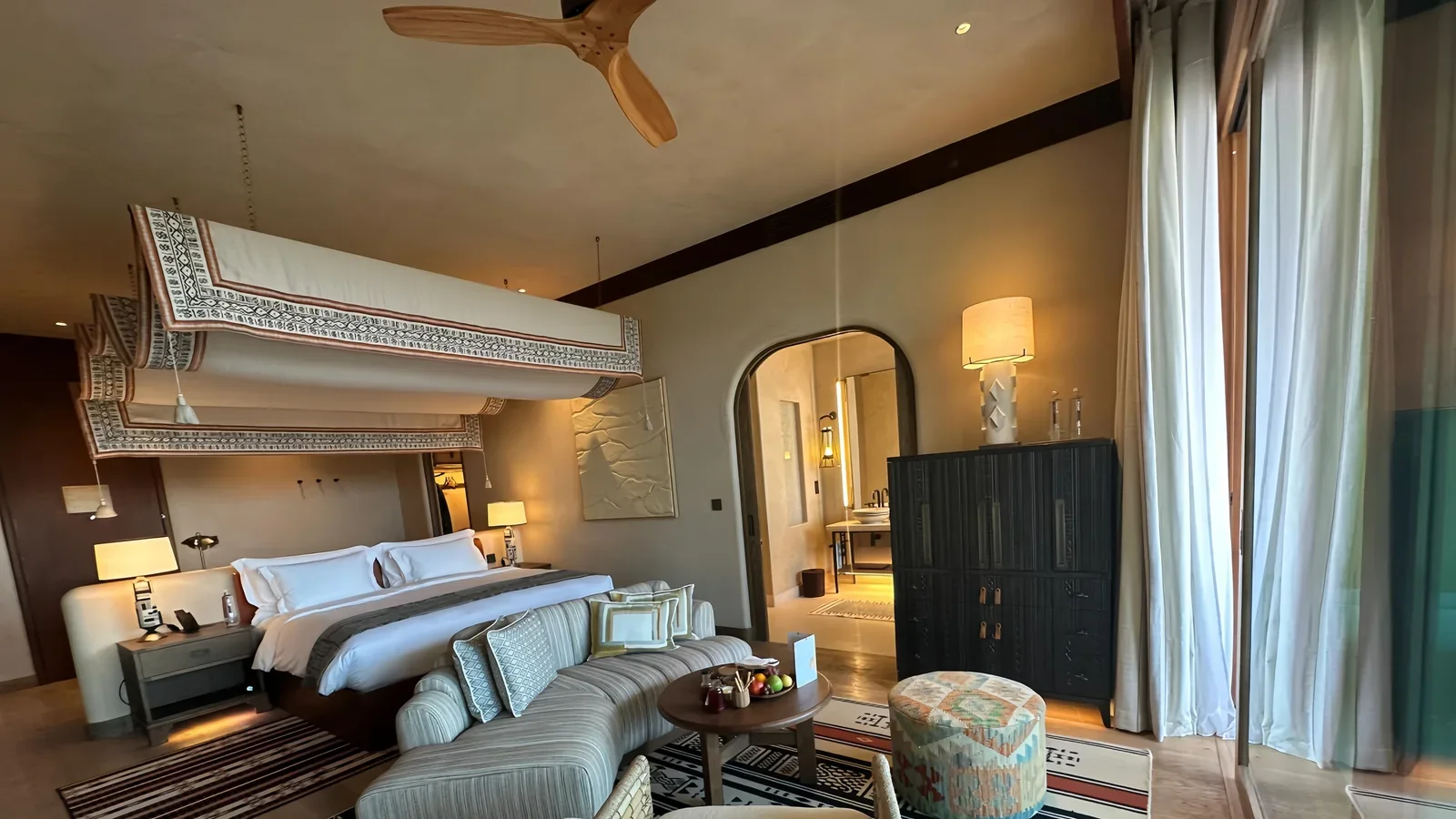
Hotel guestroom with bed, seating, tables, cabinet and lighting
A guestroom can look complete while one required asset, interface, responsibility or handover record still prevents the agreed use state.

Define hotel FF&E by the space it must enable

Begin with a space promise: a short statement of what a guest or operating team must be able to do in that space. The promise is not a design slogan. It is a practical boundary for deciding which asset groups, interfaces and handoffs are required.

For example, a guestroom promise may include sleeping, personal storage, working or dining, charging devices, controlling light, placing luggage and receiving housekeeping service. The project then identifies the FF&E assets that support those tasks. A lobby, restaurant, meeting room or staff area needs a different promise and therefore a different system.

This approach prevents the FF&E list from beginning as a copy of the previous hotel or a catalogue of attractive products. It also makes exclusions visible: if an item is essential to the space promise but belongs to another package, record the package and the handoff rather than silently dropping the dependency.

Use six hotel space families as a coverage test

Every project will use its own room and area structure, but six families provide a useful coverage check.

Space familyOutcome to defineFF&E questions to resolveDo not assume
Guestrooms and suitesThe room can support the approved guest activities and room-family configurationWhich assets repeat, which variants are handed or accessible, and which interfaces change by type?One prototype or schedule row represents every room configuration
Lobby and social spacesThe planned guest journeys, waiting, gathering and service settings can operateWhich seating groups, tables, counters and fixed elements form each zone?A visually coordinated area has one supply or installation owner
Food and beverageGuest seating and service settings work with the operating conceptHow are table mixes, seating, banquettes, counters and equipment boundaries assigned?Furniture approval also resolves service equipment or building services
Meeting and event spacesThe approved room modes can be set, changed, stored and supportedWhich furniture moves, stacks, connects or depends on storage and technology?The first layout proves every operating mode
Wellness, recreation and outdoor hospitalityThe defined guest use can be supported under the actual environmental and operating conditionsWhich items move, store, drain, clean or connect, and which project requirements apply?A material or product is suitable from appearance alone
Back-of-house and staff areasTeams can perform the specified support tasksWhich desks, storage, seating and equipment belong to FF&E, OS&E or another workstream?Guest-facing packages cover operational spaces

Gainwell’s current luxury-hotel furniture solution shows guestroom, suite and public-area contexts in which multiple furniture categories may be coordinated. A live hotel FF&E register must still define the exact assets and parties for each space.

Build the hotel FF&E checklist in four levels

A single flat checklist mixes strategic decisions with item details and closeout evidence. Separate four levels and let each level answer one kind of question.

Checklist levelWhat it controlsCompletion question
PropertySpace families, room families, brand or operator inputs, package boundaries, phases and excluded workstreamsDoes every planned hotel space have a defined FF&E route?
SpaceIntended tasks, required asset set, variants, interfaces and readiness ownerCan the room or zone achieve its stated promise?
ItemStable identity, quantity basis, current technical reference, approval state, package and locationCan the project identify the accepted asset and its current state?
HandoverPhysical location, functional checks required by the project, exceptions, care and replacement information, acceptance authorityCan operations receive, use, maintain and identify what was handed over?

The property level prevents an entire area from being omitted. The space level prevents a complete item count from creating an incomplete room. The item level preserves identity. The handover level prevents “delivered” from becoming a substitute for operational acceptance.

Gainwell team reviewing several furniture types before release
A shipment may be numerically complete while a destination wave is still missing one item needed to complete each room set.

Create one readiness card for every room family and public-area zone

The space-readiness card is the bridge between the four checklist levels. Create one card for each room family, suite type, public-area zone or operational space whose assets and dependencies can be evaluated together.

Use seven fields:

  1. Space identity: the exact room family, area or zone and the current source plan.
  2. Space promise: the guest or operating tasks the FF&E system must enable.
  3. Required asset set: the coded items and accepted quantity basis needed for that promise.
  4. Critical interfaces: dependencies on the building, adjacent packages, OS&E or operator inputs.
  5. Current evidence: the drawings, specifications, samples, approvals, location records and handover information that prove the present state.
  6. Transition owner: the named role accountable for moving each open dependency to its next accepted state.
  7. Exceptions: what remains open, what it affects, whether it blocks the promise and what recovery decision is required.

The card is not another independent schedule. It should reference controlled records rather than copy them. Its purpose is to answer the hotel-space question without breaking item lineage.

Hotel suite with bed, sofa, side tables and wall lighting
A suite may contain several functional zones. Each zone needs its own required assets and dependencies before the suite can inherit one readiness status.

Apply the weakest-required-dependency rule

Average completion can conceal a blocking gap. If 29 of 30 required assets are located but the remaining asset prevents the agreed room task, the room is not 97% operationally ready in any useful sense.

Use a non-financial decision rule:

Space readiness equals the lowest accepted state among the assets, interfaces and handoffs that the owner has defined as required for the space promise.

The rule requires judgment. Not every open item is a blocker. Classify dependencies before reporting:

Do not use this rule to forecast an opening date or guarantee performance. It makes the owner’s accepted conditions and blocking logic visible.

Assign responsibility at six FF&E transitions

A department name beside an item is not enough. Responsibility becomes testable when the team names who owns each transition and which evidence closes it.

TransitionOwner-side questionEvidence of completion
Space need to asset requirementWho converts the approved guest or operating task into a required asset set?Room or area brief linked to coded assets and variants
Requirement to controlled designWho develops, coordinates and obtains the required approval?Current technical and approval references with stated limitations
Controlled design to commercial commitmentWho confirms scope, quantity, inclusions, authority and surviving exceptions?Approved commercial basis connected to the same asset identity
Commitment to physical assetWho preserves the approved basis through production, supply and authorized change?Traceable item or batch record and defined review status
Physical asset to located spaceWho controls receiving, destination, physical work and condition exceptions?Location and work records for the correct asset and zone
Located space to operational acceptanceWho confirms the agreed task, documents, exceptions and ongoing owner?Accepted readiness card and operator-usable records

The same organization may own several transitions, or several organizations may contribute to one. The card should still name one accountable transition owner and the approval authority. Detailed procurement, logistics and installation procedures belong in their own controls; this table only protects the hotel-wide handoff chain.

Rows of upholstered lounge chairs in a Gainwell production area
Repeatability is controlled by the current drawing, approved material and finish references, recorded prototype deltas and defined production checks—not by visual memory alone.

Test room families instead of testing one generic guestroom

Hotel guestrooms repeat, but repetition should be proven, not assumed. Create one readiness card per controlled room family and add a variance test before allowing one result to roll across other rooms.

Check whether the family changes any required asset, dimension, handed arrangement, accessibility input, finish, equipment, interface, operating task or handover evidence. If it does, state whether the difference creates:

A benchmark room can provide useful evidence only for the characteristics and variants it actually represents. Record the coverage and the exclusions; do not let “sample room approved” become a hotel-wide status.

Give public areas a dominant-dependency test

Public areas often contain fewer repeated units but more mixed asset groups and shared interfaces. For each zone, identify the dependency most likely to control its space promise.

Public-area patternPossible dominant dependencyReadiness question
Coordinated lounge settingThe complete seating and table mix, shared finishes or final groupingCan the intended guest use operate as a setting rather than as isolated delivered items?
Reception or concierge zoneFixed/loose boundary, equipment, power or operator workflowCan staff perform the defined service task with all package interfaces closed?
Restaurant seating areaTable mix, chair count, banquette interface or service layoutCan the approved operating layout be set without an unowned asset or interface?
Meeting or function roomMode change, storage, moving route or technology dependencyHas every required operating mode been represented in the asset and handover plan?
Outdoor guest areaProject-specific exposure, storage, movement, drainage or maintenance conditionHas the project defined and evidenced the actual conditions rather than inferred suitability?

This test keeps a large area from appearing ready because most individual purchase orders are complete. The zone inherits readiness only when the system needed for its intended use is controlled.

Attach every exception to the space it affects

An exception register organized only by supplier or purchase order makes hotel consequences hard to see. Every exception should also identify the affected room family, area, zone and space promise.

Record the asset or interface, current state, initiating event, affected spaces, blocker classification, temporary condition if authorized, decision owner, due evidence and next transition. Then aggregate the register in two directions:

When a change affects a repeated asset, do not update only the procurement or production record. Re-run the room-family variance test and identify every readiness card whose accepted basis has changed.

Large furniture manufacturing campus with connected buildings
A project-control system must keep one authorized decision aligned across every team and record that uses it.

Close the hotel FF&E handover with operator-usable identity

Operational acceptance needs more than a signed delivery note. The hotel should be able to identify the asset in its location, trace the accepted reference, understand any open exception and find the information required for care, replacement or contracted support.

The handover level of the checklist should connect:

Operations should not need to reconstruct the room from design emails, purchase orders and packing lists. The readiness card should point to the controlled records without becoming another uncontrolled copy.

Report readiness with evidence, not one decorative percentage

A hotel-wide dashboard can be compact. Show counts and blockers with explicit denominators:

A percentage may be shown only if its denominator and blocking rule are visible. Purchase-order value, delivered item count and visually complete rooms answer different questions; none alone proves hotel FF&E readiness.

Where does a hotel furniture manufacturer fit?

A furniture manufacturer normally owns only part of the wider hotel FF&E system. Gainwell’s current product scope includes custom loose, upholstered and fixed furniture and architectural millwork, while its capability workflow describes technical development, prototypes, manufacturing, quality control, packaging, delivery support and installation support. The live proposal must confirm which products, services, locations, evidence and responsibilities apply.

Before a furniture-scope review, prepare representative guestroom-family and public-area readiness cards, the coded furniture schedule, current drawings and specifications, critical interfaces, approval references, destination phases and unresolved exceptions. Share the controlled hotel furniture workstream with Gainwell so the team can confirm fit without implying responsibility for the entire hotel FF&E programme.